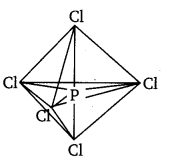
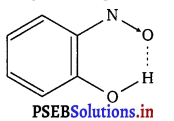
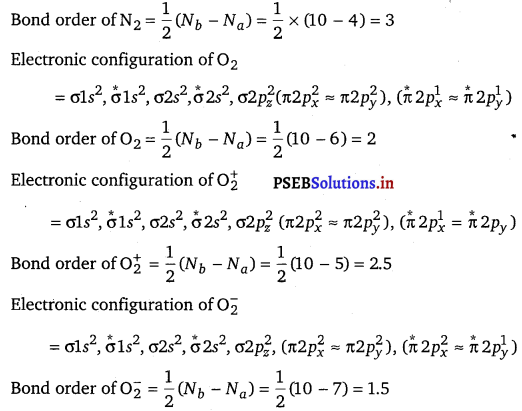
PSEB 11th Class Chemistry Important Questions Chapter 3 Classification of Elements and Periodicity in Properties

Punjab State Board PSEB 11th Class Chemistry Important Questions Chapter 3 Classification of Elements and Periodicity in Properties Important Questions and Answers.

PSEB 11th Class Chemistry Important Questions Chapter 3 Classification of Elements and Periodicity in Properties

Very Short Answer Type Questions

Question 1.
Which properties of the elements depend on’ the electronic configuration of the atoms and which do not?
Answer:
Chemical and many physical properties of the elements depends on the electronic configuration of the atoms, whereas the nuclear properties do not.

Question 2.
Write the number designation of a group that has 2 electrons beyond a noble gas configuration.
Answer:
The number designation of a group that has 2 electrons beyond a noble gas configuration will be 2 which means it will belong to group 2 of periodic table.

Question 3.
Why is it more logical to call the atomic radius as the effective atomic radius?
Answer:
This is because the size of atom is very small and it has no sharp boundaries.

PSEB 11th Class Chemistry Important Questions Chapter 3 Classification of Elements and Periodicity in Properties

Question 4.
A boy has reported the radii of Cu, Cu+ and Cu2+ as 0.096 nm, 0.122 nm and Question072 nm respectively. However, it has been noticed that he interchanged the values by mistake. Assign the correct values to different species.
Answer:
Cu [0.122 nm], Cu+ [0.096 nm], Cu2+ [0.072 nm].
∵ Size ∝ \(\frac{1}{\text { positive charge }}\)

Question 5.
Atomic radii of fluorine is 72 pm where as atomic radii of neon is 160 pm. Why? [NCERT Exemplar]
Answer:
Atomic radius of F is expressed in terms of covalent radius while, atomic radius of neon is usually expressed in terms of van der Waals’ radius, van der Waals’ radius of an element is always larger than its covalent radius.
Therefore, atomic radius of F is smaller than atomic radius of Ne (F = 72 pm, Ne = 160 pm)

Question 6.
Arrange the following elements in order of decreasing electron gain enthalpy : B, C, N, O.
Answer:
N has positive electron gain enthalpy while all others have negative electron gain enthalpies. Since size decreases on moving from B → C → O, therefore, electron gain enthalpies become more and more negative from B → C → O. Thus, the overall decreasing order of electron gain enthalpies is N, B, C, O.

Question 7.
Which of the following atoms would most likely form an anion (i) Be, (ii) Al, (iii) Ga, (iv) I ?
Answer:
I, because of high electron gain enthalpy, it can accept an electron readily to form an anion F < Cl < Br > I.

Question 8.
Explain why chlorine can be converted into chloride ion more easily as compared to fluoride ion from fluorine.
Answer:
Electron gain enthalpy of Cl is more negative than that of F.

Question 9.
Among alkali metals which element do you expect to be least electronegative and why? [NCERT Exemplar]
Answer:
On moving down the group, electronegativity decreases because atomic size increases. Fr has the largest size, therefore it is least electronegative.

Question 10.
Arrange the following elements in the increasing order of non-metallic character. B, C, Si, N, F
Answer:
The given non-metals are arranged in the increasing order of non-metallic character as follows:
PSEB 11th Class Chemistry Important Questions Chapter 3 Classification of Elements and Periodicity in Properties 1

PSEB 11th Class Chemistry Important Questions Chapter 3 Classification of Elements and Periodicity in Properties

Short Answer Type Questions

Question 1.
What would be IUPAC names and symbols for elements with atomic numbers 122, 127, 135, 149 and 150? .
Answer:
The roots 2, 7, 5, 9 and 0 are referred as bi, sept, pent, enn and nil respectively. Therefore, their names and symbol are

Z (Atomic number) Name Symbol
122 Unbibium Ubb
127 Unbiseptium Ubs
135 Untripentium Dtp
149 Unquadennium Uqe
150 Unpentnilium Upn

Question2.
All transition elements are d-block elements, but all d-block elements are not transition elements. Explain.
Answer:
Elements in which the last electron enters in the d-orbitals, are called d-block elements or transition elements. These elements have the general outer electronic configuration (n – 1)d1-10ns0-2 Zn, Cd and Hg having the electronic configuration, (n – l1)d10ns2 do not show most of the properties of transition elements. The d-orbitals in these elements are completely filled in the ground state as well as in their common oxidation states. Therefore, they are not regarded as transition elements. Thus, on the basis of properties, all transition elements are d-block elements but on the basis of electronic configuration, all d-block elements are not transition elements.

Question 3.
Arrange the elements N, P, O and S in the order of
(i) increasing first ionisation enthalpy.
(ii) increasing non-metallic character.
Give reason for the arrangement assigned.
Answer:

Group 15 Group 16
2nd period N 0
3rd period P S

(i) Ionisation enthalpy of nitrogen (7N = 1s2, 2s2, 2p3) is greater than oxygen (8O = 1s2 , 2s2 , 2p4 ) due to extra stable half-filled 2p-orbitals. Similarly, ionisation enthalpy of phosphorus (15P = 1s2, 2s2, 2p6, 3s2, 3p3) is greater than sulphur (16S = 1s2, 2x2, 2p6, 3s2, 3p4).
On moving down the group, ionisation enthalpy decreases with increasing atomic size. So, the increasing order of first ionisation enthalpy is S < P < O < N.

(ii) Non-metallic character across a period (left to right) increases but on moving down the group it decreases. So, the increasing order of non-metallic character is P < S < N < 0.

PSEB 11th Class Chemistry Important Questions Chapter 3 Classification of Elements and Periodicity in Properties

Question 4.
What do you understand by exothermic reaction and endothermic reaction? Give one example of each type.
Answer:
Exothermic reactions : Reactions which are accompanied by evolution of heat are called exothermic reactions. The quantity of heat produced is shown either along with the products with a ‘+’ sign or in terms if ΔH with a sign, e.g.,

C(s) + O2(g) → CO2(g) + 393.5 kJ
H2(g) + \(\frac{1}{2}\)O2(g) → H2O(l) ΔH = -285.8 kJ mol-1

Endothermic reactions : Reactions which proceed with absorption of heat are called endothermic reactions. The quantity of heat absorbed is shown either alongwith the products with a sign or in terms of ΔH with a ‘-‘ sign, e.g.,

C(s) + H2O(g) → CO(g) + H2(g) -131.4 kJ
N2(g) + 3H2(g) → 2NH3(g); ΔH = +92.4 kJ mol-1

Question5.
How does the metallic and non-metallic character vary on moving from left to right in a period?
Answer:
As we move from left to right in a period, the number of valence electrons increases by one at each succeeding element but the number of shells remains same. Due to this, effective nuclear charge increases.

More is the effective nuclear charge, more is the attraction between nuclei and electron.
Hence, the tendency of the element to lose electrons decreases, this results in decrease in metallic character.
Furthermore, the tendency of an element to gain electrons increases with increase in effective nuclear charge, so non-metallic character increases on moving from left to right in a period.

Long Answer Type Questions

Question 1.
Write the drawbacks in Mendeleev’s Periodic Table that led to its modification.
Answer:
The main drawbacks of Mendeleev’s Periodic Table are:
(i) Some elements having similar properties were placed in different groups whereas some elements having dissimilar properties were placed in the same group. For example alkali metals such as Li, Na, K, etc., (I A group) are grouped together with coinage metals such as Cu, Ag, Au (I B group) though their properties are quite different. Chemically similar elements such as Cu (I B group) and Hg (II B group) have been placed in different groups.

(ii) Some elements with higher atomic weights are placed before the elements with lower atomic weights in order to maintain the similar chemical nature of elements. For example,

PSEB 11th Class Chemistry Important Questions Chapter 3 Classification of Elements and Periodicity in Properties 2

(iii) Isotopes did not find any place in the Periodic Table. However, according to Mendeleev’s classification, these should be placed at different places in the Periodic Table.
(All the above three defects were however removed when modern periodic law based on atomic number was given.)

(iv) Position of hydrogen in the Periodic Table is not fixed but is
controversial. ,
(v) Position of elements of group VIII could not be made clear which have been arranged in three triads without any justification.
(vi) It could not explain the even and odd series in IV, V and VI long periods.
(vii) Lanthanides and actinides which were discovered later on, have not been given proper positions in the main frame of Periodic Table.

Question 2.
p-block elements form acidic, basic and amphoteric oxides. Explain each property by giving two examples and also write the reactions of these oxides with water.
Answer:
In p-block, when we move from left to right in a period, the acidic character of the oxides increases due to increase in electronegativity, e.g.,

(i) 2nd period
B2O3 < CO2 < N2O3 acidic character increases.

(ii) 3rd period
Al2O3 < SiO2 < P4O10 < SO3 < Cl2O7 acidic character increases.
On moving down the group, acidic character decreases and basic character increases, e.g.,

PSEB 11th Class Chemistry Important Questions Chapter 3 Classification of Elements and Periodicity in Properties

(a) Nature of oxides of 13 group elements

PSEB 11th Class Chemistry Important Questions Chapter 3 Classification of Elements and Periodicity in Properties 3

(b) Nature of oxides of 15 group elements

PSEB 11th Class Chemistry Important Questions Chapter 3 Classification of Elements and Periodicity in Properties 4

Among the oxides of same element, higher the oxidation state of the element, stronger is the acid. e.g., SO3 is a stronger acid than SO2. B2O3 is weakly acidic and on dissolution in water, it forms orthoboric acid. Orthoboric acid does not act as a protonic acid (it does not ionise) but acts as a weak Lewis acid.

PSEB 11th Class Chemistry Important Questions Chapter 3 Classification of Elements and Periodicity in Properties 5

Al2O3 is amphoteric in nature. It is insoluble in water but dissolves in alkalies and react with acids.

PSEB 11th Class Chemistry Important Questions Chapter 3 Classification of Elements and Periodicity in Properties 6

Tl2O is as basic as NaOH due to its lower oxidation state (+1).
Tl2O + 2HCl → 2TlCl + H2O

P4O10 on reaction with water gives orthophosporic acid.

PSEB 11th Class Chemistry Important Questions Chapter 3 Classification of Elements and Periodicity in Properties 7

Cl2O7 is strongly acidic in nature and on dissolution in water, it gives perchloric acid.

PSEB 11th Class Chemistry Important Questions Chapter 3 Classification of Elements and Periodicity in Properties 8

PSEB 12th Class Maths Solutions Chapter 4 Determinants Miscellaneous Exercise

Punjab State Board PSEB 12th Class Maths Book Solutions Chapter 4 Determinants Miscellaneous Exercise Questions and Answers.

PSEB Solutions for Class 12 Maths Chapter 4 Determinants Miscellaneous Exercise

Question 1.
Prove that the determinant \(\left|\begin{array}{ccc}
x & \sin \theta & \cos \theta \\
-\sin \theta & -x & 1 \\
\cos \theta & 1 & x
\end{array}\right|\) is independent of θ.
Solution.
Let ∆ = \(\left|\begin{array}{ccc}
x & \sin \theta & \cos \theta \\
-\sin \theta & -x & 1 \\
\cos \theta & 1 & x
\end{array}\right|\)
On expanding to corresponding first row, we get
= x(- x2 – 1) – sin θ (- x sin θ – cos θ) + cos θ(- sin θ + x cos θ)
= – x3 – x + x sin2 θ + sinθ cos θ – sin θ cos θ + x cos2 θ
= – x3 – x + x(sin2 θ + cos2 θ) [∵ sin2 θ +cos2 θ = 1]
= – x3 – x + x = – x3
Hence, ∆ is independent of θ.

PSEB 12th Class Maths Solutions Chapter 4 Determinants Miscellaneous Exercise

Question 2.
Without expanding the determinant, prove that
\(\left|\begin{array}{lll}
a & a^{2} & b c \\
b & b^{2} & c a \\
c & c^{2} & a b
\end{array}\right|=\left|\begin{array}{ccc}
1 & a^{2} & a^{3} \\
1 & b^{2} & b^{3} \\
1 & c^{2} & c^{3}
\end{array}\right|\)
Solution.

PSEB 12th Class Maths Solutions Chapter 4 Determinants Miscellaneous Exercise 1

PSEB 12th Class Maths Solutions Chapter 4 Determinants Miscellaneous Exercise

Question 3.
Evaluate \(\left|\begin{array}{ccc}
\cos \alpha \cos \beta & \cos \alpha \sin \beta & -\sin \alpha \\
-\sin \beta & \cos \beta & 0 \\
\sin \alpha \cos \beta & \sin \alpha \sin \beta & \cos \alpha
\end{array}\right|\)
Solution.
Let ∆ = \(\left|\begin{array}{ccc}
\cos \alpha \cos \beta & \cos \alpha \sin \beta & -\sin \alpha \\
-\sin \beta & \cos \beta & 0 \\
\sin \alpha \cos \beta & \sin \alpha \sin \beta & \cos \alpha
\end{array}\right|\)

By expanding along C3 we have
∆ = – sin α (- sin α sin2 β – cos2 β sin α) + cos α (cos α cos2 β + cos α sin2 β)
= sin2 α (sin2 β + cos2 β) + cos2 α (cos2 β + sin2 β)
= sin2 α (1) + cos2 α (1)
= 1 [∵ sin2 θ + cos2 θ = 1].

PSEB 12th Class Maths Solutions Chapter 4 Determinants Miscellaneous Exercise

Question 4.
If a, b and c are real numbers, and ∆ = \(\left|\begin{array}{lll}
b+c & c+a & a+b \\
c+a & a+b & b+c \\
a+b & b+c & c+a
\end{array}\right|\) = 0.
Show that, either a + b + c = 0 or a = b= c.
Solution.
Given ∆ = \(\left|\begin{array}{lll}
b+c & c+a & a+b \\
c+a & a+b & b+c \\
a+b & b+c & c+a
\end{array}\right|\)

PSEB 12th Class Maths Solutions Chapter 4 Determinants Miscellaneous Exercise 2

By expanding along R1, we have
∆ = 2(a + b + c)(1) [(b – c) (c – b) – (b – a) (c – a)]
= 2 (a + b + c) [- b2 – c2 + 2bc – bc + ba + ac – a2]
= 2(a + b + c) [ab + bc + ca – a2 – b2 – c2]
It is given that ∆ = 0.
(a + b + c) [ab + bc + ca – a2 – b2 – c2] = 0
⇒ Either a + b + c = 0, or ab + bc + ca – a2 – b2 – c2 = 0
Now, ab + bc + ca – a2 – b2 – c2 = 0
⇒ – 2ab – 2bc – 2ca + 2a2 + 2b2 + 2c2 = 0
⇒ (a – b)2 + (b – c)2 + (c – a)2 = 0
⇒ (a – b)2 = (b – c)2 = (c – a)2 = 0
[Since (a – b)2, (b – c)2 and (c – a)2 are non – negative]
⇒ (a – b) = (b – c) = (c – a)
⇒ a = b = c
Hence, if ∆ = 0, then either a + b + c = 0 or a = b = c.

PSEB 12th Class Maths Solutions Chapter 4 Determinants Miscellaneous Exercise

Question 5.
Solve the equation \(\left|\begin{array}{ccc}
x+a & x & x \\
x & x+a & x \\
x & x & x+a
\end{array}\right|\) = 0, a ≠ 0
Solution.

PSEB 12th Class Maths Solutions Chapter 4 Determinants Miscellaneous Exercise 3

(3x + a) \(\left|\begin{array}{lll}
1 & 0 & 0 \\
x & a & 0 \\
x & 0 & a
\end{array}\right|\) = 0

(App1ying C2 → C2 – C1 and C3 → C3 – C1)
By expanding along R1 we have
(3x + a) [1 × a2] = 0
⇒ a2 (3x + a) = 0
But a ≠ 0
Therefore, 3x + a = 0
x = – \(\frac{a}{3}\)

PSEB 12th Class Maths Solutions Chapter 4 Determinants Miscellaneous Exercise

Question 6.
Prove that \(\left|\begin{array}{ccc}
a^{2} & b c & a c+c^{2} \\
a^{2}+a b & b^{2} & a c \\
a b & b^{2}+b c & c^{2}
\end{array}\right|\) = 4a2b2c2
Solution.

PSEB 12th Class Maths Solutions Chapter 4 Determinants Miscellaneous Exercise 4

By expanding along R3, we have
∆ = 2ab2c [a(c – a) + a(a +c)]
= 2ab2c[ac – a2 + a2 + ac]
= 2ab2c(2ac)
= 4a2b2c2
Hence, the given result is proved.

PSEB 12th Class Maths Solutions Chapter 4 Determinants Miscellaneous Exercise

Question 7.
If A-1 = \(\left[\begin{array}{crr}
3 & -1 & 1 \\
-15 & 6 & -5 \\
5 & -2 & 2
\end{array}\right]\) and B = \(\left[\begin{array}{rrr}
1 & 2 & -2 \\
-1 & 3 & 0 \\
0 & -2 & 1
\end{array}\right]\), find (AB)-1.
Solution.
We kncw that (AB)-1 = B-1A-1 and A-1 is known therefore, we proceed to find B-1
Here, |B| = \(\left|\begin{array}{rrr}
1 & 2 & -2 \\
-1 & 3 & 0 \\
0 & -2 & 1
\end{array}\right|\)
= 1 (3 – 0) – 2(- 1 – 0) – 2 (2 – 0)
= 3 + 2 – 4 = 1 ≠ 0
Thus, B is non-singular.
Therefore, its inverse exists.
Cofactors of B are
B11 = (3 – 0) = 3,
B12 = – (- 1 – 0) = 1,
B13 = (2 – 0) = 2,
B21 = – (2 – 4) = – 2,
B22 = 1 – 0 = 1,
B23 = – (- 2 – 0) = 2,
B31 = (0 + 6) = 6,
B32 = – (0 – 2) =2,
B33 = 3 + 2 = 5

PSEB 12th Class Maths Solutions Chapter 4 Determinants Miscellaneous Exercise 5

PSEB 12th Class Maths Solutions Chapter 4 Determinants Miscellaneous Exercise

Question 8.
Let A = \(\left[\begin{array}{rrr}
1 & -2 & 1 \\
-2 & 3 & 1 \\
1 & 1 & 5
\end{array}\right]\). verify that
(i) [adj A]-1 = adj (A)-1
(ii) (A-1)-1 = A
Solution.
Given, A = \(\left[\begin{array}{rrr}
1 & -2 & 1 \\
-2 & 3 & 1 \\
1 & 1 & 5
\end{array}\right]\)

∴ |A| = 1(5 – 1) + 2(- 10 – 1) + 1 (- 2 – 3) = 14 – 22 – 5 = – 13 ≠ 0
Thus, A is non-singular. Therefore its inverse exists.
Cofactors of A are
A11 = 14,
A12= 11,
A13 = – 5
A21 = 11,
A22 = 4,
A23 = – 3
A31 = – 5
A32 = – 3
A33 = – 1

∴ adj (A) = \(\left[\begin{array}{ccc}
14 & 11 & -5 \\
11 & 4 & -3 \\
-5 & -3 & -1
\end{array}\right]\)

∴ A-1 = \(\frac{1}{|A|}\) (adj A)
= \(-\frac{1}{13}\left[\begin{array}{ccc}
14 & 11 & -5 \\
11 & 4 & -3 \\
-5 & -3 & -1
\end{array}\right]=\frac{1}{13}\left[\begin{array}{ccc}
-14 & -11 & 5 \\
-11 & -4 & 3 \\
5 & 3 & 1
\end{array}\right]\)

(i) Let B = |adj A|
= 14 (- 4 – 9) – 11(- 11 – 15) – 5(- 33 + 20)
= 14(- 13) – 11(- 26) – 5(- 13)
= – 182 + 286 + 65 = 169 ≠ 0
Cofactors of B are:
B11 = – 13,
B12 = 26,
B13 = – 13,
B21 = 26,
B22 = – 39,
B23 = – 13
B31 = – 13,
B32 = – 13,
B33 = – 65
∴ adj(adjA) = \(\left[\begin{array}{rrr}
-13 & 26 & -13 \\
26 & -39 & -13 \\
-13 & -13 & -65
\end{array}\right]\)
∴ B = [adj A]-1
= \(\frac{1}{|\ {adj} A|}\) [adj(adj A)]

= \(\frac{1}{169}\left[\begin{array}{rrr}
-13 & 26 & -13 \\
26 & -39 & -13 \\
-13 & -13 & -65
\end{array}\right]=\frac{1}{13}\left[\begin{array}{rrr}
-1 & 2 & -1 \\
2 & -3 & -1 \\
-1 & -1 & -5
\end{array}\right]\) ……………..(i)

Cofactors of A-1 are
A11 = \(\frac{-13}{169}\)

A12 = \(\frac{26}{169}\)

A13 = \(\frac{-13}{169}\)

A21 = \(\frac{26}{169}\)

A22 = \(\frac{-39}{169}\)

A23 = \(\frac{-13}{169}\)

A31 = \(\frac{-13}{169}\)

A32 = \(\frac{-13}{169}\)

A33 = \(\frac{-65}{169}\)

= \(\frac{1}{169}\left[\begin{array}{ccc}
-13 & 26 & -13 \\
26 & -39 & -13 \\
-13 & -13 & -65
\end{array}\right]=\frac{1}{13}\left[\begin{array}{rrr}
-1 & 2 & -1 \\
2 & -3 & -1 \\
-1 & -1 & -5
\end{array}\right]\) ……………(ii)

From Eqs. (i) and (ii) we get
[adj A]-1 = adj (A-1).

PSEB 12th Class Maths Solutions Chapter 4 Determinants Miscellaneous Exercise

(ii) We have shown that
A-1 = \(\frac{1}{13}\left[\begin{array}{rrr}
-14 & -11 & 5 \\
-11 & -4 & 3 \\
5 & 3 & 1
\end{array}\right]\)

and adj A-1 = \(\frac{1}{13}\left[\begin{array}{rrr}
-1 & 2 & -1 \\
2 & -3 & -1 \\
-1 & -1 & -5
\end{array}\right]\)
Now, |A-1| = \(\left(\frac{1}{13}\right)^{3}\) [- 14 × (- 13) + 11 × (- 26) + 5 × (- 13)]
= \(\left(\frac{1}{13}\right)^{3}\) × (- 169) = \(-\frac{1}{13}\)

∴ (A-1)-1 = \(\frac{\ {adj} A^{-1}}{\left|A^{-1}\right|}\)

= \(\frac{1}{\left(-\frac{1}{13}\right)} \times \frac{1}{13}\left[\begin{array}{rrr}
-1 & 2 & -1 \\
2 & -3 & -1 \\
-1 & -1 & -5
\end{array}\right]\)

= \(\left[\begin{array}{rrr}
1 & -2 & 1 \\
-2 & 3 & 1 \\
1 & 1 & 5
\end{array}\right]\) = A
∴ (A-1)-1 = A.

Question 9.
Evaluate \(\left|\begin{array}{ccc}
x & y & x+y \\
y & x+y & x \\
x+y & x & y
\end{array}\right|\).
Solution.

PSEB 12th Class Maths Solutions Chapter 4 Determinants Miscellaneous Exercise 6

By expanding along R1, we have
∆ = 2 (x + y) [- x2 + y (x – y)]
= – 2 (x + y) (x2 + y2 – yx)
= – 2(x3 + y3).

PSEB 12th Class Maths Solutions Chapter 4 Determinants Miscellaneous Exercise

Question 10.
Evaluate \(\left|\begin{array}{ccc}
1 & x & y \\
1 & x+y & y \\
1 & x & x+y
\end{array}\right|\).
Solution.
Let ∆ = \(\left|\begin{array}{ccc}
1 & x & y \\
1 & x+y & y \\
1 & x & x+y
\end{array}\right|\)

App1ying R2 → R2 – R1 and R3 → R3 – R1

∆ = \(\left|\begin{array}{lll}
1 & x & y \\
0 & y & 0 \\
0 & 0 & x
\end{array}\right|\)
By expanding along C1, we have
∆ = 1(xy – 0) = xy.

PSEB 12th Class Maths Solutions Chapter 4 Determinants Miscellaneous Exercise

DirectIon (11 – 15):
Using ptoperties of determinants, prove that following questions

Question 11.
\(\left|\begin{array}{lll}
\alpha & \alpha^{2} & \beta+\gamma \\
\beta & \beta^{2} & \gamma+\alpha \\
\gamma & \gamma^{2} & \alpha+\beta
\end{array}\right|\) = (β – γ) (γ – α) (α – β) (α + β + γ)
Solution.

PSEB 12th Class Maths Solutions Chapter 4 Determinants Miscellaneous Exercise 7

By expanding along R3, we have
= (β – α) (γ – α) [- (γ – β) (- α – β – γ)]
= (β – α) (γ – α) (γ – β)(α + β + γ)
= (α – β) (β – γ) (γ – α) (α + β + γ)
Hence, the given result is proved.

PSEB 12th Class Maths Solutions Chapter 4 Determinants Miscellaneous Exercise

Question 12.
\(\left|\begin{array}{lll}
x & x^{2} & 1+p x^{3} \\
y & y^{2} & 1+p y^{3} \\
z & z^{2} & 1+p z^{3}
\end{array}\right|\) = (1 + pxyz) (x – y) (y – z) (z – x)
Solution.
Let ∆ = \(\left|\begin{array}{lll}
x & x^{2} & 1+p x^{3} \\
y & y^{2} & 1+p y^{3} \\
z & z^{2} & 1+p z^{3}
\end{array}\right|\)
App1ying R2 → R2 – R1 and R3 → R3 – R1

PSEB 12th Class Maths Solutions Chapter 4 Determinants Miscellaneous Exercise 8

By expanding along R3, we have
∆ = (x – y) (y – z) (z – x) [(- 1)(p) (xy2 + x3 + x2y) + 1 + px3 + p (x + y + z) (xy)]
= (x – y) (y – z) (z – x) [- pxy2 – px3 – px2y + 1 + px3 + px2y + pxy2 + pxyz]
= (x – y) (y – z) (z – x) (1 + pxyz)
Hence, the given result is proved.

PSEB 12th Class Maths Solutions Chapter 4 Determinants Miscellaneous Exercise

Question 13.
\(\left|\begin{array}{ccc}
3 a & -a+b & -a+c \\
-b+a & 3 b & -b+c \\
-c+a & -c+b & 3 c
\end{array}\right|\) = 3 (a + b + c) (ab + bc + ca)
Solution.

PSEB 12th Class Maths Solutions Chapter 4 Determinants Miscellaneous Exercise 9

∆ = (a + b + c) \(\left|\begin{array}{ccc}
1 & -a+b & -a+c \\
0 & 2 b+a & a-b \\
0 & a-c & 2 c+a
\end{array}\right|\)
By expanding along C1, we have
∆ = (a + b + c) [(2b + a) (2c + a) – (a – b) (a – c)]
= (a + b + c) [4bc + 2ab + 2ac + a2 – a2 + ac + ba – bc]
= (a + b + c) (3ab + 3bc + 3ac)
= 3(a + b + c)(ab + bc + ca)
Hence, the given result is proved.

PSEB 12th Class Maths Solutions Chapter 4 Determinants Miscellaneous Exercise

Question 14.
\(\left|\begin{array}{ccc}
1 & 1+p & 1+p+q \\
2 & 3+2 p & 4+3 p+2 q \\
3 & 6+3 p & 10+6 p+3 q
\end{array}\right|\) = 1
Solution.
Let ∆ = \(\left|\begin{array}{ccc}
1 & 1+p & 1+p+q \\
2 & 3+2 p & 4+3 p+2 q \\
3 & 6+3 p & 10+6 p+3 q
\end{array}\right|\)
Applying R2 → R2 2R1 and R3 → R3 – 3 R1, we have

∆ = \(\left|\begin{array}{ccc}
1 & 1+p & 1+p+q \\
0 & 1 & 2+p \\
0 & 3 & 7+3 p
\end{array}\right|\)
Applying R3 → R3 – 3 R2, we have

∆ = \(\left|\begin{array}{ccc}
1 & 1+p & 1+p+q \\
0 & 1 & 2+p \\
0 & 0 & 1
\end{array}\right|\)

By expanding along C1, we have = 1 (1 – 0) = 1.

PSEB 12th Class Maths Solutions Chapter 4 Determinants Miscellaneous Exercise

Question 15.
\(\left|\begin{array}{ccc}
\sin \alpha & \cos \alpha & \cos (\alpha+\delta) \\
\sin \beta & \cos \beta & \cos (\beta+\delta) \\
\sin \gamma & \cos \gamma & \cos (\gamma+\delta)
\end{array}\right|\) = 0
Solution.

PSEB 12th Class Maths Solutions Chapter 4 Determinants Miscellaneous Exercise 10

Taking common cos δ from C3 in first determinant and taking common – sin δ from C3 in second determinant
∆ = \(\cos \delta\left|\begin{array}{lll}
\sin \alpha & \cos \alpha & \cos \alpha \\
\sin \beta & \cos \beta & \cos \beta \\
\sin \gamma & \cos \gamma & \cos \gamma
\end{array}\right|-\sin \delta\left|\begin{array}{ccc}
\sin \alpha & \cos \alpha & \sin \alpha \\
\sin \beta & \cos \beta & \sin \beta \\
\sin \gamma & \cos \gamma & \sin \gamma
\end{array}\right|\)
∆ = cos δ . 0 – sin δ . 0 = 0
[Since, C2 and C3 in first determinant C1 and C3 in second determinant are identical so values of determinants are zero.]
Hence, the given result is proved.

PSEB 12th Class Maths Solutions Chapter 4 Determinants Miscellaneous Exercise

Question 16.
Solve the system of the following equations
\(\frac{2}{x}+\frac{3}{y}+\frac{10}{z}\) = 4; \(\frac{4}{x}-\frac{6}{y}+\frac{5}{z}\) = 1; \(\frac{6}{x}+\frac{9}{y}-\frac{20}{x}\) = 2
Solution.
Let \(\frac{1}{x}\) = p, \(\frac{1}{y}\) = q, \(\frac{1}{z}\) = r.
Then, the given system of equation is as follows:
2p + 3q + 10r = 4, 4p – 6q + 5r = 1, 6p + 9q – 20 = 2.
This system can be written in the form of AX = B, where

A = \(\left[\begin{array}{ccc}
2 & 3 & 10 \\
4 & -6 & 5 \\
6 & 9 & -20
\end{array}\right]\), X = \(\left[\begin{array}{l}
p \\
q \\
r
\end{array}\right]\) and B = \(\left[\begin{array}{l}
4 \\
1 \\
2
\end{array}\right]\)

Now, |A| = 2(120 – 45) – 3(- 80 – 30) + 10 (36 + 36)
= 150 + 330 + 720 = 1200
Thus, A is non-singular. Therefore, its inverse exists.
Cofactors of A are
A11 = 75,
A12 = 110,
A13 = 72,
A21 = 150,
A22 = – 100,
A23 = 0,
A31 = 7,
A32 = 30,
A33 = – 24

PSEB 12th Class Maths Solutions Chapter 4 Determinants Miscellaneous Exercise 11

= \(\frac{1}{1200}\left[\begin{array}{c}
300+150+150 \\
440-100+60 \\
288+0-48
\end{array}\right]=\frac{1}{1200}\left[\begin{array}{c}
600 \\
400 \\
240
\end{array}\right]=\left[\begin{array}{l}
\frac{1}{2} \\
\frac{1}{3} \\
\frac{1}{5}
\end{array}\right]\)

∴ p = \(\frac{1}{2}\), q = \(\frac{1}{3}\) and r = \(\frac{1}{5}\)
⇒ \(\frac{1}{x}=\frac{1}{2}\), \(\frac{1}{y}=\frac{1}{3}\), \(\frac{1}{z}=\frac{1}{5}\)
Hence x = 2, y = 3 and z = 5.

PSEB 12th Class Maths Solutions Chapter 4 Determinants Miscellaneous Exercise

Direction (17 – 19): Choose the correct answer in the following questions.

Question 17.
If a, b and c are in AP., then the determinant \(\left|\begin{array}{lll}
x+2 & x+3 & x+2 a \\
x+3 & x+4 & x+2 b \\
x+4 & x+5 & x+2 c
\end{array}\right|\) is
(A) 0
(B) 1
(C) x
(D) 2x
Solution.

PSEB 12th Class Maths Solutions Chapter 4 Determinants Miscellaneous Exercise 12

PSEB 12th Class Maths Solutions Chapter 4 Determinants Miscellaneous Exercise

Question 18.
If x, y and z are non-zero real numbers, then the inverse of matrix A = \(\left[\begin{array}{lll}
x & 0 & 0 \\
0 & y & 0 \\
0 & 0 & z
\end{array}\right]\) is
(A) \(\left[\begin{array}{ccc}
x^{-1} & 0 & 0 \\
0 & y^{-1} & 0 \\
0 & 0 & z^{-1}
\end{array}\right]\)

(B) xyz \(\left[\begin{array}{ccc}
x^{-1} & 0 & 0 \\
0 & y^{-1} & 0 \\
0 & 0 & z^{-1}
\end{array}\right]\)

(C) \(\frac{1}{x y z}\left[\begin{array}{ccc}
x & 0 & 0 \\
0 & y & 0 \\
0 & 0 & z
\end{array}\right]\)

(D) \(\frac{1}{x y z}\left[\begin{array}{ccc}
1 & 0 & 0 \\
0 & 1 & 0 \\
0 & 0 & 1
\end{array}\right]\)
solution.
Given, A = \(\left[\begin{array}{lll}
x & 0 & 0 \\
0 & y & 0 \\
0 & 0 & z
\end{array}\right]\)
∴ |A| = x (yz – 0) = xyz ≠ 0
(∵ x, y, z are non-zero)
Cofactors of A are
A11 = yz,
A12 = 0,
A13 = 0
A21 = 0,
A22 = xz,
A 23= 0
A31 = 0,
A32 = 0,
A33 = xy

PSEB 12th Class Maths Solutions Chapter 4 Determinants Miscellaneous Exercise 13

Hence, the correct answer is (A).

Question 19.
Let A = \(\left[\begin{array}{ccc}
1 & \sin \theta & 1 \\
-\sin \theta & 1 & \sin \theta \\
-1 & -\sin \theta & 1
\end{array}\right]\), where 0 ≤ θ ≤ 2π, then
(A) Det (A) = 0
(B) Det (A) ∈ (2, ∞)
(C) Det (A) ∈(2, 4)
(D)Det (A) ∈ [2, 4]
Solution.
Given, A = \(\left[\begin{array}{ccc}
1 & \sin \theta & 1 \\
-\sin \theta & 1 & \sin \theta \\
-1 & -\sin \theta & 1
\end{array}\right]\)

∴ |A| = 1 (1 + sin2 θ) – sin θ (- sin θ + sin θ) – 1 (sin2 θ + 1)
= 1 + sin2 θ + sin2 θ + 1
= 2 + 2 sin2 θ
= 2 (1 + sin2 θ)
Now, 0 ≤ θ ≤ 2π
= 0 ≤ sin θ ≤ 1
= 0 ≤ sin2 θ ≤ 1
= 1 ≤ 1 + sin2 θ ≤ 2
= 2 ≤ 2 (1 + sin2 θ) ≤ 4
∴ Det (A) ∈ [2, 4]
Hence, the correct answer is (D).

PSEB 12th Class Maths Solutions Chapter 4 Determinants Ex 4.3

Punjab State Board PSEB 12th Class Maths Book Solutions Chapter 4 Determinants Ex 4.3 Textbook Exercise Questions and Answers.

PSEB Solutions for Class 12 Maths Chapter 4 Determinants Ex 4.3

Question 1.
Find area of the triangle with vertices at the point given in each of the following:
(i) (a, 0), (6, 0), (4, 3)
(ii) (2, 7), (1, 1), (10, 8)
(iii) (- 2, – 3), (3, 2), (- 1, – 8)
Solution.
(i) The area of the triangle with vertices (1, 0), (6, 0) and (4, 3) is given by the relation,
∆ = \(\frac{1}{2}\) \(\left|\begin{array}{lll}
1 & 0 & 1 \\
6 & 0 & 1 \\
4 & 3 & 1
\end{array}\right|\)
= \(\frac{1}{2}\) [1 (0 – 3) – 0 (6 – 4) + 1 (18 – 0)]
= \(\frac{1}{2}\) [- 3 + 18]
= \(\frac{15}{2}\) sq. unit.

PSEB 12th Class Maths Solutions Chapter 4 Determinants Ex 4.3

(ii) The area of the triangle with vertices (2, 7), (1,1) and (10,8), is given by the relation,
∆ = \(\frac{1}{2}\) \(\left|\begin{array}{ccc}
2 & 7 & 1 \\
1 & 1 & 1 \\
10 & 8 & 1
\end{array}\right|\)
= \(\frac{1}{2}\) [2(1 – 8) – 7(1 – 10) + 1(8 – 10)]
= \(\frac{1}{2}\) [2(- 7) – 7 (- 9) + 1 (- 2)]
= \(\frac{1}{2}\) [- 14 + 63 – 2]
= \(\frac{1}{2}\) [- 16 + 63]
= \(\frac{47}{2}\) sq. unit

(iii) The area of the triangle with vertices (- 2, – 3), (3, 2) and (- 1, – 8) is given by the relation,
∆ = \(\frac{1}{2}\) \(\left|\begin{array}{ccc}
-2 & -3 & 1 \\
3 & 2 & 1 \\
-1 & -8 & 1
\end{array}\right|\)
= \(\frac{1}{2}\) [- 2(2 + 8) + 3(3 + 1) + 1(- 24 + 2)]
= \(\frac{1}{2}\) [- 2 (10) + 3(4) + 1 (- 22)]
= \(\frac{1}{2}\) [- 20 + 12 – 22]
= – \(\frac{30}{2}\)
= -15 sq. unit.
Hence, the area of the triangle is |- 15 | = 15 sq. unit.

PSEB 12th Class Maths Solutions Chapter 4 Determinants Ex 4.3

Question 2.
Show that points A(a, b + c), B(b, c + a), C(c, a + b) are collinear.
Solution.
Area of ∆ABC is given by the relation, ∆ = \(\frac{1}{2}\) \(\left|\begin{array}{ccc}
a & b+c & 1 \\
b & c+a & 1 \\
c & a+b & 1
\end{array}\right|\)

= \(\frac{1}{2}\) \(\left|\begin{array}{ccc}
a & b+c & 1 \\
b-c & a-b & 0 \\
c-a & a-c & 0
\end{array}\right|\)
(Applying R2 → R2 – R1 and R → R3 – R1)
= \(\frac{1}{2}\) (a – b) (c – a) \(\left|\begin{array}{ccc}
a & b+c & 1 \\
-1 & 1 & 0 \\
1 & -1 & 0
\end{array}\right|\)

= \(\frac{1}{2}\) (a – b) (c – a) \(\left|\begin{array}{ccc}
a & b+c & 1 \\
-1 & 1 & 0 \\
0 & 0 & 0
\end{array}\right|\) = 0
(Applying R3 → R3 + R2)
Thus, the area of the triangle formed by points A, B and C is zero.
Hence, the points A, B and C are collinear.

PSEB 12th Class Maths Solutions Chapter 4 Determinants Ex 4.3

Question 3.
Find the value of k, if area of triangle is 4 sq. units and vertices are
(i) (k, 0), (4, 0), (0, 2)
(ii) (- 2, 0), (0, 4), (0, k)
Solution.
(i) The area of the triangle with vertices (k, 0), (4,0) and (0, 2) is given by the relation,
∆ = \(\frac{1}{2}\) \(\left|\begin{array}{lll}
k & 0 & 1 \\
4 & 0 & 1 \\
0 & 2 & 1
\end{array}\right|\) = 4

= \(\frac{1}{2}\) [k(0 – 2) – 0 (4 – 0) + 1 (8 – 0)] = 4
∴ – k + 4 = ± 4
When – k + 4 = – 4, then k = 8
When – k + 4 = 4, then k = 0
Hence, k = 0, 8.

(ii) The area of the triangle with vertices (- 2, 0), (0, 4) and (0, k) is given by the relation,
∆ = \(\frac{1}{2}\) \(\left|\begin{array}{ccc}
-2 & 0 & 1 \\
0 & 4 & 1 \\
0 & k & 1
\end{array}\right|\) = 4
∴ k – 4 = ± 4
When k – 4 = – 4, then k = 0
When k – 4 = 4, then k = 8
Hence, k = 0, 8.

PSEB 12th Class Maths Solutions Chapter 4 Determinants Ex 4.3

Question 4.
(i) Find the equation of the line joining (1, 2) and (3, 6) using determinants.
(ii) Find the equation of the line joining (3, 1) and (9, 3) using determinants.
Solution.
(i) LetP(x, y) be any point on the line joining points A (1, 2) and B (3, 6).
Then, the points A, B and P are collinear. Therefore, the area of triangle ABP will be zero.
∴ \(\frac{1}{2}\) \(\left|\begin{array}{lll}
1 & 2 & 1 \\
3 & 6 & 1 \\
x & y & 1
\end{array}\right|\) = 0
⇒ 6 – y – 6 + 2x + 3y – 6x = 0
⇒ 2y – 4x = 0
⇒ 2x – y = 0
Hence, the equation of the line joining the given points is 2x – y = 0.

PSEB 12th Class Maths Solutions Chapter 4 Determinants Ex 4.3

(ii) Let P (x, y) be any point on the line joining points A (3, 1) and B (9, 3).
Then, the points A, B and P are collinear.
Therefore, the area of triangle ABP will be zero.
∴ \(\frac{1}{2}\) \(\left|\begin{array}{lll}
3 & 1 & 1 \\
9 & 3 & 1 \\
x & y & 1
\end{array}\right|\) = 0
⇒ \(\frac{1}{2}\) [3 (3 – y) – 1(9 – x) + 1 (9y – 3x)] = 0
⇒ 9 – 3y – 9 + x + 9y – 3x = 0
⇒ 6y – 2x = 0
⇒ x – 3y = 0
Hence, the equation of the line joining the given points is x – 3y = 0.

PSEB 12th Class Maths Solutions Chapter 4 Determinants Ex 4.3

Question 5.
If area of triangle is 35 sq. units with vertices (2, – 6), (5, 4) and (k, 4). Then, k is
(A) 12
(B) – 2
(C) – 12, – 2
(D) 12, – 2
Solution.
The area of the triangle with vertices (2, – 6), (5, 4), and (k, 4) is given by the relation.
∆ = \(\frac{1}{2}\) \(\left|\begin{array}{ccc}
2 & -6 & 1 \\
5 & 4 & 1 \\
k & 4 & 1
\end{array}\right|\)
= \(\frac{1}{2}\) [2 (4 – 4) + 6 (5 – k) +1 (20 – 4k)]
= \(\frac{1}{2}\) [30 – 6k + 20 – 4k]
= \(\frac{1}{2}\) [50 – 10k]
= 25 – 5k
It is given that the area of the triangle is ± 35.
Therefore, we have
⇒ 25- 5k = ± 35
⇒ 5(5 – k) = ± 35
⇒ 5 – k = ±7
When 5 – k = – 7, then k = 5 + 7 = 12
When 5 – k = 7, then k = 5 – 7 = – 2
Hence, k = 12, – 2.
The correct answer is (D).

PSEB 12th Class Physical Education Solutions Chapter 3 ਸਰੀਰਕ ਸਿੱਖਿਆ ਵਿੱਚ ਕਿੱਤੇ ਅਤੇ ਖੇਡ ਅਵਾਰਡ

Punjab State Board PSEB 12th Class Physical Education Book Solutions Chapter 3 ਸਰੀਰਕ ਸਿੱਖਿਆ ਵਿੱਚ ਕਿੱਤੇ ਅਤੇ ਖੇਡ ਅਵਾਰਡ Textbook Exercise Questions and Answers.

PSEB Solutions for Class 12 Physical Education Chapter 3 ਸਰੀਰਕ ਸਿੱਖਿਆ ਵਿੱਚ ਕਿੱਤੇ ਅਤੇ ਖੇਡ ਅਵਾਰਡ

Physical Education Guide for Class 12 PSEB ਸਰੀਰਕ ਸਿੱਖਿਆ ਵਿੱਚ ਕਿੱਤੇ ਅਤੇ ਖੇਡ ਅਵਾਰਡ Textbook Questions and Answers

ਇੱਕ ਅੰਕ ਵਾਲੇ ਪ੍ਰਸ਼ਨ-ਉੱਤਰ (One Mark Question Answers)

ਪ੍ਰਸ਼ਨ 1.
ਜਦੋਂ ਅੰਗਰੇਜ਼ ਵੱਡੀ ਗਿਣਤੀ ਵਿੱਚ ਭਾਰਤ ਆਏ ਤਾਂ ਉਹਨਾਂ ਨੇ ਆਪਣੇ ਬੱਚਿਆਂ ਨੂੰ ਸਿੱਖਿਆ ਦੇਣ ਲਈ ਕਿਹੋ ਜਿਹੇ ਸਕੂਲ ਖੋਲ੍ਹੇ ?
ਉੱਤਰ-
ਅੰਗਰੇਜ਼ ਖੇਡਾਂ ਦੇ ਬੜੇ ਸ਼ੌਕੀਨ ਸਨ ਅਤੇ ਉਹਨਾਂ ਨੇ ਹੀ ਪਹਿਲੀ ਵਾਰ ਕ੍ਰਿਕੇਟ, ਫੁੱਟਬਾਲ, ਜਿਮਨਾਸਟਿਕ, ਹਾਕੀ ਆਦਿ ਖੇਡਾਂ ਨੂੰ ਭਾਰਤ ਵਿਚ ਪੇਸ਼ ਕੀਤਾ ਅਤੇ ਆਪਣੇ ਬੱਚਿਆਂ ਨੂੰ ਪੜ੍ਹਾਉਣ ਵਾਸਤੇ ਅੰਗਰੇਜ਼ੀ ਸਕੂਲਾਂ ਦੀ ਸਥਾਪਨਾ ਕੀਤੀ ।

ਪ੍ਰਸ਼ਨ 2.
ਬੀ. ਪੀ. ਐੱਡ ਦਾ ਕੋਰਸ ਕਿੰਨੇ ਸਾਲਾਂ ਦਾ ਹੈ ?
ਉੱਤਰ-
ਬੀ. ਪੀ. ਐੱਡ ਦਾ ਕੋਰਸ 2 ਸਾਲਾਂ ਦਾ ਹੁੰਦਾ ਹੈ ।

ਪ੍ਰਸ਼ਨ 3.
ਸਰੀਰਿਕ ਸਿੱਖਿਆ ਦੀ ਭਾਰਤ ਵਿੱਚ ਹੋਂਦ ਕਦੋਂ ਹੋਈ ?
ਉੱਤਰ-
ਸਰੀਰਕ ਸਿੱਖਿਆ ਦੀ ਹੋਂਦ 1920 ਤੋਂ ਮੰਨੀ ਜਾਂਦੀ ਹੈ ।

ਪ੍ਰਸ਼ਨ 4.
ਐੱਨ.ਐੱਸ.ਐੱਨ. ਆਈ. ਐੱਸ. ਦਾ ਪੂਰਾ ਨਾਂ ਕੀ ਹੈ ?
ਉੱਤਰ-
ਨੇਤਾ ਜੀ ਸੁਭਾਸ਼ ਰਾਸ਼ਟਰੀ ਖੇਡ ਸੰਸਥਾਨ ।

ਦੋ ਅੰਕਾਂ ਵਾਲੇ ਪ੍ਰਸ਼ਨ-ਉੱਤਰ (Two Marks Question Answers)

ਪ੍ਰਸ਼ਨ 5.
ਅਰਜੁਨ ਅਵਾਰਡ ਪ੍ਰਾਪਤ ਕਰਨ ਲਈ ਕੀ ਯੋਗਤਾ ਹੋਣੀ ਚਾਹੀਦੀ ਹੈ ?
ਉੱਤਰ-
ਇਹ ਉਹਨਾਂ ਖਿਡਾਰੀਆਂ ਨੂੰ ਦਿੱਤਾ ਜਾਂਦਾ ਹੈ ਜਿਨ੍ਹਾਂ ਨੇ ਲਗਾਤਾਰ ਚਾਰ ਸਾਲ ਤਕ ਕੌਮੀ ਅਤੇ ਅੰਤਰਰਾਸ਼ਟਰੀ ਪੱਧਰ ਜਿਵੇਂ ਕਿ ਓਲੰਪਿਕ ਖੇਡਾਂ, ਏਸ਼ੀਅਨ ਖੇਡਾਂ, ਕਾਮਨਵੈਲਥ ਅਤੇ ਰਾਸ਼ਟਰੀ ਪੱਧਰ ਤੇ ਬੇਹਤਰੀਨ ਪ੍ਰਦਰਸ਼ਨ ਕੀਤਾ ਹੋਵੇ ।

PSEB 12th Class Physical Education Solutions Chapter 3 ਸਰੀਰਕ ਸਿੱਖਿਆ ਵਿੱਚ ਕਿੱਤੇ ਅਤੇ ਖੇਡ ਅਵਾਰਡ

ਪ੍ਰਸ਼ਨ 6.
ਸਰਟੀਫਿਕੇਟ ਕੋਰਸ ਇੰਨ ਯੋਗ ਬਾਰੇ ਲਿਖੋ ।
ਉੱਤਰ-
ਇਹ ਕੋਰਸ ਬਾਰਵੀਂ ਤੋਂ ਬਾਅਦ ਕੀਤਾ ਜਾਂਦਾ ਹੈ ਅਤੇ ਜਿਸਦੀ ਮਿਆਦ 40 ਦਿਨਾਂ ਦੀ ਹੁੰਦੀ ਹੈ ।

ਪ੍ਰਸ਼ਨ 7.
ਡਿਪਲੋਮਾ ਇੰਨ ਯੋਗ ਬਾਰੇ ਲਿਖੋ ।
ਉੱਤਰ-
ਇਹ ਇਕ ਸਾਲ ਦੀ ਮਿਆਦ ਵਾਲਾ ਕੋਰਸ ਹੁੰਦਾ ਹੈ ਅਤੇ ਇਹ ਬੈਚਲਰ ਡਿਗਰੀ ਤੋਂ ਬਾਅਦ ਕੀਤਾ ਜਾਂਦਾ ਹੈ ।

ਪ੍ਰਸ਼ਨ 8.
ਦਰੋਣਾਚਾਰੀਆ ਅਵਾਰਡ ਕਿਸ ਨੂੰ ਦਿੱਤਾ ਜਾਂਦਾ ਹੈ ?
ਉੱਤਰ-
ਇਹ ਅਵਾਰਡ ਕੋਚਾਂ ਨੂੰ ਦਿੱਤਾ ਜਾਂਦਾ ਹੈ । ਤਿੰਅੰਕਾਂ ਵਾਲੇ ਪ੍ਰਸ਼ਨ-ਉੱਤਰ

ਤਿੰਨ ਅੰਕਾਂ ਵਾਲੇ ਪ੍ਰਸ਼ਨ-ਉੱਤਰ (Three Marks Question Answers)

ਪ੍ਰਸ਼ਨ 9.
ਖਿਡਾਰੀਆਂ ਲਈ ਫਿਜਿਉਥੈਰੇਪਿਸਟ ਦਾ ਕੀ ਰੋਲ ਹੈ ?
ਉੱਤਰ-
ਇਕ ਖੇਡ ਫਿਜਿਊਥੈਰੇਪਿਸਟ ਦੇ ਤੌਰ ਤੇ (As a Sports Physiotherapist) – ਜੇ ਵਿਅਕਤੀ ਨੂੰ ਖੇਡਾਂ ਵਿਚ ਲੱਗਣ ਵਾਲੀਆਂ ਸੱਟਾਂ ਅਤੇ ਪ੍ਰਬੰਧਨ ਦੀ ਜਾਣਕਾਰੀ ਹੋਏ ਤਾਂ ਉਹ ਇਸ ਕਿੱਤੇ ਨੂੰ ਖੇਡ ਫਿਜਿਊਥੈਰੇਪਿਸਟ ਦੇ ਤੌਰ ਤੇ ਅਪਣਾ ਸਕਦੇ ਹਨ । ਫਿਜਿਊਥੈਰੇਪਿਸਟ ਬਣਨ ਦੀ ਯੋਗਤਾ ਡਿਪਲੋਮਾ, ਬੈਚਲਰ ਆਫ ਫਿਜਿਊਥੈਰੇਪਿਸਟ ਬੀ.ਐੱਸ.ਸੀ. (B.Sc.) ਇਨ ਫਿਜਿਊਥੈਰੇਪਿਸਟ ਜਾਂ ਮਾਸਿਕ ਫਿਜਿਊਥੈਰੇਪਿਸਟ ਲਾਜ਼ਮੀ ਹੈ । ਕੈਰੀਅਰ ਦੇ ਤੌਰ ‘ਤੇ ਫਿਜਿਊਥੈਰੇਪਿਸਟ ਲਈ ਸ਼ਾਨਦਾਰ ਮੌਕੇ ਹਨ । ਉਹ ਕਈ ਖੇਡ ਸੰਸਥਾਵਾਂ ਨਾਲ ਜੁੜ ਸਕਦੇ ਹਨ । ਰਾਸ਼ਟਰੀ ਟੀਮਾਂ ਜਾਂ ਫਿਰ ਨਿੱਜੀ ਫਿਜਿਊਥੈਰੇਪਿਸਟ ਦੇ ਤੌਰ ‘ਤੇ ਵੀ ਕੰਮ ਕਰ ਸਕਦੇ ਹਨ ਕਿਉਂਕਿ ਖੇਡ ਮੁਕਾਬਲਿਆਂ ਵਿਚ ਜਾਂ ਫਿਰ ਅਭਿਆਸ ਦੌਰਾਨ ਕਈ ਤਰ੍ਹਾਂ ਦੀਆਂ ਸੱਟਾਂ ਖਿਡਾਰੀਆਂ ਨੂੰ ਲੱਗਦੀਆਂ ਰਹਿੰਦੀਆਂ ਹਨ ਅਤੇ ਇਹਨਾਂ ਦੇ ਇਲਾਜ ਵਾਸਤੇ ਭੌਤਿਕ-ਚਿਕਿਤਸਾ ਦੇ ਮਾਹਿਰਾਂ ਦੀ ਲੋੜ ਪੈਂਦੀ ਹੈ ।

ਪ੍ਰਸ਼ਨ 10.
ਰਾਜੀਵ ਗਾਂਧੀ ਖੇਡ ਰਤਨ ਅਵਾਰਡ ਬਾਰੇ ਲਿਖੋ ।
ਉੱਤਰ-
ਰਾਜੀਵ ਗਾਂਧੀ ਖੇਡ ਰਤਨ ਅਵਾਰਡ (Rajiv Gandhi Sports Award) – ਰਾਜੀਵ ਗਾਂਧੀ ਖੇਡ ਰਤਨ ਅਵਾਰਡ ਸਾਬਕਾ ਪ੍ਰਧਾਨ ਮੰਤਰੀ ਰਾਜੀਵ ਗਾਂਧੀ ਦੀ ਯਾਦ ਵਿਚ ਦਿੱਤਾ ਜਾਂਦਾ ਹੈ । ਭਾਰਤ ਵਿਚ ਇਹ ਸਭ ਤੋਂ ਵੱਡੇ ਰੈਂਕ ਦਾ ਰਾਸ਼ਟਰੀ ਅਵਾਰਡ ਹੈ ਅਤੇ ਇਹ ਖਿਡਾਰੀਆਂ ਦੇ ਮਨੋਬਲ ਅਤੇ ਵਿਸ਼ਵਾਸ ਨੂੰ ਉਤਸਾਹਿਤ ਕਰਨ ਲਈ ਇਹ 1991 ਵਿਚ ਸ਼ੁਰੂ ਕੀਤਾ ਗਿਆ । ਇਹ ਅਵਾਰਡ ਯੁਵਾ ਮਾਮਲਿਆਂ ਅਤੇ ਖੇਡ ਮੰਤਰਾਲੇ ਦੁਆਰਾ ਖਿਡਾਰੀਆਂ ਨੂੰ ਭਾਰਤ ਵਿਚ ਖੇਡਾਂ ਵਿਚ ਸ਼ਾਨਦਾਰ ਪ੍ਰਦਰਸ਼ਨ ਲਈ ਦਿੱਤਾ ਜਾਂਦਾ ਹੈ । ਇਸ ਅਵਾਰਡ ਨੂੰ ਪ੍ਰਾਪਤ ਕਰਨ ਵਾਲੇ 7.5 ਲੱਖ ਦਾ ਨਕਦ ਇਨਾਮ ਅਤੇ ਤਮਗਾ ਦਿੱਤਾ ਜਾਂਦਾ ਹੈ । ਸਭ ਤੋਂ ਪਹਿਲਾਂ ਇਹ ਅਵਾਰਡ ਵਿਸ਼ਵਨਾਥਨ ਆਨੰਦ (Vishwnathan Anand) ਨੇ 1992-1993 ਵਿਚ ਪ੍ਰਾਪਤ ਕੀਤਾ ਅਤੇ ਔਰਤਾਂ ਵਿਚ ਕਰਨਮ ਮਲੇਸ਼ਵਰੀ ਨੂੰ ਇਹ ਅਵਾਰਡ 1995-96 ਵਿਚ ਮਿਲਿਆ । ਪੰਕਜ ਅਡਵਾਨੀ ਇਕ ਅਜਿਹੇ ਪਹਿਲੇ ਖਿਡਾਰੀ ਹੋਏ ਹਨ ਜਿਨ੍ਹਾਂ ਨੂੰ ਦੋ ਖੇਡਾਂ ਸਨੂਕਰ (Snooker) ਅਤੇ ਬਿਲੀਅਰਡਜ਼ (Billiards) ਲਈ ਰਾਜੀਵ ਗਾਂਧੀ ਖੇਡ ਰਤਨ ਅਵਾਰਡ ਮਿਲਿਆ ਹੈ ।

PSEB 12th Class Physical Education Solutions Chapter 3 ਸਰੀਰਕ ਸਿੱਖਿਆ ਵਿੱਚ ਕਿੱਤੇ ਅਤੇ ਖੇਡ ਅਵਾਰਡ

ਪ੍ਰਸ਼ਨ 11.
ਮਹਾਰਾਜਾ ਰਣਜੀਤ ਸਿੰਘ ਅਵਾਰਡ ਬਾਰੇ ਲਿਖੋ ।
ਉੱਤਰ-
ਮਹਾਰਾਜਾ ਰਣਜੀਤ ਸਿੰਘ ਅਵਾਰਡ ਪੰਜਾਬ ਸਰਕਾਰ ਦੁਆਰਾ ਸਿੱਖ ਰਾਜ ਦੇ ਆਗੂ ਦੇ ਨਾਂ ਤੇ 1978 ਵਿਚ ਸਥਾਪਿਤ ਕੀਤਾ ਸੀ । ਇਸ ਅਵਾਰਡ ਵਿਚ ਮਹਾਰਾਜਾ ਰਣਜੀਤ ਸਿੰਘ ਦੀ ਫੀ ਤੇ 5 ਲੱਖ ਰੁਪਏ ਦੀ ਨਕਦ ਰਕਮ (2018 ਪਾਲਿਸੀ ਦੇ ਅਨੁਸਾਰ ਰਕਮ ਵਾਧਾ) ਦਿੱਤੀ ਜਾਂਦੀ ਹੈ । 2017 ਤੱਕ ਇਹ ਰਾਸ਼ੀ ਇੱਕ ਲੱਖ ਰੁਪਏ ਸੀ।
ਇਹ ਪੁਰਸਕਾਰ ਉਹਨਾਂ ਖਿਡਾਰੀਆਂ ਨੂੰ ਦਿੱਤਾ ਜਾਂਦਾ ਹੈ ਜਿਨ੍ਹਾਂ ਨੇ ਅੰਤਰਰਾਸ਼ਟਰੀ ਪੱਧਰ ਦੇ ਮੁਕਾਬਲਿਆਂ ਵਿਚ ਹਿੱਸਾ ਲਿਆ ਹੋਵੇ । ਸ: ਪਰਗਟ ਸਿੰਘ ਪਹਿਲੇ ਵਿਅਕਤੀ ਸਨ ਜਿਨ੍ਹਾਂ ਨੇ ਇਹ ਅਵਾਰਡ ਪ੍ਰਾਪਤ ਕੀਤਾ ।
ਇਹ ਅਵਾਰਡ 1996 ਤੋਂ 2005 ਤੱਕ ਮੁਅੱਤਲ ਕਰ ਦਿੱਤਾ ਗਿਆ ਸੀ ਅਤੇ 2006 ਵਿਚ ਇਸ ਨੂੰ ਦੁਬਾਰਾ ਸ਼ੁਰੂ ਕੀਤਾ ਗਿਆ ਸੀ ।

ਪੰਜ ਅੰਕਾਂ ਵਾਲੇ ਪ੍ਰਸ਼ਨ-ਉੱਤਰ (Five Marks Question Answers)

ਪ੍ਰਸ਼ਨ 12.
ਖੇਡ ਸਿਖਲਾਈ ਕੀ ਹੈ ? ਇਸ ਦੀ ਸੰਖੇਪ ਰੂਪ ਵਿਚ ਵਿਆਖਿਆ ਕਰੋ ।
ਉੱਤਰ-
ਖੇਡ ਸਿਖਲਾਈ ਖੇਡਾਂ ਵਿੱਚ ਆਮ ਵਰਤਿਆ ਜਾਣ ਵਾਲਾ ਸ਼ਬਦ ਹੈ ਪਰ ਵਿਸ਼ਾਲ ਤੌਰ ਤੇ : ਇਹ ਇਕ ਸੰਗਠਿਤ ਅਤੇ ਵਿਵਸਥਿਤ ਤੇ ਅਰਬਪੁਰਨ ਦੇ ਤੌਰ ਤੇ ਪਰਿਭਾਸ਼ਿਤ ਕੀਤਾ ਜਾ ਸਕਦਾ ਹੈ ਜਿਸ ਦਾ ਉਦੇਸ਼ ਵਿਅਕਤੀਗਤ, ਮਾਨਸਿਕ ਅਤੇ ਬੌਧਿਕ ਕਾਰਜਕੁਸ਼ਲਤਾ ਵਿਚ ਸੁਧਾਰ ਲਿਆਉਣਾ ਹੈ ।

ਖੇਡ ਸਿਖਲਾਈ ਲਈ ਹੇਠ ਲਿਖੇ ਕੋਰਸ ਕਰਵਾਏ ਜਾਂਦੇ ਹਨ :-
ਮਾਸਟਰ ਡਿਗਰੀ ਇਨ ਸਪੋਰਟਸ ਕੋਚਿੰਗ (Master degree in Sports Coaching) – ਇਹ ਦੋ ਸਾਲ ਦੀ ਮਿਆਦ ਵਾਲੀ ਡਿਗਰੀ ਹੈ ਜਿਸ ਵਿਚ ਕੋਚਾਂ ਵਿਚ ਰਿਸਰਚ ਵਿਵਹਾਰ ਦਾ ਵਿਕਾਸ ਕਰਨਾ ਹੈ । ਇਹ ਡਿਗਰੀ ਐਥਲੈਟਿਕਸ, ਬਾਸਕੇਟਬਾਲ, ਫੁੱਟਬਾਲ, ਹਾਕੀ, ਸਵੀਮਿੰਗ, ਵਾਲੀਬਾਲ, ਵੇਟ ਲਿਫਟਿੰਗ ਅਤੇ ਕੁਸ਼ਤੀ ਲਈ ਮੌਜ਼ੂਦ ਹੈ ਅਤੇ ਪੰਜਾਬੀ ਯੂਨੀਵਰਸਿਟੀ ਪਟਿਆਲਾ ਨਾਲ ਮਾਨਤਾ ਪ੍ਰਾਪਤ ਹੈ । ਇਸ ਡਿਗਰੀ ਵਾਸਤੇ ਵਿਅਕਤੀ ਗੈਜੁਏਟ ਅਤੇ ਐੱਸ.ਏ.ਆਈ (SAI) ਜਾਂ ਐੱਨ.ਐੱਸ.ਐੱਨ. ਆਈ. ਐੱਸ (NSNIS) ਤੋਂ 60% ਨਾਲ ਡਿਪਲੋਮਾ ਪਾਸ ਕੀਤਾ ਹੋਣਾ ਚਾਹੀਦਾ ਹੈ ।

ਸਰਟੀਫਿਕੇਟ ਕੋਰਸ ਇਨ ਸਪੋਰਟਸ ਕੋਚਿੰਗ (Certificate Course in Sports Coaching) – ਇਹ ਛੇ ਹਫਤਿਆਂ ਦਾ ਸਰਟੀਫਿਕੇਟ ਕੋਰਸ ਹੁੰਦਾ ਹੈ ਅਤੇ ਇਸ ਵਿਚ ਸਕੂਲ, ਕਾਲਜਾਂ, ਯੂਨੀਵਰਸਿਟੀ, ਜਾਂ ਕਿਸੇ ਵੀ ਸਪੋਰਟਸ ਏਜੰਸੀ ਦੇ ਅਧਿਆਪਕ ਜਾਂ ਕੋਚ ਇਸ ਨੂੰ ਕਰ ਸਕਦੇ ਹਨ ।

ਡਿਪਲੋਮਾ ਇਨ ਸਪੋਰਟਸ ਕੋਚਿੰਗ (Diploma in Sports Coaching) – ਇਹ ਇਕ ਸਾਲ ਦਾ ਹੁੰਦਾ ਹੈ ਜਿਸ ਵਿਚ ਕੋਚ ਬਣਨ ਆਏ ਵਿਅਕਤੀ ਆਪਣੀ-ਆਪਣੀ ਖੇਡ ਵਿਚ ਮੁਹਾਰਤ ਹਾਸਿਲ ਕਰਦੇ ਹਨ । ਇਹ 12ਵੀਂ ਤੋਂ ਬਾਅਦ ਕਿਸੇ ਵੀ ਉੱਚ ਡਿਗਰੀ ਤੋਂ ਬਾਅਦ ਵਿਚ ਕੀਤਾ ਜਾ ਸਕਦਾ ਹੈ । ਵਿਅਕਤੀ ਨੇ ਆਪਣੀ-ਆਪਣੀ ਖੇਡ ਵਿਚ ਉਪਲੱਬਧੀ ਹਾਸਿਲ ਕੀਤੀ ਹੋਣੀ ਚਾਹੀਦੀ ਹੈ ।

ਪ੍ਰਸ਼ਨ 13.
ਸਰੀਰਿਕ ਸਿੱਖਿਆ ਵਿੱਚ ਕਿੱਤੇ ਅਤੇ ਖੇਡ ਅਵਾਰਡ ਦੀ ਕੀ ਮਹੱਤਤਾ ਹੈ ? ਸਰੀਰਕ ਸਿੱਖਿਆ ਦੀ ਭਾਰਤ ਵਿੱਚ ਹੋਂਦ ਬਾਰੇ ਨੋਟ ਲਿਖੋ ।
ਉੱਤਰ-
ਸਰੀਰਕ ਸਿੱਖਿਆ ਇਕ ਅਜਿਹੀ ਸਿੱਖਿਆ ਹੈ ਜੋ ਕਿ ਸਰੀਰਕ ਗਤੀਵਿਧੀਆਂ, ਸਰੀਰਕ ਤੰਦਰੁਸਤੀ, ਜੀਵਨ ਸ਼ੈਲੀ, ਖੇਡਾਂ ਅਤੇ ਅੰਤਰ-ਨਿਜੀ ਹੁਨਰ ਦੇ ਰਾਹੀਂ ਦਿੱਤੀ ਜਾਂਦੀ ਹੈ । ਸਰੀਰਕ ਸਿੱਖਿਆ ਦੇ ਵਿਚ ਕੈਰੀਅਰ ਦੇ ਮੌਕੇ ਦਿਨੋਦਿਨ ਭਾਰਤ ਅਤੇ ਵਿਦੇਸ਼ਾਂ ਵਿਚ ਵੱਧ ਰਹੇ ਹਨ | ਸਰੀਰਕ ਸਿੱਖਿਆ ਦੇ ਵਿਸ਼ੇ ਵਿਚ ਕੈਰੀਅਰ ਬਣਾਉਣ ਦਾ ਵਿਕਲਪ ਆਸਾਨ ਨਹੀਂ ਹੈ । ਇਸ ਵਿਚ ਭਾਰਤ ਦੀਆਂ ਕਈ ਸਰਕਾਰੀ ਸੰਸਥਾਵਾਂ ਜਿਵੇਂ ਸਪਰੋਟਸ ਅਥਾਰਿਟੀ ਆਫ ਇੰਡੀਆ, ਰਾਸ਼ਟਰੀ ਖੇਡ ਸੰਸਥਾਵਾਂ, ਵੱਖ-ਵੱਖ ਯੂਥ ਸੇਵਾਵਾਂ ਅਤੇ ਖੇਡ ਵਿਭਾਗ, ਰੇਲਵੇਜ਼, ਬੈਂਕ, ਭਾਰਤੀ ਏਅਰਲਾਈਨਜ਼, ਸੂਬਾ ਪੁਲਿਸ ਵਰਗੀਆਂ ਸੰਸਥਾਵਾਂ ਬਹੁਤ ਸਾਰੀਆਂ ਨੌਕਰੀਆਂ ਪ੍ਰਦਾਨ ਕਰਦੀਆਂ ਹਨ । ਇਹ ਨੌਕਰੀਆਂ ਖੇਡ ਕੋਟੇ ਦੇ ਅਧੀਨ ਦਿੱਤੀਆਂ ਜਾਂਦੀਆਂ ਹਨ । ਅੱਜ ਦੇ ਦੌਰ ਵਿਚ ਕਈ ਤਰ੍ਹਾਂ ਦੀਆਂ ਨੌਕਰੀਆਂ ਸਰੀਰਕ ਸਿੱਖਿਆ ਦੇ ਖੇਤਰ ਮੌਕੇ ਪ੍ਰਦਾਨ ਕਰ ਰਹੇ ਹਨ ।
ਇਹ ਖੇਡ ਅਵਾਰਡ ਮਾਨਤਾ ਪ੍ਰਾਪਤ ਖੇਡਾਂ ਲਈ ਦਿੱਤੇ ਗਏ ਹਨ । ਖਿਡਾਰੀ ਅਤੇ ਕੋਚ ਦੇ ਖੇਡਾਂ ਵਿਚ ਯੋਗਦਾਨ ਲਈ ਅਤੇ ਉਹਨਾਂ ਦੇ ਮਨੋਬਲ ਨੂੰ ਉੱਚਾ ਚੁੱਕਣ ਲਈ ਖੇਡ ਅਵਾਰਡਾਂ ਨੂੰ ਹਰ ਸਾਲ ਸਾਡੇ ਦੇਸ਼ ਦੇ ਮਹਾਨ ਹਾਕੀ ਖਿਡਾਰੀ ਮੇਜਰ ਧਿਆਨਚੰਦ ਦੇ ਜਨਮ ਦਿਹਾੜੇ, 29 ਅਗਸਤ ਨੂੰ ਹਰ ਸਾਲ ਰਾਸ਼ਟਰਪਤੀ ਭਵਨ ਵਿਚ ਰਾਸ਼ਟਰਪਤੀ ਦੁਆਰਾ ਦਿੱਤਾ ਜਾਂਦਾ ਹੈ ਅਤੇ 29 ਅਗਸਤ ਨੂੰ ਦੇਸ਼ ਦੇ ਰਾਸ਼ਟਰੀ ਖੇਡ ਦਿਵਸ (National Sports Day) ਦੇ ਰੂਪ ਵਿੱਚ ਵੀ ਮਨਾਇਆ ਜਾਂਦਾ ਹੈ ਤਾਂ ਜੋ ਖਿਡਾਰੀਆਂ ਅਤੇ ਭਵਿੱਖ ਵਿਚ ਉਭਰਦੇ ਖਿਡਾਰੀ ਨੂੰ ਪ੍ਰੇਰਨਾ ਮਿਲ ਸਕੇ ।

ਖੇਡਾਂ ਮਨੁੱਖੀ ਸੱਭਿਅਤਾ ਦਾ ਹਮੇਸ਼ਾ ਸਰਗਰਮ ਹਿੱਸਾ ਰਹੀਆਂ ਹਨ | ਜੇਕਰ ਅਸੀਂ ਆਪਣੀ ਪੁਰਾਣੀ ਸੱਭਿਅਤਾ ਤੇ ਨਜ਼ਰ ਮਾਰੀਏ ਤਾਂ ਵੈਦਿਕ ਸਮਾਂ (Vedic period), ਮਹਾਂਕਾਵਿ (Epic period) ਅਤੇ ਇਤਿਹਾਸਿਕ ਦੌਰ (Historical period) ਵਿਚ ਖੇਡਾਂ ਦੀ ਆਪਣੀ ਮਹੱਤਵਪੂਰਨ ਜਗਾ ਸੀ । ਕਈ ਖੋਜਾਂ ਤੋਂ ਪਤਾ ਲੱਗਿਆ ਹੈ ਕਿ ਲੋਕ ਖੇਡ ਗਤੀਵਿਧੀਆਂ ਵਿਚ ਹਿੱਸਾ ਲੈਂਦੇ ਸਨ । ਇਹ ਤੀਰ ਅੰਦਾਜ਼ੀ, ਘੋੜੇ ਦੀ ਸਵਾਰੀ, ਹਥਿਆਰ ਸਿਖਲਾਈ, ਸ਼ਿਕਾਰ, ਤਲਵਾਰਬਾਜ਼ੀ, ਤੈਰਾਕੀ ਅਤੇ ਗੱਦਾ (Gada) ਲੜਾਈ ਵਰਗੀਆਂ ਗਤੀਵਿਧੀਆਂ ਵਿਚ ਭਾਗ ਲੈਂਦੇ ਸਨ । ਹਾਲਾਂਕਿ ਬ੍ਰਿਟਿਸ਼ ਲੋਕ ਵੀ ਸਰੀਰਕ ਸਿੱਖਿਆ ਦੇ ਚਾਹਵਾਨ ਸਨ ਉਹਨਾਂ ਨੇ ਭਾਰਤ ਵਿਚ ਸਰੀਰਕ ਸੱਭਿਆਚਾਰ ਨੂੰ ਵਿਕਸਿਤ ਕੀਤਾ । 1858 ਵਿਚ ਈਸਟ ਇੰਡੀਆ ਕੰਪਨੀ ਭਾਰਤ ਵਿਚ ਦਾਖ਼ਲ ਹੋਈ ਅਤੇ ਸਾਰਾ ਭਾਰਤ ਟਿਸ਼ ਸ਼ਾਸਨ ਦੇ ਅਧੀਨ ਆ ਗਿਆ | ਅੰਗਰੇਜ਼ ਖੇਡਾਂ ਦੇ ਬੜੇ ਸ਼ੌਕੀਨ ਸਨ ਅਤੇ ਉਹਨਾਂ ਨੇ ਹੀ ਪਹਿਲੀ ਵਾਰ ਕਿਕੇਟ, ਫੁੱਟਬਾਲ, ਜਿਮਨਾਸਟਿਕ, ਹਾਕੀ ਆਦਿ ਖੇਡਾਂ ਨੂੰ ਭਾਰਤ ਵਿਚ ਪੇਸ਼ ਕੀਤਾ ਅਤੇ ਆਪਣੇ ਬੱਚਿਆਂ ਨੂੰ ਪੜ੍ਹਾਉਣ ਵਾਸਤੇ ਅੰਗਰੇਜ਼ੀ ਸਕੂਲਾਂ ਦੀ ਸਥਾਪਨਾ ਕੀਤੀ ।

PSEB 12th Class Physical Education Solutions Chapter 3 ਸਰੀਰਕ ਸਿੱਖਿਆ ਵਿੱਚ ਕਿੱਤੇ ਅਤੇ ਖੇਡ ਅਵਾਰਡ

ਪ੍ਰਸ਼ਨ 14.
ਹੇਠ ਦਰਸਾਏ ਕੋਰਸਾਂ ਲਈ ਕੀ ਯੋਗਤਾ ਚਾਹੀਦੀ ਹੈ ? ਇਹ ਕੋਰਸ ਕਰਨ ਦਾ ਸਮਾਂ ਵੀ ਦੱਸੋ ।
(ਉ) ਬੀ. ਪੀ. ਐੱਡ.
(ਅ) ਡੀ. ਪੀ. ਐੱਡ.
(ਈ ਸਰਟੀਫਿਕੇਟ ਕੋਰਸ ਇੰਨ ਯੋਗ
(ਸ) ਪੀ. ਐੱਚ. ਡੀ. ।
ਉੱਤਰ-
(ੳ) ਬੀ.ਪੀ.ਐੱਡ. (ਇੰਟੀਗਰੇਟਿਡ ਕੋਰਸ) – ਇਹ ਕੋਰਸ ਚਾਰ ਸਾਲ ਦੀ ਮਿਆਦ ਵਾਲਾ ਹੈ ਅਤੇ ਕਈ ਕਾਲਜਾਂ ਅਤੇ ਯੂਨੀਵਰਸਿਟੀ ਵਲੋਂ ਕਰਵਾਇਆ ਜਾਂਦਾ ਹੈ । ਇਹ ਵੀ ਬੈਚਲਰ ਆਫ ਆਰਟਸ ਦੇ ਬਰਾਬਰ ਦੀ ਮਾਨਤਾ ਪ੍ਰਾਪਤ ਡਿਗਰੀ ਹੁੰਦੀ ਹੈ । ਪਹਿਲਾਂ ਇਸ ਕੋਰਸ ਦੀ ਮਿਆਦ ਤਿੰਨ ਸਾਲ ਦੀ ਰੱਖੀ ਗਈ ਪਰ ਐੱਨ.ਸੀ.ਆਰ.ਟੀ. ਨੇ 2016-17 ਵਿਚ ਇਸ ਦੀ ਮਿਆਦ ਬਦਲ ਕੇ ਚਾਰ ਸਾਲ ਕਰ ਦਿੱਤੀ ਗਈ ਹੈ । ਚਾਰ ਸਾਲ ਪੂਰੇ ਹੋਣ ਤੋਂ ਬਾਅਦ ਵਿਅਕਤੀ ਸਿੱਧੇ ਤੌਰ ‘ਤੇ ਐੱਮ.ਪੀ.ਐੱਡ. ਵਿਚ ਦਾਖਲਾ ਲੈ ਸਕਦਾ ਹੈ । ਬੀ.ਪੀ. ਐੱਡ. ਦੀ ਡਿਗਰੀ ਪੂਰੀ ਕਰਨ ਤੋਂ ਬਾਅਦ ਵਿਅਕਤੀ ਕਿਸੇ ਵੀ ਸਕੂਲ ਵਿਚ ਪੀ.ਟੀ.ਆਈ. ਕੰਮ ਕਰ ਸਕਦਾ ਹੈ ।

ਬੀ. ਪੀ. ਐੱਡ. ਲਈ ਯੋਗਤਾ
(ਉ) ਕਿਸੇ ਵੀ ਮਾਨਤਾ ਪ੍ਰਾਪਤ ਬੋਰਡ ਤੋਂ ਬਾਰਵੀਂ 50% ਅੰਕਾਂ ਨਾਲ ਪਾਸ ਕੀਤੀ ਹੋਵੇ ।
(ਅ) ਦਾਖ਼ਲੇ ਵਾਸਤੇ ਇਨਟਰੈਨਸ ਪੇਪਰ ਅਤੇ ਫਿਜ਼ੀਕਲ ਟੈਸਟ ਪਾਸ ਕੀਤਾ ਹੋਵੇ । (ੲ) ਵਿਅਕਤੀ ਕਿਸੇ ਖੇਡ ਵਿਚ ਮਾਹਿਰ ਜ਼ਰੂਰ ਹੋਵੇ ।
(ਸ) ਡੀ.ਪੀ. ਐੱਡ. ਡਿਗਰੀ 50% ਅੰਕਾਂ ਨਾਲ ਪਾਸ ਹੋਵੇ ।
(ਅ) ਡੀ. ਪੀ. ਐੱਡ.- ਇਹ ਕੋਰਸ ਪਹਿਲਾਂ ਸੀ.ਪੀ. ਐੱਡ ਦੇ ਨਾਮ ਨਾਲ ਜਾਣਿਆ ਜਾਂਦਾ ਸੀ ਅਤੇ ਬਾਅਦ ਵਿਚ ਇਸ ਨੂੰ ਡੀ.ਪੀ.ਐੱਡ ਕਿਹਾ ਜਾਣ ਲੱਗ ਪਿਆ । ਇਸਦੇ ਨਾਲ ਹੀ ਇਸ ਦੀ ਮਿਆਦ ਇਕ ਸਾਲ ਤੋਂ ਵਧਾ ਕੇ ਦੋ ਸਾਲ ਕਰ ਦਿੱਤੀ ਗਈ ਸੀ । ਇਸ ਕੋਰਸ ਨੂੰ ਪੂਰਾ ਕਰਕੇ ਵਿਅਕਤੀ ਕਿਸੇ ਵੀ ਐਲੀਮੈਂਟਰੀ ਸਕੂਲ ਪੀ.ਟੀ.ਆਈ. ਦੇ ਤੌਰ ‘ਤੇ ਅਧਿਆਪਕ ਵਜੋਂ ਕੰਮ ਕਰ ਸਕਦਾ ਹੈ ।

ਡੀ. ਪੀ. ਐੱਡ. ਵਿਚ ਦਾਖ਼ਲੇ ਲਈ ਯੋਗਤਾ-
(ਉ) ਵਿਅਕਤੀ ਨੇ ਕਿਸੇ ਵੀ ਮਾਨਤਾ ਪ੍ਰਾਪਤ ਬੋਰਡ ਤੋਂ ਬਾਰ੍ਹਵੀਂ 50% ਅੰਕਾਂ ਨਾਲ ਪਾਸ ਕੀਤੀ ਹੋਵੇ ।
(ਅ) ਉਹ ਫਿਜੀਕਲ ਤੌਰ ‘ਤੇ ਤੰਦਰੁਸਤ ਹੋਵੇ ।
(ਈ) ਉਸ ਨੇ ਦਾਖ਼ਲੇ ਵਾਸਤੇ ਸਰੀਰਕ ਤੰਦਰੁਸਤੀ ਦਾ ਟੈਸਟ ਪਾਸ ਕੀਤਾ ਹੋਵੇ ।
(ਬ ਸਰਟੀਫਿਕੇਟ ਇੰਨ ਯੋਗਾ-ਇਸ ਕੋਰਸ ਨੂੰ ਕਰਨ ਵਾਸਤੇ ਘੱਟੋ-ਘੱਟ ਬਾਰਵੀਂ ਪਾਸ ਹੋਣਾ ਜ਼ਰੂਰੀ ਹੈ । ਇਹ ਛੇ ਹਫ਼ਤਿਆਂ ਦੀ ਮਿਆਦ ਵਾਲਾ ਕੋਰਸ ਹੁੰਦਾ ਹੈ ਜਿਸ ਵਿਚ ਯੋਗਾ ਦੇ ਆਸਨਾਂ ਦਾ ਗਿਆਨ ਦਿੱਤਾ ਜਾਂਦਾ ਹੈ ।
(ਸ) ਪੀ. ਐੱਚ. ਡੀ. (ਡਾਕਟਰ ਆਵ ਫਿਲਾਸਫੀ)-ਇਹ ਸਭ ਤੋਂ ਉੱਚੀ ਡਿਗਰੀ ਹੁੰਦੀ ਹੈ ਜਿਸ ਦੀ ਮਿਆਦ 3 ਸਾਲ ਤੋਂ 4 ਸਾਲ ਤੱਕ ਹੁੰਦੀ ਹੈ । ਇਸ ਵਿਚ ਵਿਅਕਤੀ ਸਰੀਰਕ ਸਿੱਖਿਆ ਦੇ ਕਿਸੇ ਵੀ ਵਿਸ਼ੇ ਤੇ ਆਪਣੀ ਰੁਚੀ ਮੁਤਾਬਿਕ ਨਵੀਂ ਖੋਜ ਕਰਦਾ ਹੈ ਅਤੇ ਜੋ ਨਤੀਜੇ ਆਉਂਦੇ ਹਨ ਉਹਨਾਂ ਨੂੰ ਸਰੀਰਕ ਸਿੱਖਿਆ ਦੇ ਵਿਕਾਸ ਵਿਚ ਲਿਆ ਜਾਂਦਾ ਹੈ । ਇਸ ਡਿਗਰੀ ਨੂੰ ਪੂਰਾ ਕਰਨ ਤੋਂ ਵਿਅਕਤੀ ਨੂੰ ਡਾਕਟਰ ਦੀ ਉਪਾਧੀ ਨਾਲ ਨਿਵਾਜਿਆ ਜਾਂਦਾ ਹੈ ।
ਯੋਗਤਾ-

  1. ਇਸ ਵਿਚ ਪ੍ਰਵੇਸ਼ ਪ੍ਰੀਖਿਆ ਪਾਸ ਕਰਨੀ ਜ਼ਰੂਰੀ ਹੁੰਦੀ ਹੈ ਜੇਕਰ ਵਿਅਕਤੀ ਨੇ ਯੂ.ਜੀ.ਸੀ. ਨੈੱਟ ਨਹੀਂ ਪਾਸ ਕੀਤਾ ।
  2. ਐੱਮ.ਪੀ.ਐੱਡ. ਮਾਸਟਰ ਡਿਗਰੀ ਅਤੇ ਐੱਮ. ਫਿਲ. ਤੋਂ ਬਾਅਦ ਇਸ ਨੂੰ ਕੀਤਾ ਜਾਂਦਾ ਹੈ ।

PSEB 12th Class Physical Education Guide ਸਰੀਰਕ ਸਿੱਖਿਆ ਵਿੱਚ ਕਿੱਤੇ ਅਤੇ ਖੇਡ ਅਵਾਰਡ Important Questions and Answers

ਇੱਕ ਅੰਕ ਵਾਲੇ ਪ੍ਰਸ਼ਨ-ਉੱਤਰ (One Mark Question Answers)

ਪ੍ਰਸ਼ਨ 1.
ਵਾਈ. ਐੱਮ. ਸੀ. ਏ. (YMCA) ਕਾਲਜ ਨੂੰ ਕਿਸ ਸਾਲ ਵਿਚ ਸਥਾਪਿਤ ਕੀਤਾ ਗਿਆ ਸੀ ?
ਉੱਤਰ-
1920.

ਪ੍ਰਸ਼ਨ 2.
ਇੰਡੀਅਨ ਉਲੰਪਿਕ ਕਿਸ ਸਾਲ ਬਣਾਈ ਗਈ ਸੀ ?
ਉੱਤਰ-
1927 ਵਿਚ ।

ਪ੍ਰਸ਼ਨ 3.
ਭਾਰਤੀ ਐਜੂਕੇਸ਼ਨ ਕਮਿਸ਼ਨ ਦਾ ਦੂਜਾ ਨਾਮ ਕੀ ਹੈ ?
ਉੱਤਰ-
ਕੋਠਾਰੀ ਕਮਿਸ਼ਨ ।

ਪ੍ਰਸ਼ਨ 4.
ਮਦਰਾਸ ਵਿਚ ਸਰੀਰਕ ਸਿੱਖਿਆ ਦੇ ਯੋਗਦਾਨ ਵਿਚ ਪ੍ਰਮੁੱਖ ਸੰਸਥਾ ਦਾ ਨਾਮ ਦੱਸੋ ।
ਉੱਤਰ-
ਵਾਈ. ਐਮ. ਸੀ. ਏ. ।

PSEB 12th Class Physical Education Solutions Chapter 3 ਸਰੀਰਕ ਸਿੱਖਿਆ ਵਿੱਚ ਕਿੱਤੇ ਅਤੇ ਖੇਡ ਅਵਾਰਡ

ਪ੍ਰਸ਼ਨ 5.
ਸਕੂਲੀ ਪੱਧਰ ਤੇ, ਅਧਿਆਪਕ ਦੀ ਕੀ ਯੋਗਤਾ ਹੋਣੀ ਚਾਹੀਦੀ ਹੈ ?
ਉੱਤਰ-
ਡੀ.ਪੀ. ਐੱਡ., ਬੀ.ਪੀ. ਐੱਡ. ਅਤੇ ਐੱਮ.ਪੀ. ਐੱਡ. ।

ਪਸ਼ਨ 6.
ਖੇਡਾਂ ਵਿਚ ਕੋਚਿੰਗ ਪੇਸ਼ੇ ਲਈ ਕੀ ਯੋਗਤਾ ਹੋਣੀ ਚਾਹੀਦੀ ਹੈ ?
ਉੱਤਰ-
ਐਨ. ਐੱਸ. ਐਨ. ਆਈ. ਐੱਸ. (NSNIS) ।

ਪ੍ਰਸ਼ਨ 7.
ਕਾਲਜ ਅਧਿਆਪਕਾਂ ਦੀ ਕੀ ਯੋਗਤਾ ਹੋਣੀ ਚਾਹੀਦੀ ਹੈ ?
ਉੱਤਰ-
ਐੱਮ.ਪੀ. ਐੱਡ., ਯੂ. ਜੀ. ਸੀ. (ਨੈੱਟ) ਅਤੇ ਪੀ-ਐੱਚ. ਡੀ. ।

ਪ੍ਰਸ਼ਨ 8.
ਕਿਸ ਸਾਲ ਵਿਚ ਰਾਜੀਵ ਗਾਂਧੀ ਖੇਡ ਰਤਨ ਅਵਾਰਡ ਸ਼ੁਰੂ ਕੀਤਾ ਗਿਆ ਸੀ ?
ਉੱਤਰ-
1991 ਵਿਚ ।

ਪ੍ਰਸ਼ਨ 9.
ਰਾਜੀਵ ਗਾਂਧੀ ਖੇਡ ਰਤਨ ਅਵਾਰਡ ਵਿਚ ਦਿੱਤੀ ਜਾਣ ਵਾਲੀ ਨਕਦ ਰਾਸ਼ੀ ਕੀ ਹੁੰਦੀ ਹੈ ?
ਉੱਤਰ-
7.5 ਲੱਖ ਰੁਪਏ ।

ਪ੍ਰਸ਼ਨ 10.
ਸਭ ਤੋਂ ਪਹਿਲਾਂ ਰਾਜੀਵ ਗਾਂਧੀ ਖੇਡ ਰਤਨ ਅਵਾਰਡ ਕਿਸ ਮਹਿਲਾ ਨੂੰ ਮਿਲਿਆ ਸੀ ?
ਉੱਤਰ-
ਕਰਨਮ ਮਲੇਸ਼ਵਰੀ ਨੂੰ ਭਾਰ ਤੋਲਨ ਵਿਚ ।

PSEB 12th Class Physical Education Solutions Chapter 3 ਸਰੀਰਕ ਸਿੱਖਿਆ ਵਿੱਚ ਕਿੱਤੇ ਅਤੇ ਖੇਡ ਅਵਾਰਡ

ਪ੍ਰਸ਼ਨ 11.
ਨਾਭਾ ਦਾ (NADA) ਦਾ ਪੂਰਾ ਨਾਮ ਕੀ ਹੈ ?
ਉੱਤਰ-
ਨੈਸ਼ਨਲ ਐਂਟੀ ਡੋਪਿੰਗ ਏਜੰਸੀ ।

ਪ੍ਰਸ਼ਨ 12.
ਵਾਲਾ (WADA) ਦਾ ਪੂਰਾ ਨਾਮ ਕੀ ਹੈ ?
ਉੱਤਰ-
ਵੱਲਡ ਐਂਟੀ ਡੋਪਿੰਗ ਏਜੰਸੀ ।

ਪ੍ਰਸ਼ਨ 13.
ਸਾਲ 2018 ਵਿਚ, ਐਥਲੈਟਿਕਸ ਵਿਚ ਅਰਜੁਨ ਅਵਾਰਡ ਪੁਰਸਕਾਰ ਕਿਸ ਨੇ ਪ੍ਰਾਪਤ ਕੀਤਾ ਸੀ ?
ਉੱਤਰ-
ਨੀਰਜ ਚੋਪੜਾ, ਸੂਬੇਦਾਰ ਜਿਨਸਨ ਜੋਨਸਨ ਅਤੇ ਹਿਮਾ ਦਾਸ ।

ਪ੍ਰਸ਼ਨ 14.
ਸਰੀਰਕ ਸਿੱਖਿਆ ਵਿਚ ਮਾਸਟਰ ਡਿਗਰੀ ਦੀ ਮਿਆਦ ਕਿੰਨੀ ਹੁੰਦੀ ਹੈ ?
ਉੱਤਰ-
ਦੋ ਸਾਲ ।

ਪ੍ਰਸ਼ਨ 15.
ਕੋਚਾਂ ਦੇ ਯੋਗਦਾਨ ਲਈ ਕਿਹੜਾ ਪੁਰਸਕਾਰ ਦਿੱਤਾ ਜਾਂਦਾ ਹੈ ?
ਉੱਤਰ-
ਦਰੋਣਾਚਾਰੀਆ ਅਵਾਰਡ ।

PSEB 12th Class Physical Education Solutions Chapter 3 ਸਰੀਰਕ ਸਿੱਖਿਆ ਵਿੱਚ ਕਿੱਤੇ ਅਤੇ ਖੇਡ ਅਵਾਰਡ

ਪ੍ਰਸ਼ਨ 16.
ਸਪੋਰਟਸ ਅਥਾਰਿਟੀ ਆਂਫ ਇੰਡੀਆ ਦਾ ਨਵਾਂ ਨਾਮ ਕੀ ਹੈ ?
ਉੱਤਰ-
ਸਪੋਰਟਸ ਇੰਡੀਆ ।

ਪ੍ਰਸ਼ਨ 17.
ਕਿਸ ਸਾਲ ਵਿਚ ‘‘ਅਥਾਰਿਟੀ’ ਸ਼ਬਦ ਨੂੰ ਸਪੋਟਰਸ ਅਥਾਰਿਟੀ ਆਫ ਇੰਡੀਆ ਵਿਚੋਂ ਹਟਾ ਦਿੱਤਾ ਗਿਆ ਸੀ ?
ਉੱਤਰ-
2018 ਵਿਚ ।

ਪ੍ਰਸ਼ਨ 18.
ਭਾਰਤ ਵਿਚ ਖਿਡਾਰੀ ਨੂੰ ਦਿੱਤੇ ਜਾਣ ਵਾਲੇ ਖੇਡ ਅਵਾਰਡ ਦਾ ਕੀ ਨਾਮ ਹੈ ?
ਉੱਤਰ-
ਅਰਜੁਨ ਅਵਾਰਡ ।

ਪ੍ਰਸ਼ਨ 19.
ਭਾਰਤ ਵਿਚ ਕੋਚਾਂ ਨੂੰ ਦਿੱਤਾ ਜਾਣ ਵਾਲਾ ਸਰਵੋਤਮ ਅਵਾਰਡ ਕਿਹੜਾ ਹੈ ?
ਉੱਤਰ-
ਦਰੋਣਾਚਾਰੀਆ ਅਵਾਰਡ ।

ਪ੍ਰਸ਼ਨ 20.
ਸੰਨ 1961 ਵਿਚ, ਅਰਜੁਨ ਅਵਾਰਡ ਐਥਲੈਟਿਕਸ ਵਿਚ ਕਿਸ ਨੂੰ ਮਿਲਿਆ ਸੀ ?
ਉੱਤਰ-
ਗੁਰਬਚਨ ਸਿੰਘ ਰੰਧਾਵਾ ।

PSEB 12th Class Physical Education Solutions Chapter 3 ਸਰੀਰਕ ਸਿੱਖਿਆ ਵਿੱਚ ਕਿੱਤੇ ਅਤੇ ਖੇਡ ਅਵਾਰਡ

ਪ੍ਰਸ਼ਨ 21.
ਆਈ. ਓ. ਏ. (IOA) ਦੀ ਸਥਾਪਨਾ ਕਿਸ ਸਾਲ ਹੋਈ ?
ਉੱਤਰ-
1927 ਵਿੱਚ ।

ਪ੍ਰਸ਼ਨ 22.
1968 ਵਿਚ, ਖੇਡ ਨੀਤੀ ਦੀ ਘੋਸ਼ਣਾ ਕਿਸ ਨੇ ਕੀਤੀ ਸੀ ?
ਉੱਤਰ-
ਪ੍ਰਧਾਨ ਮੰਤਰੀ ਇੰਦਰਾ ਗਾਂਧੀ ਨੇ ।

ਪ੍ਰਸ਼ਨ 23.
ਸਪੋਰਟਸ ਅਥਾਰਿਟੀ ਆਫ਼ ਇੰਡੀਆ ਦਾ ਉਦੇਸ਼ ਕੀ ਹੈ ?
ਉੱਤਰ-
ਖੇਡਾਂ ਦੀਆਂ ਵੱਖ-ਵੱਖ ਸਹੂਲਤਾਂ ਨੂੰ ਉੱਚਿਤ ਵਰਤੋਂ ਵਿਚ ਲਿਆਉਣਾ ਅਤੇ ਖੇਡਾਂ ਦੀ ਉੱਨਤੀ ਅਤੇ ਖੇਡਾਂ ਦਾ ਪ੍ਰਬੰਧ ਚਲਾਉਣਾ ।

ਪ੍ਰਸ਼ਨ 24.
ਸਰੀਰਕ ਸਿੱਖਿਆ ਵਿਚ ਬਾਰਵੀਂ ਤੋਂ ਬਾਅਦ ਬੈਚਲਰ ਡਿਗਰੀ ਦੀ ਮਿਆਦ ਤਿੰਨੀ ਹੁੰਦੀ ਹੈ ?
ਉੱਤਰ-
4 ਸਾਲ ।

ਪ੍ਰਸ਼ਨ 25.
ਸਰੀਰਕ ਸਿੱਖਿਆ ਵਿਚ ਡੀ. ਪੀ. ਐੱਡ. ਕਿੰਨੇ ਸਾਲ ਦੀ ਹੁੰਦੀ ਹੈ ?
ਉੱਤਰ-
2 ਸਾਲ ।

PSEB 12th Class Physical Education Solutions Chapter 3 ਸਰੀਰਕ ਸਿੱਖਿਆ ਵਿੱਚ ਕਿੱਤੇ ਅਤੇ ਖੇਡ ਅਵਾਰਡ

ਪ੍ਰਸ਼ਨ 26.
ਖੇਡ ਪੁਰਸਕਾਰ ਹਰ ਸਾਲ ਕਿਸ ਤਰੀਖ ਤੇ ਵੰਡੇ ਜਾਂਦੇ ਹਨ ਅਤੇ ਕਿੱਥੇ ? .
ਉੱਤਰ-
ਖੇਡ ਪੁਰਸਕਾਰ ਹਰ 29 ਅਗਸਤ ਨੂੰ ਰਾਸ਼ਟਰਪਤੀ ਭਵਨ ਵਿਚ ਵੰਡੇ ਜਾਂਦੇ ਹਨ ।

ਪ੍ਰਸ਼ਨ 27.
ਰਾਸ਼ਟਰੀ ਖੇਡ ਦਿਵਸ ਕਿਸ ਮਹਾਨ ਖਿਡਾਰੀ ਦੇ ਜਨਮ ਦਿਨ ਦੇ ਰੂਪ ਵਿਚ ਮਨਾਇਆ ਜਾਂਦਾ ਹੈ ?
ਉੱਤਰ-
ਮੇਜਰ ਧਿਆਨ ਚੰਦ ਜੀ ।

ਪ੍ਰਸ਼ਨ 28.
ਵਿਰਾਟ ਕੋਹਲੀ ਨੂੰ ਕਿਸ ਸਾਲ ਰਾਜੀਵ ਗਾਂਧੀ ਖੇਡ ਪੁਰਸਕਾਰ ਮਿਲਿਆ ਸੀ ?
ਉੱਤਰ-
ਸਾਲ 2018 ਵਿਚ ।

ਪ੍ਰਸ਼ਨ 29.
ਪੰਜਾਬ ਰਾਜ ਦਾ ਸਭ ਤੋਂ ਵੱਡਾ ਖੇਡ ਅਵਾਰਡ ਕਿਹੜਾ ਹੈ ?
ਉੱਤਰ-
ਮਹਾਰਾਜਾ ਰਣਜੀਤ ਸਿੰਘ ਅਵਾਰਡ ।

ਪ੍ਰਸ਼ਨ 30.
ਮੌਲਾਨਾ ਅਬੁਲ ਕਲਾਮ ਅਜ਼ਾਦ ਅਵਾਰਡ ਕਿਸ ਨੂੰ ਦਿੱਤਾ ਜਾਂਦਾ ਹੈ ?
ਉੱਤਰ-
ਖੇਡ ਵਿਚ ਪ੍ਰਦਰਸ਼ਨ ਕਰਨ ਵਾਲੀ ਸਰਵੋਤਮ ਯੂਨੀਵਰਸਿਟੀ ਨੂੰ ।

PSEB 12th Class Physical Education Solutions Chapter 3 ਸਰੀਰਕ ਸਿੱਖਿਆ ਵਿੱਚ ਕਿੱਤੇ ਅਤੇ ਖੇਡ ਅਵਾਰਡ

ਪ੍ਰਸ਼ਨ 31.
ਮੌਲਾਨਾ ਅਬੁਲ ਕਲਾਮ ਅਜ਼ਾਦ ਅਵਾਰਡ ਦੀ ਇਨਾਮੀ ਰਕਮ ਕਿੰਨੀ ਹੈ ?
ਉੱਤਰ-
10 ਲੱਖ ਰੁਪਏ ।

ਪ੍ਰਸ਼ਨ 32.
ਮਾਕਾ (Maka) ਦਾ ਪੂਰਾ ਨਾਮ ਕੀ ਹੈ ?
ਉੱਤਰ-
ਮੌਲਾਨਾ ਅਬੁਲ ਕਲਾਮ ਅਜ਼ਾਦ ।

ਪ੍ਰਸ਼ਨ 33.
ਸਾਈ (SAI) ਦੇ ਨਾਮ ਵਿਚ ਕੀ ਬਦਲਿਆ ਗਿਆ ਹੈ ?
ਉੱਤਰ-
ਸਪੋਰਟਸ ਇੰਡੀਆ ।

ਦੋ ਅੰਕਾਂ ਵਾਲੇ ਪ੍ਰਸ਼ਨ-ਉੱਤਰ (Two Marks Question Answers)

ਪ੍ਰਸ਼ਨ 1.
ਸਰੀਰਕ ਸਿੱਖਿਆ ਦੇ ਵੱਖ-ਵੱਖ ਕੈਰੀਅਰ ਵਿਕਲਪਾਂ ਦੀ ਸੂਚੀ ਬਾਰੇ ਲਿਖੋ ।
ਉੱਤਰ-

  1. ਸਿੱਖਿਆਰਥੀ ਦੇ ਰੂਪ ਵਿਚ
  2. ਫਿਟਨੈੱਸ ਟ੍ਰੇਨਰ ਦੇ ਰੂਪ ਵਿਚ
  3. ਕੋਚਿੰਗ ਕਿੱਤੇ ਦੇ ਰੂਪ ਵਿਚ ।
  4. ਖੇਡ ਪੱਤਰਕਾਰ ਦੇ ਰੂਪ ਵਿਚ ।

ਪ੍ਰਸ਼ਨ 2.
LNIPE ਤੇ ਨੋਟ ਲਿਖੋ ।
ਉੱਤਰ-
ਸਾਲ 1957 ਵਿਚ, ਲਕਸ਼ਮੀ ਬਾਈ ਨੈਸ਼ਨਲ ਕਾਲਜ ਦੀ ਸਥਾਪਨਾ ਕੀਤੀ ਗਈ ਸੀ । ਇਹ ਗਵਾਲੀਅਰ ਵਿਖੇ ਸਥਿਤ ਹੈ ਅਤੇ ਇਹ ਸਰੀਰਕ ਸਿੱਖਿਆ ਦੇ ਅਧਿਆਪਕਾਂ ਅਤੇ ਸਰੀਰਕ ਸਿੱਖਿਆ ਨੂੰ ਦੇਸ਼ ਵਿਚ ਬੜਾਵਾ ਦੇ ਰਿਹਾ ਹੈ ।

PSEB 12th Class Physical Education Solutions Chapter 3 ਸਰੀਰਕ ਸਿੱਖਿਆ ਵਿੱਚ ਕਿੱਤੇ ਅਤੇ ਖੇਡ ਅਵਾਰਡ

ਪ੍ਰਸ਼ਨ 3.
ਕੋਚਾਂ ਵਾਸਤੇ ਕੀ ਯੋਗਤਾ ਹੋਣੀ ਚਾਹੀਦੀ ਹੈ ?
ਉੱਤਰ-
ਐਨ.ਆਈ.ਐਸ. ਵਿਚ ਕਈ ਤਰ੍ਹਾਂ ਦੇ ਕੋਚਿੰਗ ਡਿਪਲੋਮੇ ਹਨ ।

ਪ੍ਰਸ਼ਨ 4.
ਰਾਜ ਕੁਮਾਰੀ ਅੰਮ੍ਰਿਤ ਕੌਰ ਕੋਚਿੰਗ ਸਕੀਮ ਬਾਰੇ ਲਿਖੋ ।
ਉੱਤਰ-
ਰਾਜ ਕੁਮਾਰੀ ਅੰਮ੍ਰਿਤ ਕੌਰ ਕੋਚਿੰਗ ਸਕੀਮ 1953 ਵਿਚ ਸ਼ੁਰੂ ਕੀਤੀ ਗਈ ਸੀ । ਅੱਠ ਸਾਲਾਂ ਦੇ ਬਾਅਦ ਇਸ ਨੂੰ ਰਾਸ਼ਟਰੀ ਖੇਡ ਸੰਸਥਾਨ ਵਿਚ ਮਿਲਾ ਦਿੱਤਾ ਗਿਆ । ਇਸ ਸਕੀਮ ਦਾ ਉਦੇਸ਼ ਖਿਡਾਰੀਆਂ ਨੂੰ ਸਿਖਲਾਈ ਪ੍ਰਦਾਨ ਕਰਨਾ ਸੀ ।

ਪ੍ਰਸ਼ਨ 5.
ਖੇਡਾਂ ਵਿਚ ਖੇਡ ਫਿਜਿਊਥੈਰੇਪਿਸਟ ਦੀ ਭੂਮਿਕਾ ਹੈ ।
ਉੱਤਰ-
ਜੋ ਵਿਅਕਤੀ ਖੇਡਾਂ ਵਿਚ ਲੱਗਣ ਵਾਲੀਆਂ ਸੱਟਾਂ ਅਤੇ ਪ੍ਰਬੰਧਨ ਦੀ ਜਾਣਕਾਰੀ ਹੋਏ ਉਹ ਇਸ ਕਿੱਤੇ ਨੂੰ ਖੇਡ ਫਿਜਿਉਥੈਰੇਪਿਸਟ ਦੇ ਤੌਰ ਤੇ ਅਪਣਾ ਸਕਦੇ ਹਨ । ਫਿਜਿਉਥੈਰੇਪਿਸਟ ਬਣਨ ਦੀ ਯੋਗਤਾ ਡਿਪਲੋਮਾ, ਬੈਚਲਰ ਆਫ ਫਿਜਿਊਥੈਰੇਪਿਸਟ ਬੀ.ਐਸ. (B.Sc.) ਇਨ ਫਿਜਿਊਥੈਰੇਪਿਸਟ ਜਾਂ ਮਾਸਿਕ ਫਿਜਿਊਥੈਰੇਪਿਸਟ ਲਾਜ਼ਮੀ ਹੈ ।

ਪ੍ਰਸ਼ਨ 6.
ਸਪੋਰਟਸ ਅਵਾਰਡ ਬਾਰੇ ਸੰਖੇਪ ਜਾਣਕਾਰੀ ਦਿਉ ।
ਉੱਤਰ-
ਅਰਜੁਨ ਅਵਾਰਡ, ਦਰੋਣਾਚਾਰੀਆ ਅਵਾਰਡ, ਰਾਜੀਵ ਗਾਂਧੀ ਖੇਡ ਰਤਨ ਅਵਾਰਡ, ਧਿਆਨਚੰਦ ਅਵਾਰਡ, ਮਹਾਰਾਜਾ ਰਣਜੀਤ ਸਿੰਘ ਅਵਾਰਡ ਅਤੇ ਮਾਕਾ ।

ਪ੍ਰਸ਼ਨ 7.
ਅਰਜੁਨ ਅਵਾਰਡ ਲਈ ਕੋਈ ਦੋ ਨਿਯਮਾਂ ਬਾਰੇ ਲਿਖੋ ।
ਉੱਤਰ-

  1. ਅਰਜੁਨ ਪੁਰਸਕਾਰ ਦਾ ਉਦੇਸ਼ ਭਾਰਤ ਵਿਚ ਖੇਡਾਂ ਦੇ ਵਿਕਸਿਤ ਮਿਆਰਾਂ ਨੂੰ ਵਿਕਸਿਤ ਕਰਨਾ ਹੈ ਅਤੇ ਭਾਰਤ ਸਰਕਾਰ ਹਰ ਸਾਲ ਮਿੱਥੇ ਸਮੇਂ ਤੇ ਖਿਡਾਰੀਆਂ ਦੇ ਨਾਮ ਸੂਚੀ ਫੈਡਰੇਸ਼ਨ ਤੋਂ ਮੰਗ ਲੈਂਦੀ ਹੈ ।
  2. ਇਹ ਅਵਾਰਡ ਮਰਨ ਤੋਂ ਬਾਅਦ ਵੀ ਦਿੱਤਾ ਜਾਂਦਾ ਹੈ ।

ਪ੍ਰਸ਼ਨ 8.
IOA ਬਾਰੇ ਤੁਸੀਂ ਕੀ ਜਾਣਦੇ ਹੋ ?
ਉੱਤਰ-
ਭਾਰਤੀ ਓਲੰਪਿਕ ਐਸੋਸੀਏਸ਼ਨ ਨੂੰ ਭਾਰਤੀ ਓਲੰਪਿਕ ਸੰਘ ਵੀ ਕਿਹਾ ਜਾਂਦਾ ਹੈ । ਇਹ 1927 ਵਿਚ ਡਾ: ਏ.ਜੀ. ਨੋਇਟਰੇਨ (A.G. Noehren) ਅਤੇ ਸਰ ਦੋਰਾਬਜੀ ਟਾਟਾ (Sir Dorabji Tata) ਦੇ ਸਮਰਥਨ ਨਾਲ ਬਣੀ ਸੀ । ਇਹ ਇਕ ਗੈਰ ਸਰਕਾਰੀ ਤੇ ਗੈਰ ਮੁਨਾਫਾ ਸੰਸਥਾ ਹੈ ਜੋ ਭਾਰਤ ਦੇ ਸਮੁੱਚੇ ਰਾਜ ਦੇ ਅਧਿਕਾਰ ਖੇਤਰ ਨੂੰ ਦਰਸਾਉਂਦੀ ਹੈ ।

PSEB 12th Class Physical Education Solutions Chapter 3 ਸਰੀਰਕ ਸਿੱਖਿਆ ਵਿੱਚ ਕਿੱਤੇ ਅਤੇ ਖੇਡ ਅਵਾਰਡ

ਪ੍ਰਸ਼ਨ 9.
ਕੋਚਾਂ ਵਾਸਤੇ ਕਿਹੜੇ-ਕਿਹੜੇ ਕੋਰਸ ਉਪਲੱਬਧ ਕਰਾਏ ਜਾਂਦੇ ਹਨ ?
ਉੱਤਰ-
ਕੋਚਾਂ ਵਾਸਤੇ ਸਰਟੀਫ਼ਿਕੇਟ ਕੋਰਸ, ਐਡਵਾਂਸ ਸਰਟੀਫ਼ਿਕੇਟ ਕੋਰਸ, ਡਿਪਲੋਮਾ ਅਤੇ ਮਾਸਟਰ ਡਿਗਰੀ ਇੰਨ ਕੋਚਿੰਗ ਵਰਗੇ ਕੋਰਸ ਉਪਲੱਬਧ ਹਨ ।

ਪ੍ਰਸ਼ਨ 10.
ਰਾਜੀਵ ਗਾਂਧੀ ਖੇਡ ਪੁਰਸਕਾਰ ਦਾ ਕੋਈ ਇਕ ਨਿਯਮ ਲਿਖੋ ।
ਉੱਤਰ-
ਭਾਰਤ ਸਰਕਾਰ ਸੰਬੰਧਿਤ ਖੇਡ ਫੈਡਰੇਸ਼ਨਾਂ ਤੋਂ, ਖਿਡਾਰੀ ਦੇ ਨਾਮ ਦੀ ਸੂਚੀ ਮੰਗਵਾਉਂਦੀ ਹੈ, ਜਿਸ ਦੀ ਆਖਰੀ ਮਿਤੀ 31 ਮਈ ਹੁੰਦੀ ਹੈ । ਇੱਥੇ ਉਹਨਾਂ ਖਿਡਾਰੀਆਂ ਦੀ ਨਾਮਜ਼ਦਗੀ ਕੀਤੀ ਜਾਂਦੀ ਹੈ ਜਿਨ੍ਹਾਂ ਨੇ ਓਲੰਪਿਕ, ਕਾਮਨਵੈਲਥ ਗੇਮਜ਼, ਏਸ਼ੀਅਨ ਖੇਡਾਂ ਵਿਚ ਮੈਡਲ ਪ੍ਰਾਪਤ ਕੀਤੇ ਹੁੰਦੇ ਹਨ ।

ਪ੍ਰਸ਼ਨ 11.
ਐਨ. ਐਸ. ਐਨ. ਆਈ. ਐਸ. ਪਟਿਆਲਾ ਬਾਰੇ ਨੋਟ ਲਿਖੋ ।
ਉੱਤਰ-
ਨੇਤਾ ਜੀ ਸੁਭਾਸ਼ ਰਾਸ਼ਟਰੀ ਖੇਡ ਸੰਸਥਾਨ, ਪਟਿਆਲਾ (NIS) (Netaji Subhash National Institute of Sports, Patiala) – 1959 ਵਿਚ ਭਾਰਤੀ ਖੇਡਾਂ ਦੇ ਡਿੱਗਦੇ ਮਿਆਰਾਂ ਦਾ ਅਧਿਐਨ ਕਰਨ ਲਈ ਇਕ ਕਮੇਟੀ ਬਣਾਈ ਗਈ ਸੀ । ਇਸ ਕਮੇਟੀ ਨੇ ਸਰਬ ਭਾਰਤੀ ਖੇਡ ਪਰਿਸ਼ਦ ( All India Council of Sports) ਨੂੰ ਭਾਰਤ ਵਿਚ ਇਕ ਰਾਸ਼ਟਰੀ ਖੇਡ ਸੰਸਥਾਨ ਸਥਾਪਤ ਕਰਨ ਦੀ ਸਲਾਹ ਦਿੱਤੀ । ਬਾਅਦ ਵਿਚ 1961 ਵਿਚ ਕੇ.ਐਲ. ਸ਼ਰੀਮਾਲੀ (K.L. Sharimali) ਨੇ ਪਟਿਆਲਾ ਵਿਚ ਨੇਤਾ ਜੀ ਸੁਭਾਸ਼ ਰਾਸ਼ਟਰੀ ਖੇਡ ਸੰਸਥਾਨ ਦੀ ਸਥਾਪਨਾ ਕੀਤੀ । ਇਸ ਦਾ ਉਦੇਸ਼ ਵਿਗਿਆਨਕ ਲੀਹਾਂ ਉੱਤੇ ਖੇਡਾਂ ਦਾ ਵਿਕਾਸ ਕਰਨਾ ਸੀ । ਇਹ ਸੰਸਥਾ ਵੱਖ-ਵੱਖ ਖੇਡਾਂ ਵਿਚ ਆਧੁਨਿਕ ਤਕਨੀਕਾਂ ਨਾਲ ਸਿਖਲਾਈ ਦਿੰਦਾ ਹੈ ਅਤੇ ਇੱਥੇ ਵੱਖ-ਵੱਖ ਖੇਡਾਂ ਦੇ ਕੋਚਿੰਗ ਡਿਪਲੋਮੇ ਅਤੇ ਰੀਫਰੈਸ਼ਰ ਕੋਰਸ ਵੀ ਕਰਵਾਏ ਜਾਂਦੇ ਹਨ । ਇਸ ਤੋਂ ਇਲਾਵਾ ਸੰਸਥਾ ਵਿਚ ਰੀਸਰਚ ਵੀ ਹੁੰਦੀ ਹੈ ।

ਤਿੰਨ ਅੰਕਾਂ ਵਾਲੇ ਪ੍ਰਸ਼ਨ-ਉੱਤਰ (Three Marks Question Answers)

ਪ੍ਰਸ਼ਨ 1.
ਸਪੋਰਟਸ ਅਥਾਰਿਟੀ ਆਫ ਇੰਡੀਆ ਤੇ ਨੋਟ ਲਿਖੋ ।
ਉੱਤਰ-
ਸਪੋਰਟਸ ਅਥਾਰਿਟੀ ਆਫ ਇੰਡੀਆ (SAI) (Sports Authority of India) – ਸਪੋਰਟਸ ਅਥਾਰਟੀ ਆਫ ਇੰਡੀਆ ਭਾਰਤ ਸਰਕਾਰ ਦੁਆਰਾ 1984 ਵਿਚ ਸਥਾਪਿਤ ਕੀਤਾ ਗਿਆ ਸੀ ਤਾਂ ਕਿ ਖੇਡਾਂ ਦੇ ਮਿਆਰ ਨੂੰ ਦੇਸ਼ ਵਿਚ ਉੱਚਾ ਚੁੱਕਿਆ ਜਾਵੇ । ਇਸਦੇ 7 ਖੇਤਰੀ ਸੈਂਟਰ ਹਨ ਜੋ ਕਿ ਬੰਗਲੌਰ, ਭੋਪਾਲ, ਗਾਂਧੀ ਨਗਰ, ਕੋਲਕਾਤਾ, ਸੋਨੀਪਤ, ਦਿੱਲੀ, ਮੁੰਬਈ, ਅਤੇ ਇੰਫ਼ਾਲ ਵਿਚ ਸਥਿਤ ਹਨ । ਇਸ ਤੋਂ ਇਲਾਵਾ ਗੁਹਾਟੀ ਅਤੇ ਔਰੰਗਾਬਾਦ ਵਿਚ ਦੋ ਉਪ ਕੇਂਦਰ ਵੀ ਹਨ । ਇਹ ਸੰਸਥਾ ਨੇਤਾ ਜੀ ਸੁਭਾਸ਼ ਰਾਸ਼ਟਰੀ ਖੇਡ ਸੰਸਥਾਨ (NIS), ਲਕਸ਼ਮੀ ਬਾਈ ਨੈਸ਼ਨਲ ਕਾਲਜ ਆਫ ਫਿਜੀਕਲ ਐਜੂਕੇਸ਼ਨ ਆਦਿ ਵੱਡੀਆਂ ਸੰਸਥਾਵਾਂ ਨੂੰ ਚਲਾਉਂਦੀ ਹੈ । ਇਸ ਸੰਸਥਾ ਦਾ ਮੁੱਖ ਉਦੇਸ਼ ਖੇਡਾਂ ਦੀਆਂ ਵੱਖ-ਵੱਖ ਸਹੂਲਤਾਂ ਨੂੰ ਉਚਿਤ ਵਰਤੋਂ ਵਿਚ ਲਿਆਉਣਾ ਅਤੇ ਖੇਡਾਂ ਦੀ ਉੱਨਤੀ ਅਤੇ ਖੇਡ ਦਾ ਪ੍ਰਬੰਧ ਚਲਾਉਣਾ ਹੈ ।

ਪ੍ਰਸ਼ਨ 2.
ਰਾਜ ਕੁਮਾਰੀ ਕੋਚਿੰਗ ਸਕੀਮ ਕਿਵੇਂ ਪੇਸ਼ ਕੀਤੀ ਗਈ ? .
ਉੱਤਰ-
ਰਾਜ ਕੁਮਾਰੀ ਅੰਮ੍ਰਿਤ ਕੌਰ ਕੋਚਿੰਗ ਸਕੀਮ 1953 ਵਿਚ ਸ਼ੁਰੂ ਕੀਤੀ ਗਈ ਸੀ । ਅੱਠ ਸਾਲਾਂ ਦੇ ਬਾਅਦ ਇਸ ਨੂੰ ਰਾਸ਼ਟਰੀ ਖੇਡ ਸੰਸਥਾਨ ਵਿਚ ਮਿਲਾ ਦਿੱਤਾ ਗਿਆ । ਇਸ ਸਕੀਮ ਦਾ ਉਦੇਸ਼ ਖਿਡਾਰੀਆਂ ਨੂੰ ਸਿਖਲਾਈ ਪ੍ਰਦਾਨ ਕਰਨਾ ਸੀ ।
ਰਾਜ ਕੁਮਾਰੀ ਅੰਮ੍ਰਿਤ ਕੌਰ ਕੋਚਿੰਗ ਸਕੀਮ ਦੇ ਉਦੇਸ਼

  1. ਸਾਲਾਨਾ ਕੋਚਿੰਗ ਕੈਂਪ ਅਤੇ ਟੀਮਾਂ ਨੂੰ ਮੁਕਾਬਲਿਆਂ ਲਈ ਤਿਆਰ ਕਰਨਾ ।
  2. ਕੋਚਿੰਗ, ਕਲੀਨਿਕ ਅਤੇ ਮੁਕਾਬਲਿਆਂ ਆਦਿ ਦੀ ਤਿਆਰੀ ਕਰਵਾਉਣ ਲਈ ਫੈਡਰੇਸ਼ਨਸ ਨੂੰ ਸਹਾਇਤਾ ਕਰਨਾ
  3. ਕੋਚਾਂ ਵਾਸਤੇ ਰੀਫਰੈਸ਼ਰ ਕੋਰਸ ਲਗਵਾਉਣੇ ਅਤੇ ਬਾਹਰਲੇ ਦੇਸ਼ਾਂ ਦੇ ਮਾਹਿਰਾਂ ਨੂੰ ਬੁਲਾਉਣਾ ।
  4. ਭਾਰਤੀ ਖਿਡਾਰੀਆਂ ਦੇ ਉਚਤਮ ਵਿਕਾਸ ਲਈ ਮਦਦ ਅਤੇ ਅਗਵਾਈ ਦੇਣਾ ।
  5. ਰਾਜ ਸਰਕਾਰ ਅਤੇ ਸੰਸਥਾਵਾਂ ਵਿਚ ਤਾਲਮੇਲ ਪੈਦਾ ਕਰਨਾ ।

PSEB 12th Class Physical Education Solutions Chapter 3 ਸਰੀਰਕ ਸਿੱਖਿਆ ਵਿੱਚ ਕਿੱਤੇ ਅਤੇ ਖੇਡ ਅਵਾਰਡ

ਪ੍ਰਸ਼ਨ 3.
ਸਕੂਲੀ ਅਧਿਆਪਕਾਂ ਲਈ ਵੱਖ-ਵੱਖ ਯੋਗਤਾਵਾਂ ਕੀ ਹੋਣੀਆਂ ਚਾਹੀਦੀਆਂ ਹਨ ?
ਉੱਤਰ-
ਸਰੀਰਕ ਸਿੱਖਿਆ ਨੂੰ ਅਧਿਆਪਨ ਦੇ ਤੌਰ ਤੇ ਅਪਣਾਉਣ ਲਈ ਆਪਣੇ ਕੋਲ ਮਾਨਤਾ ਪ੍ਰਾਪਤ ਕਾਲਜ ਜਾਂ ਯੂਨੀਵਰਸਿਟੀ ਤੋਂ ਸਰੀਰਕ ਸਿੱਖਿਆ ਵਿਚ ਸਰਟੀਫਿਕੇਟ, ਡਿਗਰੀ ਜਾਂ ਡਿਪਲੋਮਾ ਪ੍ਰਾਪਤ ਕੀਤਾ ਹੋਣਾ ਚਾਹੀਦਾ ਹੈ । ਸਰੀਰਕ ਸਿੱਖਿਆ ਲਈ ਇਸ ਖੇਤਰ ਵਿਚ ਕਈ ਮੌਕੇ ਹੁੰਦੇ ਹਨ । ਇਹਨਾਂ ਡਿਗਰੀਆਂ ਦੀਆਂ ਪ੍ਰਾਪਤੀਆਂ ਤੋਂ ਬਾਅਦ ਉਹ ਸਕੂਲ ਵਿਚ ਅਧਿਆਪਕ ਵੀ ਹੋ ਸਕਦੇ ਹਨ ।

ਉਪਰੋਕਤ ਡਿਗਰੀ ਪ੍ਰਾਪਤੀ ਲਈ ਸਿੱਖਿਆਰਥੀ ਨੇ 12ਵੀਂ ਪਾਸ ਕੀਤੀ ਹੋਵੇ ਅਤੇ ਨਾਲ ਕੋਈ ਖੇਡ ਪ੍ਰਾਪਤੀ ਅਤੇ ਉਪਰੋਕਤ ਕੋਰਸ ਲਈ ਇਨਟਰੈਂਸ ਪੇਪਰ ਪਾਸ ਕੀਤਾ ਹੋਵੇ ।

ਪ੍ਰਸ਼ਨ 4.
ਸਰੀਰਕ ਸਿੱਖਿਆ ਵਿਚ ਪੇਸ਼ੇ ਵਜੋਂ “ਪੱਤਰਕਾਰੀ” ਨੂੰ ਸਪੱਸ਼ਟ ਕਰੋ ।
ਉੱਤਰ-
ਇਕ ਖੇਡ ਪੱਤਰਕਾਰ ਦੇ ਰੂਪ ਵਿਚ (As a Sports Journalist) – ਦੁਨੀਆਂ ਭਰ ਵਿਚ ਖੇਡਾਂ ਨੂੰ ਬੜੇ ਧਿਆਨ ਨਾਲ ਦੇਖਿਆ ਜਾਂਦਾ ਹੈ । ਅੱਜ ਕਈ ਤਰ੍ਹਾਂ ਦੇ ਲੋਕ ਮੀਡੀਆ, ਖਬਰਾਂ, ਮੈਗਜੀਨਾਂ ਵਿਚ ਖੇਡ ਪੱਤਰਕਾਰ ਦੇ ਰੂਪ ਵਿਚ ਕੰਮ ਕਰਦੇ ਹਨ ਇਸ ਲਈ ਇਹ ਇਕ ਵਧੀਆ ਕੈਰੀਅਰ ਵਿਕਲਪ ਦੇ ਰੂਪ ਵਿਚ ਆ ਰਿਹਾ ਹੈ । ਖੇਡ ਪੱਤਰਕਾਰ ਨੂੰ ਮਾਸਿਕ ਸੰਚਾਰ (Mass Communication) ਵਿਚ ਡਿਗਰੀ ਦਾ ਡਿਪਲੋਮਾ ਕੀਤਾ ਹੋਣਾ ਚਾਹੀਦਾ ਹੈ । ਇਹਨਾਂ ਡਿਗਰੀਆਂ ਵਾਸਤੇ ਖੇਡ ਪੱਤਰਕਾਰ ਨੇ 12ਵੀਂ ਪਾਸ ਕੀਤੀ ਹੋਣੀ ਚਾਹੀਦੀ ਹੈ । ਉਸ ਕੋਲ ਵੱਖ-ਵੱਖ ਖੇਡ ਦਾ ਤੇ ਖੇਡ ਦੇ ਪ੍ਰਦਰਸ਼ਨ ਦਾ ਗਿਆਨ ਹੋਣਾ ਚਾਹੀਦਾ ਹੈ । ਇਸ ਤੋਂ ਇਲਾਵਾ ਉਸਨੂੰ ਮੀਡੀਆ ਉਤਪਾਦਨ (production) ਅਤੇ ਪ੍ਰਸਾਰਣ ਬਾਰੇ ਜਾਣਕਾਰੀ ਹੋਣੀ ਚਾਹੀਦੀ ਹੈ ।

ਪ੍ਰਸ਼ਨ 5.
ਰਾਜੀਵ ਗਾਂਧੀ ਖੇਡ ਅਵਾਰਡ ਬਾਰੇ ਲਿਖੋ ।
ਉੱਤਰ-
ਰਾਜੀਵ ਗਾਂਧੀ ਖੇਡ ਰਤਨ ਪੁਰਸਕਾਰ (Rajiv Gandhi Sports Awards) – ਰਾਜੀਵ ਗਾਂਧੀ ਖੇਡ ਰਤਨ ਪੁਰਸਕਾਰ ਸਾਬਕਾ ਪ੍ਰਧਾਨ ਮੰਤਰੀ ਰਾਜੀਵ ਗਾਂਧੀ ਦੀ ਯਾਦ ਵਿਚ ਦਿੱਤਾ ਜਾਂਦਾ ਹੈ । ਭਾਰਤ ਵਿਚ ਇਹ ਸਭ ਤੋਂ ਵੱਡੇ ਰੈਂਕ ਦਾ ਰਾਸ਼ਟਰੀ ਪੁਰਸਕਾਰ ਹੈ ਅਤੇ ਇਹ ਖਿਡਾਰੀਆਂ ਦੇ ਮਨੋਬਲ ਅਤੇ ਵਿਸ਼ਵਾਸ ਨੂੰ ਉਤਸਾਹਿਤ ਕਰਨ ਲਈ ਇਹ 1991 ਵਿਚ ਸ਼ੁਰੂ ਕੀਤਾ ਗਿਆ । ਇਹ ਪੁਰਸਕਾਰ ਯੁਵਾ ਮਾਮਲਿਆਂ ਅਤੇ ਖੇਡ ਮੰਤਰਾਲੇ ਦੁਆਰਾ ਖਿਡਾਰੀਆਂ ਨੂੰ ਭਾਰਤ ਵਿਚ ਖੇਡਾਂ ਵਿਚ ਸ਼ਾਨਦਾਰ ਪ੍ਰਦਰਸ਼ਨ ਲਈ ਦਿੱਤਾ ਜਾਂਦਾ ਹੈ । ਇਸ ਪੁਰਸਕਾਰ ਨੂੰ ਪ੍ਰਾਪਤ ਕਰਨ ਵਾਲੇ 7.5 ਲੱਖ ਦਾ ਨਕਦ ਇਨਾਮ, ਅਤੇ ਤਮਗਾ ਦਿੱਤਾ ਜਾਂਦਾ ਹੈ | ਸਭ ਤੋਂ ਪਹਿਲਾਂ ਇਹ ਪੁਰਸਕਾਰ ਵਿਸ਼ਵਨਾਥਨ ਆਨੰਦ (Vishwnathan Anand) ਨੇ 1992-1993 ਵਿਚ ਪ੍ਰਾਪਤ ਕੀਤਾ ਅਤੇ ਔਰਤਾਂ ਵਿਚ ਕਰਨਮ ਮਲੇਸ਼ਵਰੀ ਨੂੰ ਇਹ ਪੁਰਸਕਾਰ 1995-96 ਵਿਚ ਮਿਲਿਆ | ਪੰਕਜ ਅਡਵਾਨੀ ਇਕ ਅਜਿਹੇ ਪਹਿਲੇ ਖਿਡਾਰੀ ਹੋਏ ਹਨ ਜਿਨ੍ਹਾਂ ਨੂੰ ਦੋ ਖੇਡਾਂ ਸਨੁਕਰ (Snooker) ਅਤੇ ਬਿਲੀਅਰਡਜ਼ (Billiards) ਲਈ ਰਾਜੀਵ ਗਾਂਧੀ ਖੇਡ ਰਤਨ ਪੁਰਸਕਾਰ ਮਿਲਿਆ ਹੈ ।

ਪ੍ਰਸ਼ਨ 6.
ਖਿਡਾਰੀਆ ਨੂੰ ਦਿੱਤੇ ਜਾਣ ਵਾਲੇ ਸਭ ਤੋਂ ਵੱਡੇ ਅਵਾਰਡ ਬਾਰੇ ਲਿਖੋ ।
ਉੱਤਰ-
ਖਿਡਾਰੀਆਂ ਨੂੰ ਸਭ ਤੋਂ ਵੱਡਾ ਅਵਾਰਡ ਅਰਜੁਨ ਅਵਾਰਡ ਦਿੱਤਾ ਜਾਂਦਾ ਹੈ । ਇਹ ਪੁਰਸਕਾਰ 1961 ਵਿਚ ਸ਼ੁਰੂ ਕੀਤਾ ਗਿਆ ਸੀ ਅਤੇ ਇਹ ਉਹਨਾਂ ਖਿਡਾਰੀਆਂ ਨੂੰ ਦਿੱਤਾ ਜਾਂਦਾ ਹੈ ਜਿਨ੍ਹਾਂ ਨੇ ਲਗਾਤਾਰ ਚਾਰ ਸਾਲ ਤਕ ਕੌਮੀ ਅਤੇ ਅੰਤਰਰਾਸ਼ਟਰੀ ਪੱਧਰ ਜਿਵੇਂ ਕਿ ਓਲੰਪਿਕ ਖੇਡਾਂ, ਏਸ਼ੀਅਨ ਖੇਡਾਂ, ਕਾਮਨਵੈਲਥ ਅਤੇ ਰਾਸ਼ਟਰੀ ਪੱਧਰ ਤੇ ਬੇਹਤਰੀਨ ਪ੍ਰਦਰਸ਼ਨ ਕੀਤਾ ਹੋਏ । ਇਸ ਅਵਾਰਡ ਦੇ ਤਹਿਤ ਇਕ ਵਾਫੀ (ਅਰਜਨ ਦਾ ਕਾਂਸੀ ਦਾ ਬੁੱਤ) ਅਤੇ 5 ਲੱਖ ਰੁਪਏ ਨਕਦ ਦਿੱਤੇ ਜਾਂਦੇ ਹਨ ।

ਇਹ ਅਵਾਰਡ ਖੇਡ ਮੰਤਰਾਲੇ ਵਜੋਂ ਦਿੱਤਾ ਜਾਂਦਾ ਹੈ 1961 ਵਿਚ ਸਭ ਤੋਂ ਪਹਿਲਾਂ 6 ਖਿਡਾਰੀਆਂ ਨੂੰ ਇਹ ਅਵਾਰਡ ਦਿੱਤਾ ਗਿਆ । ਇਹ ਖਿਡਾਰੀ ਸਲੀਮ ਦੁਰਾਨੀ (Saleem Durrani) ਕ੍ਰਿਕਟ, ਗੁਰਬਚਨ ਸਿੰਘ ਰੰਧਾਵਾ (Gurbachan Singh Randhawa) ਐਥਲੈਟਿਕਸ, ਸਰਬਜੀਤ ਸਿੰਘ (Sarabjit Singh) ਬਾਸਕੇਟਬਾਲ, ਮੈਨੁਅਲ ਮੋਰਾਨ (Manuel Aaron ਸ਼ਤਰੰਜ, ਨੰਦੁ ਟੇਕ (Nandhu Natekar) ਬੈਡਮਿੰਟਨ ਅਤੇ ਐਲ.ਬੀ. ਡਿਸਜਾ (L.B. D’souza) ਬਾਕਸਿੰਗ, ਮੀਨਾ ਸ਼ਾਹ (Meena Shah) ਬੈਡਮਿੰਟਨ ਪਹਿਲੀ ਮਹਿਲਾ ਸੀ ਜਿਸ ਨੂੰ 1962 ਵਿਚ ਇਹ ਅਵਾਰਡ ਦਿੱਤਾ ਗਿਆ ।

PSEB 12th Class Physical Education Solutions Chapter 3 ਸਰੀਰਕ ਸਿੱਖਿਆ ਵਿੱਚ ਕਿੱਤੇ ਅਤੇ ਖੇਡ ਅਵਾਰਡ

ਪ੍ਰਸ਼ਨ 7.
ਕੋਚਾਂ ਦੇ ਯੋਗਦਾਨ ਲਈ ਕਿਹੜਾ ਅਵਾਰਡ ਦਿੱਤਾ ਜਾਂਦਾ ਹੈ ? ਅਵਾਰਡ ਬਾਰੇ ਕੁਝ ਲਾਈਨਾਂ ਲਿਖੋ ।
ਉੱਤਰ-
ਖੇਡਾਂ ਵਿਚ ਕੋਚਾਂ ਦੇ ਯੋਗਦਾਨ ਦੀ ਪਛਾਣ ਕਰਨ ਲਈ, ਭਾਰਤ ਸਰਕਾਰ ਨੇ ਦਰੋਣਾਚਾਰੀਆ ਪੁਰਸਕਾਰ ਨੂੰ ਦੇਣ ਦਾ ਫੈਸਲਾ ਕੀਤਾ ਅਤੇ ਇਸ ਪੁਰਸਕਾਰ ਦਾ ਨਾਮ ਅਰਜੁਨ ਦੇ ਗੁਰੂ ਦਰੋਣਾਚਾਰੀਆ ਦੇ ਨਾਮ ਤੇ ਰੱਖਿਆ ਗਿਆ ।ਇਕ ਸ਼ਾਨਦਾਰ ਗੁਰੂ ਜਿਸ ਨੇ ਪਾਠਕਾਂ ਨੂੰ ਸਿੱਖਿਅਤ ਕੀਤਾ ਸੀ । ਇਹ ਪੁਰਸਕਾਰ ਉਨ੍ਹਾਂ ਕੋਚਾਂ ਨੂੰ ਦਿੱਤਾ ਜਾਂਦਾ ਹੈ ਜਿਨ੍ਹਾਂ ਦੇ ਖਿਡਾਰੀਆਂ ਨੇ ਰਾਸ਼ਟਰੀ ਅਤੇ ਅੰਤਰਰਾਸ਼ਟਰੀ ਖੇਡ ਮੁਕਬਾਲਿਆਂ ਵਿਚ ਤਮਗਾ ਜਿੱਤਿਆ ਹੋਵੇ । ਇਸ ਅਵਾਰਡ ਦੇ ਜੇਤੂ ਨੂੰ ਦਰੋਣਾਚਾਰੀਆ ਦੀ ਮੂਰਤੀ ਅਤੇ 5 ਲੱਖ ਰੁਪਏ ਦਾ ਨਕਦ ਇਨਾਮ ਦੇ ਨਾਲ ਸਰਟੀਫਿਕੇਟ ਪੇਸ਼ ਕੀਤਾ ਜਾਂਦਾ ਹੈ । ਭਾਲਚੰਦਰ ਭਾਸਕਰ ਭਾਗਵਤ ਰੈਸਲਿੰਗ), ਉਮ ਪ੍ਰਕਾਸ਼ ਭਾਰਦਵਾਜ ਬਾਕਸਿੰਗ), ਓ.ਐਮ ਨੰਬੀਅਰ (ਐਥਲੇਟਿਕਸ) ਆਦਿ ਨੂੰ 1988 ਵਿਚ ਪਹਿਲੀ ਵਾਰ ਪੁਰਸਕਾਰ ਨਾਲ ਸਮਾਨਿਤ ਕੀਤਾ ਗਿਆ ।

ਪ੍ਰਸ਼ਨ 8.
ਧਿਆਨ ਚੰਦ ਅਵਾਰਡ ਬਾਰੇ ਲਿਖੋ ।
ਉੱਤਰ-
ਖੇਡਾਂ ਦੇ ਖੇਤਰ ਵਿਚ ਇਹ ਸਭ ਤੋਂ ਵੱਡਾ ਪੁਰਸਕਾਰ ਹੈ ਇਸ ਅਵਾਰਡ ਦਾ ਨਾਮ ਹਾਕੀ ਦੇ ਜਾਦੂਗਰ ਧਿਆਨਚੰਦ ਦੇ ਨਾਮ ਤੇ ਰੱਖਿਆ ਗਿਆ ਹੈ ਜੋ ਕਿ ਭਾਰਤੀ ਸੈਨਾ ਦੇ ਸਿਪਾਹੀ ਸਨ ਤੇ ਨਾਲ ਹੀ ਹਾਕੀ ਦੇ ਉੱਘੇ ਖਿਡਾਰੀ, ਜਿਨ੍ਹਾਂ ਨੇ ਆਪਣੇ 20 ਸਾਲ ਦੇ ਕੈਰੀਅਰ ਵਿਚ ਤਕਰੀਬਨ 1000 ਤੋਂ ਵੱਧ ਗੋਲ ਬਣਾਏ ਸਨ ।

ਇਹ ਅਵਾਰਡ 2002 ਵਿਚ ਸ਼ੁਰੂ ਕੀਤਾ ਗਿਆ ਸੀ ਅਤੇ ਹਰ ਸਾਲ ਖੇਡ ਮੰਤਰਾਲੇ ਵਲੋਂ ਦਿੱਤਾ ਜਾਂਦਾ ਹੈ । ਇਸ ਅਵਾਰਡ ਨੂੰ ਪ੍ਰਾਪਤ ਕਰਨ ਵਾਲੇ ਨੂੰ ਉਹਨਾਂ ਦੇ ਖੇਡਾਂ ਵਿਚ ਪ੍ਰਦਰਸ਼ਨ ਅਤੇ ਯੋਗਦਾਨ ਦੇ ਅਧਾਰ ਤੇ ਚੁਣਿਆ ਜਾਂਦਾ ਹੈ ।

ਪ੍ਰਸ਼ਨ 9.
ਮਹਾਰਾਜਾ ਰਣਜੀਤ ਸਿੰਘ ਅਵਾਰਡ ਬਾਰੇ ਤੁਸੀਂ ਕੀ ਜਾਣਦੇ ਹੋ ?
ਉੱਤਰ-
ਮਹਾਰਾਜਾ ਰਣਜੀਤ ਸਿੰਘ ਅਵਾਰਡ ਪੰਜਾਬ ਸਰਕਾਰ ਦੁਆਰਾ ਸਿੱਖ ਰਾਜ ਦੇ ਆਗੁ ਦੇ ਨਾਂ ਤੇ 1978 ਵਿਚ ਸਥਾਪਿਤ ਕੀਤਾ ਸੀ । ਇਸ ਅਵਾਰਡ ਵਿਚ ਮਹਾਰਾਜਾ ਰਣਜੀਤ ਸਿੰਘ ਦੀ ਟ੍ਰਾਫੀ ਤੇ 5 ਲੱਖ ਰੁਪਏ ਦੀ ਨਕਦ ਰਕਮ (2018 ਪਾਲਿਸੀ ਦੇ ਅਨੁਸਾਰ ਰਕਮ ਵਾਧਾ ਦਿੱਤੀ ਜਾਂਦੀ ਹੈ । 2017 ਤੱਕ ਇਹ ਰਾਸ਼ੀ ਇੱਕ ਲੱਖ ਰੁਪਏ ਸੀ । ਇਹ ਪੁਰਸਕਾਰ ਉਹਨਾਂ ਖਿਡਾਰੀਆਂ ਨੂੰ ਦਿੱਤਾ ਜਾਂਦਾ ਹੈ ਜਿਨ੍ਹਾਂ ਨੇ ਅੰਤਰਰਾਸ਼ਟਰੀ ਪੱਧਰ ਦੇ ਮੁਕਾਬਲਿਆਂ ਵਿਚ ਹਿੱਸਾ ਲਿਆ ਹੋਵੇ । ਸ: ਪਰਗਟ ਸਿੰਘ ਪਹਿਲੇ ਵਿਅਕਤੀ ਸਨ ਜਿਨ੍ਹਾਂ ਨੇ ਇਹ ਪੁਰਸਕਾਰ ਪ੍ਰਾਪਤ ਕੀਤਾ ।

ਪ੍ਰਸ਼ਨ 10.
ਮਹਾਰਾਜਾ ਰਣਜੀਤ ਸਿੰਘ ਅਵਾਰਡ ਲਈ ਕੀ ਨਿਯਮ ਹਨ ?
ਉੱਤਰ-

  1. ਜਿਸ ਖਿਡਾਰੀ ਨੂੰ ਰਾਜੀਵ ਗਾਂਧੀ ਖੇਡ ਰਤਨ, ਅਰਜੁਨ ਅਵਾਰਡ ਮਿਲਿਆ ਹੋਵੇ ਅਤੇ ਉਹ ਪੰਜਾਬ ਦਾ ਰਹਿਣ ਵਾਲਾ ਹੋਵੇ ਉਸਨੂੰ ਇਹ ਪੁਰਸਕਾਰ ਦਿੱਤਾ ਜਾਂਦਾ ਹੈ ।
  2. ਜਿਸ ਖਿਡਾਰੀ ਨੇ ਪੰਜ ਸਾਲ ਦੇ ਕੈਰੀਅਰ ਵਿਚ ਕੁੱਲ 40 ਅੰਕ ਪ੍ਰਾਪਤ ਕੀਤੇ ਹੋਣ ।
  3. ਇਹ ਪੁਰਸਕਾਰ 1996 ਤੋਂ 2005 ਤੱਕ ਮੁਅੱਤਲ ਕਰ ਦਿੱਤਾ ਗਿਆ ਸੀ ਅਤੇ 2006 ਵਿਚ ਇਸ ਨੂੰ ਦੁਬਾਰਾ ਸ਼ੁਰੂ ਕੀਤਾ ਗਿਆ ਸੀ ।

ਪ੍ਰਸ਼ਨ 11.
ਰਾਜ ਕੁਮਾਰੀ ਅੰਮ੍ਰਿਤ ਕੌਰ ਕੋਚਿੰਗ ਸਕੀਮ ਦੇ ਉਦੇਸ਼ ਕੀ ਸਨ ?
ਉੱਤਰ-

  1. ਸਾਲਾਨਾ ਕੋਚਿੰਗ ਕੈਂਪ ਅਤੇ ਟੀਮਾਂ ਨੂੰ ਮੁਕਾਬਲਿਆਂ ਲਈ ਤਿਆਰ ਕਰਨਾ ।
  2. ਕੋਚਿੰਗ, ਕਲੀਨਿਕ ਅਤੇ ਮੁਕਾਬਲਿਆਂ ਆਦਿ ਦੀ ਤਿਆਰੀ ਕਰਵਾਉਣ ਲਈ ਫੈਡਰੇਸ਼ਨ ਨੂੰ ਸਹਾਇਤਾ ਕਰਨਾ ।
  3. ਕੋਚਾਂ ਵਾਸਤੇ ਰੀਫਰੈਸ਼ਰ ਕੋਰਸ ਲਗਵਾਉਣੇ ਅਤੇ ਬਾਹਰਲੇ ਦੇਸ਼ਾਂ ਦੇ ਮਾਹਿਰਾਂ ਨੂੰ ਬੁਲਾਉਣਾ ।
  4. ਭਾਰਤੀ ਖਿਡਾਰੀਆਂ ਦੇ ਉੱਚਤਮ ਵਿਕਾਸ ਲਈ ਮਦਦ ਅਤੇ ਅਗਵਾਈ ਦੇਣਾ ।
  5. ਰਾਜ ਸਰਕਾਰ ਅਤੇ ਸੰਸਥਾਵਾਂ ਵਿਚ ਤਾਲਮੇਲ ਪੈਦਾ ਕਰਨਾ ।

PSEB 12th Class Physical Education Solutions Chapter 3 ਸਰੀਰਕ ਸਿੱਖਿਆ ਵਿੱਚ ਕਿੱਤੇ ਅਤੇ ਖੇਡ ਅਵਾਰਡ

ਪ੍ਰਸ਼ਨ 12.
ਸਪੋਰਟਸ ਅਥਾਰਿਟੀ ਆਫ਼ ਇੰਡੀਆ ਦੀ ਖੇਡਾਂ ਵਿਚ ਕੀ ਭੂਮਿਕਾ ਹੈ ?
ਉੱਤਰ-
ਸਪੋਰਟਸ ਅਥਾਰਟੀ ਆਫ ਇੰਡੀਆ ਭਾਰਤ ਸਰਕਾਰ ਦੁਆਰਾ 1984 ਵਿਚ ਸਥਾਪਿਤ ਕੀਤਾ ਗਿਆ ਸੀ ਤਾਂ ਕਿ ਖੇਡਾਂ ਦੇ ਮਿਆਰ ਨੂੰ ਦੇਸ਼ ਵਿਚ ਉੱਚਾ ਚੁੱਕਿਆ ਜਾਵੇ । ਇਸਦੇ 7 ਖੇਤਰੀ ਸੈਂਟਰ ਹਨ ਜੋ ਕਿ ਬੰਗਲੌਰ, ਭੋਪਾਲ, ਗਾਂਧੀ ਨਗਰ, ਕੋਲਕਾਤਾ, ਸੋਨੀਪਤ, ਦਿੱਲੀ, ਮੁੰਬਈ ਅਤੇ ਇੰਫ਼ਾਲ ਵਿਚ ਸਥਿਤ ਹਨ । ਇਸ ਤੋਂ ਇਲਾਵਾ ਗੁਹਾਟੀ ਅਤੇ ਔਰੰਗਾਬਾਦ ਵਿਚ ਦੋ ਉਪ ਕੇਂਦਰ ਵੀ ਹਨ । ਇਹ ਸੰਸਥਾ ਨੇਤਾ ਜੀ ਸੁਭਾਸ਼ ਰਾਸ਼ਟਰੀ ਖੇਡ ਸੰਸਥਾਨ (NIS), ਲਕਸ਼ਮੀ ਬਾਈ ਨੈਸ਼ਨਲ ਕਾਲਜ ਆਫ਼ ਫਿਜੀਕਲ ਐਜੂਕੇਸ਼ਨ ਆਦਿ ਵੱਡੀਆਂ ਸੰਸਥਾਵਾਂ ਨੂੰ ਚਲਾਉਂਦੀ ਹੈ । ਇਸ ਸੰਸਥਾ ਦਾ ਮੁੱਖ ਉਦੇਸ਼ ਖੇਡਾਂ ਦੀਆਂ ਵੱਖ-ਵੱਖ ਸਹੂਲਤਾਂ ਨੂੰ ਉੱਚਿਤ ਵਰਤੋਂ ਵਿਚ ਲਿਆਉਣਾ ਅਤੇ ਖੇਡਾਂ ਦੀ ਉੱਨਤੀ ਅਤੇ ਖੇਡਾਂ ਦਾ ਪ੍ਰਬੰਧ ਚਲਾਉਣਾ ਹੈ ।

ਪ੍ਰਸ਼ਨ 13.
ਆਈ. ਓ. ਏ. (OA) ਦੇ ਕੰਮਾਂ ਬਾਰੇ ਲਿਖੋ ।
ਉੱਤਰ-
ਆਈ. ਓ. ਏ. (IOA) ਦੇ ਕੰਮ (Functions of IOA)-

  1. ਐਸੋਸੀਏਸ਼ਨ ਦੀ ਨੀਤੀ ਨੂੰ ਤਿਆਰ ਅਤੇ ਲਾਗੂ ਕਰਨਾ ।
  2. ਸੰਸਥਾ ਦੇ ਸੰਵਿਧਾਨ ਦੇ ਉਪਬੰਧਾਂ ਦੇ ਅਨੁਸਾਰ ਘੱਟੋ-ਘੱਟ ਚਾਰ ਸਾਲਾਂ ਵਿਚ ਘੱਟੋ-ਘੱਟ ਇਕ ਵਾਰ ਅਹੁਦੇਦਾਰਾਂ ਅਤੇ ਕਾਰਜਸ਼ੀਲ ਕੌਂਸਲ ਦੀ ਚੋਣ ਕਰਵਾਉਣਾ ।
  3. ਐਸੋਸੀਏਸ਼ਨ ਦੇ ਫੰਡ ਅਤੇ ਹੋਰ ਸੰਪੱਤੀਆਂ ਨੂੰ ਰੱਖਣਾ ਅਤੇ ਕੰਟਰੋਲ ਕਰਨਾ ।
  4. ਜਦੋਂ ਜ਼ਰੂਰੀ ਹੋਵੇ ਤਾਂ ਕਮੇਟੀ ਜਾਂ ਉਪ ਕਮੇਟੀਆਂ ਦੀ ਨਿਯੁਕਤੀ ਕਰਨਾ ।
  5. ਅੰਤਰਰਾਸ਼ਟਰੀ ਓਲੰਪਿਕ ਕਮੇਟੀ ਦੇ ਪਾਸ ਕੀਤੇ ਨਿਯਮਾਂ ਨੂੰ ਲਾਗੂ ਕਰਵਾਉਣਾ ।

ਪ੍ਰਸ਼ਨ 14.
ਅਧਿਆਪਨ ਕਿੱਤੇ ਲਈ ਸਰੀਰਕ ਸਿੱਖਿਆ ਦੇ ਅਧਿਆਪਕਾਂ ਵਾਸਤੇ ਕੀ ਵਿਕਲਪ ਹਨ ?
ਉੱਤਰ-
ਇਕ ਅਧਿਆਪਨ ਦੇ ਕਿੱਤੇ ਵਜੋਂ ਕੈਰੀਅਰ (As a Teaching Profession) – ਸਰੀਰਕ ਸਿੱਖਿਆ ਨੂੰ ਅਧਿਆਪਨ ਦੇ ਤੌਰ ਤੇ ਅਪਣਾਉਣ ਲਈ ਆਪਣੇ ਕੋਲ ਮਾਨਤਾ ਪ੍ਰਾਪਤ ਕਾਲਜ ਜਾਂ ਯੂਨੀਵਰਸਿਟੀ ਤੋਂ ਸਰੀਰਕ ਸਿੱਖਿਆ ਵਿਚ ਸਰਟੀਫਿਕੇਟ, ਡਿਗਰੀ ਜਾਂ ਡਿਪਲੋਮਾ ਪ੍ਰਾਪਤ ਕੀਤਾ ਹੋਣਾ ਚਾਹੀਦਾ ਹੈ । ਉਹਨਾਂ ਨੂੰ ਸੰਬੰਧਿਤ ਖੇਤਰ ਵਿਚ ਬੀ.ਪੀ.ਈ., ਬੀ.ਪੀ.ਐੱਡ., ਐੱਮ.ਪੀ.ਐੱਡ., ਐੱਮ.ਫਿਲ, ਜਾਂ ਫਿਰ ਉੱਚੀ ਡਿਗਰੀ ਪੀ.-ਐੱਚ.ਡੀ. ਕੀਤੀ ਹੋਈ ਹੋਣੀ ਚਾਹੀਦੀ ਹੈ | ਸਰੀਰਕ ਸਿੱਖਿਆਵਾਦੀ ਲਈ ਇਸ ਖੇਤਰ ਵਿਚ ਕਈ ਮੌਕੇ ਹੁੰਦੇ ਹਨ । ਇਹਨਾਂ ਡਿਗਰੀਆਂ ਦੀਆਂ ਪ੍ਰਾਪਤੀਆਂ ਤੋਂ ਬਾਅਦ ਉਹ ਸਕੂਲ ਵਿਚ ਅਧਿਆਪਕ ਜਾਂ ਕਾਲਜ ਵਿਚ ਪ੍ਰੋਫ਼ੈਸਰ ਵੀ ਹੋ ਸਕਦੇ ਹਨ ।

ਪੰਜ ਅੰਕਾਂ ਵਾਲੇ ਪ੍ਰਸ਼ਨ-ਉੱਤਰ ਤੋਂ (Five Marks Question Answers)

ਪ੍ਰਸ਼ਨ 1.
ਸਰੀਰਕ ਸਿੱਖਿਆ ਦੇ ਕੈਰੀਅਰ ਦੇ ਵਿਕਲਪਾਂ ਬਾਰੇ ਲਿਖੋ ।
ਉੱਤਰ-
ਸਰੀਰਕ ਸਿੱਖਿਆ ਇਕ ਅਜਿਹੀ ਸਿੱਖਿਆ ਹੈ ਜੋ ਕਿ ਸਰੀਰਕ ਗਤੀਵਿਧੀਆਂ, ਸਰੀਰਕ ਤੰਦਰੁਸਤੀ, ਜੀਵਨ ਸ਼ੈਲੀ, ਖੇਡਾਂ ਅਤੇ ਅੰਤਰ-ਨਿਜੀ ਹੁਨਰ ਦੇ ਰਾਹੀਂ ਦਿੱਤੀ ਜਾਂਦੀ ਹੈ | ਸਰੀਰਕ ਸਿੱਖਿਆ ਦੇ ਵਿਚ ਕੈਰੀਅਰ ਦੇ ਮੌਕੇ ਦਿਨੋ-ਦਿਨ ਭਾਰਤ ਅਤੇ ਵਿਦੇਸ਼ਾਂ ਵਿਚ ਵੱਧ ਰਹੇ ਹਨ । ਸਰੀਰਕ ਸਿੱਖਿਆ ਦੇ ਵਿਸ਼ੇ ਵਿਚ ਕੈਰੀਅਰ ਬਣਾਉਣ ਦਾ ਵਿਕਲਪ ਅਸਾਨ ਨਹੀਂ ਹੈ । ਇਸ ਵਿਚ ਭਾਰਤ ਦੀਆਂ ਕਈ ਸਰਕਾਰੀ ਸੰਸਥਾਵਾਂ ਜਿਵੇਂ ਸਪਰੋਟਸ ਅਥਾਰਿਟੀ ਆਫ ਇੰਡੀਆ, ਰਾਸ਼ਟਰੀ ਖੇਡ ਸੰਸਥਾਵਾਂ, ਵੱਖ-ਵੱਖ ਯੂਥ ਸੇਵਾਵਾਂ ਅਤੇ ਖੇਡ ਵਿਭਾਗ, ਰੇਲਵੇਜ਼, ਬੈਂਕ, ਭਾਰਤੀ ਏਅਰਲਾਨੀਜ, ਸੂਬਾ ਪੁਲਿਸ ਵਰਗੀਆਂ ਸੰਸਥਾਵਾਂ ਬਹੁਤ ਸਾਡੀਆਂ ਨੌਕਰੀਆਂ ਪ੍ਰਦਾਨ ਕਰਦੀਆਂ ਹਨ । ਇਹ ਨੌਕਰੀਆਂ ਖੇਡ ਕੋਟੇ ਦੇ ਅਧੀਨ ਦਿੱਤੀਆਂ ਜਾਂਦੀਆਂ ਹਨ । ਅੱਜ ਦੇ ਦੌਰ ਵਿਚ ਕਈ ਤਰ੍ਹਾਂ ਦੀਆਂ ਨੌਕਰੀਆਂ ਸਰੀਰਕ ਸਿੱਖਿਆ ਦੇ ਖੇਤਰ ਮੌਕੇ ਪ੍ਰਦਾਨ ਕਰ ਰਹੇ ਹਨ | ਅਸੀ ਇਹਨਾਂ ਵਿਕਲਪਾਂ ਨੂੰ ਹੇਠ ਲਿਖੀਆਂ ਸ਼੍ਰੇਣੀਆਂ ਵਿਚ ਵੰਡ ਸਕਦੇ ਹਾਂ-
1. ਇਕ ਅਧਿਆਪਨ ਦੇ ਕਿੱਤੇ ਵਜੋਂ ਕੈਰੀਅਰ (As a teaching Profession) – ਸਰੀਰਕ ਸਿੱਖਿਆ ਨੂੰ ਅਧਿਆਪਨ ਦੇ ਤੌਰ ਤੇ ਅਪਣਾਉਣ ਲਈ ਆਪਣੇ ਕੋਲ ਮਾਨਤਾ ਪ੍ਰਾਪਤ ਕਾਲਜ ਜਾਂ ਯੂਨੀਵਰਸਿਟੀ ਤੋਂ ਸਰੀਰਕ ਸਿੱਖਿਆ ਵਿਚ ਸਰਟੀਫਿਕੇਟ, ਡਿਗਰੀ ਜਾਂ ਡਿਪਲੋਮਾ ਪ੍ਰਾਪਤ ਕੀਤਾ ਹੋਣਾ ਚਾਹੀਦਾ ਹੈ । ਉਹਨਾਂ ਨੂੰ ਸੰਬੰਧਿਤ ਖੇਤਰ ਵਿਚ ਬੀ.ਪੀ.ਈ., ਬੀ.ਪੀ.ਐੱਡ, ਐਮ.ਪੀ.ਐੱਡ., ਐਮ.ਫਿਲ. ਜਾਂ ਫਿਰ ਉੱਚੀ ਡਿਗਰੀ ਪੀ-ਐੱਚ. ਡੀ ਕੀਤੀ ਹੋਈ ਹੋਣੀ ਚਾਹੀਦੀ ਹੈ | ਸਰੀਰਕ ਸਿੱਖਿਆਵਾਦੀ ਲਈ ਇਸ ਖੇਤਰ ਵਿਚ ਕਈ ਮੌਕੇ ਹੁੰਦੇ ਹਨ । ਇਹਨਾਂ ਡਿਗਰੀਆਂ ਦੀਆਂ ਪ੍ਰਾਪਤੀਆਂ ਤੋਂ ਬਾਅਦ ਉਹ ਸਕੂਲ ਵਿਚ ਅਧਿਆਪਕ ਜਾਂ ਕਾਲਜ ਵਿਚ ਪ੍ਰੋਫੈਸਰ ਵੀ ਹੋ ਸਕਦੇ ਹਨ ।
ਉਪਰੋਕਤ ਡਿਗਰੀ ਪ੍ਰਾਪਤੀ ਲਈ ਸਿੱਖਿਆਰਥੀ ਨੇ 12ਵੀਂ ਪਾਸ ਕੀਤੀ ਹੋਵੇ ਅਤੇ ਨਾਲ ਕੋਈ ਖੇਡ ਪ੍ਰਾਪਤੀ ਅਤੇ ਉਪਰੋਕਤ ਕੋਰਸ ਲਈ ਇਨਟਰੈਸ ਪੇਪਰ ਪਾਸ ਕੀਤਾ ਹੋਵੇ ।

2. ਇਕ ਕੋਚ ਦੇ ਕਿੱਤੇ ਵਜੋਂ (As a coaching Profession) – ਸਰੀਰਕ ਸਿੱਖਿਆ ਵਿਚ ਕੋਚਿੰਗ ਦਾ ਇਕ ਵੱਖਰਾ ਖੇਤਰ ਹੈ । ਦੁਨੀਆਂ ਵਿਚ ਕਈ ਖੇਡਾਂ ਖੇਡੀਆਂ ਜਾਂਦੀਆਂ ਹਨ ਅਤੇ ਹਰੇਕ ਖੇਡ ਲਈ ਵਿਸ਼ੇਸ਼ ਕੋਚਿੰਗ ਦੀ ਲੋੜ ਹੈ । ਕਿਸੇ ਖਾਸ ਖੇਡ ਵਿਚ ਕੋਚਿੰਗ ਦਾ ਡਿਪੋਮਾ ਕਰਨ ਤੋਂ ਬਾਅਦ ਇਕ ਵਿਅਕਤੀ ਨੂੰ ਇਕ ਕੋਚ ਵਜੋਂ ਨੌਕਰੀ ਮਿਲਦੀ ਹੈ । ਰਾਸ਼ਟਰੀ ਜਾਂ ਅੰਤਰਰਾਸ਼ਟਰੀ ਟੀਮ ਦੀ ਕੋਚਿੰਗ ਤੋਂ ਇਲਾਵਾ ਕੋਚ ਕੋਲ ਅਜਿਹੇ ਮੌਕੇ ਹੁੰਦੇ ਹਨ । ਜਿੱਥੇ ਉਹ ਕੋਚਿੰਗ ਕਰ ਸਕਦਾ ਹੈ, ਜਿਵੇਂ ਸਕੂਲ, ਕਾਲਜ ਅਤੇ ਕਲੱਬ ਆਦਿ ।
ਉਹ ਆਪਣੀ ਖੁਦ ਦੀ ਸਪੋਰਟਸ ਅਕੈਡਮੀ ਚਲਾ ਸਕਦੇ ਹਨ । ਇਸ ਵਾਸਤੇ ਉਸ ਕੋਲ ਐੱਨ.ਆਈ.ਐੱਸ. ਡਿਪਲੋਮਾ ਕੀਤਾ ਹੋਣਾ ਚਾਹੀਦਾ ਹੈ । ਇਸ ਤੋਂ ਇਲਾਵਾ ਉਹ ਸਰੀਰਕ ਸਿੱਖਿਆ ਵਿਚ ਵੀ ਆਪਣੀ ਡਿਗਰੀ ਪੂਰੀ ਕਰ ਸਕਦਾ ਹੈ, ਜਿਵੇਂ ਕਿ ਬੀ.ਪੀ.ਐਡ. ਅਤੇ ਐਮ.ਪੀ ਐਡ ਆਦਿ । ਐਨ.ਆਈ.ਐਸ. ਵਿਚ ਕਈ ਤਰ੍ਹਾਂ ਦੇ ਕੋਚਿੰਗ ਡਿਪਲੋਮੇ ਹਨ । ਇਹ ਹੇਠ ਲਿਖੇ ਹਨ-
1. ਇਕ ਖੇਡ ਫਿਜਿਊਥੈਰੇਪਿਸਟ ਦੇ ਤੌਰ ਤੇ (As a Sports Physiotherapist) – ਜੇ ਵਿਅਕਤੀ ਨੂੰ ਖੇਡਾਂ ਵਿਚ ਲੱਗਣ ਵਾਲੀਆਂ ਸੱਟਾਂ ਅਤੇ ਪ੍ਰਬੰਧਨ ਦੀ ਜਾਣਕਾਰੀ ਹੋਏ ਤਾਂ ਉਹ ਇਸ ਕਿੱਤੇ ਨੂੰ ਖੇਡ ਫਿਜਿਊਥੈਰੇਪਿਸਟ ਦੇ ਤੌਰ ਤੇ ਅਪਣਾ ਸਕਦੇ ਹਨ । ਫਿਜਿਊਥੈਰੇਪਿਸਟ ਬਣਨ ਦੀ ਯੋਗਤਾ ਡਿਪਲੋਮਾ, ਬੈਚਲਰ ਆਫ ਫਿਜਿਊਥੈਰੇਪਿਸਟ ਬੀ.ਐੱਸ.ਸੀ., (B.Sc.) ਇਨ ਫਿਜਿਊਥੈਰੇਪਿਸਟ ਜਾਂ ਮਾਸਿਕ ਫਿਜਿਊਥੈਰੇਪਿਸਟ ਲਾਜ਼ਮੀ ਹੈ । ਕੈਰੀਅਰ ਦੇ ਤੌਰ ‘ਤੇ ਫਿਜਿਊਥੈਰੇਪਿਸਟ ਲਈ ਸ਼ਾਨਦਾਰ ਮੌਕੇ ਹਨ । ਉਹ ਕਈ ਖੇਡ ਸੰਸਥਾਵਾਂ ਨਾਲ ਜੁੜ ਸਕਦੇ ਹਨ । ਰਾਸ਼ਟਰੀ ਟੀਮਾਂ ਜਾਂ ਫਿਰ ਨਿੱਜੀ ਫਿਜਿਉਥੈਰੇਪਿਸਟ ਦੇ ਤੌਰ ‘ਤੇ ਵੀ ਕੰਮ ਕਰ ਸਕਦੇ ਹਨ ਕਿਉਂਕਿ ਖੇਡ ਮੁਕਾਬਲਿਆਂ ਵਿਚ ਜਾਂ ਫਿਰ ਅਭਿਆਸ ਦੌਰਾਨ ਕਈ ਤਰ੍ਹਾਂ ਦੀਆਂ ਸੱਟਾਂ ਖਿਡਾਰੀਆਂ ਨੂੰ ਲੱਗਦੀਆਂ ਰਹਿੰਦੀਆਂ ਹਨ ਅਤੇ ਇਹਨਾਂ ਦੇ ਇਲਾਜ ਵਾਸਤੇ ਭੌਤਿਕ-ਚਿਕਿਤਸਾ ਦੇ ਮਾਹਿਰਾਂ ਦੀ ਲੋੜ ਪੈਂਦੀ ਹੈ ।
2. ਇਕ ਖੇਡ ਪੱਤਰਕਾਰ ਦੇ ਰੂਪ ਵਿਚ (As a Sports Journalist) – ਦੁਨੀਆਂ ਭਰ ਵਿਚ ਖੇਡਾਂ ਨੂੰ ਬੜੇ ਧਿਆਨ ਨਾਲ ਦੇਖਿਆ ਜਾਂਦਾ ਹੈ | ਅੱਜ ਕਈ ਤਰ੍ਹਾਂ ਦੇ ਲੋਕ ਮੀਡੀਆ, ਖਬਰਾਂ, ਮੈਗਜੀਨਾਂ ਵਿਚ ਖੇਡ ਪੱਤਰਕਾਰ ਦੇ ਰੂਪ ਵਿਚ ਕੰਮ ਕਰਦੇ ਹਨ । ਇਸ ਲਈ ਇਹ ਇਕ ਵਧੀਆ ਕੈਰੀਅਰ ਵਿਕਲਪ ਦੇ ਰੂਪ ਵਿਚ ਆ ਰਿਹਾ ਹੈ । ਖੇਡ ਪੱਤਰਕਾਰ ਨੂੰ ਮਾਸਿਕ ਸੰਚਾਰ (Mass Communication) ਵਿਚ ਡਿਗਰੀ ਦਾ ਡਿਪਲੋਮਾ ਕੀਤਾ ਹੋਣਾ ਚਾਹੀਦਾ ਹੈ । ਇਹਨਾਂ ਡਿਗਰੀਆਂ ਵਾਸਤੇ ਖੇਡ ਪੱਤਰਕਾਰ ਨੇ 12ਵੀ ਪਾਸ ਕੀਤੀ ਹੋਣੀ ਚਾਹੀਦੀ ਹੈ । ਉਸ ਕੋਲ ਵੱਖ-ਵੱਖ ਖੇਡ ਦਾ ਖੇਡ ਦੇ ਪ੍ਰਦਰਸ਼ਨ ਦਾ ਗਿਆਨ ਹੋਣਾ ਚਾਹੀਦਾ ਹੈ । ਇਸ ਤੋਂ ਇਲਾਵਾ ਉਸਨੂੰ ਮੀਡੀਆ ਉਤਪਾਦਨ (Production) ਅਤੇ ਪ੍ਰਸਾਰਣ ਬਾਰੇ ਜਾਣਕਾਰੀ ਹੋਣੀ ਚਾਹੀਦੀ ਹੈ ।
3. ਯੋਗਾ ਦੇ ਰੂਪ ਵਿਚ ਕਿੱਤਾ (As a Yoga Instructor) – ਅੱਜ-ਕੱਲ੍ਹ ਹਰ ਕੋਈ ਸਰੀਰਕ ਤੰਦਰੁਸਤੀ ਪ੍ਰਤੀ ਸੁਚੇਤ ਹੋ ਗਿਆ ਹੈ ਅਤੇ ਇਸ ਨੂੰ ਕੈਰੀਅਰ ਦੇ ਰੂਪ ਵਿਚ ਅਪਣਾ ਰਿਹਾ ਹੈ । ਇਸ ਕੈਰੀਅਰ ਵਿਚ ਚੰਗੀਆਂ ਸੰਭਾਵਨਾਵਾਂ ਪੈਦਾ ਹੋ ਰਹੀਆਂ ਹਨ ਅਤੇ ਸਮਾਜ ਦੀ ਜ਼ਰੂਰਤ ਨੂੰ ਯੋਗਿਕ ਅਭਿਆਸ ਵੱਲ ਵਧਾਇਆ ਜਾ ਰਿਹਾ ਹੈ । ਇਕ ਯੋਗਾ ਮਾਹਿਰ ਹੋਣ ਲਈ ਵਿਅਕਤੀ ਕੋਲ ਬੈਚਲਰ ਡਿਗਰੀ, ਡਿਪਲੋਮਾ, ਯੋਗ ਵਿਚ ਬੀ.ਐੱਡ. ਦਾ ਸਰਟੀਫਿਕੇਟ ਕੋਰਸ ਹੋਣਾ ਲਾਜ਼ਮੀ ਹੈ ।

PSEB 12th Class Physical Education Solutions Chapter 3 ਸਰੀਰਕ ਸਿੱਖਿਆ ਵਿੱਚ ਕਿੱਤੇ ਅਤੇ ਖੇਡ ਅਵਾਰਡ

ਪ੍ਰਸ਼ਨ 2.
ਸਰੀਰਕ ਸਿੱਖਿਆ ਦੇ ਵੱਖ-ਵੱਖ ਕੋਰਸਾਂ ਦੀ ਜਾਣਕਾਰੀ ਦਿਓ ।
ਉੱਤਰ-
ਸਰੀਰਕ ਸਿੱਖਿਆ ਦੇ ਕੋਰਸਾਂ ਦੇ ਨਾਂ ਹੇਠਾਂ ਦਿੱਤੇ ਗਏ ਹਨ
PSEB 12th Class Physical Education Solutions Chapter 3 ਸਰੀਰਕ ਸਿੱਖਿਆ ਵਿੱਚ ਕਿੱਤੇ ਅਤੇ ਖੇਡ ਅਵਾਰਡ 1
PSEB 12th Class Physical Education Solutions Chapter 3 ਸਰੀਰਕ ਸਿੱਖਿਆ ਵਿੱਚ ਕਿੱਤੇ ਅਤੇ ਖੇਡ ਅਵਾਰਡ 2

ਪ੍ਰਸ਼ਨ 3.
ਰਾਜੀਵ ਗਾਂਧੀ ਖੇਡ ਅਵਾਰਡ ਬਾਰੇ ਜਾਣਕਾਰੀ ਦਿਉ ।
ਉੱਤਰ-
ਰਾਜੀਵ ਗਾਂਧੀ ਖੇਡ ਰਤਨ ਪੁਰਸਕਾਰ (Rajiv Gandhi Sports Awards) – ਰਾਜੀਵ ਗਾਂਧੀ ਖੇਡ ਰਤਨ ਪੁਰਸਕਾਰ ਸਾਬਕਾ ਪ੍ਰਧਾਨ ਮੰਤਰੀ ਰਾਜੀਵ ਗਾਂਧੀ ਦੀ ਯਾਦ ਵਿਚ ਦਿੱਤਾ ਜਾਂਦਾ ਹੈ । ਭਾਰਤ ਵਿਚ ਇਹ ਸਭ ਤੋਂ ਵੱਡੇ ਰੈਂਕ ਦਾ ਰਾਸ਼ਟਰੀ ਪੁਰਸਕਾਰ ਹੈ ਅਤੇ ਇਹ ਖਿਡਾਰੀਆਂ ਦੇ ਮਨੋਬਲ ਅਤੇ ਵਿਸ਼ਵਾਸ ਨੂੰ ਉਤਸਾਹਿਤ ਕਰਨ ਲਈ ਇਹ 1991 ਵਿਚ ਸ਼ੁਰੂ ਕੀਤਾ ਗਿਆ । ਇਹ ਪੁਰਸਕਾਰ ਯੁਵਾ ਮਾਮਲਿਆਂ ਅਤੇ ਖੇਡ ਮੰਤਰਾਲੇ ਦੁਆਰਾ ਖਿਡਾਰੀਆਂ ਨੂੰ ਭਾਰਤ ਵਿਚ ਖੇਡਾਂ ਵਿਚ ਸ਼ਾਨਦਾਰ ਪ੍ਰਦਰਸ਼ਨ ਲਈ ਦਿੱਤਾ ਜਾਂਦਾ ਹੈ । ਇਸ ਪੁਰਸਕਾਰ ਨੂੰ ਪ੍ਰਾਪਤ ਕਰਨ ਵਾਲੇ 7.5 ਲੱਖ ਦਾ ਨਕਦ ਇਨਾਮ, ਅਤੇ ਤਮਗਾ ਦਿੱਤਾ ਜਾਂਦਾ ਹੈ । ਸਭ ਤੋਂ ਪਹਿਲਾਂ ਇਹ ਪੁਰਸਕਾਰ ਵਿਸ਼ਵਨਾਥਨ ਆਨੰਦ (Vishwnathan Anand) ਨੇ 1992-1993 ਵਿਚ ਪ੍ਰਾਪਤ ਕੀਤਾ ਅਤੇ ਔਰਤਾਂ ਵਿਚ ਕਰਨਮ ਮਲੇਸ਼ਵਰੀ ਨੂੰ ਇਹ ਪੁਰਸਕਾਰ 1995-96 ਵਿਚ ਮਿਲਿਆ | ਪੰਕਜ ਅਡਵਾਨੀ ਇਕ ਅਜਿਹੇ ਪਹਿਲੇ ਖਿਡਾਰੀ ਹੋਏ ਹਨ ਜਿਨ੍ਹਾਂ ਨੂੰ ਦੋ ਖੇਡਾਂ ਸਨੂਕਰ (Snooker) ਅਤੇ ਬਿਲੀਅਰਡਜ਼ (Billiards) ਲਈ ਰਾਜੀਵ ਗਾਂਧੀ ਖੇਡ ਰਤਨ ਪੁਰਸਕਾਰ ਮਿਲਿਆ ਹੈ ।

ਰਾਜੀਵ ਗਾਂਧੀ ਖੇਡ ਪੁਰਸਕਾਰ ਨੂੰ ਪ੍ਰਾਪਤ ਕਰਨ ਦੇ ਨਿਯਮ (Rules to get Rajiv Gandhi Sports Award) – ਭਾਰਤ ਸਰਕਾਰ ਸੰਬੰਧਿਤ ਖੇਡ ਫੈਡਰੇਸ਼ਨਾਂ ਤੋਂ ਖਿਡਾਰੀ ਦੇ ਨਾਮ ਦੀ ਸੂਚੀ ਮੰਗਵਾਉਂਦੀ ਹੈ, ਜਿਸ ਦੀ ਆਖਰੀ ਮਿਤੀ 31 ਮਈ ਹੁੰਦੀ ਹੈ । ਇੱਥੇ ਉਹਨਾਂ ਖਿਡਾਰੀਆਂ ਦੀ ਨਾਮਜ਼ਦਗੀ ਕੀਤੀ ਜਾਂਦੀ ਹੈ ਜਿਨ੍ਹਾਂ ਨੇ ਓਲੰਪਿਕ, ਕਾਮਨਵੈਲਥ ਗੇਮਜ਼, ਏਸ਼ੀਅਨ ਖੇਡਾਂ ਵਿਚ ਮੈਡਲ ਪ੍ਰਾਪਤ ਕੀਤੇ ਹੁੰਦੇ ਹਨ ।
PSEB 12th Class Physical Education Solutions Chapter 3 ਸਰੀਰਕ ਸਿੱਖਿਆ ਵਿੱਚ ਕਿੱਤੇ ਅਤੇ ਖੇਡ ਅਵਾਰਡ 3
2018 ਵਿਚ ਰਾਜੀਵ ਗਾਂਧੀ ਪੁਰਸਕਾਰ ਪ੍ਰਾਪਤ ਕਰਨ ਵਾਲੇ ਖਿਡਾਰੀ-

ਖਿਡਾਰੀ ਦਾ ਨਾਮ ਖੇਡ
1. ਮੀਰਾਬਾਈ ਚਾਨੂੰ ਵੇਟ ਲੇਟਟਿੰਗ
2. ਵਿਰਾਟ ਕੋਹਲੀ ਕ੍ਰਿਕਟ

ਪ੍ਰਸ਼ਨ 4.
ਭਾਰਤ ਵਿਚ ਖਿਡਾਰੀ ਨੂੰ ਦਿੱਤੇ ਜਾਣ ਵਾਲੇ ਸਰਵੋਤਮ ਅਵਾਰਡ ਬਾਰੇ ਦੱਸੋ ।
ਉੱਤਰ-
ਅਰਜਨ ਐਵਾਰਡ (Arjuna Award) – ਇਹ ਪੁਰਸਕਾਰ 1961 ਵਿਚ ਸ਼ੁਰੂ ਕੀਤਾ ਗਿਆ ਸੀ । ਇਹ ਖਿਡਾਰੀਆਂ ਨੂੰ ਦਿੱਤਾ ਜਾਣ ਵਾਲਾ ਸਭ ਤੋਂ ਵੱਡਾ ਇਨਾਮ ਹੈ ਅਤੇ ਇਹ ਉਹਨਾਂ ਖਿਡਾਰੀਆਂ ਨੂੰ ਦਿੱਤਾ ਜਾਂਦਾ ਹੈ ਜਿਨ੍ਹਾਂ ਨੇ ਲਗਾਤਾਰ ਚਾਰ ਸਾਲ ਤਕ ਕੌਮੀ ਅਤੇ ਅੰਤਰਰਾਸ਼ਟਰੀ ਪੱਧਰ ਜਿਵੇਂ ਕਿ ਓਲੰਪਿਕ ਖੇਡਾਂ, ਏਸ਼ੀਅਨ ਖੇਡਾਂ, ਕਾਮਨਵੈਲਥ ਅਤੇ ਰਾਸ਼ਟਰੀ ਪੱਧਰ ਤੇ ਬੇਹਤਰੀਨ ਪ੍ਰਦਰਸ਼ਨ ਕੀਤਾ ਹੋਏ । ਇਸ ਅਵਾਰਡ ਦੇ ਤਹਿਤ ਇਕ ਫੀ (ਅਰਜਨ ਦਾ ਕਾਂਸੀ ਦਾ ਬੁੱਤ) ਅਤੇ 5 ਲੱਖ ਰੁਪਏ ਨਕਦ ਦਿੱਤੇ ਜਾਂਦੇ ਹਨ ।

ਇਹ ਅਵਾਰਡ ਖੇਡ ਮੰਤਰਾਲੇ ਵਜੋਂ ਦਿੱਤਾ ਜਾਂਦਾ ਹੈ 1961 ਵਿਚ ਸਭ ਤੋਂ ਪਹਿਲਾਂ 6 ਖਿਡਾਰੀਆਂ ਨੂੰ ਇਹ ਅਵਾਰਡ ਦਿੱਤਾ ਗਿਆ । ਇਹ ਖਿਡਾਰੀ ਸਲੀਮ ਦੂਰਾਨੀ (Saleem Durrani) ਕ੍ਰਿਕਟ, ਗੁਰਬਚਨ ਸਿੰਘ ਰੰਧਾਵਾ (Gurbachan Singh Randhawa) ਐਥਲੈਟਿਕਸ, ਸਰਬਜੀਤ ਸਿੰਘ (Sarabjit Singh) ਬਾਸਕੇਟਬਾਲ, ਮੈਨੁਅਲ ਮੋਰਾਨ (Manuel Aaron) ਸ਼ਤਰੰਜ, ਨੰਦੁ ਨਾਟੇਕਰ (Nandhu Natekar) ਬੈਡਮਿੰਟਨ ਅਤੇ ਐਲ. ਬੀ. ਡਿਸੂਜਾ (LB D’Souza) ਬਾਕਸਿੰਗ ਮੀਨਾ ਸ਼ਾਹ (Meena Shah) ਬੈਡਮਿੰਟਨ ਪਹਿਲੀ ਮਹਿਲਾ ਸੀ ਜਿਸ ਨੂੰ 1962 ਵਿਚ ਇਹ ਅਵਾਰਡ ਦਿੱਤਾ ਗਿਆ |

ਅਰਜੁਨ ਅਵਾਰਡ ਦੇ ਨਿਯਮ-ਅਰਜੁਨ ਅਵਾਰਡ ਦੇ ਨਿਯਮ ਹੇਠ ਲਿਖੇ ਅਨੁਸਾਰ ਹਨ :-

  1. ਅਰਜੁਨ ਪੁਰਸਕਾਰ ਦਾ ਉਦੇਸ਼ ਭਾਰਤ ਵਿਚ ਖੇਡਾਂ ਦੇ ਵਿਕਸਿਤ ਮਿਆਰਾਂ ਨੂੰ ਵਿਕਸਿਤ ਕਰਨਾ ਹੈ ।
  2. ਭਾਰਤ ਸਰਕਾਰ ਹਰ ਸਾਲ ਮਿੱਥੇ ਸਮੇਂ ਤੇ ਖਿਡਾਰੀਆਂ ਦੇ ਨਾਮ ਸੂਚੀ ਫੈਡਰੇਸ਼ਨ ਤੋਂ ਮੰਗ ਲੈਂਦੀ ਹੈ ।
  3. ਆਮ ਤੌਰ ਦੇ ਹਰੇਕ ਸਾਲ ਹਰੇਕ ਈਵੇਂਟ ਲਈ ਇਕ ਖਿਡਾਰੀ ਨੂੰ ਅਵਾਰਡ ਦਿੱਤਾ ਜਾਂਦਾ ਹੈ ਅਤੇ ਇਸੇ ਈਵੈਂਟ ਵਿਚ ਨਿਰਵਿਵਾਦ ਔਰਤ ਨੂੰ ਦੂਜਾ ਇਨਾਮ ਦਿੱਤਾ ਜਾ ਸਕਦਾ ਹੈ ।
  4. ਨਾਮਜ਼ਦਗੀਆਂ ਦੀ ਸੂਚੀ ਨਿਰਧਾਰਿਤ ਸਮੇਂ ਵਿਚ ਖੇਡ ਵਿਭਾਗ ਨੂੰ ਜਮਾਂ ਕਰਵਾ ਦਿੱਤੀਆਂ ਜਾਂਦੀਆਂ ਹਨ ।
  5. ਨਾਮਜ਼ਦਗੀਆਂ ਦਾਖਲ ਕਰਨ ਲਈ ਨਿਸਚਿਤ ਮਿੱਤੀ ਸਿਰਫ ਕੇਂਦਰ ਸਰਕਾਰ ਵਲੋਂ ਵਧਾਈ ਜਾ ਸਕਦੀ ਹੈ ।
  6. ਸਰਕਾਰ ਵਲੋਂ ਇਕ ਕਮੇਟੀ ਦਾ ਗਠਨ ਹੁੰਦਾ ਹੈ ਜੋ ਕਿ ਫੈਡਰੇਸ਼ਨਾਂ ਵਲੋਂ ਦਿੱਤੇ ਨਾਮਾਂ ਦੀ ਪੜਤਾਲ ਕਰਦੀ ਹੈ ।
  7. ਜੇਕਰ ਸਰਕਾਰ ਫੈਡਰੇਸ਼ਨ ਤੋਂ ਕੋਈ ਸੂਚੀ ਪ੍ਰਾਪਤ ਨਹੀਂ ਕਰਦੀ ਤਾਂ ਭਾਰਤ ਸਰਕਾਰ ਖੁਦ ਹੀ ਸਰਵੋਤਮ ਖਿਡਾਰੀ ਨੂੰ ਪੁਰਸਕਾਰ ਦੇ ਸਕਦੀ ਹੈ ।
  8. ਖੇਡ ਫੈਡਰੇਸ਼ਨਾਂ ਤਿੰਨ ਖਿਡਾਰੀਆਂ ਦਾ ਨਾਮ ਭਾਰਤ ਸਰਕਾਰ ਨੂੰ ਭੇਜਦੀ ਹੈ ਜਿਸ ਵਿਚ ਇਕ ਸਰਵੋਤਮ . ਖਿਡਾਰੀ ਦੇ ਰੂਪ ਵਿਚ ਚੁਣ ਲਿਆ ਜਾਂਦਾ ਹੈ ਅਤੇ ਦੂਜਾ ਨਾਮ ਮਹਿਲਾ ਖਿਡਾਰੀ ਦਾ ਹੋ ਸਕਦਾ ਹੈ ।
  9. ਅਵਾਰਡ ਪੇਸ਼ਕਾਰੀ ਮਿਤੀ ਸਰਕਾਰ ਵਲੋਂ ਤੈਅ ਕੀਤੀ ਜਾਂਦੀ ਹੈ। ।
  10. ਇਕ ਖਿਡਾਰੀ ਨੂੰ ਦੋ ਵਾਰ ਪੁਰਸਕਾਰ ਨਹੀਂ ਦਿੱਤਾ ਜਾ ਸਕਦਾ ।
  11. ਇਹ ਅਵਾਰਡ ਮਰਨ ਉਪਰੰਤ ਵੀ ਦਿੱਤਾ ਜਾ ਸਕਦਾ ਹੈ ।
  12. ਅਵਾਰਡ ਨਿਯਮਾਂ ਵਿਚ ਭਾਰਤ ਸਰਕਾਰ ਦਾ ਫੈਸਲਾ ਵੀ ਆਖਰੀ ਫੈਸਲਾ ਹੁੰਦਾ ਹੈ । ਅਗਰ ਕਿਸੇ ਕਾਰਨ ਕਰਕੇ ਅਵਾਰਡ ਵਾਪਿਸ ਲੈਣਾ ਹੋਵੇ ਤਾਂ ਖਿਡਾਰੀ ਉਸੇ ਹਾਲਤ ਵਿਚ ਵਾਪਿਸ ਕਰਦਾ ਹੈ ਇਸ ਵਿਚ ਗ੍ਰਹਿਣ ਕੀਤਾ ਸੀ ।
  13. ਅਰਜਨ ਅਵਾਰਡ ਦੇ ਨਿਯਮ 1996 ਵਿਚ ਬਣਾਏ ਗਏ ਸਨ ।

PSEB 12th Class Physical Education Solutions Chapter 3 ਸਰੀਰਕ ਸਿੱਖਿਆ ਵਿੱਚ ਕਿੱਤੇ ਅਤੇ ਖੇਡ ਅਵਾਰਡ

ਪ੍ਰਸ਼ਨ 5.
ਸਕੂਲ ਅਤੇ ਕਾਲਜ ਅਧਿਆਪਕ ਬਣਨ ਲਈ ਕਿਹੜੇ ਕੋਰਸ ਜ਼ਰੂਰੀ ਹਨ ਅਤੇ ਉਹਨਾਂ ਦੀ ਦਾਖਲੇ ਵਾਸਤੇ ਯੋਗਤਾ ਕੀ ਹੋਣੀ ਚਾਹੀਦੀ ਹੈ ?
ਉੱਤਰ-
ਸਕੂਲ ਅਤੇ ਕਾਲਜ ਦੇ ਅਧਿਆਪਕਾਂ ਵਾਸਤੇ ਜ਼ਰੂਰੀ ਕੋਰਸ ਹੇਠ ਲਿਖੇ ਅਨੁਸਾਰ ਹਨ :
1. ਡੀ. ਪੀ. ਐੱਡ. – ਇਹ ਕੋਰਸ ਪਹਿਲਾਂ ਸੀ.ਪੀ. ਐੱਡ. ਦੇ ਨਾਮ ਨਾਲ ਜਾਣਿਆ ਜਾਂਦਾ ਸੀ ਅਤੇ ਬਾਅਦ ਵਿਚ ਇਸ ਨੂੰ ਡੀ.ਪੀ.ਐੱਡ. ਕਿਹਾ ਜਾਣ ਲੱਗ ਪਿਆ । ਇਸਦੇ ਨਾਲ ਹੀ ਇਸ ਦੀ ਮਿਆਦ ਇਕ ਸਾਲ ਤੋਂ ਵਧਾ ਕੇ ਦੋ ਸਾਲ ਕਰ ਦਿੱਤੀ ਗਈ ਸੀ । ਇਸ ਕੋਰਸ ਨੂੰ ਪੂਰਾ ਕਰਕੇ ਵਿਅਕਤੀ ਕਿਸੇ ਵੀ ਐਲੀਮੈਂਟਰੀ ਸਕੂਲ ਪੀ.ਟੀ.ਆਈ. ਦੇ ਤੌਰ ‘ਤੇ · ਅਧਿਆਪਕ ਵਜੋਂ ਕੰਮ ਕਰ ਸਕਦਾ ਹੈ ।

ਡੀ.ਪੀ.ਐੱਡ. ਵਿਚ ਦਾਖ਼ਲੇ ਲਈ ਯੋਗਤਾ-
(ਉ) ਵਿਅਕਤੀ ਨੇ ਕਿਸੇ ਵੀ ਮਾਨਤਾ ਪ੍ਰਾਪਤ ਬੋਰਡ ਤੋਂ ਬਾਰਵੀਂ 50% ਅੰਕਾਂ ਨਾਲ ਪਾਸ ਕੀਤੀ ਹੋਵੇ ।
(ਅ) ਉਹ ਫਿਜੀਕਲ ਤੌਰ ‘ਤੇ ਤੰਦਰੁਸਤ ਹੋਵੇ ।
(ਇ) , ਉਸ ਨੇ ਦਾਖ਼ਲੇ ਵਾਸਤੇ ਸਰੀਰਕ ਤੰਦਰੁਸਤੀ ਦਾ ਟੈਸਟ ਪਾਸ ਕੀਤਾ ਹੋਵੇ ।

2. ਬੀ. ਪੀ. ਐੱਡ. (ਇੰ ਟਿਡ ਕੋਰਸ) – ਇਹ ਕੋਰਸ ਚਾਰ ਸਾਲ ਦੀ ਮਿਆਦ ਵਾਲਾ ਹੈ ਅਤੇ ਕਈ ਕਾਲਜਾਂ ਅਤੇ ਯੂਨੀਵਰਸਿਟੀ ਵਲੋਂ ਕਰਵਾਇਆ ਜਾਂਦਾ ਹੈ । ਇਹ ਵੀ ਬੈਚਲਰ ਆਫ ਆਰਟਸ ਦੇ ਬਰਾਬਰ ਦੀ ਮਾਨਤਾ ਪ੍ਰਾਪਤ ਡਿਗਰੀ ਹੁੰਦੀ ਹੈ । ਪਹਿਲਾਂ ਇਸ ਕੋਰਸ ਦੀ ਮਿਆਦ ਤਿੰਨ ਸਾਲ ਦੀ ਰੱਖੀ ਗਈ ਪਰ ਐੱਨ. ਸੀ. ਆਰ. ਟੀ. ਸੀ. ਨੇ 2016-17
ਵਿਚ ਇਸ ਦੀ ਮਿਆਦ ਬਦਲ ਕੇ ਚਾਰ ਸਾਲ ਕਰ ਦਿੱਤੀ ਗਈ ਹੈ । ਚਾਰ ਸਾਲ ਪੂਰੇ ਹੋਣ ਤੋਂ ਬਾਅਦ ਵਿਅਕਤੀ ਸਿੱਧੇ | ਤੌਰ `ਤੇ ਐੱਮ.ਪੀ.ਐੱਡ. ਵਿਚ ਦਾਖਲਾ ਲੈ ਸਕਦਾ ਹੈ । ਬੀ.ਪੀ. ਐੱਡ. ਦੀ ਡਿਗਰੀ ਪੂਰੀ ਕਰਨ ਤੋਂ ਬਾਅਦ ਵਿਅਕਤੀ ਕਿਸੇ ਵੀ ਸਕੂਲ ਵਿਚ ਪੀ.ਟੀ.ਆਈ. ਕੰਮ ਕਰ ਸਕਦਾ ਹੈ ।
ਬੀ. ਪੀ. ਐੱਡ. ਲਈ ਯੋਗਤਾ
(ਉ) ਕਿਸੇ ਵੀ ਮਾਨਤਾ ਪ੍ਰਾਪਤ ਬੋਰਡ ਤੋਂ ਬਾਰਵੀਂ 50% ਅੰਕਾਂ ਨਾਲ ਪਾਸ ਕੀਤੀ ਹੋਵੇ ।
(ਅ) ਦਾਖ਼ਲੇ ਵਾਸਤੇ ਇਨਟਰੈਨਸ ਪੇਪਰ ਅਤੇ ਫਿਜ਼ੀਕਲ ਟੈਸਟ ਪਾਸ ਕੀਤਾ ਹੋਵੇ ।
(ਈ) ਵਿਅਕਤੀ ਕਿਸੇ ਖੇਡ ਵਿਚ ਮਾਹਿਰ ਜ਼ਰੂਰ ਹੋਵੇ ।
(ਸ) ਡੀ.ਪੀ.ਐੱਡ. ਡਿਗਰੀ 50% ਅੰਕਾਂ ਨਾਲ ਪਾਸ ਹੋਵੇ ।

3. ਬੀ. ਪੀ. ਐੱਡ. ਡਿਪਲੋਮਾ (2 ਸਾਲ) – ਇਹ ਦੋ ਸਾਲ ਦੀ ਮਿਆਦ ਵਾਲਾ ਕੋਰਸ ਹੈ ਅਤੇ ਗੈਜੂਏਸ਼ਨ ਦੀ ਬਰਾਬਰ ਦੀ ਡਿਗਰੀ ਤੋਂ ਬਾਅਦ ਕੀਤਾ ਜਾਂਦਾ ਹੈ । ਇਸ ਡਿਪਲੋਮੇ ਨੂੰ ਕਈ ਮਾਨਤਾ ਪ੍ਰਾਪਤ ਕਾਲਜ ਅਤੇ ਯੂਨੀਵਰਸਿਟੀ ਵਿਚ ਕਰਵਾਇਆ ਜਾਂਦਾ ਹੈ । ਇਸ ਡਿਪਲੋਮੇ ਵਿਚ ਸਰੀਰਕ ਸਿੱਖਿਆ ਦੇ ਪਿਛੋਕੜ ਕਈ ਮੈਡੀਕਲ ਵਿਸ਼ਿਆਂ ਅਤੇ ਸਿੱਖਿਆ ਦੇਣ ਦੇ ਕਈ ਤਰੀਕੇ ਅਤੇ ਹੋਰਨਾਂ ਖੇਡਾਂ ਦੀ ਜਾਣਕਾਰੀ ਦਿੱਤੀ ਜਾਂਦੀ ਹੈ । ਇਸ ਡਿਪਲੋਮੇ ਨੂੰ ਪੂਰਾ ਕਰਨ ਤੋਂ ਬਾਅਦ ਵਿਅਕਤੀ ਕਿਸੇ ਹਾਈ ਜਾਂ ਸੈਕੰਡਰੀ ਸਕੂਲ ਵਿਚ ਬਤੌਰ ਅਧਿਆਪਕ ਪੜ੍ਹਾਉਣ ਦੇ ਕਾਬਿਲ ਹੋ ਜਾਂਦਾ ਹੈ ।
ਬੀ. ਪੀ. ਐੱਡ. ਡਿਪਲੋਮੇ ਲਈ ਯੋਗਤਾ-
(ਉ) ਕਿਸੇ ਵੀ ਮਾਨਤਾ ਪ੍ਰਾਪਤ ਯੂਨੀਵਰਸਿਟੀ ਤੋਂ 50% ਅੰਕਾਂ ਨਾਲ ਗੇਜਏਸ਼ਨ ਪਾਸ ਕੀਤੀ ਹੋਣੀ ਚਾਹੀਦੀ ਹੈ।
(ਅ) ਖਿਡਾਰੀ ਦਾ ਨੈਸ਼ਨਲ ਜਾਂ ਅੰਤਰ-ਯੂਨੀਵਰਸਿਟੀ ਜਾਂ ਫਿਰ ਅੰਤਰ-ਰਾਸ਼ਟਰੀ ਪੱਧਰ ਤੇ ਕਿਸੇ ਇਕ ਖੇਡ ਵਿਚ ਭਾਗ ਲਿਆ ਜਾਂ ਫਿਰ ਮੈਡਲ ਜ਼ਰੂਰ ਪ੍ਰਾਪਤ ਕੀਤਾ ਹੋਣਾ ਚਾਹੀਦਾ ਹੈ ।
(ਈ) ਸਰੀਰਕ ਯੋਗਤਾ ਦਾ ਟੈਸਟ ਪਾਸ ਕਰਨਾ ਲਾਜ਼ਮੀ ਹੈ ।

4. ਐੱਮ. ਪੀ. ਐੱਡ. – ਇਹ ਦੋ ਸਾਲ ਦੀ ਮਿਆਦ ਦਾ ਕੋਰਸ ਹੈ ਅਤੇ ਮਾਨਤਾ ਪ੍ਰਾਪਤ ਕਾਲਜਾਂ ਅਤੇ ਯੂਨੀਵਰਸਿਟੀਆਂ ਦੁਆਰਾ ਕਰਵਾਇਆ ਜਾਂਦਾ ਹੈ । ਇਹ ਇਕ ਮਾਸਟਰ ਡਿਗਰੀ ਹੈ ਜਿਸ ਨੂੰ ਕਰਨ ਤੋਂ ਬਾਅਦ ਵਿਅਕਤੀ ਕਿਸੇ ਵੀ ਹਾਈ ਸੈਕੰਡਰੀ ਵਿਚ ਬਤੌਰ ਲੈਕਚਰਾਰ ਅਧਿਆਪਕ ਵਜੋਂ ਕੰਮ ਕਰ ਸਕਦਾ ਹੈ । ਇਸ ਤੋਂ ਇਲਾਵਾ ਉਹ ਯੂ. ਸੀ. ਨੈੱਟ ਅਤੇ ਪੀ. ਐੱਚ. ਡੀ. ਕਰਕੇ ਕਾਲਜਾਂ ਵਿਚ ਇਸੀਟੈਟ ਪ੍ਰੋਫੈਸਰ ਵੀ ਲੱਗ ਸਕਦਾ ਹੈ ।
ਐੱਮ. ਪੀ. ਐੱਡ. ਲਈ ਯੋਗਤਾ-
(ਉ) ਇਹ ਕੋਰਸ ਵਿਚ ਦਾਖ਼ਲੇ ਵਾਸਤੇ ਬੀ.ਪੀ.ਐੱਡ. (2 ਸਾਲ) ਦਾ ਬੀ.ਪੀ.ਐੱਡ. (ਇੰਟੀਗ੍ਰਡ) ਕੋਰਸ 50% ਅੰਕਾਂ ਨਾਲ ਪਾਸ ਕੀਤਾ ਹੋਣਾ ਚਾਹੀਦਾ ਹੈ ।
(ਅ) ਖਿਡਾਰੀ ਕਿਸੇ ਖੇਡ ਦਾ ਮਾਹਿਰ ਅਤੇ ਕਿਸੇ ਵੀ ਪੱਧਰ ਤੇ ਖੇਡਿਆ ਹੋਵੇ ।
(ਇ) ਸਰੀਰਕ ਯੋਗਤਾ ਦਾ ਟੈਸਟ ਪਾਸ ਕੀਤਾ ਹੋਵੇ ।

5. ਐੱਮ. ਫਿਲ. (ਮਾਸਟਰ ਆਫ ਫਿਲਾਸਫੀ)-ਇਹ ਇਕ ਖੋਜ ਨਾਲ ਜੁੜਿਆ ਖੇਤਰ ਹੈ ਜਿਸ ਵਿਚ ਵਿਅਕਤੀ ਆਪਣੀ ਰੁਚੀ ਦੇ ਹਿਸਾਬ ਨਾਲ ਖੋਜ ਕਰਨਾ ਅਤੇ ਉਸਦੇ ਤਰੀਕਿਆਂ ਦਾ ਅਧਿਐਨ ਕਰਦੇ ਹਨ ।
ਯੋਗਤਾ-

  1. ਵਿਅਕਤੀ ਨੇ ਐੱਮ.ਪੀ.ਐੱਡ. ਜਾਂ ਮਾਸਟਰ ਡਿਗਰੀ ਘੱਟੋ-ਘੱਟ 55% ਪਾਸ ਕੀਤੀ ਹੋਵੇ ।
  2. ਵਿਅਕਤੀ ਨੇ ਪ੍ਰਵੇਸ਼ ਪ੍ਰੀਖਿਆ ਪਾਸ ਕੀਤੀ ਹੋਣੀ ਲਾਜ਼ਮੀ ਹੈ ।

6. ਪੀ-ਐੱਚ. ਡੀ. (ਡਾਕਟਰ ਆਫ ਫਿਲਾਸਫੀ) – ਇਹ ਸਭ ਤੋਂ ਉੱਚੀ ਡਿਗਰੀ ਹੁੰਦੀ ਹੈ ਜਿਸ ਦੀ ਮਿਆਦ 3 ਸਾਲ ਤੋਂ 4 ਸਾਲ ਤੱਕ ਹੁੰਦੀ ਹੈ । ਇਸ ਵਿਚ ਵਿਅਕਤੀ ਸਰੀਰਕ ਸਿੱਖਿਆ ਦੇ ਕਿਸੇ ਵੀ ਵਿਸ਼ੇ ਤੇ ਆਪਣੀ ਰੁਚੀ ਮੁਤਾਬਿਕ ਨਵੀਂ ਖੋਜ ਕਰਦਾ ਹੈ ਅਤੇ ਜੋ ਨਤੀਜੇ ਆਉਂਦੇ ਹਨ ਉਹਨਾਂ ਨੂੰ ਸਰੀਰਕ ਸਿੱਖਿਆ ਦੇ ਵਿਕਾਸ ਵਿਚ ਲਿਆ ਜਾਂਦਾ ਹੈ । ਇਸ ਡਿਗਰੀ ਨੂੰ ਪੂਰਾ ਕਰਨ ਤੋਂ ਵਿਅਕਤੀ ਨੂੰ ਡਾਕਟਰ ਦੀ ਉਪਾਧੀ ਨਾਲ ਨਿਵਾਜਿਆ ਜਾਂਦਾ ਹੈ ।
ਯੋਗਤਾ-

  1. ਇਸ ਵਿਚ ਪ੍ਰਵੇਸ਼ ਪ੍ਰੀਖਿਆ ਪਾਸ ਕਰਨੀ ਜ਼ਰੂਰੀ ਹੁੰਦੀ ਹੈ ਜੇਕਰ ਵਿਅਕਤੀ ਨੇ ਯੂ.ਜੀ.ਸੀ. ਨੈੱਟ ਨਹੀਂ ਪਾਸ ਕੀਤਾ ।
  2. ਐੱਮ.ਪੀ.ਐੱਡ. ਮਾਸਟਰ ਡਿਗਰੀ ਅਤੇ ਐੱਮ. ਫਿਲ ਤੋਂ ਬਾਅਦ ਇਸ ਨੂੰ ਕੀਤਾ ਜਾਂਦਾ ਹੈ ।

7. ਯੋਗ ਮਾਹਿਰ-ਅੱਜ-ਕੱਲ੍ਹ ਹਰ ਕੋਈ ਸਰੀਰਕ ਤੰਦਰੁਸਤੀ ਪ੍ਰਤੀ ਸੁਚੇਤ ਹੋ ਗਿਆ ਹੈ ਅਤੇ ਇਸ ਨੂੰ ਕਿੱਤੇ ਵਜੋਂ ਅਪਣਾਉਣਾ ਚਾਹੁੰਦੇ ਹਨ । ਯੋਗ ਮਾਹਿਰ ਕੋਲ ਹੇਠ ਲਿਖਿਆਂ ਵਿਚੋਂ ਕੋਈ ਵੀ ਡਿਗਰੀ ਦਾ ਹੋਣਾ ਜ਼ਰੂਰੀ ਹੈ :-

  1. ਸਰਟੀਫਿਕੇਟ ਇੰਨ ਯੋਗਾ-ਇਸ ਕੋਰਸ ਨੂੰ ਕਰਨ ਵਾਸਤੇ ਘੱਟੋ-ਘੱਟ ਬਾਰਵੀਂ ਪਾਸ ਹੋਣਾ ਜ਼ਰੂਰੀ ਹੈ । ਇਹ ਛੇ ਹਫ਼ਤਿਆਂ ਦੀ ਮਿਆਦ ਵਾਲਾ ਕੋਰਸ ਹੁੰਦਾ ਹੈ ਜਿਸ ਵਿਚ ਯੋਗਾ ਦੇ ਆਸਨਾਂ ਦਾ ਗਿਆਨ ਦਿੱਤਾ ਜਾਂਦਾ ਹੈ ।
  2. ਬੈਚਲਰ ਆਫ਼ ਯੋਗਾ-ਇਹ ਤਿੰਨ ਸਾਲ ਦੀ ਮਿਆਦ ਦੀ ਡਿਗਰੀ ਹੈ ਅਤੇ ਗੈਜੂਏਸ਼ਨ ਦੇ ਬਰਾਬਰ ਹੁੰਦੀ ਹੈ । ਇਸ ਵਿਚ ਦਾਖ਼ਲਾ ਲੈਣ ਲਈ ਬਾਰੂਵੀ ਪਾਸ ਹੋਣਾ ਜ਼ਰੂਰੀ ਹੈ ।
  3. ਡਿਪਲੋਮਾ ਇੰਨ ਯੋਗਾ-ਇਹ ਇਕ ਸਾਲ ਦੀ ਮਿਆਦ ਵਾਲਾ ਕੋਰਸ ਹੁੰਦਾ ਹੈ ਅਤੇ ਇਹ ਬੈਚਲਰ ਡਿਗਰੀ ਤੋਂ ਬਾਅਦ ਕੀਤਾ ਜਾਂਦਾ ਹੈ ।
  4. ਐੱਮ. ਐੱਸ. ਸੀ. ਇੰਨ ਯੋਗਾ-ਇਹ ਦੋ ਸਾਲ ਦੀ ਮਿਆਦ ਦਾ ਕੋਰਸ ਹੈ ਅਤੇ ਇਸ ਵਿਚ ਦਾਖ਼ਲੇ ਵਾਸਤੇ ਵਿਅਕਤੀ ਕੋਲ ਗੈਜੂਏਸ਼ਨ ਜਾਂ ਬੈਚਲਰ ਡਿਗਰੀ ਕੀਤੀ ਹੋਣੀ ਚਾਹੀਦੀ ਹੈ । ਇਹਨਾਂ ਉਪਰੋਕਤ ਕੋਰਸਾਂ ਨੂੰ ਕਈ ਮਾਨਤਾ ਪ੍ਰਾਪਤ ਕਾਲਜ ਅਤੇ ਯੂਨੀਵਰਸਿਟੀਆਂ ਕਰਵਾਉਂਦੀਆਂ ਹਨ ।

8. ਮਾਸਟਰ ਡਿਗਰੀ ਇਨ-ਸਪੋਰਟਸ ਕੋਚਿੰਗ (Master Degree in Sports Coaching) – ਇਹ ਦੋ ਸਾਲ ਦੀ ਮਿਆਦ ਵਾਲੀ ਡਿਗਰੀ ਹੈ ਜਿਸ ਵਿਚ ਕੋਚਾਂ ਵਿਚ ਰਿਸਰਚ ਵਿਵਹਾਰ ਦਾ ਵਿਕਾਸ ਕਰਨਾ ਹੈ । ਇਹ ਡਿਗਰੀ ਐਥਲੈਟਿਕਸ, ਬਾਸਕੇਟਬਾਲ, ਫੁੱਟਬਾਲ, ਹਾਕੀ, ਸਵੀਮਿੰਗ, ਵਾਲੀਬਾਲ, ਵੇਟ ਲਿਫਟਿੰਗ ਅਤੇ ਕੁਸ਼ਤੀ ਲਈ ਮੌਜੂਦ ਹੈ। ਅਤੇ ਇਹ ਪੰਜਾਬੀ ਯੂਨੀਵਰਸਿਟੀ ਪਟਿਆਲਾ ਤੋਂ ਮਾਨਤਾ ਪ੍ਰਾਪਤ ਹੈ । ਇਸ ਡਿਗਰੀ ਵਾਸਤੇ ਵਿਅਕਤੀ ਗੈਜੂਏਟ ਅਤੇ ਐੱਸ.ਏ.ਆਈ. (SAI) ਜਾਂ ਐੱਨ.ਐੱਸ.ਐੱਨ.ਆਈ.ਐੱਸ. (NSNIS) ਤੋਂ 60% ਨਾਲ ਡਿਪਲੋਮਾ ਪਾਸ ਕੀਤਾ ਹੋਣਾ ਚਾਹੀਦਾ ਹੈ ।

9. ਪੋਸਟ ਗ੍ਰੈਜੂਏਟ ਡਿਪਲੋਮਾ ਇਨ ਸਪੋਰਟਸ ਮੈਡੀਸਨ (Post Graduate Diploma in Sports Medicine) – ਇਹ ਡਿਗਰੀ ਦਾ ਐੱਮ.ਬੀ.ਬੀ.ਐੱਸ. (MBBS) ਦੇ ਡਾਕਟਰਾਂ ਵਾਸਤੇ ਆਯੋਜਨ ਕੀਤਾ ਜਾਂਦਾ ਹੈ । ਇਸ ਡਿਗਰੀ ਵਾਸਤੇ ਗੈਜੂਏਟ ਡਿਗਰੀ ਜਾਂ ਮੈਡੀਕਲ ਤੋਂ ਕੀਤਾ ਹੋਣਾ ਚਾਹੀਦਾ ਹੈ । ਇਸ ਦੀ ਮਿਆਦ ਦੋ ਸਾਲ ਦੀ ਹੈ । ਇਹ ਬਾਬਾ ਫ਼ਰੀਦ ਯੂਨੀਵਰਸਿਟੀ ਆਫ਼ ਸਾਇੰਸਜ਼ ਨਾਲ ਮਾਨਤਾ ਪ੍ਰਾਪਤ ਹੈ ।

10. ਸਰਟੀਫਿਕੇਟ ਕੋਰਸ ਇਨ ਸਪੋਰਟਸ ਕੋਚਿੰਗ (Certificate Course in Sports Coaching) – ਇਹ ਛੇ ਹਫਤਿਆਂ ਦਾ ਸਰਟੀਫਿਕੇਟ ਕੋਰਸ ਹੁੰਦਾ ਹੈ ਅਤੇ ਇਸ ਵਿਚ ਸਕੂਲ, ਕਾਲਜਾਂ, ਯੂਨੀਵਰਸਿਟੀ ਜਾਂ ਕਿਸੇ ਵੀ ਸਪੋਰਟਸ ਏਜੰਸੀ ਦੇ ਅਧਿਆਪਕ ਜਾਂ ਕੋਚ ਇਸ ਨੂੰ ਕਰ ਸਕਦੇ ਹਨ ।

PSEB 12th Class Maths Solutions Chapter 4 Determinants Ex 4.6

Punjab State Board PSEB 12th Class Maths Book Solutions Chapter 4 Determinants Ex 4.6 Textbook Exercise Questions and Answers.

PSEB Solutions for Class 12 Maths Chapter 4 Determinants Ex 4.6

Direction (1 – 4): Examine the consistency of the following system of equations.

Question 1.
x + 2y = 2, 2x + 3y = 3.
Solution.
The given system of equations is
x + 2y = 2
2x + 3y = 3
The given system of equations can be written in the form of AX = B,
where
A = \(\left[\begin{array}{ll}
1 & 2 \\
2 & 3
\end{array}\right]\), X = \(\left[\begin{array}{l}
x \\
y
\end{array}\right]\) and B = \(\left[\begin{array}{l}
2 \\
3
\end{array}\right]\)

Now, |A| = 1(3) – 2(2) = 3 – 4 = – 1 ≠ 0
So, A is non-singular. Therefore, A-1 exists.
Hence, the given system of equations is consistent.

PSEB 12th Class Maths Solutions Chapter 4 Determinants Ex 4.6

Question 2.
2x – y = 5, x + y = 4.
Solution.
The given system of equations is
2x – y = 5
x + y = 4
The given system of equations can be written in the form of AX = B, where
A = \(\left[\begin{array}{cc}
2 & -1 \\
1 & 1
\end{array}\right]\), X = \(\left[\begin{array}{l}
x \\
y
\end{array}\right]\) and B = \(\left[\begin{array}{l}
5 \\
4
\end{array}\right]\)
Now, |A| = 2(1) – (- 1) = 2 + 1 = 3 ≠ 0.
So, A is non-singular. Therefore, A-1 exists.
Hence, the given system of equations is consistent.

PSEB 12th Class Maths Solutions Chapter 4 Determinants Ex 4.6

Question 3.
x + 3y = 5, 2x + 6y = 8
Solution.
The given system of equations is
x + 3y = 5
2x + 6y = 8
The given system of equations can be written in the form of AX = B, where
A = \(\left[\begin{array}{ll}
1 & 3 \\
2 & 6
\end{array}\right]\), X = \(\left[\begin{array}{l}
x \\
y
\end{array}\right]\) and B = \(\left[\begin{array}{l}
5 \\
8
\end{array}\right]\).
Now, |A| = 1(6) – 3(2) = 6 – 6 = 0
So, A is a singular matrix.
Now, (adj A) = \(\left[\begin{array}{rr}
6 & -3 \\
-2 & 1
\end{array}\right]\)
(adj A) B = \(\left[\begin{array}{cc}
6 & -3 \\
-2 & 1
\end{array}\right]\left[\begin{array}{l}
5 \\
8
\end{array}\right]\)
= \(\left[\begin{array}{c}
30-24 \\
-10+8
\end{array}\right]=\left[\begin{array}{c}
6 \\
-2
\end{array}\right]\) ≠ 0.
Thus, the solution of given system of equations does not exist.
Hence, tne system or equations is inconsistent.

PSEB 12th Class Maths Solutions Chapter 4 Determinants Ex 4.6

Question 4.
x + y + z = 1, 2x + 3y + 2z = 2, ax + ay + 2az = 4.
Solution.
The given system of equations is
x + y + z = 1
2x + 63y + 2z = 2
czx + ay + 2az = 4
This system of equations can be written in the form of AX = B, where
A = \(\left[\begin{array}{ccc}
1 & 1 & 1 \\
2 & 3 & 2 \\
a & a & 2 a
\end{array}\right]\), X = \(\left[\begin{array}{l}
x \\
y \\
z
\end{array}\right]\) and B = \(\left[\begin{array}{l}
1 \\
2 \\
4
\end{array}\right]\)
Now, |A| = 1(6a – 2a) – 1 (4a – 2a) + 1 (2a – 3a)
= 4a – 2a – a
= 4a – 3a = a ≠ 0.
So, A is non-singular. Therefore, A-1 exists.
Hence, the given system of equations is consistent.

PSEB 12th Class Maths Solutions Chapter 4 Determinants Ex 4.6

Question 5.
3x – y – 2z = 2, 2y – z = – 1, 3x – 5y = 3.
Solution.
The given system of equations is
3x – y – 2z = 2
2y – z = – 1
3x – 5y = 3
This system of equations can be written in the form of AX = B, where
A = \(\left[\begin{array}{ccc}
3 & -1 & -2 \\
0 & 2 & -1 \\
3 & -5 & 0
\end{array}\right]\), X = \(=\left[\begin{array}{l}
x \\
y \\
z
\end{array}\right]\) and B = \(\left[\begin{array}{c}
2 \\
-1 \\
3
\end{array}\right]\)
Now, |A| = 3(0 – 5) – 0 + 3(1 + 4)
= – 15 + 15 = 0
So, A is a singular matrix.
Now, (adj A ) = \(\left[\begin{array}{ccc}
-5 & 10 & 5 \\
-3 & 6 & 3 \\
-6 & 12 & 6
\end{array}\right]\)

(adj A) B = \(\left[\begin{array}{ccc}
-5 & 10 & 5 \\
-3 & 6 & 3 \\
-6 & 12 & 6
\end{array}\right]\left[\begin{array}{r}
2 \\
-1 \\
3
\end{array}\right]\)

= \(\left[\begin{array}{c}
-10-10+15 \\
-6-6+9 \\
-12-12+18
\end{array}\right]=\left[\begin{array}{c}
-5 \\
-3 \\
-6
\end{array}\right] \neq 0\)

Thus, the solution of the given system of equations does not exist.
Hence, the system of the equations is inconsistent.

PSEB 12th Class Maths Solutions Chapter 4 Determinants Ex 4.6

Question 6.
5x – y + 4z = 5, 2x + 3y + 5z = 2, 5x – 2y + 6z = – 1.
Solution.
The given system of equations is
5x – y + 4z = 5
2x + 3y + 5z =2
5x – 2y + 6z = – 1
This system of equations can be written in the form of AX = B, where
A = \(\left[\begin{array}{rrr}
5 & -1 & 4 \\
2 & 3 & 5 \\
5 & -2 & 6
\end{array}\right]\), X = \(\left[\begin{array}{l}
x \\
y \\
z
\end{array}\right]\) and B = \(\left[\begin{array}{c}
5 \\
2 \\
-1
\end{array}\right]\)
5 -2 6 z -1
Now, |A| = 5(18 + 10) + 1 (12 – 25) + 4(- 4 – 15)
= 5 (28) + 1 (- 13) + 4 (- 19)
= 140 – 13 – 76 = 51 ≠ 0
So, A is non-singular. Therefore, A’ exists.
Hence, the given system of equations is consistent.

PSEB 12th Class Maths Solutions Chapter 4 Determinants Ex 4.6

Direction (7 – 14): Solve the system of linear equations, using matrix method.

Question 7.
5x + 2y = 4, 7x + 3y = 5.
Solution.
The given system of equations can be written in the form of AX = B,
where
A = \(\left[\begin{array}{ll}
5 & 2 \\
7 & 3
\end{array}\right]\), X = \(\left[\begin{array}{l}
x \\
y
\end{array}\right]\) and B = \(\left[\begin{array}{l}
4 \\
5
\end{array}\right]\)
Now, |A| = 15 – 14 = 1 ≠ 0.
Thus, A is non-singular. Therefore, its inverse exists.
Cofactors of A are
A11 = 3,
A12 = – 7,
A21 = – 2,
A22 = 5

PSEB 12th Class Maths Solutions Chapter 4 Determinants Ex 4.6 1

PSEB 12th Class Maths Solutions Chapter 4 Determinants Ex 4.6

Question 8.
2x – y = – 2, 3x + 4y = 3
Solution.
The given system of equations can be written in the form of AX = B,
where
A = \(\left[\begin{array}{rr}
2 & -1 \\
3 & 4
\end{array}\right]\), X = \(\left[\begin{array}{l}
x \\
y
\end{array}\right]\) and B = \(\left[\begin{array}{r}
-2 \\
3
\end{array}\right]\).
Now, |A| = 8 + 3 = 11 ≠ 0
Thus, A is non-singular. Therefore, its inverse exists.
Cofactors of A are
A11 = 4,
A12 = – 3,
A21 = 1,
A22 = 2

PSEB 12th Class Maths Solutions Chapter 4 Determinants Ex 4.6 2

PSEB 12th Class Maths Solutions Chapter 4 Determinants Ex 4.6

Question 9.
4x – 3y = 3, 3x – 5y = 7.
Solution.
The given system of equations can be written in the form of AX = B, where
A = \(\left[\begin{array}{cc}
4 & -3 \\
3 & -5
\end{array}\right]\), X = \(\left[\begin{array}{l}
x \\
y
\end{array}\right]\) and B = \(\left[\begin{array}{l}
3 \\
7
\end{array}\right]\)
Now, |A| = – 20 + 9 = – 11 ≠ 0.
Thus, A is non-singular. Therefore, its inverse exists.
Determinants 179
Cofactors of A are
A11 = – 5,
A12 = – 3,
A21 = 3,
A22 = 4

PSEB 12th Class Maths Solutions Chapter 4 Determinants Ex 4.6 3

PSEB 12th Class Maths Solutions Chapter 4 Determinants Ex 4.6

Question 10.
5x + 2y = 3, 3x + 2y = 5.
Solution.
The given system of equations can be written in the form of AX = B,
where
A = \(\left[\begin{array}{ll}
5 & 2 \\
3 & 2
\end{array}\right]\), X = \(\left[\begin{array}{l}
x \\
y
\end{array}\right]\) and B = \(\).
Now, |A| = 10 – 6 = 4 ≠ 0
Thus, A is non-singular. Therefore, its inverse exists.
Cofactors of A are
A11 = 2,
A12 = – 3,
A21 = – 2,
A22 = 5

PSEB 12th Class Maths Solutions Chapter 4 Determinants Ex 4.6 4

PSEB 12th Class Maths Solutions Chapter 4 Determinants Ex 4.6

Question 11.
2x + y + z = 1, x – 2y – z = \(\frac{3}{2}\), 3y – 5z = 9.
Solution.
The given system of equations can be written in the form of AX = B, where
A = \(\left[\begin{array}{rrr}
2 & 1 & 1 \\
1 & -2 & -1 \\
0 & 3 & -5
\end{array}\right]\), X = \(\left[\begin{array}{l}
x \\
y \\
z
\end{array}\right]\) and B = \(\left[\begin{array}{l}
1 \\
\frac{3}{2} \\
9
\end{array}\right]\)

Now, |A| = 2(10 + 3) – 1 (- 5 – 3) + 0
= 2 (13) – 1 (- 8) = 26 + 8 = 34 ≠ 0
Thus, A is non-singular. Therefore, its inverse exists.
Cofactors of A are
A11 = 13,
A12 = 5,
A13 = 3
A21 = 8,
A22 = – 10,
A23 = – 6
A31 = 1,
A32 = 3,
A33 = – 5

PSEB 12th Class Maths Solutions Chapter 4 Determinants Ex 4.6 5

PSEB 12th Class Maths Solutions Chapter 4 Determinants Ex 4.6

Question 12.
x – y + z = 4, 2x + y – 3z = 0, x + y + z = 2.
Solution.
The given system of equations can be written in the form of AX = B,
where
A = \(\left[\begin{array}{ccc}
1 & -1 & 1 \\
2 & 1 & -3 \\
1 & 1 & 1
\end{array}\right]\), X = \(\left[\begin{array}{l}
x \\
y \\
z
\end{array}\right]\) and B = \(\left[\begin{array}{l}
4 \\
0 \\
2
\end{array}\right]\)
Now |A| = 1 (1 + 3) + 1 (2 + 3) + 1 (2 – 1)
= 4 + 5 + 1 = 10 ≠ 0
Thus, A is non-singular. Therefore, its inverse exists.
Cofactors of A are
A11 = 4,
A12 = – 5,
A13 = 1
A21 = 2,
A22 = 0,
A23 = – 2
A31 = 2,
A32 = 5,
A33 = 3

∴ adj (A) = \(\left[\begin{array}{rrr}
4 & 2 & 2 \\
-5 & 0 & 5 \\
1 & -2 & 3
\end{array}\right]\)

PSEB 12th Class Maths Solutions Chapter 4 Determinants Ex 4.6 6

PSEB 12th Class Maths Solutions Chapter 4 Determinants Ex 4.6

Question 13.
2x + 3y + 3z = 5, x – 2y + z = – 4, 3x – y – 2z = 3.
Solution.
The given system of equations can be written in the form of AX = B,
where
A = \(\left[\begin{array}{rrr}
2 & 3 & 3 \\
1 & -2 & 1 \\
3 & -1 & -2
\end{array}\right]\), X = \(\left[\begin{array}{l}
x \\
y \\
z
\end{array}\right]\) and B = \(\left[\begin{array}{r}
5 \\
-4 \\
3
\end{array}\right]\)
Now, |A| = 2(4 + 1) – 3 (- 2 – 3) + 3 (- 1 + 6)
= 2(5) – 3 (- 5) + 3(5)
= 10 + 15 + 15 =40 ≠ 0
Thus, A is non-singular. Therefore, its inverse exists.
Cofactors of A are
A11 = 5,
A12 = 5,
A13 = 5,
A21 = 3,
A22 = – 13,
A32 = 11
A31 = 9,
A32 = 1,
A33 = – 7

PSEB 12th Class Maths Solutions Chapter 4 Determinants Ex 4.6 7

PSEB 12th Class Maths Solutions Chapter 4 Determinants Ex 4.6

Question 14.
x – y + 2z = 7, 3x + 4y – 5z = – 5, 2x – y + 3z = 12.
Solution.
The given system of equations can be written in the form of AK = B,
where
A = \(\left[\begin{array}{rrr}
1 & -1 & 2 \\
3 & 4 & -5 \\
2 & -1 & 3
\end{array}\right]\), X = \(\left[\begin{array}{l}
x \\
y \\
z
\end{array}\right]\) and B = \(\left[\begin{array}{c}
7 \\
-5 \\
12
\end{array}\right]\)
Now, |A| = 1 (12 – 5) + 1 (9 + 10) + 2(- 3 – 8)
= 7 + 19 – 22 = 4 ≠ 0
Thus, A is non-singular. Therefore, its inverse exists.
Cofactors of A are
A11 = 7,
A12 = -19,
A13 = -11
A21 = 1,
A22 = – 1,
A23 = – 1
A31 = – 3,
A32 = 11,
A33 = 7

PSEB 12th Class Maths Solutions Chapter 4 Determinants Ex 4.6 8

PSEB 12th Class Maths Solutions Chapter 4 Determinants Ex 4.6

Question 15.
If A = \(\) find A-1. Using A-1, solve the system of equations 2x – 3y + 5z = 11, 3x + 2y – 4z = – 5, x + y – 2z = – 3
Solution.
The given system of equations can be written in the form of AX = B, where
A = \(\left[\begin{array}{rrr}
2 & -3 & 5 \\
3 & 2 & -4 \\
1 & 1 & -2
\end{array}\right]\), X = \(\left[\begin{array}{l}
x \\
y \\
z
\end{array}\right]\) and B = \(\left[\begin{array}{r}
11 \\
-5 \\
-3
\end{array}\right]\)
Now, |A| = 2(- 4 + 4) + 3(- 6 + 4) + 5 (3 – 2)
= 0 – 6 + 5 = – 1 ≠ 0
Thus, A is non-singular. Therefore, its inverse exists.
Cofactors of A are
A11 = 0,
A12 = 2,
A13 = 1,
A21 = – 1,
A22 = – 9,
A23 = – 5
A31 = 2,
A32 = 23,
A33 = 13.

PSEB 12th Class Maths Solutions Chapter 4 Determinants Ex 4.6 9

PSEB 12th Class Maths Solutions Chapter 4 Determinants Ex 4.6

Question 16.
The cost of 4 kg onion, 3kg wheat and 2 kg rice is ₹ 60. The cost of 2kg onion, 4kg wheat and 6kg rice is ₹ 90. The cost of 6 kg onion, 2 kg wheat and 3 kg rice is ₹ 70. Find the cost of each item per kg by matrix method.
Solution.
Let the cost of onions, wheat and rice per kg be ₹ x, ₹ y and ₹ z respectively.
Then, the given situation can be represented by a system of equations as
4x + 3y + 2z = 60
2x + 4y + 6z = 90
6x + 2y + 3z = 70
This system of equations can be written in the form of AX = B, where
A = \(\left[\begin{array}{lll}
4 & 3 & 2 \\
2 & 4 & 6 \\
6 & 2 & 3
\end{array}\right]\), X = \(\left[\begin{array}{l}
x \\
y \\
z
\end{array}\right]\) and B = \(\left[\begin{array}{l}
60 \\
90 \\
70
\end{array}\right]\)
∴ |A| = 4 (12 – 12) – 3 (6 – 36) + 2 (4 – 24)
= 0 + 90 – 40 = 50 ≠ 0
Thus, A is non-singular. Therefore its inverse exists.
Cofactors of A are
A11 = 0,
A12 = 30,
A13 = – 20,
A21 = – 5,
A22 = 0,
A23 = 10,
A31 = 10,
A32= – 20,
A33 = 10.

PSEB 12th Class Maths Solutions Chapter 4 Determinants Ex 4.6 10

∴ x = 5, y = 8 and z = 8.
Hence, the cost of onion is ₹ 5 per kg, the cost of wheat is ₹ 8 per kg and the cost of rice is ₹ 8 per kg.

PSEB 12th Class Maths Solutions Chapter 4 Determinants Ex 4.2

Punjab State Board PSEB 12th Class Maths Book Solutions Chapter 4 Determinants Ex 4.2 Textbook Exercise Questions and Answers.

PSEB Solutions for Class 12 Maths Chapter 4 Determinants Ex 4.2

Direction (1 – 5): Using the property of determinants and without expanding.

Question 1.
\(\left|\begin{array}{lll}
x & a & x+a \\
y & b & y+b \\
z & c & z+c
\end{array}\right|\) = 0
Solution.
We have, \(\left|\begin{array}{lll}
x & a & x+a \\
y & b & y+b \\
z & c & z+c
\end{array}\right|=\left|\begin{array}{lll}
x & a & a \\
y & b & b \\
z & c & c
\end{array}\right|\) = 0 [applying C3 → C3 – C1]

[Since, the two columns of the determinants are identical.]

PSEB 12th Class Maths Solutions Chapter 4 Determinants Ex 4.2

Question 2.
\(\left|\begin{array}{lll}
a-b & b-c & c-a \\
b-c & c-a & a-b \\
c-a & a-b & b-c
\end{array}\right|\) = 0
Solution.
∆ = \(\left|\begin{array}{lll}
a-b & b-c & c-a \\
b-c & c-a & a-b \\
c-a & a-b & b-c
\end{array}\right|\)

[applying R1 → R + R2]

∆ = \(\left|\begin{array}{ccc}
a-c & b-a & c-b \\
b-c & c-a & a-b \\
-(a-c) & -(b-a) & -(c-b)
\end{array}\right|=-\begin{array}{ccc}
a-c & b-a & c-b \\
b-c & c-a & a-b \\
a-c & b-a & c-b
\end{array} \mid\) = 0
[Since the two rows R1 and R3 are identical].

PSEB 12th Class Maths Solutions Chapter 4 Determinants Ex 4.2

Question 3.
\(\left|\begin{array}{lll}
2 & 7 & 65 \\
3 & 8 & 75 \\
5 & 9 & 86
\end{array}\right|\) = 0
Solution.
\(\left|\begin{array}{lll}
2 & 7 & 65 \\
3 & 8 & 75 \\
5 & 9 & 86
\end{array}\right|=\left|\begin{array}{lll}
2 & 7 & 2 \\
3 & 8 & 3 \\
5 & 9 & 5
\end{array}\right|\) = 0 (applying C3 → C3 – 9 C2)
[Since, two columns are identical]

PSEB 12th Class Maths Solutions Chapter 4 Determinants Ex 4.2

Question 4.
\(\left|\begin{array}{lll}
1 & b c & a(b+c) \\
1 & c a & b(c+a) \\
1 & a b & c(a+b)
\end{array}\right|\) = 0
Solution.
∆ = \(\left|\begin{array}{lll}
1 & b c & a(b+c) \\
1 & c a & b(c+a) \\
1 & a b & c(a+b)
\end{array}\right|\)

∆ = \(\left|\begin{array}{lll}
1 & b c & a b+b c+c a \\
1 & c a & a b+b c+c a \\
1 & a b & a b+b c+c a
\end{array}\right|\) (applying C3 → C3 – 9 C2)

On taking (ab + bc + ca) common from C3, we have

∆ = (ab + bc + ca) \(\left|\begin{array}{ccc}
1 & b c & 1 \\
1 & c a & 1 \\
1 & a b & 1
\end{array}\right|\)
= 0 × (ab + bc + ca) = 0
[Since, two columns C1 and C3 are identical]

PSEB 12th Class Maths Solutions Chapter 4 Determinants Ex 4.2

Question 5.
\(\left|\begin{array}{lll}
b+c & q+r & y+z \\
c+a & r+p & z+x \\
a+b & p+q & x+y
\end{array}\right|=2\left|\begin{array}{lll}
a & p & x \\
b & q & y \\
c & r & z
\end{array}\right|\)
solution.

PSEB 12th Class Maths Solutions Chapter 4 Determinants Ex 4.2 1

PSEB 12th Class Maths Solutions Chapter 4 Determinants Ex 4.2 2

PSEB 12th Class Maths Solutions Chapter 4 Determinants Ex 4.2

Direction (6 – 14): By using properties of determinants.

Question 6.
\(\left|\begin{array}{ccc}
0 & a & -b \\
-a & 0 & -c \\
b & c & 0
\end{array}\right|\) = 0
Solution.
We have, ∆ = \(\left|\begin{array}{ccc}
0 & a & -b \\
-a & 0 & -c \\
b & c & 0
\end{array}\right|\)

∆ = \(=\frac{1}{c}\left|\begin{array}{ccc}
0 & a c & -b c \\
-a & 0 & -c \\
b & c & 0
\end{array}\right|\) (applying R1 → cR1)

∆ = \(\frac{1}{c}\left|\begin{array}{ccc}
a b & a c & 0 \\
-a & 0 & -c \\
b & c & 0
\end{array}\right|=\frac{a}{c}\left|\begin{array}{ccc}
b & c & 0 \\
-a & 0 & -c \\
b & c & 0
\end{array}\right|\) = 0
(applying R1 → R1 – bR2)
[Since, the two rows R1 and R3 are identical].

PSEB 12th Class Maths Solutions Chapter 4 Determinants Ex 4.2

Question 7.
\(\left|\begin{array}{ccc}
-a^{2} & a b & a c \\
b a & -b^{2} & b c \\
c a & c b & -c^{2}
\end{array}\right|\) = 4 a2 b2 c2
Solution.

PSEB 12th Class Maths Solutions Chapter 4 Determinants Ex 4.2 3

[Applying R2 → R2 + R1 and R3 R3 + R1], we have

∆ = a2 b2 c2 \(\left|\begin{array}{ccc}
-1 & 1 & 1 \\
0 & 0 & 2 \\
0 & 2 & 0
\end{array}\right|\)

= a2 b2 c2 \(\left|\begin{array}{ll}
0 & 2 \\
2 & 0
\end{array}\right|\)
= a2 b2 c2 (0 – 4)
= 4 a2 b2 c2 = R.H.S.

PSEB 12th Class Maths Solutions Chapter 4 Determinants Ex 4.2

Question 8.
(i) \(\left|\begin{array}{lll}
1 & a & a^{2} \\
1 & b & b^{2} \\
1 & c & c^{2}
\end{array}\right|\) = (a – b) (b – c) (c – a)

(ii) \(\left|\begin{array}{ccc}
1 & 1 & 1 \\
a & b & c \\
a^{3} & b^{3} & c^{3}
\end{array}\right|\) = (a – b) (b – c) (c – a) (a + b + c)
Solution.
(i) PSEB 12th Class Maths Solutions Chapter 4 Determinants Ex 4.2 4

By expanding along C1, we have

∆ = (a – b) (b – c) (c – a) \(\left|\begin{array}{cc}
0 & -1 \\
1 & b+c
\end{array}\right|\)
= (a – b) (b – c) (c – a)

(ii) Let ∆ = \(\left|\begin{array}{ccc}
1 & 1 & 1 \\
a & b & c \\
a^{3} & b^{3} & c^{3}
\end{array}\right|\)
Applying C1 → C1 – C3, C2 → C2 – C3, we have

PSEB 12th Class Maths Solutions Chapter 4 Determinants Ex 4.2 5

By expanding along C1, we have
∆ = (a – b) (b – c) (c – a) (a + b + c) (- 1) \(\left|\begin{array}{cc}
0 & 1 \\
1 & c
\end{array}\right|\)
= (a – b) (b – c) (c – a) (a + b + c)

PSEB 12th Class Maths Solutions Chapter 4 Determinants Ex 4.2

Question 9.
\(\left|\begin{array}{lll}
x & x^{2} & y z \\
y & y^{2} & z x \\
z & z^{2} & x y
\end{array}\right|\) = (x – y) (y – z) (z – x) (xy + yz + zx)
Solution.
L.H.S = \(\mid \begin{array}{lll}
x & x^{2} & y z \\
y & y^{2} & z x \\
z & z^{2} & x y
\end{array}\)

Applying R2 → R2 – R1 and R3 → R3 – R1, we have

∆ = \(\left|\begin{array}{ccc}
x & x^{2} & y z \\
y-x & y^{2}-x^{2} & z x-y z \\
z-x & z^{2}-x^{2} & x y-y z
\end{array}\right|\)

PSEB 12th Class Maths Solutions Chapter 4 Determinants Ex 4.2 6

= (x – y) (z – x) (z – y) [(- xz – yz) + (- x2 – xy + x2)]
= – (x – y) (z – x) (z – y) (xy + yz + zx)
= (x – y) (y – z) (z – x) (xy + yz + zx) = R.H.S.
Hence, the given result is proved.

PSEB 12th Class Maths Solutions Chapter 4 Determinants Ex 4.2

Question 10.
(i) \(\left|\begin{array}{ccc}
x+4 & 2 x & 2 x \\
2 x & x+4 & 2 x \\
2 x & 2 x & x+4
\end{array}\right|\) = (5x + 4) (4 – x)2

(ii) \(\left|\begin{array}{ccc}
y+k & y & y \\
y & y+k & y \\
y & y & y+k
\end{array}\right|\) = k2 (3y + k)
Solution.
(i) PSEB 12th Class Maths Solutions Chapter 4 Determinants Ex 4.2 7

= (5x + 4)(4 – x) (4 – x) \(\left|\begin{array}{ccc}
1 & 0 & 0 \\
2 x & 1 & 0 \\
2 x & 0 & 1
\end{array}\right|\)
By expanding along C3, have
∆ = (5x + 4) (4 – x)2 \(\left|\begin{array}{cc}
1 & 0 \\
2 x & 1
\end{array}\right|\)
= (5x + 4) (4 – x)2
Hence, the given result is proved.

(ii) PSEB 12th Class Maths Solutions Chapter 4 Determinants Ex 4.2 8

PSEB 12th Class Maths Solutions Chapter 4 Determinants Ex 4.2

Question 11.
(i) \(\left|\begin{array}{ccc}
a-b-c & 2 a & 2 a \\
2 b & b-c-a & 2 b \\
2 c & 2 c & c-a-b
\end{array}\right|\) = (a + b + c)2

(ii) \(\left|\begin{array}{ccc}
x+y+2 z & x & y \\
z & y+z+2 x & y \\
z & x & z+x+2 y
\end{array}\right|\) = 2(x + y + z)2
Solution.
(i) Let ∆ = \(\left|\begin{array}{ccc}
a-b-c & 2 a & 2 a \\
2 b & b-c-a & 2 b \\
2 c & 2 c & c-a-b
\end{array}\right|\)

Applying R1 → R1 + R2 + R3, we have
∆ = \(\left|\begin{array}{ccc}
a+b+c & a+b+c & a+b+c \\
2 b & b-c-a & 2 b \\
2 c & 2 c & c-a-b
\end{array}\right|\)

= (a + b + c) \(\left|\begin{array}{ccc}
1 & 1 & 1 \\
2 b & b-c-a & 2 b \\
2 c & 2 c & c-a-b
\end{array}\right|\) (Taking out (a + b+ c) common from R1)

Applying C2 → C2 – C1 and C3 → C3 – C1, we have
∆ = (a + b + c) \(\left|\begin{array}{ccc}
1 & 0 & 0 \\
2 b & -(a+b+c) & 0 \\
2 c & 0 & -(a+b+c)
\end{array}\right|\)

= (a + b + c)3 \(\left|\begin{array}{ccc}
1 & 0 & 0 \\
2 b & -1 & 0 \\
2 c & 0 & -1
\end{array}\right|\)

By expanding along C3, we have
∆ = (a + b + c)3 (- 1) (- 1) = (a + b + c)3
Hence, the given result is proved.

(ii) PSEB 12th Class Maths Solutions Chapter 4 Determinants Ex 4.2 9

By expanding along R3, we have
= 2(x + y+ z)2 (1)(1 – 0) = 2(x + y+ z)3
Hence, the given result is proved.

PSEB 12th Class Maths Solutions Chapter 4 Determinants Ex 4.2

Question 12.
\(\left|\begin{array}{ccc}
1 & x & x^{2} \\
x^{2} & 1 & x \\
x & x^{2} & 1
\end{array}\right|\) = (1 – x3)2
Solution.
∆ = \(\left|\begin{array}{ccc}
1 & x & x^{2} \\
x^{2} & 1 & x \\
x & x^{2} & 1
\end{array}\right|\)

Applying R1 → R1 + R2 + R3, we have

PSEB 12th Class Maths Solutions Chapter 4 Determinants Ex 4.2 10

PSEB 12th Class Maths Solutions Chapter 4 Determinants Ex 4.2

Question 13.
\(\left|\begin{array}{ccc}
1+a^{2}-b^{2} & 2 a b & -2 b \\
2 a b & 1-a^{2}+b^{2} & 2 a \\
2 b & -2 a & 1-a^{2}-b^{2}
\end{array}\right|\) = (1 + a2 + b2)3
Solution.
Let ∆ = \(\left|\begin{array}{ccc}
1+a^{2}-b^{2} & 2 a b & -2 b \\
2 a b & 1-a^{2}+b^{2} & 2 a \\
2 b & -2 a & 1-a^{2}-b^{2}
\end{array}\right|\)

Applying R1 → R1 + bR2 and R2 → R2 – aR3

∆ = \(\left|\begin{array}{ccc}
1+a^{2}+b^{2} & 0 & -b\left(1+a^{2}+b^{2}\right) \\
0 & 1+a^{2}+b^{2} & a\left(1+a^{2}+b^{2}\right) \\
2 b & -2 a & 1-a^{2}-b^{2}
\end{array}\right|\)

= (1 + a2 + b2)2 \(\left|\begin{array}{ccc}
1 & 0 & -b \\
0 & 1 & a \\
2 b & -2 a & 1-a^{2}-b^{2}
\end{array}\right|\)

By expanding along R1, we have
∆ = (1 + a2 + b2)2 \(\left[(1)\left|\begin{array}{cc}
1 & a \\
-2 a & 1-a^{2}-b^{2}
\end{array}\right|-b\left|\begin{array}{cc}
0 & 1 \\
2 b & -2 a
\end{array}\right|\right]\)

= (1 + a2 + b2)2 [1 – a2 – b2 + 2a2 – b(- 2b)]
= (1 + a2 + b2)2 (1 + a2 + b2)
= (1 + a2 + b2)3

Hence, the given result is proved.

PSEB 12th Class Maths Solutions Chapter 4 Determinants Ex 4.2

Question 14.
\(\left|\begin{array}{ccc}
a^{2}+1 & a b & a c \\
a b & b^{2}+1 & b c \\
c a & c b & c^{2}+1
\end{array}\right|\) = 1 + a2 + b2 + c2
Solution.

PSEB 12th Class Maths Solutions Chapter 4 Determinants Ex 4.2 11

By expanding along R3, we have
∆ = \(-1\left|\begin{array}{cc}
b^{2} & c^{2} \\
1 & 0
\end{array}\right|+1\left|\begin{array}{cc}
a^{2}+1 & b^{2} \mid \\
-1 & 1
\end{array}\right|\)

= – 1(- c2) + (a2 + 1 + b2)
= 1 + a2 + b2 + c2

PSEB 12th Class Maths Solutions Chapter 4 Determinants Ex 4.2

Direction (15 – 16): Choose the correct answer in the following questions.

Question 15.
Let A be a square matrix of order 3 × 3 then |KA| is equal to
(A) k |A|
(B) k2 |A|
(C) k3 |A|
(D) 3k |A|
Solution.
A is a square matrix of order 3 × 3. (Given)

PSEB 12th Class Maths Solutions Chapter 4 Determinants Ex 4.2 12

PSEB 12th Class Maths Solutions Chapter 4 Determinants Ex 4.2

Question 16.
Which of the following is correct?
(A) Determinant is a square matrix.
(B) Determinant is a number associated to a matrix.
(C) Determinant is a number associated to a square matrix.
(D) None of these
Solution.
We know that to every square matrix, A [aij] of order n. We can associate a number called the determinant of square matrix A, where aij = (i, j)th element of A.
Thus, the determinant is a number associated to a square matrix. Hence, the correct answer is (C).

PSEB 5th Class Hindi Solutions Chapter 7 बुराई नहीं, भलाई

Punjab State Board PSEB 5th Class Hindi Book Solutions Chapter 7 बुराई नहीं, भलाई Textbook Exercise Questions and Answers.

PSEB Solutions for Class 5 Hindi Chapter 7 बुराई नहीं, भलाई (2nd Language)

बुराई नहीं, भलाई अभ्यास

नीचे गुरुमुखी और देवनागरी लिपि में दिये गये शब्दों को पढ़ो और हिंदी शब्दों को लिखने का अभ्यास करो :

  • ਬੁਰਾਈ = बुराई
  • ਜੋੜਾ = जोड़ा
  • ਬੰਦਰ = बंदर
  • ਹਿਰਣ = हिरण
  • ਭਲਾਈ = भलाई
  • ਭੋਲੂ = भोलू

PSEB 5th Class Hindi Solutions Chapter 7 बुराई नहीं, भलाई

नीचे एक ही अर्थ के लिए पंजाबी और हिंदी भाषा में शब्द दिये गये हैं। इन्हें ध्यान से पढ़ो और हिंदी शब्दों को लिखो :

  • ਇੱਕ = एक
  • ਵੇਲ = लता
  • ਸ਼ਰਮਿੰਦਾ = लज्जित
  • ਵਰਤਾਵ = व्यवहार
  • ਮਾਂ-ਪਿਓ = माता-पिता
  • ਸ਼ਰਾਰਤੀ = नटखट

पढ़ो, समझो और लिखो

(क) म् + ह = म्ह = तुम्हारा
व् + य = व्य = व्यवहार
न् + ह = न्ह = नन्हा
च् + च = च्च = बच्चा
ल् + ल = ल्ल = चिल्ला
म् + म = म्म = हिम्मत
ज् + ज = ज्ज = लज्जित
उत्तर :
विद्यार्थी उपरोक्त शब्दों के सही और शुद्ध उच्चारण का अभ्यास करें।

बताओ

प्रश्न 1.
पेड़ पर कौन रहता था?
उत्तर :
पेड़ पर बन्दर और बंदरिया, अपने नटखट बेटे भोलू के साथ रहते थे।

PSEB 5th Class Hindi Solutions Chapter 7 बुराई नहीं, भलाई

प्रश्न 2.
भोलू का स्वभाव कैसा था?
उत्तर :
भोलू बड़ा ही नटखट स्वभाव का था। वह अपनी शरारतों से हमेशा दूसरों को दु:खी करता था।

प्रश्न 3.
भोलू ने हिरण के साथ क्या शरारत की?
उत्तर :
भोलू ने हिरण को देखकर उसे अपने को पकड़ने के लिए कहा। जब हिरण तेज़ी से दौड़ कर उसे पकड़ने लगा तो वह झट से पेड़ पर चढ़ गया और हिरण दलदल में गिर गया।

प्रश्न 4.
भोलू के माता-पिता ने लाली को कैसे बचाया?
उत्तर :
भोलू के पिता ने पेड़ पर लिपटी एक मज़बूत लता को खींचा और उसे लाली की ओर फेंका। लाली ने उसे मुँह से पकड़ लिया और भोलू के पिता ने उसे खींच कर बाहर निकाल लिया। इस प्रकार उन्होंने लाली को बचा लिया।

प्रश्न 5.
हमें दूसरों के साथ कैसा व्यवहार करना चाहिए?
उत्तर :
हमें दूसरों के साथ अच्छा व्यवहार करना चाहिए।

पढ़ो और समझो

(क) पेड़ = वृक्ष
मुँह = मुख
हिरण = मृग
डर = भय
उत्तर :
उपरोक्त रेखांकित शब्दों के पर्यायवाची शब्द उनके सामने लिखे गए हैं। विद्यार्थी इन्हें कण्ठस्थ कर लें।

(ख) बंदर = बंदरिया
माता = पिता
उत्तर :
उपरोक्त रेखांकित शब्दों के विपरीत लिंगी शब्द सामने लिखे गए हैं।

PSEB 5th Class Hindi Solutions Chapter 7 बुराई नहीं, भलाई

(ग) बुराई = भलाई
बुरा व्यवहार = भला व्यवहार
अन्दर = बाहर
धीरे-धीरे = तेजी से
दुःखी= सुखी
एक = अनेक
उत्तर :
उपरोक्त रेखांकित शब्दों के विपरीतार्थक शब्द सामने दिए गए हैं। विद्यार्थी इन्हें स्मरण रखें।

इनसे नये शब्द बनाओ

च्च, ल्ल, म्म, ज्ज
उत्तर :
च्च = बच्चा, कच्चा।
ल्ल = हल्ला, बल्ला।
म्म = अम्मा, निकम्मा।
ज्ज = लज्जा, सज्जा।

रचनात्मक अभिव्यक्ति

चित्र में दिखाई गई बातों के आधार पर चित्र के नीचे भली आदत/बुरी आदत लिखें।
PSEB 5th Class Hindi Solutions Chapter 7 बुराई नहीं, भलाई 1

PSEB 5th Class Hindi Solutions Chapter 7 बुराई नहीं, भलाई

बहुवैकल्पिक प्रश्न

प्रश्न 1.
अगर ‘बंदर’ का ‘बंदरिया’ है तो ‘माता’ का है:
(i) पिता
(ii) दादा
(iii) दादी
(iv) रानी।
उत्तर :
(i) पिता

प्रश्न 2.
अगर ‘बुराई’ ‘भलाई’ है ‘अन्दर’ का है
(i) बंदर
(ii) सुंदर
(iii) बाहर
(iv) शहर।।
(iv) रोक।
उत्तर :
(iii) बाहर

प्रश्न 3.
अगर दुखी’ का ‘सुखी है तो ‘एक’ का है
(i) अनेक
(ii) शेर
(iii) शेर
उत्तर :
(i) अनेक

प्रश्न 4.
भोलू का स्वभाव कैसा था?
(i) नटखट
(ii) खटपट
(iii) शैतानी
(iv) निडर।
उत्तर :
(i) नटखट।

बुराई नहीं, भलाई Summary in Hindi

किसी पेड़ पर बन्दर और बन्दरिया का जोड़ा रहता था। उनका एक छोटा बच्चा भी था, जिसका नाम भोलू था। वह बड़ा ही नटखट था। वह ऐसी शरारतें करता था जिससे दूसरों को परेशानी होती थी। उसकी इस आदत से सभी दुखी थे। एक बार की बात है कि भोल और उसके मातापिता आपस में बातें कर रहे थे तभी अचानक भोलू उनसे नज़रें बचाकर चला गया। उसने एक दलदल देखी।

PSEB 5th Class Hindi Solutions Chapter 7 बुराई नहीं, भलाई

PSEB 5th Class Hindi Solutions Chapter 7 बुराई नहीं, भलाई 2

इसे देख उसके मन में शरारत सूझी। उसने देखा कि सामने से हिरण का बच्चा ‘लाली’ आ रहा है। उसने लाली को कहा, “लाली ! मुझे पकड़ो।” लाली भोलू को पकड़ने के लिए दौड़ा। भोलू दौड़ता हुआ जैसे ही दलदल के समीप पहुँचा वह झट से – पेड़ पर. चढ़ गया लेकिन उसके पीछे आ रहा लाली – संभल न पाया और दलदल में गिर गया। लाली दलदल में फँसता जा रहा था। यह देखकर भोलू भी घबरा गया और सहायता के लिए चिल्लाने लगा।

उसकी आवाज़ सुनकर उसके माँ-बाप दौड़ते हुए आए। उन्होंने जल्दी से पेड़ से लिपटी एक मज़बूत लता को खींचा और उसे लाली की ओर फेंका। लाली ने उसे पकड़ लिया और इधर इन्होंने उसे खींच कर दलदल से बाहर निकाल लिया। इस तरह लाली की जान बच गई।

भोलू अपने किए पर शर्मिंदा था। उसके पिता जी ने उसे समझाते हुए कहा कि बेटा, हमें दूसरों के साथ अच्छा व्यवहार करना चाहिए। ऐसा काम नहीं करना चाहिए जिससे दूसरों को नुकसान हो। भोलू के मन पर इन बातों का बहुत असर हुआ और उसने शरारतें करनी करनी छोड़ दीं। अब वह बदल गया था।

शब्दार्थ

  • नटखट = शरारती
  • लता = बेल
  • दलदल = कीचड़
  • नुकसान = हानि
  • धड़ाम = ज़ोर की आवाज़
  • व्यवहार = बर्ताव
  • लजित = शर्मिदा
  • भलाई – दूसरे का हित करना
  • लपककर = सहसा तेज़ी से आगे बढ़ना

PSEB 9th Class Physical Education Solutions Chapter 1 शारीरिक शिक्षा-इसके गुण एवं उद्देश्य

Punjab State Board PSEB 9th Class Physical Education Book Solutions Chapter 1 शारीरिक शिक्षा-इसके गुण एवं उद्देश्य Textbook Exercise Questions and Answers.

PSEB Solutions for Class 9 Physical Education Chapter 1 शारीरिक शिक्षा-इसके गुण एवं उद्देश्य

PSEB 9th Class Physical Education Guide शारीरिक शिक्षा-इसके गुण एवं उद्देश्य Textbook Questions and Answers

बहुत छोटे उत्तरों वाले प्रश्न

प्रश्न 1.
शारीरिक शिक्षा का लक्ष्य क्या है ?
उत्तर-
शारीरिक शिक्षा का उद्देश्य व्यक्ति के लिए ऐसा वातावरण प्रदान करना है जो उसके शरीर, दिमाग तथा समाज के लिए लाभदायक हो।

प्रश्न 2.
शारीरिक शिक्षा क्या है ?
उत्तर-
शारीरिक शिक्षा बच्चे के सम्पूर्ण व्यक्तित्व के विकास के लिए शारीरिक कार्यक्रम द्वारा, शरीर, मन तथा आत्मा को पूर्णता की ओर ले जाती है।

प्रश्न 3.
शारीरिक शिक्षा के कोई दो उद्देश्यों के नाम लिखो।
उत्तर-
(1) शारीरिक विकास (2) मानसिक विकास।

PSEB 9th Class Physical Education Solutions Chapter 1 शारीरिक शिक्षा-इसके गुण एवं उद्देश्य

प्रश्न 4.
व्यक्ति और समाज के विकास में शारीरिक शिक्षा के कोई दो योगदानों के नाम लिखें।
उत्तर-
(1) खाली समय का उचित प्रयोग, (2) जीवन के लक्ष्य की प्राप्ति में सहायक, 3. सामाजिक भावना।

प्रश्न 5.
खेल के मैदान में आप कौन-कौन से शारीरिक शिक्षा के उद्देश्य ग्रहण करते हो ? किसी दो के नाम लिखें।
उत्तर-
(1) सहनशीलता, (2) अनुशासन, (3) चरित्र विकास ।

प्रश्न 6.
खेलें व्यक्ति में कैसे गुण विकसित करती हैं ?
उत्तर-
नेतृत्व के गुण।

बड़े उत्तरों वाले प्रश्न

प्रश्न 1.
शारीरिक शिक्षा का क्या लक्ष्य है ?
(What is the aim of Physical Education ?)
उत्तर-
शारीरिक शिक्षा का लक्ष्य (Aim of Physical Education)-शारीरिक शिक्षा साधारण शिक्षा की भान्ति उच्च मंजिल पर पहुंचने के लिए शिक्षा प्रदान करती है।
सुप्रसिद्ध शारीरिक शिक्षा शास्त्री जे० एफ० विलिअम्ज (J.F. Williams) का कहना है .. कि यदि हमें शारीरिक शिक्षा की मंजिल प्राप्त करनी है तो यह हमारा उद्देश्य होना चाहिए। शारीरिक शिक्षा का उद्देश्य एक कुशल तथा योग्य नेतृत्व देना तथा ऐसी सुविधाएं प्रदान करना है जो किसी एक व्यक्ति या समुदाय को कार्य करने का अवसर दें तथा ये सभी क्रियाएं शारीरिक रूप से सम्पूर्ण, मानसिक रूप से उत्तेजक तथा सन्तोषजनक तथा सामाजिक रूप से निपुण हों। इसके अनुसार व्यक्ति के लिए केवल उन्हीं क्रियाओं का चयन करना चाहिए जो शारीरिक रूप से लाभदायक हों।

प्रत्येक व्यक्ति केवल वे क्रियाएँ करे जो शरीर को तेज़ करने वाली हों तथा उसकी चिन्तन शक्ति बढ़ाने वाली हों। खेलों में कुछ उलझनें तथा प्रतिबन्ध इस प्रकार लगाये जाते हैं कि व्यक्ति का दिमाग ताज़ा रहे और उसे मानसिक सन्तोष मिले। इन क्रियाओं को समाज का समर्थन भी प्राप्त होना चाहिए। इसके अतिरिक्त समाज के अन्य सदस्य भी इन्हें आदर की दृष्टि से देखें। . संक्षेप में, समूचे तौर पर शारीरिक शिक्षा का लक्ष्य व्यक्ति के लिए ऐसा वातावरण प्रदान करना है जो उसके शारीरिक, मानसिक तथा सामाजिक पक्ष के लिए उपयोगी हो। इस प्रकार व्यक्ति का सर्वपक्षीय विकास (All-round Development) ही शारीरिक शिक्षा का एकमात्र लक्ष्य है।

प्रश्न 2.
खाली समय का उचित प्रयोग किस प्रकार किया जा सकता है ? संक्षेप में लिखो।
(How can Leisure time be usefully spent ? Describe in brief.)
उत्तर-
किसी ने ठीक ही कहा है कि “खाली मन शैतान का घर होता है।” (“An idle brain is a devil’s workshop.”) यह प्रायः देखा भी जाता है कि बेकार आदमी को शरारतें ही सूझती हैं। कई बार तो वह ऐसे गलत काम करने लगता है जो सामाजिक तथा नैतिक दृष्टि से उचित नहीं ठहराये जा सकते। इसका कारण यह है कि उसके पास फालतू समय तो है परन्तु उसके पास इसे व्यतीत करने का ढंग नहीं है। फालतू समय का उचित प्रयोग न होने के कारण उसका दिमाग कुरीतियों में फंस जाता है और कई बार अनेक उलझनों में उलझ कर रह जाता है जिनसे बाहर निकलना उसके वश से बाहर होता है।

यदि व्यक्ति इस फालतू समय का सदुपयोग जानता हो तो वह जीवन में उच्च शिखरों को छू सकता है। संसार के अनेक आविष्कार उन व्यक्तियों ने किये जो फालतू समय को कुशल ढंग से व्यतीत करने की कला से परिचित थे। इस प्रकार संसार के अनेक आविष्कार फालतू समय की ही देन हैं।।

यदि बच्चों के फालतू समय व्यतीत करने के लिए कोई उचित प्रबन्ध न हो तो वे बुरी आदतों का शिकार हो जाएंगे। इस प्रकार वे समाज पर बोझ बनने के साथ-साथ इसके लिए कलंक भी बन जाएंगे। इसलिए उनके फालतू समय के उचित प्रयोग की अच्छी व्यवस्था करनी चाहिए। स्कूलों, कॉलेजों, पंचायतों या नगरपालिकाओं या सरकार को अच्छे खेल के मैदानों तथा खेलों के सामान का पूरा प्रबन्ध करना चाहिए ताकि बच्चे खेलों में भाग लेकर अपने खाली समय का उचित प्रयोग कर सकें। इस प्रकार हम देखते हैं कि फालतू समय के प्रभावशाली उपयोग का सर्वोत्तम साधन खेलें हैं।

PSEB 9th Class Physical Education Solutions Chapter 1 शारीरिक शिक्षा-इसके गुण एवं उद्देश्य

प्रश्न 3.
‘खेलें अच्छे नेता बनाती हैं।’ कैसे ?
(Games make good Leader. How ?)
अथवा
खेलें एक अच्छे नेता के गुण कैसे पैदा करती हैं?
(How sports produce the qualities of a good Leader ?)
उत्तर-
खेलें व्यक्ति में अच्छे नेतृत्व के गुण विकसित करती हैं। शारीरिक शिक्षा का क्षेत्र अत्यधिक विशाल है। खेलों में एक खिलाड़ी को अनेक ऐसे अवसर मिलते हैं जब उसे टीम के कप्तान, सैक्रेटरी, रैफरी या अम्पायर की भूमिका निभानी पड़ती है। इन परिस्थितियों में वह अपनी योग्यता के अनुसार आचरण करता है। एक कप्तान के रूप में वह अपनी टीम के खिलाड़ियों को समय-समय पर निर्देश देकर उन्हें उचित ढंग से तथा पूर्ण विश्वास के साथ खेलने की प्रेरणा देता है। एक रैफरी या अम्पायर के रूप में वह निष्पक्ष रूप से उचित निर्णय देता है। सैक्रेटरी के रूप में वह टीम का ठीक ढंग से गठन एवं संचालन करता है। इस प्रकार उसमें एक सफल और अच्छे नेता के गुण विकसित हो जाते हैं।

एक नेता में अच्छे चारित्रिक गुणों का होना आवश्यक है। उसमें आज्ञा-पालन, समय की पाबन्दी, सभी के साथ समान व्यवहार, प्रेम, सहानुभूति, सहनशीलता आदि गुण प्रचुर मात्रा में होने चाहिएं। ये सभी गुण वह खेल के मैदान से ग्रहण कर सकता है। एक नेता को अपने आस-पास के लोगों के साथ सद्भावना से रहना चाहिए। खेलें उसमें यह गुण विकसित करती हैं। जब एक खिलाड़ी अन्य स्थानों के खिलाड़ियों के साथ मिल-जुल कर खेलता है, वह उनके स्वभाव तथा सभ्यता के साथ भली-भान्ति परिचित हो जाता है। उसमें उनके प्रति सद्भावना उत्पन्न हो जाती है। यह सद्भावना ही एक नेता का महत्त्वपूर्ण गुण है।

नेता को चुस्त और फुर्तीला होना चाहिए। खेलों में भाग लेने से व्यक्ति में चुस्ती और स्फूर्ति आती है। इस प्रकार खेलें अच्छे नेताओं के निर्माण में विशेष योगदान देती हैं।

बड़े स्तरों वाले प्रश्न

प्रश्न 1.
शारीरिक शिक्षा के मुख्य उद्देश्य कौन-कौन से हैं ?
(Describe the main objectives of Physical Education.)
उत्तर-
शारीरिक शिक्षा के उद्देश्य (Objectives of Physical Education)किसी भी कार्य को आरम्भ करने से पहले उसके उद्देश्य निर्धारित कर लेना आवश्यक है। बिना उद्देश्य के किया गया काम छाछ को मथने के समान है। उद्देश्य निश्चित कर लेने से
हमारे यत्नों को प्रोत्साहन मिलता है और उस काम को करने में लगाई गई शक्ति व्यर्थ नहीं जाती है। आज तो शारीरिक शिक्षा के उद्देश्य की जानकारी प्राप्त करना और भी ज़रूरी हो गया है क्योंकि अब तो स्कूलों में एक विषय (Subject) के रूप में इसका अध्ययन किया जाता है।

साधारणतया शारीरिक शिक्षा के निम्नलिखित उद्देश्य हैं-

  • शारीरिक वृद्धि एवं विकास (Physical Growth and Development)
  • मानसिक विकास (Mental Development) (3) सामाजिक विकास (Social Development)
  • चरित्र निर्माण या नैतिक विकास (Formation of Character or Moral Development)
  • नाड़ियों और मांसपेशियों में समन्वय (Neuro-muscular Co-ordination )
  • बीमारियों से बचाव (Prevention of Diseases)

1. शारीरिक वृद्धि एवं विकास (Physical Growth and Development)अच्छा, सफल तथा सुखद जीवन व्यतीत करने के लिए सुदृढ़, सुडौल तथा स्वस्थ शरीर का होना परमावश्यक है। हमारे शरीर का निर्माण मज़बूत हड्डियों से हुआ है। इसमें काम करने वाले सभी अंग उचित रूप से अपने कर्तव्य का पालन कर रहे हैं। शरीर के अंगों के सुचारु रूप से कार्य करते रहने से शरीर का निरन्तर विकास होता है। इसके विपरीत इनके भलीभान्ति काम न करने से शारीरिक विकास भी रुक जाता है। इस प्रकार शारीरिक प्रफुल्लता के उद्देश्य की प्राप्ति के लिए शारीरिक शिक्षा सुखद वातावरण जुटाती है।
PSEB 9th Class Physical Education Solutions Chapter 1 शारीरिक शिक्षा-इसके गुण एवं उद्देश्य 1

2. मानसिक विकास (Mental Development)- शारीरिक विकास के साथसाथ मानसिक विकास की भी आवश्यकता है। शारीरिक शिक्षा ऐसी क्रियाएं प्रदान करती हैं जो व्यक्ति के मस्तिष्क को उत्तेजित करती हैं। उदाहरणस्वरूप, बास्केटबाल के खेल में एक टीम के खिलाड़ियों को विरोधी टीम के खिलाड़ियों से गेंद (बॉल) को बचा कर रखना होता है तथा इसके साथ-साथ अपना लक्ष्य भी देखना पड़ता है । अपनी शक्ति का अनुमान लगा कर बॉल को ऊपर लगी बास्केट में भी डालना होता है। कोई भी खिलाड़ी जो शारीरिक रूप से हृष्ट-पुष्ट है, परन्तु मानसिक रूप में विकसित नहीं है, कभी भी अच्छा खिलाड़ी नहीं बन सकता है। शारीरिक शिक्षा मानसिक विकास के लिए उचित वातावरण प्रदान करती है। इसलिए खेलों में भाग लेने वाले व्यक्ति का शारीरिक विकास के साथ-साथ मानसिक विकास भी हो जाता है।

प्रायः शारीरिक रूप से अस्वस्थ तथा मानसिक रूप से सुस्त व्यक्ति बहुत ही भावुक हो जाते हैं। वे जीवन की साधारण समस्याओं को हंसी-हंसी में सुलझा लेने के स्थान पर उनमें उलझ कर रह जाते हैं। वे अपनी खुशी, गम, पसन्द तथा नफ़रत को आवश्यकता से कहीं अधिक महत्त्व देने लगते हैं और वे अपना कीमती समय तथा शक्ति व्यर्थ ही गंवा देते हैं। इस प्रकार कोई महान् सफलता प्राप्त करने से वंचित रह जाते हैं। शारीरिक शिक्षा इन भावनाओं पर नियन्त्रण पाने की कला सिखाती है।

3. सामाजिक विकास (Social Development) शारीरिक शिक्षा व्यक्ति को अपने इर्द-गिर्द के लोगों के साथ सद्भावना से रहने की शिक्षा प्रदान करती है। जब एक व्यक्ति विभिन्न स्थानों के खिलाड़ियों के साथ मिल कर खेलता है तो सामाजिक विकास का अच्छा वातावरण पनपता रहता है। प्रत्येक खिलाड़ी अन्य खिलाड़ियों के स्वभाव, रीति-रिवाज, पहनावा, सभ्यता तथा संस्कृति से भली-भान्ति परिचित हो जाता है। कई बार दूसरों की अच्छी बातें तथा गुण ग्रहण कर लिए जाते हैं। देखने में आता है कि यूनिवर्सिटी, राज्यीय, राष्ट्रीय तथा अन्तर्राष्ट्रीय स्तरों पर खेल मुकाबलों का आयोजन किया जाता है। इनका मुख्य उद्देश्य लोगों में प्रेम तथा आदर की भावनाएं विकसित करना होता है।

4. चरित्र-निर्माण अथवा नैतिक विकास (Character Formation or Moral Development)-खेल का मैदान चरित्र-निर्माण की पाठशाला है। इसका कारण यह है कि खेल के मैदान में ही व्यक्ति खेल के नियमों को निभाते हैं। यहीं से वे अच्छा जीवन व्यतीत करने की कला सीखते हैं तथा सुलझे हुए इन्सान बन जाते हैं। खेल खेलते समय यदि रैफरी कोई ऐसा निर्णय दे देता है जो उन्हें पसन्द नहीं तो भी वे खेल जारी रखते हैं और कोई अभद्र व्यवहार नहीं करते। खेल के मैदान में ही आज्ञा-पालन, अनुशासन, प्रेम तथा दूसरों से सहयोग आदि के गुण सीखे जाते हैं। इस प्रकार प्रत्येक व्यक्ति का चरित्र-निर्माण और नैतिक विकास होता है।

5. नाड़ियों और मांसपेशियों में समन्वय (Neuro-muscular Coordination)-हमारी प्रतिदिन की क्रियाओं को समुचित ढंग से पूर्ण करना अनिवार्य है ताकि नाड़ियों और मांसपेशियों में समन्वय पैदा हो। शारीरिक शिक्षा इनमें समन्वय पैदा करने में सहायता देती है।

6. बीमारियों से बचाव (Prevention from Diseases) शारीरिक शिक्षा का उद्देश्य विद्यार्थियों को बीमारी से बचाना भी है। बहुत-सी बीमारियां अज्ञानता के कारण लग जाती हैं। शारीरिक शिक्षा का उद्देश्य बच्चों की बीमारियों के कारणों का ज्ञान देना है। वे इन कारणों से बच कर स्वयं भी बीमारियों से बच सकते हैं।

अन्त में, हम कह सकते हैं कि शारीरिक शिक्षा मनुष्य के सर्वपक्षीय विकास के लिए, नागरिकता के लिए, मानवीय भावनाओं के निर्माण तथा राष्ट्रीय एकता के लिए बहुत ही उपयोगी है।

प्रश्न 2.
हॉकी के खेल के मैदान में आप कौन-कौन से शारीरिक शिक्षा के उद्देश्य ग्रहण करते हो ?
(What are the objectives of Physical Education that one acquires in the game of Hockey ?)
उत्तर-
हॉकी का मैदान भी एक तरह की पाठशाला है जहां से विद्यार्थी शारीरिक शिक्षा के अनेक गुण ग्रहण करता है जिनसे वह जीवन में उन्नति के उच्च शिखर को छूता है और जीवन का हर पक्ष से भरपूर आनन्द उठाता है। हॉकी के क्रीड़ा-क्षेत्र में हम शारीरिक शिक्षा के निम्नलिखित गुणों को ग्रहण करते हैं –

1. सहनशीलता (Toleration) खेल के मैदान में हम सहनशीलता का पाठ पढ़ते हैं। वैसे तो सभी खिलाड़ी चाहते हैं कि जीत उनकी टीम की ही हो। परन्तु कई बार लाख चाहने पर भी विरोधी टीम विजयी हो जाती है। ऐसी स्थिति में पराजित टीम के खिलाड़ी दिल छोड़ कर नहीं बैठ जाते बल्कि अपना मनोबल ऊंचा रखते हैं। वे हार-जीत को एक ही समान समझते हैं। इस प्रकार खेल के मैदान से विद्यार्थियों को सहनशीलता की व्यावहारिक ट्रेनिंग मिलती है।

2. अनुशासन (Discipline)-खेल के मैदान में खिलाड़ी अनुशासन में रहने की कला सीखते हैं। उन्हें पता चलता है कि अनुशासन ही सफलता की कुंजी है। वे खेल में भाग लेते समय अनुशासन का पालन करते हैं। वे अपने कप्तान की आज्ञा मानते हैं तथा रैफरी के निर्णयों को सहर्ष स्वीकार करते हैं। खेल में पराजय को सामने स्पष्ट शारीरिक शिक्षा-इसके गुण एवं उद्देश्य देखते हुए भी वे कोई ऐसा अभद्र व्यवहार नहीं करते जिससे कोई उन्हें अनुशासनहीन – कह सके।

3. चरित्र विकास (Character Development) हॉकी के खेल में भाग लेने से विद्यार्थियों में सहयोग, प्रेम, सहनशीलता, अनुशासन आदि गुणों का विकास होता है जिनसे उनके चरित्र का विकास होता है। इस खेल में भाग लेने से उनमें सहयोग की भावना विकसित होती है। वे निजी हितों को समूचे हितों पर न्योछावर कर देते हैं।

4. व्यक्तित्व का विकास (Development of Personality) हॉकी के खेल में भाग लेने से विद्यार्थियों में कुछ ऐसे गुण विकसित हो जाते हैं, जिनसे उनके व्यक्तित्व का विकास हो जाता है। उनमें सहयोग तथा सहनशीलता आदि गुण विकसित होते हैं तथा उनका शरीर सुन्दर एवं आकर्षक बन जाता है। ये सभी अच्छे व्यक्तित्व के चिन्ह हैं।

5. अच्छे नागरिक बनाना (Creation of Good Citizens)-हॉकी के मैदान में खिलाड़ी में कर्त्तव्य-पालन, आज्ञा पालन, सहयोग, सहनशीलता आदि गुण विकसित हो जाते हैं जो उन्हें एक अच्छा नागरिक बनने में पर्याप्त सहायता पहुंचाते हैं। वे नागरिकता के सभी कर्तव्यों का भली-भान्ति पालन करते हैं। इस प्रकार हॉकी का मैदान अच्छे नागरिकों के निर्माण में महत्त्वपूर्ण भूमिका निभाता है।

6. सहयोग (Co-operation) हॉकी के खेल में भाग लेने वाला खिलाड़ी प्रत्येक खिलाड़ी का कहना मानता है। वह अपना विचार दूसरों पर बलात् लागू नहीं करवाता है, अपितु अपने विचार विनिमय के द्वारा खेल के मैदान में संयुक्त विचारधारा बनाता है। इस प्रकार सहयोग की भावना उत्पन्न होती है।

7. राष्ट्रीय भावना (National Spirit)-हॉकी का मैदान एक ऐसा स्थान है जहां हम बिना धर्म और वर्ग के आधार पर भाग ले सकते हैं। कोई भी खिलाड़ी खेल के मैदान में से किसी खिलाड़ी को धर्म के आधार पर टीम से बाहर नहीं निकाल सकता। इस प्रकार . खेल के मैदान में समानता और राष्ट्रीय एकता की भावना पैदा होती है।

8. आत्म-विश्वास की भावना (Self-Confidence) हॉकी के खेल के मैदान में खिलाड़ियों में आत्म-विश्वास की भावना पैदा होती है। जैसे, वह विजय-पराजय को एक समान समझता है। वही खिलाड़ी खेल के मैदान में सफल होता है जो धैर्य
और विश्वास के साथ खेले। इससे सिद्ध होता है कि हॉकी के खेल के द्वारा खिलाड़ियों में आत्म-विश्वास की भावना पैदा होती है।

9. विजय-पराजय को समान समझने की भावना (Spirit of giving equal importance to Victory of Defeat) हॉकी के खेल के द्वारा खिलाड़ियों में विजय-पराजय को एक समान समझने की भावना पैदा होती है।

हमें कभी भी विरोधी टीम का मज़ाक नहीं उड़ाना चाहिए या विजय की प्रसन्नता में पागल नहीं होना चाहिए। पराजित टीम को सदैव प्रोत्साहन देना चाहिए। यदि उसकी पराजय होती है तो उसे निराश और उत्साहहीन नहीं होने देना चाहिए अपितु उसका हौसला बढ़ाना चाहिए।

10. त्याग की भावना (Spirit of Sacrifice)-हॉकी के खेल के मैदान में त्याग की भावना अत्यावश्यक है। जब हम खेल में भाग लेते हैं तो हम अपने स्कूल, प्रान्त, क्षेत्र और सारे राष्ट्र के लिए अपने हित का त्याग करके उसकी विजय का श्रेय राष्ट्र को देते हैं। अत: यह सिद्ध होता है कि खेलें सदैव त्याग चाहती हैं। – ड्यूक ऑफ़ विलिंग्टन ने नेपोलियन को वाटरलू (Waterloo) के युद्ध में पराजित करने के पश्चात् कहा था, “वाटरलू का युद्ध एटन और हैरो के खेल के मैदानों में जीता गया।” (“The Battle of Waterloo was won at the playing-fields of Eton and Harrow.”)
इससे यह सिद्ध होता है कि खेलें अच्छे नेता पैदा करने में सहायक होती हैं।

PSEB 9th Class Physical Education Solutions Chapter 1 शारीरिक शिक्षा-इसके गुण एवं उद्देश्य

शारीरिक शिक्षा-इसके गुण एवं उद्देश्य PSEB 9th Class Physical Education Notes

  • .शारीरिक शिक्षा-शारीरिक क्रियाओं से हमें जो अनुभव प्राप्त होता है, उसे शारीरिक शिक्षा कहते हैं।
  • शारीरिक शिक्षा का लक्ष्य-मनुष्य का सर्वोन्मुखी विकास ही शारीरिक शिक्षा का लक्ष्य है।
  • शारीरिक शिक्षा के उद्देश्य-शारीरिक, मानसिक और नैतिक विकास ही शारीरिक शिक्षा के उद्देश्य हैं।
  • खेल के मैदान में शारीरिक शिक्षा का उद्देश्य-खेल के मैदान से सहनशीलता, अनुशासन और चरित्र का विकास होता है।
  • खाली समय का उचित प्रयोग-खेलों में भाग लेने से बच्चे खाली समय का उचित प्रयोग करते हैं जिससे उनमें बुरी आदतें नहीं पनपती हैं।
  • खेलों के नेतृत्व का गुण-एक नेता में अच्छे चारित्रिक गुणों का होना आवश्यक है और ये खेलें मनुष्य में नेतृत्व के गुण पैदा करती हैं।

PSEB 11th Class Chemistry Solutions Chapter 3 Classification of Elements and Periodicity in Properties

Punjab State Board PSEB 11th Class Chemistry Book Solutions Chapter 3 Classification of Elements and Periodicity in Properties Textbook Exercise Questions and Answers.

PSEB Solutions for Class 11 Chemistry Chapter 3 Classification of Elements and Periodicity in Properties

PSEB 11th Class Chemistry Guide Classification of Elements and Periodicity in Properties InText Questions and Answers

Question 1.
What is the basic theme of organisation in the periodic table?
Answer:
The basic theme of organisation of elements in the periodic table is to classify the elements in periods and groups according to their properties. This arrangement makes the study of elements and their compounds simple and systematic. In the periodic table, elements with similar properties are placed in the same group.

Question 2.
Which important property did Mendeleev use to classify the elements in his periodic table and did he stick to that? ‘
Answer:
Mendeleev arranged the elements in his periodic table ordered by atomic weight or mass. He arranged the elements in periods and groups in order of their increasing atomic weight. He placed the elements with similar properties in the same group.
However, he did not stick to this arrangement for long. He found out that if the elements were arranged strictly in order of their increasing atomic weights, then some elements did not fit within this scheme of classification. Therefore, he ignored the order of atomic weights in some cases. For example, the atomic weight of iodine is lower than that of tellurium. Still Mendeleev placed tellurium (in Group VI) before iodine (in Group VII) simply because iodine’s properties are so similar to fluorine, chlorine and bromine.

PSEB 11th Class Chemistry Solutions Chapter 3 Classification of Elements and Periodicity in Properties

Question 3.
What is the basic difference in approach between the Mendeleev’s Periodic Law and the Modem Periodic Law?
Answer:
Mendeleev’s periodic law : It states that the properties of the elements are a periodic function of their atomic weights.
Modern periodic law : It states that the properties of the elements are a periodic function of their atomic numbers.
Thus, change in the base of classification of elements from atomic weight to atomic number is the basic difference between Mendeleev’s periodic law and the modern periodic law.

Question 4.
On the basis of quantum numbers, justify that the sixth period of the periodic table should have 32 elements.
Answer:
In the periodic table of the elements, a period indicates the value of the principal quantum number (n) for the outermost shells. Each period begins with the filling of principal quantum number (n). The value of n for the sixth period is 6. For n = 6, azimuthal quantum number (0 can have values of 0, 1, 2, 3, 4, 5.
According to Aufbau’s principle, electrons are added to different orbitals in order of their increasing energies. The energy of the 6d subshell is even higher than that of the 7s subshell.

In the 6th period, electrons can be filled in only 6s, 4f, 5d and 6p subshells. Now 6s has one orbital, 4f has seven orbitals, 5d has five orbitals, and 6p has three orbitals. Therefore, there are a total of sixteen (1+ 7 + 5 + 3 = 16) orbitals available. According to Pauli’s exclusion principle, each orbital can accommodate a maximum of 2 electrons. Thus, 16 orbitals can accommodate a maximum of 32 electrons.

Hence, the sixth period of the periodic table should have 32 elements.

Question 5.
In terms of period and group where would you locate the element with Z = 114?
Answer:
114Z = 86[Rn] 7s2, 5f14, 6d10, 7p2
In the periodic table the element with Z = 114 is located in
Block : p-block (as last electron enters in p-subshell).
Period : 7th (as n = 7 for valence shell).
Group : 14th (for p-block elements, group number = 10 + number of electrons in the valence shell).

Question 6.
Write the atomic number of the element present in the third period and seventeenth group of the periodic table.
Answer:
There are two elements in the 1st period and eight elements in the 2nd period. The third period starts with the element with Z = 11. Now, there are eight elements in the third period. Thus, the 3rd period ends with the element with Z = 18 i.e., the element in the 18th group of the third period has Z = 18. Hence, the element in the 17th group of the third period has atomic number Z = 17.

Question 7.
Which element do you think would have been named by
(i) Lawrence Berkeley Laboratory
(ii) Seaborg’s group.
Answer:
(i) Lawrencium (Lr) with Z = 103 and Berkelium (Bk) with Z = 97
(ii) Seaborgium (Sg) withZ = 106 ,

Question 8.
Why do elements in the same group have similar physical and chemical properties?
Answer:
Same group elements have similar electronic configuration therefore, have similar physical and chemical properties.

PSEB 11th Class Chemistry Solutions Chapter 3 Classification of Elements and Periodicity in Properties

Question 9.
What does atomic radius and ionic radius really mean to you?
Answer:
Atomic radius is the radius of an atom. It measures the size of an atom. If the element is a metal, then the atomic radius refers to the metallic radius, and if the element is a non-metal, then it refers to the covalent radius.

Metallic radius is calculated as half the internuclear distance separating the metal cores in the metallic crystal. For example, the internuclear distance between two adjacent copper atoms in solid copper is 256 pm. Thus, the metallic radius of copper is taken as \(\frac{256}{2}\) pm = 128 pm.

Covalent radius is measured as the distance between two atoms when they are found together by a single bond in a covalent molecule. For example, the distance between two chlorine atoms in chlorine molecule is 198 pm. Thus, the covalent radius of chlorine is taken as \(\frac{198}{2}\)pm = 99 pm.

Ionic radius means the radius of an ion (cation or anion). The ionic radii can be calculated by measuring the distances between the cations and anions in ionic crystals.
Since a cation is formed by removing an electron from an atom, the cation has fewer electrons than the parent atom resulting in an increase in the effective nuclear charge. Thus, a cation is smaller than the parent atom. For example, the ionic radius of Na+ ion is 95 pm, whereas the atomic radius of Na atom is 186 pm. On the other hand, an anion is larger in size than its parent atom. This is because an anion has the same nuclear charge, but more electrons than the parent atom resulting in an increased repulsion among the electrons and a decrease in the effective nuclear charge. For example, the ionic radius of F ion is 136 pm, whereas the atomic radius of F atom is 64 pm.

Question10.
How do atomic radius vary in a period and in a group? How do you explain the variation?
Answer:
Atomic radius generally decreases from left to right across a period. This is because within a period, the outer electrons are present in the same valence shell and the atomic number increases from left to right across a period, resulting in an increased effective nuclear charge. As a result, the attraction of electrons to the nucleus increases.
On the other hand, the atomic radius generally increases down a group. This is because down a group, the principal quantum number (n) increases which results in an increase of the distance between the nucleus and valence electrons.

Question 11.
What do you understand by isoelectronic species? Name a species that will be isoelectronic with each of the following atoms or ions.
(i) F (ii) Ar (iii) Mg2+ (iv) Rb+
Answer:
Atoms and ions having the same number of electrons but different nuclear charges are called isoelectronic species. In case of isoelectronic species, as the nuclear charge increases their size decreases.
(i) F ion has 9+1 = 10 electrons.
(ii) Ar has 18 electrons.
(iii) Mg2+ ion has 12 – 2 = 10 electrons.
(iv) Rb+ ion has 37 -1 = 36 electrons.

Question12.
Consider the following species :
N3-, 02-, F, Na+, Mg2+ and Al3+
(a) What is common in them?
(b) Arrange them in the order of increasing ionic radii.
Ans. (i) All the given species have same number of electrons (10e). Therefore, all are isoelectronic.
(ii) The ionic radii of isoelectronic species decreases with increase in atomic number (as magnitude of the nuclear charge increases with increase in atomic number). Therefore, their ionic radii increase in the order.
Isoelectronic ions = Al3+ < Mg2+ < Na+ < F < O2- < N3-
Atomic number =13 12 11 9 8 7

PSEB 11th Class Chemistry Solutions Chapter 3 Classification of Elements and Periodicity in Properties

Question 13.
Explain why cations are smaller and anions larger in radii than their parent atoms?
Answer:
A cation has a fewer number of electrons than its parent atom, while its nuclear charge remains the same. As a result, the attraction of electrons to the nucleus is more in a cation than in its parent atom. Therefore, a cation is smaller in size than its parent atom.

On the other hand, an anion has one or more electrons than its parent atom, resulting in an increased repulsion among the electrons and a decrease in the effective nuclear charge. As a result, the distance between the valence electrons and the nucleus is more in anions than in its parent atom. Hence, an anion is larger in radius than its parent atom.

Question 14.
What is the significance of the terms-‘isolated gaseous atom’ and ‘ground state’ while defining the ionization enthalpy and electron gain enthalpy?
Answer:
Ionization enthalpy : It is the minimum amount of energy required to remove an electron from an isolated gaseous atom (A) in its ground state.
X(g) → X+ (g) + e
The force by which an electron is attracted by nucleus is also affected by the presence of other atoms within its molecule or in the neighbourhood. Therefore, ionization enthalpy is determined in gaseous state because in gaseous state interatomic distances are larger and interatomic forces of attractions are minimum. Further more, ionization enthalpy is determined at a low pressure because it is not possible to isolate a single atom but interatomic attractions can be further reduced by reducing pressure. Due to these reasons, the term isolated gaseous atom in ground state has been included in definition of ionization enthalpy.

Electron gain enthalpy : It is the energy released when an isolated gaseous atom (X) in ground state gains an electron to form gaseous anion.
X(g) + e → X (g)
The most stable state of an atom is ground state. If isolated gaseous atom is in excited state, comparatively lesser energy will be released on addition of an electron. So, electron gain enthalpies of gaseous atoms must be determined in their ground states. Therefore, the terms ground state and isolated gaseous atom (explained above) has been also included in the definition of electron gain enthalpy.

Question 15.
Energy of an electron in the ground state of the hydrogen atom is -2.18 x 10⁻¹⁸J. Calculate the ionization enthalpy of atomic hydrogen in terms of J mol-1.
Answer:
It is given that the energy of an electron in the ground state of the hydrogen atom is -2.18 x 10⁻¹⁸ J.
Therefore, the energy required to remove that electron from the ground state of hydrogen atom is 2.18 x 10⁻¹⁸ J.
∴ Ionization enthalpy of atomic hydrogen = 2.18 x 10⁻¹⁸ J
Hence, ionization enthalpy per mol of hydrogen atoms
= 2.18 x 10-18 x 6.022 x 1023 J mol-1
= 1.31 x 10⁶ J mol-1

Question16.
Among the second period elements the actual ionization enthalpies are in the order Li < B < Be < C < Cl < N < F < Ne. Explain why
(i) Be has higher A^H than B
(ii) O has lower AjH than N and F?
Answer:
(i) ΔiH of Be is higher than that of B .
Electronic configuration of Be is 1s2, 2s2
whereas that of B is 1s2, 2s2, 2px1
In the case of Be, electron has to be removed from an s-orbital whereas in the case of B, it has to be removed from a p-orbital. It is difficult to remove an s-electron because it is closer to the nucleus than a p-electron hence more energy is required to remove an electron from 2s and Be, than 2p-electron in the case of B. Hence, ionization enthalpy of Be is higher than that of B.

(ii) Electronic configuration of O is
1s2, 2s2, \(2 p_{x}^{2} 2 p_{y}^{1} 2 p_{z}^{1}\) (neither exactly half-filled nor completely filled)
whereas N is 1s2, 2s2, \(2 p_{x}^{1} 2 p_{y}^{1} 2 p_{z}^{1}\) (exactly half-filled)
It is difficult to remove an electron from the valence shell of N because its p-subshell is exactly half-filled and so has more stability whereas O has electronic configuration which is neither completely filled nor exactly half-filled. Therefore, it is easier to remove one electron from O atom. F, due to increased nuclear charge, has more ionization enthalpy than either O or N.

Question17.
How would you explain the fact that the first ionization enthalpy of sodium is lower than that of magnesium but its second ionization enthalpy is higher than that of magnesium?
Answer:
The first electron in both the cases has to be removed from 3s orbital, but nuclear charge of Na is less than that of Mg. Hence ionization enthalpy of Na is lower than that of Mg.

PSEB 11th Class Chemistry Solutions Chapter 3 Classification of Elements and Periodicity in Properties 1

After the loss of first electron the electronic configuration of Na+ is 1s2, 2s2, 2p6, i.e., that of noble gas which is very stable and hence the removal of second electron from Na+ is very difficult. In the case of Mg after the loss of first electron, electronic configuration of Mg+ ion is 1s2 , 2s2 2p6 , 3s1 . The second electron to be removed is from 3s orbital which is easier.
Hence, second ionization enthalpy of sodium is much larger than second . ionization enthalpy of Mg.

PSEB 11th Class Chemistry Solutions Chapter 3 Classification of Elements and Periodicity in Properties

Question 18.
What are the various factors due to which the ionization enthalpy of the main group elements tends to decrease down a group?
Answer:
The factors responsible for the ionization enthalpy of the main group elements to decrease down a group are listed below:
(i) Atomic size : On moving down the group atomic size increases due to addition of new higher energy shell. As a result, force of attraction of nucleus for valence electrons decreases and ionization enthalpy also decreases.
(ii) Screening effect : On moving down the group, screening effect or shielding effect increases so ionization enthalpy decreases.

Question19.
The first ionization enthalpy values (in kJ mol-1) of group 13 elements are :
PSEB 11th Class Chemistry Solutions Chapter 3 Classification of Elements and Periodicity in Properties 2
How would you explain this deviation from the general trend?
Answer:
On moving down a group, ionization enthalpy generally decreases due to an increase in the atomic size and shielding. Thus, on moving down group 13, ionization enthalpy decreases from B to Al. But, Ga has higher ionization enthalpy than Al. Al follows immediately after s-block elements, whereas Ga follows after d-block elements. The shielding provided by d-electrons is not very effective. These electrons do not shield the valence electrons very effectively. As a result, the valence electrons of Ga experience a greater effective nuclear charge than those of Al. Further, moving from Ga to In, the ionization enthalpy decreases due to an increase in the atomic size and shielding. But, on moving from In to Tl, the ionization enthalpy again increases. In the periodic table, Tl follows after 4f and Ad electrons. The shielding provided by the electrons in both these orbitals is not very effective. Therefore, the valence electron is held quite strongly by the nucleus. Hence, the ionization energy of Tl is on the higher side.

Question20.
Which of the following pairs of elements would have more negative electron gain enthalpy?
(i) OorF (ii) F or Cl
Answer:
(i) O and F are present in the same period of the periodic table. An F atom has one proton and one electron more than O and as an electron is being added to the same shell, the atomic size of F is smaller than that of O. As F contains one proton more than O, its nucleus can attract the incoming electron more strongly in comparison to the nucleus of O atom. Also, F needs only one more electron to attain the stable noble gas configuration. Hence, the electron gain enthalpy of F is more negative (- 328 kJ mol-1) than that of O (-141 kJ mol-1).

(ii) F and Cl belong to the same group of the periodic table. The electron gain enthalpy usually becomes less negative on moving down a group.
However, in this case, the value of the electron gain enthalpy of Cl is more negative than that of F. This is because the atomic size of F is smaller than that of Cl. In F, the electron will be added to quantum level n = 2, but in Cl, the electron is added to quantum level n = 3. Therefore, there are less electron-electron repulsion in Cl and an additional electron can be accommodated easily. Hence, the electron gain enthalpy of Cl is more negative (- 349kJ mol-1) than that of F (-328kJ mol-1).

Question 21.
Would you expect the second electron gain enthalpy of O as positive, more negative or less negative than the first? Justify your answer.
Answer:
When an electron is added to O atom to form O ion, energy is released. Thus, the first electron gain enthalpy of O is negative.
0(g) + e → O (g); ΔegH = -141 kJ mol-1

On the other hand, when an electron is added to O ion to form O ion, energy has to be given out in order to overcome the strong electronic repulsion. Thus, the second electron gain enthalpy of O is positive.
O(g) + e → O2-(g); ΔegH = +780 kJ mol-1

Question 22.
What is the basic difference between the terms electron gain enthalpy and electronegativity? •
Answer:
Electron gain enthalpy is the measure of the tendency of an isolated gaseous atom to accept an electron, whereas electronegativity is the measure of the tendency of an atom in a chemical compound to attract a shared pair of electrons.

Question 23.
How would you react to the statement that the electronegativity of N on Pauling scale is 3.0 in all the nitrogen compounds?
Answer:
On Pauling scale, the electronegativity of nitrogen, (3.0) indicates that it is sufficiently electronegative. But it is not correct to say that the electronegativity of nitrogen in all the compounds is 3. It depends upon its state of hybridisation in a particular compound, greater the percentage of s-character, more will be the electronegativity of the element. Thus, the electronegativity of nitrogen increases in moving from sp3 hybridised orbitals to sp hybridised orbitals i.e., as sp3 < sp2 < sp.

Question 24.
Describe the theory associated with the radius of an atom as it
(a) gains an electron
(b) loses an electron
Answer:
(a) When an atom gains an electron, its size increases. When an electron is added, the number of electrons goes up by one. This results in an increase in repulsion among the electrons. However, the number of protons remains the same. As a result, the effective nuclear charge of the atom decreases and the radius of the atom increases. For example, ionic radius of Cl ion is greater than the radius of its parent atom Cl.

PSEB 11th Class Chemistry Solutions Chapter 3 Classification of Elements and Periodicity in Properties 3

PSEB 11th Class Chemistry Solutions Chapter 3 Classification of Elements and Periodicity in Properties

(b) When an atom loses an electron, the number of electrons decreases by one while the nuclear charge remains the same. Therefore, the interelectronic repulsions in the atom decrease. As a result, the effective nuclear charge increases. Hence, the radius of the atom decreases.
For example, ionic radius of Na+ is smaller than the radius of its parent atom Na.

PSEB 11th Class Chemistry Solutions Chapter 3 Classification of Elements and Periodicity in Properties 4

Question 25.
Would you expect the first ionization enthalpies for two isotopes of the same element to be the same or different? Justify your answer.
Answer:
The ionization enthalpy of an atom depends on the number of electrons and protons (nuclear charge) of that atom. Now, the isotopes of an element have the same number of protons and electrons. Therefore, the first ionization enthalpy for two isotopes of the same element should be the same.

Question 26.
What are the major differences between metals and non-metals?
Answer:

Metals Non-metals
1. Metals can lose electrons easily. Non-metals cannot lose electrons easily.
2. Metals cannot gain electrons easily. Non-metals can gain electrons easily.
3. Metals generally form ionic compounds. Non-metals generally form covalent compounds.
4. Metal oxides are basic in nature. Non-metal oxides are acidic in nature.
5. Metals have low ionization enthalpies. Non-metals have high ionization enthalpies.
6. Metals have less negative electron gain enthalpies. Non-metals have high negative electron gain enthalpies.
7. Metals are less electronegative. They are rather electropositive elements. Non-metals are electronegative.
8. Metals have a high reducing power. Non-metals have a low reducing power.

Question27.
Use the periodic table to answer the following questions.
(a) Identify an element with five electrons in the outer subshell.
(b) Identify an element that would tend to lose two electrons.
(c) Identify an element that would tend to gain two electrons.
(d) Identify the group having metal, non-metal liquid as well as gas at the room temperature.
Answer:
(a) General electronic configuration of elements having five electrons in the outer sub shell is ns2 np . This configuration belongs to halogen family, i.e., F, Cl, Br, I, At.
(b) Elements of second group are known as alkaline earth metals (Mg, Ca, Sr, Ba, etc). Their general electronic configuration for valence shell is ns2. These elements form dipositive cations by the lose of two electrons easily.
(c) 16th group elements such as O, S, Se, etc., have a tendency to accept two electrons because by the gain of two electrons they attain noble gas configuration. Their general electronic configuration for valence shell is ns2 np4.
(d) Group 1 or 17 of the periodic table contains metal, non-metal, liquid as well as gas at the room temperature, e.g., H2 is a non-metal and in gaseous state at room temperature. All other elements of this group are metals. Cs is a liquid metal. Similarly, Br2 is a liquid non-metal while other elements of this group are gaseous non-metals. Iodine can form I+ so it consists some metallic properties.

Question 28.
The increasing order of reactivity among group 1 elements is Li < Na < K < Rb < Cs whereas that among group 17 elements is F > Cl > Br > I. Explain.
Answer:
The elements present in group 1 have only 1 valency electron, which they tend to lose. Group 17 elements, on the other hand, need only one electron to attain the noble gas configuration. On moving down group 1, the ionization enthalpies decrease. This means that the energy required to lose the valence electron decreases. Thus reactivity increases on moving down a group. Thus, the increasing order of ( reactivity among group 1 elements is as follows :
Li < Na < K < Rb < Cs In group 17, as we move down the group from Cl to I, the electron gain enthalpy becomes less negative i. e., its tendency to gain electrons decreases on moving down a group. Thus, reactivity decreases down a group. The electron gain enthalpy of F is less negative than Cl. Still, it is the most reactive halogen. This is because of its low bond dissociation energy. Thus, the decreasing order of reactivity among group 17 elements is as follows : F > Cl > Br > I.

PSEB 11th Class Chemistry Solutions Chapter 3 Classification of Elements and Periodicity in Properties

Question 29.
Write the general outer electronic configuration of s-, p-, d- and f- block elements.
Answer:

Element General outer electronic configuration
s-block ns1-2, where n = 2 – 7
p-block ns2 np1-6      , where n = 2 – 6
d-block (n – 1)d110ns(0 2), where n = 4 – 7
f-block (n – 2)f114 (n – 1)d0- 1ns2, where n = 6 – 7

Question30.
Assign the position of the element having outer electronic configuration
(i) ns2 np4 for n = 3 (ii) (n – 1 )d2ns2 for n = 4, and
(iii) (n – 2)f7(n – 1)d1ns2 for n = 6, in the periodic table.
Answer:
(i) ns2np4 for n = 3; it is 3s23p4
The complete electronic configuration is 1s2, 2s2, 2p6, 3s2, 3p4
Atomic number = 2 + 2+ 6+ 2 + 4 = 16
The element is sulphur in the 3rd period and in Group 16 (p-block)

(ii) (n – 1)d2ns2 for n = 4; it is 3d24s2
The complete electronic configuration is
1s2, 2s2,2p6, 3s2, 3p6, 3d2, 4s2 Atomic number is 22, the element is Titanium.
It is a transition element present in the 4th period and in Group 4.

(iii) (n – 2)f7(n – l)d1ns2 for n = 6; it is 4f75d16s2
Its complete electronic configuration is
1s2, 2s2, 2p6, 3s2, 3p6, 3d10, 4s2, 4p6, 4d10, 4f7, 5s2, 5p6, 5d1, 6s2
It is Gadolinium (Gd)
It is an inner transition element, belongs to Lanthanoid series or 4f series. It is an f-block element.

Question 31.
The first (Δi,H1) and the second (ΔiH2) ionization enthalpies (in kJ mol-1) and the (ΔegH) electron gain enthalpy (in kJ mol-1) of a few elements are given below:

PSEB 11th Class Chemistry Solutions Chapter 3 Classification of Elements and Periodicity in Properties 5

Which of the above elements is likely to be :
(a) the least reactive element.
(b) the most reactive metal.
(c) the most reactive non-metal
(d) the least reactive non-metal.
(e) the metal which can form a stable binary halide of the formula MX2 (X = halogen).
(f) the metal which can form a predominantly stable covalent halide of the formula MX (X = halogen)?
Answer:
(a) Element V is likely to be the least reactive element. This is because it has the highest first ionization enthalpy (Δi,H1) and a positive electron gain enthalpy (Δeg,H1).
(b) Element II is likely to be the most reactive metal as it has the lowest first ionization enthalpy (Δi,H1) and the highest negative electron gain enthalpy (AegH).
(c) Element III is likely to be the most reactive non-metal as it has a high first ionization enthalpy Δi,H1) and the highest negative electron gain enthalpy (Δeg,H).
(d) Element IV is likely to be the least reactive non-metal since it has a very high first ionization enthalpy (Δi,H2) and a positive electron gain enthalpy (Δeg,H).
(e) Element VI has a low negative electron gain enthalpy (Δeg,H). Thus it is a metal. Further, it has the lowest second ionization enthalpy (Δi,H2). Hence, it can form a stable binary halide of the formula MX2 ( X = halogen).
(f) Element I has low Δi,H1 but a very high Δi,H2. It has less negative electron gain enthalpy. So, element (I) is alkali metal. The given values for element I match with Li. Lithium firms predominantly stable covalent halide of the formula Mx.

Question32.
Predict the formulas of the stable binary compounds that would be formed by the combination of the following pairs of elements.
(a) Lithium and oxygen
(b) Magnesium and nitrogen
(c) Aluminium and iodine
(d) Silicon and oxygen
(e) Phosphorus and fluorine
(f) Element 71 and fluorine
Answer:
(a) Li20
(b) Mg3N2
(c) AlI3
(d) SiO2
(e) PF3 or PF5
(f) The element with the atomic number 71 is Lutetium (Lu). It has valency 3. Hence, the formula of the compound is LuF3.

PSEB 11th Class Chemistry Solutions Chapter 3 Classification of Elements and Periodicity in Properties

Question 33.
In the modem periodic table, the period indicates the value of:
(a) atomic number
(b) atomic mass
(c) principal quantum number
(d) azimuthal quantum number.
Answer:
(c) The value of the principal quantum number (n) for the outermost shell or the valence shell indicates a period in the Modern periodic table.

Question 34.
Which of the following statements related to the modem periodic table is incorrect?
(a) The p-block has 6 columns, because a maximum of 6 electrons can occupy all the orbitals in a p-shell.
(b) The df-block has 8 columns, because a maximum of 8 electrons can occupy all the orbitals in a d-subshell.
(c) Each block contains a number of columns equal to the number of electrons that can occupy that subshell.
(d) The block indicates value of azimuthal quantum number (l) for the last subshell that received electrons in building up the electronic configuration.
Answer:
The statement (b) is incorrect. The correct statement (b) is that the d-block has 10 columns because a maximum of 10 electrons can occupy all the orbitals in a d-subshell.
All other given statements are correct.

Question 35.
Anything that influences the valence electrons will affect the chemistry of the element. Which one of the following factors does not affect the valence shell?
(a) Valence principal quantum number (n)
(b) Nuclear charge (Z)
(c) Nuclear mass
(d) Number of core electrons.
Answer:
(c) Nuclear mass (protons + neutrons) does not affect the valence shell, only protons i. e., nuclear charge affects the valence shell.

Question 36.
The size of isoelectronic species F, Ne and Na+ is affected by
(a) Nuclear charge (Z)
(b) Valence principal quantum number (n)
(c) Electron-electron interaction in the outer orbitals.
(d) None of the factors because their size is same.
Answer:
(a) The size of an isoelectronic species increases with a decrease in the nuclear charge (Z).

Question 37.
Which one of the following statements is incorrect in relation to ionization enthalpy?
(a) Ionization enthalpy increases for each successive electron.
(b) The greatest increase in ionization enthalpy is experienced on removal of electron from core noble gas configuration.
(c) End of valence electrons is marked by a big jump in ionization enthalpy.
(d) Removal of electron from orbitals bearing lower n value is easier than from orbital having higher n value.
Answer:
(d) Electrons in orbitals bearing a lower n value are more attracted to the nucleus than electrons in orbitals bearing a higher n value. Hence, the removal of electrons from orbitals bearing a higher n value is easier than the removal of electrons from orbitals having a lower n value.

Question 38.
Considering the elements B, Al, Mg and K the correct order of their metallic character is:
(a) B > Al > Mg > K
(b) Al > Mg > B > K
(c) Mg > Al > K > B
(d) K > Mg > Al > B
Answer:
(d) In a group, metallic character increases from top to bottom as ; ionisation energy decreases and in a period metallic character decreases from left to right as tendency to lose electron decreases. Therefore, the correct order is K > Mg > Al > B.

Question 39.
Considering the elements B, C, N, F and Si the correct order of their non-metallic character is
(a) B > C > Si > N > F
(b) Si > C > B > N > F
(c) F > N > C > B > Si
(d) F > N > C > Si > B
Answer:
(c) The non-metallic character of elements increases from left to right across a period. Thus, the decreasing order of non-metallic character is F > N > c > B.
Again, the non metallic character of elements decreases down a group. ;
Thus, the decreasing order of non-metallic characters of C and Si are C > Si. However, Si is less non-metallic than B i.e., B > Si.
Hence, the correct order of non-metallic characters is F > N > C > B > Si.

PSEB 11th Class Chemistry Solutions Chapter 3 Classification of Elements and Periodicity in Properties

Question 40.
Considering the elements F, Cl, O and N the correct order of their chemical reactivity in terms of oxidizing property is :
(a) F > Cl > O > N
(b) F > O > Cl > N
(c) Cl > F > O > N
(d) O > F > N > Cl
Answer:
(b) In a group, oxidising power decreases from top to bottom as the size increases but when we move left to right in a period it increases because size decreases.
Therefore, among F, Cl, O and N, the oxidising power decreases in the order F > O > Cl > N.

PSEB 5th Class Hindi Solutions Chapter 6 ईमानदार बालक

Punjab State Board PSEB 5th Class Hindi Book Solutions Chapter 6 ईमानदार बालक Textbook Exercise Questions and Answers.

PSEB Solutions for Class 5 Hindi Chapter 6 ईमानदार बालक (2nd Language)

ईमानदार बालक अभ्यास

नीचे गुरुमुखी और देवनागरी लिपि में दिये गये शब्दों को पढ़ो और हिंदी शब्दों को लिखने का अभ्यास करो :

  • ਹੱਲ = हल
  • ਕ੍ਰਿਸ਼ਣਪੁਰ = कृष्णपुर
  • ਮਿੱਤਰ = मित्र
  • ਗੁਰੁ = गुरु
  • ਸੱਚਾ = सच्चा
  • ਦੰਡ = दंड

PSEB 5th Class Hindi Solutions Chapter 6 ईमानदार बालक

नीचे एक ही अर्थ के लिए पंजाबी और हिंदी भाषा में शब्द दिये गये हैं। इन्हें ध्यान से पढ़ो और हिंदी शब्दों को लिखो :

  • ਘਰ = गृह
  • ਪਿੰਡ = गाँव
  • ਕੰਮ = कार्य
  • ਘਰ = योग्य
  • ਹਿਰਦਾ = हृदय
  • ਹਿੰਮਤੀ = साहसी

पढ़ो, समझो और लिखो

(क) कृ + ष् = कृष् = कृष्ण
स् + ट = स्ट = मास्टर
स् + त = स्त = वास्तव
त् + र = त्र = मित्र
स् + क = स्क = मुस्कराते
ग् + य = ग्य = योग्य

(ख) च् + च = च्च = सच्चाई
ज् + ज = ज्ज = ताज्जुब

बताओ

प्रश्न 1.
गुरु जी ने किस विषय का गृह कार्य दिया था?
उत्तर :
गुरु जी ने गणित विषय का गृह-कार्य दिया था।

प्रश्न 2.
जिस बालक के सारे सवाल ठीक थे, उसका क्या नाम था?
उत्तर :
जिस बालक के सारे सवाल ठीक थे, उसका नाम गोपाल था।

प्रश्न 3.
गोपाल रोने क्यों लगा?
उत्तर :
गोपाल को लगा कि वह वास्तव में उस तारीफ़ के लायक नहीं था जो अध्यापक ने की थी, इसीलिए वह रोने लगा।

प्रश्न 4.
गोपाल ने मास्टर जी के सामने क्या कहा?
उत्तर :
गोपाल ने मास्टर जी से सच कहा कि उसने कुछ सवाल अपने मित्र की कापी से उतारे थे।

प्रश्न 5.
मास्टर जी ने गोपाल के किन गुणों की प्रशंसा की?
उत्तर :
मास्टर जी ने गोपाल की सच्चाई, ईमानदारी और साहसी होने की प्रशंसा की।

PSEB 5th Class Hindi Solutions Chapter 6 ईमानदार बालक

वाक्य बनाओ

पीठ थपथपाना, फूट पड़ना, मंद-मंद मुस्कराना, रोमांचित होना
उत्तर :

  1. पीठ थपथपाना (शाबाशी देना)परीक्षा में रमेश के प्रथम स्थान पर आने पर उसके माता-पिता ने उसकी पीठ थपथपाई।
  2. फूट पड़ना (प्रकट होना)-गिलास टूट जाने पर मालिक का गुस्सा फूट पड़ा।
  3. मंद-मंद मुस्कराना (धीमे-धीमे मुस्कराना)छोटे बच्चे के मुँह से तुतलाती बातें सुन कर माँ मंदमंद मुस्कराने लगी।
  4. रोमांचित होना (खुश होना)-सैनिकों के बहादुरी के कारनामे देखकर मन रोमांचित हो उठा।

समझो

सवाल = प्रश्न
तारीफ = प्रशंसा
ताज्जुब = हैरान
मास्टर गुरु
उत्तर :
उपरोक्त रेखांकित शब्दों के अर्थ उनके सामने दिए गए हैं। विद्यार्थी इन अर्थों को याद करके लिखने का अभ्यास करें।

समझो और लिखो

सच्चा = सच्चाई
ईमानदार = ईमानदारी
खूबसूरत = खूबसूरती
साहस = साहसी
उत्तर :
उपरोक्त वाक्यों में ‘ई’ प्रत्यय लगाकर भाववाचक संज्ञा शब्द बनाए गए हैं।

समझो

ईमानदार = बेईमान
सच्चा = झूठा
दण्ड = इनाम
प्रश्न = उत्तर
ठीक = गलत
लायक = नालायक
उत्तर :
ऊपर दिए गए शब्दों के सामने वाले शब्दों के कार्य उनके उलट हैं। ऐसे शब्दों को विपरीतार्थक शब्द कहते हैं।

PSEB 5th Class Hindi Solutions Chapter 6 ईमानदार बालक

नये शब्द बनाओ

स्ट, त्र, न्ह, च्च, न्न
उत्तर :
स्ट = स्टेशन, स्टोर।
त्र = पत्र, मित्र।
न्ह = मध्यान्ह, उन्हें।
च्च = उच्च, सच्चा।
न = अन्न, संपन्न।

विराम चिह्न लगाओ

मास्टर जी आपने मेरी इतनी तारीफ की लेकिन मैं इसके लायक नहीं
उत्तर :
“मास्टर जी ! आपने मेरी इतनी तारीफ़ की, लेकिन मैं इसके लायक नहीं।”

रचनात्मक कौशल

इस कहानी से मिलने वाली शिक्षा के सूत्र वाक्यों ‘ईमानदार बनो’, ‘सच बोलो’, ‘साहसी बनो’ को चार्ट पर लिखकर कक्षा में टाँगो।

बहुवैकल्पिक प्रश्न

प्रश्न 1.
गुरु जी ने किस विषय का गृहकार्य दिया था?
(i) गणित
(ii) हिंदी
(iii) विज्ञान
(iv) संस्कृत।
उत्तर :
(i) गणित

प्रश्न 2.
पंजाबी शब्द “विमलयन’ का हिन्दी में अर्थ
कृष्ण/कृष्णपुर/कृष्णानगर/कान्हा
उत्तर :
कृष्णपुर

प्रश्न 3.
पंजाबी शब्द “थिंड’ का हिन्दी अर्थ है।
नगर/गाँव/बसेरा/तेरा
उत्तर :
गाँव

PSEB 5th Class Hindi Solutions Chapter 6 ईमानदार बालक

प्रश्न 4.
‘फूट पड़ना’ का अर्थ है
(i) प्रकट होना
(ii) प्रकट आना
(iii) ओझल होना
(iv) दिखना।
उत्तर :
(i) प्रकट होना

प्रश्न 5.
रोमांचित होना का अर्थ हैं –
(i) रोमांच होना
(ii) रोमांच करना
(ii) खुश होना
(iv) खुशी करना।
उत्तर :
(ii) खुश होना।

प्रश्न 6.
अगर ईमानदार’ का बेईमान है तो ‘सच्चा’ का है
(i) झूठ
(ii) झूठा
(iii) सत्य
(iv) असत्य।
उत्तर :
(ii) झूठा

PSEB 5th Class Hindi Solutions Chapter 6 ईमानदार बालक

प्रश्न 7.
अगर प्रश्न का उत्तर है तो ‘लायक’ का
(i) नालायक
(ii) नाकाबिल
(iii) नाबालिग
(iv) नागुज़ार।
उत्तर :
(i) नालायक।

ईमानदार बालक Summary in Hindi

कृष्णपुर गाँव की पाठशाला में गुरु जी गणित की कापियाँ जाँच रहे थे। वह गोपाल की कापी देखकर बहुत खुश हुए क्योंकि उसने सारे सवाल ठीक हल किए थे। उन्होंने कक्षा के सामने उसकी तारीफ़ की लेकिन अपनी तारीफ़ सुनकर प्रसन्न होने की जगह गोपाल रोने लगा।

PSEB 5th Class Hindi Solutions Chapter 6 ईमानदार बालक 1

अध्यापक और बच्चे सभी हैरान थे कि गोपाल रोने क्यों लगा। अध्यापक के पूछे जाने पर गोपाल ने कहा कि गुरु जी आपने तो मेरी तारीफ़ की है लेकिन मैं तो सज़ा का हकदार हूँ क्योंकि ये सवाल मैंने स्वयं नहीं हल किए बल्कि अपने मित्र की कापी से उतारे हैं।

उसकी सच्ची बातों को सुनकर गुरु जी बहुत प्रसन्न हुए और वह बोले कि गोपाल तुम सच में। प्रशंसा के योग्य हो क्योंकि तुम सच्चे और ईमानदार ही नहीं बल्कि साहसी भी हो। सच को बोलने का साहस तुम में है। गोपाल गुरु जी की बात सुनकर रोमांचित हो गया।

शिक्षा-हमें सदा सत्य बोलना चाहिए।

PSEB 5th Class Hindi Solutions Chapter 6 ईमानदार बालक

शब्दार्थ

  • गृह कार्य = घर से हल करके लाया जाने वाला काम
  • ताज्जुब = हैरानी
  • सुबकना = धीमी आवाज़ में रोना
  • दण्ड = सज़ा
  • मंद-मंद = धीरे-धीरे
  • रोमांचित = जिसके रोयें खड़े हों, पुलकित, खुश।