Budgeting Your Time Question Answer Class 9 English Main Course Book Chapter 3 PSEB Solutions

Punjab State Board PSEB 9th Class English Book Solutions English Main Course Book Chapter 3 Budgeting Your Time Textbook Exercise Questions and Answers.

Class 9th English Main Course Book Chapter 3 Budgeting Your Time Question Answers

Budgeting Your Time Class 9 Questions and Answers

Answer the following questions in brief:

Question 1.
Why is money considered so important ?
(पैसे को इतना महत्त्वपूर्ण क्यों माना जाता है ?)
Answer:
It is said that money makes the mare go. That is why money is considered important.
ऐसा कहा जाता है कि दाम बनाए काम। यही कारण है कि पैसा महत्त्वपूर्ण माना जाता है।

Question 2.
What do people believe about the power of money ?
(लोग पैसे की शक्ति के बारे में क्या विश्वास रखते हैं ?)
Answer:
They believe that the power of money is great.
उनका विश्वास है कि पैसे की शक्ति महान् होती है।

PSEB 9th Class English Main Course Book Solutions Chapter 3 Budgeting Your Time

Question 3.
Does time wait for anyone ?
(क्या समय किसी की प्रतीक्षा करता है ?)
Answer:
No, time doesn’t wait for anyone.
नहीं, समय किसी की प्रतीक्षा नहीं करता।

Question 4.
What type of precious moment should not be lost ?
(किस तरह का कीमती पल नष्ट नहीं किया जाना चाहिए ?)
Answer:
There is sometimes a moment that can make or mar person’s whole future. Such a moment is precious. It should not be lost.
कई बार ऐसा पल आता है जो किसी व्यक्ति के पूरे भविष्य को बना या मिटा सकता है। ऐसा पल कीमती होता है। इसे खोया नहीं जाना चाहिए।

Question 5.
What do we mean by saying : Art is long and time is fleeting?
(इस कहावत का क्या अर्थ होता है- कला लम्बी है और समय तेज़ी से भाग रहा है ?)
Answer:
Art here means the work that one has to do in one’s life. Man has a lot of work to do in his life. But the time with him is running out fast.
कला का यहां अर्थ है वह काम जो व्यक्ति को अपने जीवन में करना होता है। व्यक्ति को अपने जीवन में ढेरों काम करने होते हैं। किन्तु उसके पास जो समय है, वह तेज़ी से समाप्त होता जा रहा है।

Question 6.
Which is the most important time for doing something?
(कोई काम करने के लिए सबसे महत्त्वपूर्ण समय कौन सा होता है ?)
Answer:
The present is the most important time to do anything.
कोई भी काम करने के लिए वर्तमान सबसे महत्त्वपूर्ण समय होता है।

Question 7.
Why must one be punctual ?
(आदमी को समय का पाबन्द क्यों होना चाहिए ?)
Answer:
An opportunity once missed is lost for ever. Time once lost can never be regained. Therefore, one must be punctual.
एक बार हाथ से निकला अवसर सदा के लिए खो जाता है। एक बार खो गए समय को दबारा प्राप्त नहीं किया जा सकता। इसलिए व्यक्ति को समय का पाबन्द अवश्य होना चाहिए।

PSEB 9th Class English Main Course Book Solutions Chapter 3 Budgeting Your Time

Question 8.
Is it useful to cry over the spilt milk or blame our stars for our failures ?
(क्या बह गए दूध पर रोना अथवा अपनी असफलताओं के लिए अपने ग्रहों को दोषी ठहराना कोई लाभदायक होता है ?)
Answer:
No, it is useless to do so if we are ourselves responsible for our failure.
नहीं, ऐसा करना बेकार होता है यदि हम स्वयं ही अपनी असफलता के लिए जिम्मेदार हों।

Answer the following questions in your own words:

Question 1.
What should be the guiding principle of our life, and why?
(हमारे जीवन का मुख्य सिद्धान्त क्या होना चाहिए और क्यों ?)
Answer:
“Now or never’ should be the guiding principle of our life. Time is always fleeting. Time once lost can never be regained. Therefore, we should always act in the present. We should never put off till tomorrow what we can do today.

अभी या कभी नहीं’ यही हमारे जीवन का मुख्य सिद्धान्त होना चाहिए। समय सदा भागता चला जाता है। एक बार खोया समय दोबारा कभी हाथ नहीं आता है। इसलिए हमें सदा वर्तमान में ही क्रिया करनी चाहिए। हमें आज का काम कल पर कभी नहीं छोड़ना चाहिए।

Question 2.
Why is the budgeting of time important ?
(समय-रूपी आय-व्यय का हिसाब रखना क्यों ज़रूरी होता है ?)
Answer:
We have very limited time at our disposal. But the work we have to do is very long.Life today has become very fast. Every moment has become precious. Therefore, the budgeting of time is important.

हमारे पास समय बहुत सीमित है। किन्तु जो काम हमें करना है वह बहुत लम्बा है। आज का जीवन बहुत तेज़ हो गया है। प्रत्येक पल कीमती हो गया है। इसलिए समय का बजट बनाना महत्त्वपूर्ण हो
गया है।

Question 3.
Reproduce, in your own words, the dialogue between the Yaksha and Yudhishthira.
(यक्ष तथा युधिष्ठिर के मध्य हुए वार्तालाप को अपने शब्दों में लिखिए।)
Answer:
Yaksha was a god. He asked Yudhishthira what the best time for doing a thing was. Yudhishthira replied that Now or the Present was the most important time to do a thing.

यक्ष एक देवता था। उसने युधिष्ठिर से पूछा कि कोई काम करने के लिए सर्वोत्तम समय क्या होता है। युधिष्ठिर ने उत्तर दिया कि अब अथवा वर्तमान कोई भी काम करने के लिए सर्वोत्तम समय
होता है।

PSEB 9th Class English Main Course Book Solutions Chapter 3 Budgeting Your Time

Tick (✓) the correct choice :

Question 1.
The power of ‘Time’ is :
(a) little.
(b) nil.
(c) great.
(d) dangerous.
Answer:
(c) great.

Question 2.
Every moment is :
(a) useless.
(b) good.
(c) precious.
(d) long.
Answer:
(c) precious.

Question 3.
To get success :
(a) time should be wasted.
(b) we need not be punctual.
(c) we should budget time.
(d) we should postpone things.
Answer:
(c) we should budget time.

Textual Vocabulary & Grammar

Question 1.
Match the words in column A with their synonyms in column B :
Answer.
1. wealth = money
2. significant = important
3. wasted = squandered
4. tough = hard
5. valuable = precious
6. detrimental = harmful
7. single = lonely

Match the words in column A with their meanings in column B :

1. believe = to have faith
2. whole = complete
3. trickle = to flow in drops
4. lag = to remain behind
5. crucial = very important
6. principle = law or rule
7. pine = to feel sad or distressed
8. put off = to postpone

Fill in the blanks with the words given in the box :

mare; power; regained; tough; journey; mar; future; admission; repent; excellent

1. The patient ……………. consciousness after a few hours.
2. Success is a …………… not a destination.
3. His …………… is not secure.
4. No …………… without permission.
5. He showed an ……………. result.
6. The question paper was very …………
7. He has only one …………….. in his stable.
8. You are not aware of his ……………
9. Your bad habits will …………….. your life.
10. You should ……….. of what you have done.
Answer:
1. regained
2. journey
3. future
4. admission
5. excellent
6. tough
7. mare
8. power
9. mar
10. repent.

Change the voice in the following sentences :

1. The boy ate the mango.
2. I do not know him.
3. Your conduct surprises me.
4. This pot contains milk.
5. Your action annoyed him.
6. We should help the poor.
7. The police have arrested the thief.
8. He has finished his work.
Answer.
1. The mango was eaten by the boy.
2. He is not known to me.
3. I am surprised at your conduct.
4. Milk is contained in this pot.
5. He was annoyed at your action.
6. The poor should be helped.
7. The thief has been arrested.
8. His work has been finished by him.

PSEB 9th Class English Main Course Book Solutions Chapter 3 Budgeting Your Time

Fill in the following blanks with suitable Articles:

1. She has …………… beautiful look.
2. ……………. sun rises in ……………. east.
3. I read …………….. Tribune daily.
4. He is …………… honest person.
5. I need ………….. new uniform.
6. Haridwar is …………….. holy place.
7. Iron is …………….. useful metal.
8. It is raining; I need ……………. umbrella.
Answer:
1. a
2. The, the
3. The
4. an
5. a
6. a
7. a
8. an.

Fill in the following blanks with suitable Prepositions :

1. It is no use crying ……………. spilt milk.
2. He died …………….. cholera.
3. He looks ……………. the child in the absence of his mother.
4. They went deep …. …. the jungle.
5. John was made ……………. steel.
6. He congratulated me ………….. my success.
7. He is not aware . ……………. his shortcomings.
8. I have no faith …………….. you.
9. It is very kind ………….. you to help me.
10. Please remember me …………….. your parents.
Answer:
1. over
2. of
3. after
4. into
5. of
6. on
7. of
8. in
9. of
10 to.

Give one word for each of the following:

1. One who never dies — immortal
2. One who believes in God — theist
3. One who is present everywhere — omnipresent
4. Government by the people — democracy
5. One who makes gold ornaments — goldsmith

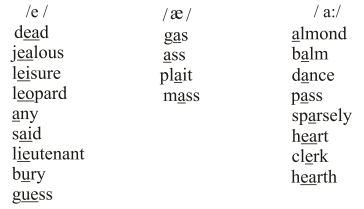
Pronunciation Practice

Say the following words aloud:
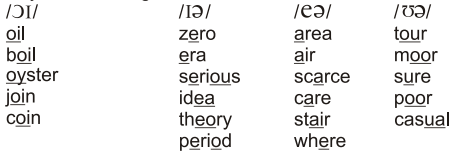
PSEB 9th Class English Main Course Book Solutions Chapter 3 Budgeting Your Time

Creative Writing and Extended Reading

1. Make a list of various virtues. Think and write how they are important for us.
2. How do you spend your leisure? Write in ten lines.

Objective Type Questions

Answer the following in one word / phrase / sentence :

Question 1.
Name the author of the chapter, ‘Budgeting Your Time’.
Answer:
D.V. Jindal.

Question 2.
What is generally considered the most important thing in life ?
Answer:
It is money.

Question 3.
Whose power is greater than that of money ?
Answer:
Time is definitely more powerful.

PSEB 9th Class English Main Course Book Solutions Chapter 3 Budgeting Your Time

Question 4.
What cannot be regained once it is lost ?
Answer:
It is time.

Question 5.
How can we make the best use of time ?
Answer:
By saving every second of our life.

Question 6.
Where is every passing moment taking us to ?
Answer:
To our grave.

Question 7.
What happens to those who are behind time?
Answer:
They are left behind others.

Question 8.
Should we blame the stars when we fail ?
Answer:
No, we ourselves are responsible for our actions.

Question 9.
What importance should we give to ‘Now or never’ ?
Answer:
We should make it our guiding principle.

Question 10.
What must we do with the time at our disposal ?
Answer:
We must budget it carefully.

Complete the following

1. ………………. makes the mare go.
2. Power of …………………. is greater than that of …………..
3. Time can ……………… or ………………. our whole future.
4. Every ……………….. in our life is important.
5. An opportunity ………………. is an ……………….. lost for ever.
6. In the chapter, ………………. put in a question to Yudhishthira.
Answer:
1. Money
2. time, money
3. make, mar
4. second
5. missed, opportunity
6. Yaksha.

Write True or False against each statement :

1. The famous proverb is ‘Time makes the mare go’.
2. Time is more powerful than money.
3. Lost time can be regained with a little effort.
4. A second, a very small unit of time, should be ignored.
5. The habit of punctuality helps us a lot.
6. Crying over the spilt milk is a sign of intelligence.
Answer:
1. False
2. True
3. False
4. False
5. True
6. False.

PSEB 9th Class English Main Course Book Solutions Chapter 3 Budgeting Your Time

Choose the correct option for each of the following :

Question 1.
Money makes the ……………. go.
(a) horse
(b) world
(c) mare
(d) universe.
Answer:
(c) mare

Question 2.
……… is not as important as time.
(a) Money
(b) Punctuality
(c) A mare
(d) A man.
Answer:
(a) Money

Question 3.
We should ……………… our time very carefully.
(a) budget
(b) while away
(c) waste
(d) fritter.
Answer:
(a) budget

Question 4.
……………… should be the guiding principle of our life.
(a) Budget-making
(b) Money
(c) Our possessions
(d) Punctuality.
Answer:
(d) Punctuality.

Use Of Textual Words /Phrases

1. Money makes the mare go —Saving money is very important as it makes the mare go.
2. Take time by the forelock — You must take time by the forelock if you want to reach the top.
3. Doyen — William Shakespeare is called as the doyen of English literature.
4. Tide — You must make use of this title, otherwise, you’ll repent.
5. Pine — It is no use pining now; you did not action time.
6. Make or mar — Some decisions are really important; they can make or mar our lives.
7. Squandered — John has squandered all the money left by his other.
8. Crucial — You must take your doctor’s advice seriously; it is crucial.
9. Prosperous —  She is the daughter of a prosperous bank officer.
10. Detrimental — Smoking is detrimental to health.

Budgeting Your Time Summary in English

Budgeting Your Time Introduction:

In this chapter, the writer brings out the importance of budgeting our time. We have to budget a thing if its availability is limited in relation to its expenditure. The time at our disposal is also very limited. But the work we have to do in our life is very long. Therefore, we must budget our time. We have to take notice of every moment that is passing. Present is the most important time to do a thing. Time once lost can never be regained. Therefore, we must be punctual in our life. Every moment is precious. Those who forget it, have to repent later when no remedy is possible.

Budgeting Your Time Summary in English:

Money is said to be the most important thing in life. Money makes the mare go. The power of money is great, but the power of time is still greater. Money once lost can be regained. But time once lost is lost for ever. If you do not make the best use of time, you are sure to be doomed. There come some moments in life that can make or mar a person’s whole future. We must take notice of such moments.
PSEB 9th Class English Main Course Book Solutions Chapter 3 Budgeting Your Time 1

They are very precious. One must act in time before it is too late. Those who take no notice of time, have to repent later when there is no remedy. Every second in life is important. Therefore, we must save every second and thus make the best use of time. Man’s life is very short. But he has a lot to do. Every moment is taking us nearer to the grave. Therefore, we must make the best use of our time.

We must be punctual in all our activities. Those who are behind time, are left behind in their life also. An opportunity missed once is missed for ever. It is no use crying over spilt milk. We should not blame the stars when we are ourselves responsible for our failure. Once Yaksha, a god, asked Yudhishthira, “What is the best time for doing a thing ?” Yudhishthira replied, “Now !” The work in hand is the most important work to do. And the present is the most important time to do it. “Now or Never must be the guiding principle in our life. We should never put off till tomorrow what we can do today.

PSEB 9th Class English Main Course Book Solutions Chapter 3 Budgeting Your Time

Life in the present age has become very fast. A slip of even a second can result in doom for us.. Therefore, every single second has its importance. Every moment of life is precious. Any carelessness towards the importance of time can prove very harmful to any society. Therefore, we must learn to budget our time. We can hope for a good tomorrow only if we know the value of today. Therefore we should never forget the value of NOW in our life.

Budgeting Your Time Summary in Hindi

Budgeting Your Time Introduction:

पाठ का संक्षिप्त परिचय इस लेख में लेखक अपने समय का हिसाब रखने के महत्त्व को दिखाता है। हमें ऐसी चीज़ का हिसाब रखना पड़ता है जिसकी उपलब्धि इसके खर्च के मुकाबले में सीमित हो। हमारे पास समय की उपलब्धि भी बहुत सीमित है। किन्तु वह काम जो हमें अपने जीवन में करना है बहुत लम्बा है। इसलिए हमें अपने समय का हिसाब अवश्य रखना चाहिए। हमें प्रत्येक पल को ध्यान में रखना होता है जो गुज़र रहा है। किसी काम को करने के लिए वर्तमान सब से महत्त्वपूर्ण समय होता है। एक बार खोए हुए समय को दोबारा कभी प्राप्त नहीं किया जा सकता है। इसलिए हमें अपने जीवन में समय का पाबन्द होना चाहिए। प्रत्येक पल कीमती होता है। वे जो इसे भूल जाते हैं, उन्हें बाद में पछताना पड़ता है जब कोई इलाज सम्भव नहीं होता।

Budgeting Your Time Summary in Hindi:

पैसे को जीवन में सब से महत्त्वपूर्ण चीज़ कहा जाता है। दाम बनाए काम। पैसे की ताकत बहुत होती है, किन्तु समय की ताकत उससे भी बड़ी होती है। पैसा एक बार खो जाए तो उसे दोबारा प्राप्त किया जा सकता है। किन्तु एक बार खोया हुआ समय सदा के लिए खो जाता है। यदि आप समय का सर्वोत्तम इस्तेमाल नहीं करेंगे, तो आपका निश्चित ही विनाश हो जाएगा। जीवन में कुछ ऐसे अवसर आते हैं जो किसी व्यक्ति के सम्पूर्ण भविष्य को बना या बिगाड़ सकते हैं। हमें ऐसे अवसरों का ज़रूर ध्यान रखना चाहिए।

वे बहुत कीमती होते हैं। व्यक्ति को समय रहते क्रिया करनी चाहिए इससे पहले कि बहुत देर हो जाए। वे लोग जो समय की तरफ कोई ध्यान नहीं देते, उन्हें बाद में पछताना पड़ता है जब वहां कोई इलाज नहीं रहता है। जीवन का हर पल महत्त्वपूर्ण होता है। इसलिए हमें प्रत्येक पल बचाना चाहिए और इस तरह समय का सर्वोत्तम प्रयोग करना चाहिए। मनुष्य का जीवन बहुत छोटा है। किन्तु उसे बहुत काम करना होता है। हर पल हमें हमारी कब्र के नजदीक ले जा रहा होता है। इसलिए हमें अवश्य ही अपने समय का सर्वोत्तम इस्तेमाल करना चाहिए।

हमें अपनी सभी क्रियाओं में समय का पाबन्द होना चाहिए। वे लोग जो समय के पीछे रह जाते हैं, वे अपने जीवन में भी पीछे रह जाते हैं। ऐसा अवसर जो एक बार हाथ से निकल जाता है, वह सदा के लिए निकल जाता है। दूध गिर जाने पर रोने का कोई लाभ नहीं होता। हमें अपने ग्रहों को दोष नहीं देना चाहिए जब हम स्वयं ही अपनी असफलता के लिए जिम्मेदार हों। .. एक बार यक्ष जो एक देवता था, उसने युधिष्ठिर से पूछा, “कोई काम करने के लिए सर्वोत्तम समय क्या होता है..?”

युधिष्ठिर ने कहा, “अब का समय!” हाथ में लिया काम करने को सबसे महत्त्वपूर्ण काम होता है, तथा इसे करने का सबसे महत्त्वपूर्ण समय वर्तमान का होता है। ‘अभी या कभी नहीं’-यह हमारे जीवन का मुख्य सिद्धान्त होना चाहिए। हमें आज का काम कल पर कभी नहीं छोड़ना चाहिए।

PSEB 9th Class English Main Course Book Solutions Chapter 3 Budgeting Your Time

वर्तमान युग में जीवन बहुत तेज़ गति वाला हो गया है। एक पल की भी चूक हमारे लिए प्रलयकारी हो सकती है। इसलिए प्रत्येक पल का अपना ही महत्त्व होता है। जीवन का प्रत्येक पल कीमती होता है। समय के महत्त्व के प्रति कोई भी लापरवाही किसी भी समाज के लिए बहुत हानिकारक हो सकती है। हम एक प्रसन्नतापूर्ण भविष्य की केवल तब आशा कर सकते हैं यदि हम आज के महत्त्व को जानते होंगे। इसलिए हमें अपने जीवन में ‘अब’ के महत्त्व को कभी नहीं भूलना चाहिए।

Budgeting Your Time Translation in Hindi

(Page 31) Money, they say ……………. is no remedy.

कठिन शब्दार्थ-1. age old – बहुत पुरानी ; 2. regained – दोबारा प्राप्त किया जाना ; 3. Time and tide wait for none – समय और भाग्य किसी की प्रतीक्षा नहीं करते ; 4. forelock – माथे के ऊपर के बाल ; 5. take time by the forelock – समय को हाथ से निकलने न देना ; 6. destined – भाग्य में लिखा होना ; 7. doomed – सत्यानाश होना ; 8. doyen – पितामह ; 9. tide at the flood – ज्वार, उठती हुई लहर ; 10. shallows – तट के समीप कम गहरा पानी ; 11. mar – नष्ट करना ; 12. rarely – विरले ही ; 13. pine – दुःखी होना।

Text

Money, they say, is the most important thing in life. Money makes the mare go, is an age old saying. The power of money, people believe, is great. But greater still is the power of TIME. Money once lost can be regained time once lost is lost for ever. Time and tide wait for none. If you do not make the best use of time and do not take time by the forelock, you are destined to be doomed. Shakespeare, the doyen of English literature, wrote : There is a tide in the affairs of men, Which, taken at the flood, leads on to fortune; Omitted, all the voyage of their life

Is bound in shallows and in miseries. (Shakespeare : Julius Caesar) During the tough course of the journey of life, rarely comes the time which can make or mar a person’s whole future. Such a precious moment must not be allowed to go unnoticed. One must act in time before it is too late. This can be possible only if we are alive and alert to the importance of every single second in our lives. Those who waste time and let it pass unnoticed, have to repent and pine, only बिना when there is no remedy.

अनुवाद

कहते हैं कि पैसा जीवन में सबसे महत्त्वपूर्ण चीज़ होता है। दाम बनाए काम, यह एक बहुत पुरानी कहावत है। लोग ऐसा विश्वास करते हैं कि पैसे की शक्ति बहुत होती है। किन्तु उससे भी बड़ी शक्ति समय की होती है। पैसा एक बार खो जाए तो इसे फिर से प्राप्त किया जा सकता है; समय एक बार खो जाए, तो सदा के लिए खो जाता है। समय और भाग्य किसी की प्रतीक्षा नहीं करते। यदि आप समय का सर्वोत्तम इस्तेमाल नहीं करते और समय को पूरा काबू नहीं करते, तो आपका अन्तिम भाग्य में सत्यानाश ही होगा। अंग्रेजी साहित्य के पितामह शेक्सपियर ने लिखा था मनुष्यों के जीवन में एक ज्वार-भाटा आता है। जिसे यदि इसकी चरम सीमा पर पकड़ लिया जाए तो तकदीर बन जाती है। निकल जाने दिया जाए, तो उनके जीवन-रूपी पूरी यात्रा बन्ध जाती है दलदल और दुःखों में।

(शेक्सपियर के ‘जूलियस सीज़र’ से) जीवन की यात्रा के कठिन मार्ग के दौरान विरले ही कोई ऐसा अवसर होता है जो किसी व्यक्ति के पूरे भविष्य को बना सकता है या बिगाड़ सकता है। ऐसे कीमती पल को बिना ध्यान दिए निकलने नहीं देना चाहिए। व्यक्ति को अवश्य ही समय पर क्रिया करनी चाहिए, इससे पहले कि बहुत देरी हो जाए। ऐसा केवल तभी सम्भव है यदि

हम अपने जीवन में एक-एक पल के महत्त्व के प्रति सजग और सचेत हों। ऐसे लोग जो समय को नष्ट करते हैं और इसे बिना ध्यान दिए निकल जाने देते हैं, उन्हें पछताना और दुःखी होना पड़ता है, केवल जब वहां इस का कोई इलाज नहीं रहता है।

(Page 32) ‘Every second in life ….. lives today.

कठिन शब्दार्थ-1. add up to – जमा हो कर बन जाते हैं ; 2. trickle – बूंद ; 3. mickle – एक भारी मात्रा ; 4. squandered – गंवाया जाना ; 5. drain – नाली ; 6. for nothing – व्यर्थ ही ; 7. fleeting – जल्दी से भागती हुई ; 8. traverse — पार करना, तय करना ; 9. at our disposal – हमारे अधिकार में ; 10. imperative – अत्यावश्यक ; 11. available – उपलब्ध ; 12. punctual – समय का पाबन्द ; 13. crucial — निर्णायक ; 14. globalisation – वैश्वीकरण ; 15. space travel – अन्तरिक्ष यात्रा ; 16. fraction – छोटा अंश ; 17. spell – परिणाम निकलना ; 18. disaster – घोर विपत्ति ; 19. budgeting – के प्रयोग में सावधान, बचत करना ; 20. apathy – उदासीनता ; 21. detrimental – हानिकारक ; 22. bequeathe – वसीयत में देना।

PSEB 9th Class English Main Course Book Solutions Chapter 3 Budgeting Your Time

Text
Every second in life is important. Seconds add up to minutes, hours, days and months.Many a trickle makes a mickle. Why not then save every second to make the best use of time ? If you do not do that, a lot of time is squandered down the drain for nothing. Life is short and uncertain.

‘Art is long and time is fleeting,’ said a poet. We’ve a lot to do, a long road to traverse but time at our disposal is very short. Who knows when God Almighty may send a call ? In fact, every beat of our heart is taking us a step nearer to the grave. Therefore, it is imperative that one should make the best use of the time available.

One must learn to be punctual in all one’s activities. Those who are behind time, lag behind in their life too. An opportunity missed is an opportunity lost for ever. By being late, you may miss an important train, a crucial flight, a career-making job or an admission to an excellent course. It is no use crying over spilt milk or blaming the stars when you are yourself responsible for your failure.Yaksha, a god, asked Yudhishthira :

“What is the best time for doing a thing?” The wise son of Kunti said, “Now !” The work in hand is the most important work and the PRESENT is the most important time to do it. ‘Now or Never’ must be our guiding principle in life. Never put off till tomorrow, they say, what you can do today.

In this age of globalisation, super-computers and space travel, life is moving so fast that a slip of even a fraction of a second can spell doom and disaster. Every single second has, therefore, its own importance. That is why the concept of budgeting one’s time is fast catching up. Every moment of life is precious and any careless attitude or apathy towards the importance of time can prove highly detrimental to any society. We can hope for a good tomorrow only if we know the value of today. We are duty-bound to bequea the a happy and prosperous future to the coming generations. This is possible only if we know the value of NOW in our lives today.

अनुवाद

हमारे जीवन में प्रत्येक पल महत्त्वपूर्ण होता है। सैकण्ड जुड़ कर मिनट, घण्टे, दिन और महीने बन जाते हैं। बूंद बूंद से घड़ा भर जाता है। तो फिर समय का सर्वोत्तम इस्तेमाल करने के लिए प्रत्येक पल को क्यों न बचाया जाए? यदि तुम ऐसा नहीं करोगे, तो बहुत-सा समय व्यर्थ ही नाली में बह जाएगा। जीवन छोटा है और अनिश्चित ‘काम बहुत है और समय तेज़ी से भाग रहा है,’ एक कवि ने कहा था। हमें करने को बहुत काम है, एक लम्बी सड़क पार करनी है, किन्तु हमारे पास समय बहुत कम है।

कौन जानता है कि कब सर्वशक्तिमान ईश्वर बुलावा भेज दे? वास्तव में हमारे दिल की प्रत्येक धड़कन हमें एक कदम हमारी कब्र के और नज़दीक ले जा रही है। इसलिए यह अत्यावश्यक है कि व्यक्ति उपलब्ध समय का सर्वोत्तम इस्तेमाल करे। व्यक्ति को अपनी सभी क्रियाओं में समय का पाबन्द होना सीखना चाहिए। वे लोग जो समय से पीछे रह जाते | हैं, वे अपने जीवन में भी पीछे रह जाते हैं। एक बार खोया हुआ अवसर सदा के लिए खोया जाता है। देरी हो जाने से आप किसी महत्त्वपूर्ण गाड़ी, किसी निर्णायक उड़ान, किसी जीवन बना देने वाली नौकरी अथवा किसी शानदार

कोर्स में दाखिले के अवसर से चूक सकते हैं। चिड़ियों द्वारा खेत चुग लिए जाने पर रोने का अथवा ग्रहों को दोष देने का कोई लाभ नहीं होता यदि आप अपनी असफलता के लिए स्वयं ही ज़िम्मेदार हैं। यक्ष जो एक देवता था, उसने युधिष्ठिर से पूछा, “कोई काम करने के लिए सर्वोत्तम समय कौन-सा होता है?” कुन्ती के बुद्धिमान पुत्र ने कहा, “अब का समय!” जो काम हाथ में हो, वह सबसे महत्त्वपूर्ण काम होता है, तथा वर्तमान का समय इसे करने के लिए सब से महत्त्वपूर्ण समय होता है।

अभी या कभी नहीं’-हमारे जीवन का मुख्य सिद्धान्त होना चाहिए। कहते हैं कि आज का काम कल पर कभी नहीं छोड़ना चाहिए। वैश्वीकरण, सुपर-कम्प्यूटरों और अन्तरिक्ष-यात्रा के इस युग में जीवन इतनी तेज़ गति से चल रहा है कि एक सैकण्ड का कुछ अंश भी हाथ से निकल जाने पर सर्वनाश अथवा महा-विपत्ति आ सकती है। इसलिए एक-एक सैकण्ड का अपना ही महत्त्व होता है। इसी कारण अपने समय का बजट बनाने सम्बन्धी विचार ज़ोर पकड़ता जा रहा है।

PSEB 9th Class English Main Course Book Solutions Chapter 3 Budgeting Your Time

जीवन का प्रत्येक पल कीमती है तथा समय के महत्त्व के प्रति कोई भी लापरवाही वाला व्यवहार अथवा उदासीनता किसी भी समाज के लिए बहुत हानिकारक ह सकता है। हम एक अच्छे कल की केवल तब आशा कर सकते हैं यदि हमें आज के मूल्य का ज्ञान हो। हम कर्तव्य बद्ध हैं कि आने वाली पीढ़ियों के लिए एक प्रसन्नतापूर्ण और प्रगतिशील भविष्य छोड़ कर जाएं। ऐसा केवल तब सम्भव है यदि हम आज के अपने जीवनों में वर्तमान के महत्त्व को पहचानें।

English Main Course Book Class 9 Solutions PSEB Prose
The Bewitched Jacket Question Answer Class 9 English Literature Book Chapter 6 PSEB Solutions

Punjab State Board PSEB 9th Class English Book Solutions English Literature Book Solutions Chapter 6 The Bewitched Jacket Textbook Exercise Questions and Answers.

Class 9th English Literature Book Solutions Chapter 6 The Bewitched Jacket Question Answers

The Bewitched Jacket Class 9 Questions and Answers

Question 1.
Who did the author meet at a party ?
(लेखक पार्टी में किस से मिला ?)
Answer:
He met a man who looked handsome because of his clothes. The man was about forty years old.
वह एक आदमी से मिला जो अपने वस्त्रों की वजह से सुन्दर लग रहा था। उस आदमी की आयु लगभग चालीस वर्ष की थी।

Question 2.
Why was the author impressed by the man he met at the party ?
(लेखक उस आदमी से प्रभावित क्यों हुआ था जिसे वह पार्टी में मिला था ?)
Answer:
The man looked handsome because of his clothes. He seemed to be a gentle person. That was why the author was impressed by him.
वह आदमी अपने वस्त्रों की वजह से सुन्दर लगता था। देखने में वह एक भद्र पुरुष प्रतीत होता था। इसी कारण लेखक उस से प्रभावित हो गया।

PSEB 9th Class English Literature Book Solutions Chapter 6 The Bewitched Jacket

Question 3.
Where did the author get his suit made ?
(लेखक ने अपना सूट कहां से बनवाया ?)
Answer:
He got it made by a tailor named Alfonso Corticella. The tailor lived at via Ferrarà
उसने यह एलफान्सो कोर्टिसेला नामक दर्जी से बनवाया। वह दर्जी मध्यमार्ग फैरारा 17 में रहता था।

Question 4.
Why was the author not keen to wear the suit ?
(लेखक सूट पहनने को उत्सुक क्यों नहीं था ?)
Answer:
The author did not know the why of it. It was only an inner feeling. He did not feel like wearing the suit.
लेखक को इस का कारण पता नहीं था। यह केवल एक अन्दर की भावना थी। उसका सूट पहनने को मन नहीं करता था।

Question 5.
What did the author find in the right pocket of the jacket ? What happened after that ?
(लेखक को जैकट की दाईं जेब में क्या मिला। उसके बाद क्या हुआ ?)
Answer:
He found there a ten-thousand-lira note. He thought the tailor might have put it there and forgotten about it. But then he put his hand into the pocket again. This time he found there another ten-thousand-lira note. He turned as pale as death.

उसे वहां दस हज़ार लियर का एक नोट मिला। उसने सोचा कि दर्जी ने शायद इसे वहां रखा हो और फिर भूल गया हो। किन्तु फिर उसने दोबारा अपना हाथ जेब में डाला। इस बार उसे वहां दस हजार लियर का एक दूसरा नोट मिला। वह एक मरे हुए आदमी के जैसा पीला पड़ गया।

PSEB 9th Class English Literature Book Solutions Chapter 6 The Bewitched Jacket

Question 6.
Why did the author not return the money to the tailor ?
(लेखक ने दर्जी को पैसे वापस क्यों नहीं किए ?)
Answer:
The author soon realized that the money did not belong to the tailor. There was something magical about the jacket. Every time he put his hand into the right pocket, he found there a banknote of ten thousand lira. Thus there was no question of returning the money to the tailor.

लेखक को शीघ्र ही महसूस हो गया कि पैसे दर्जी के नहीं थे। जैकट में कोई जादुई बात थी। हर बार जब वह दाईं जेब में अपना हाथ डालता तो वहां उसे दस हजार लियर का नोट मिल जाता। इस प्रकार दर्जी को पैसे वापस करने का वहां कोई प्रश्न ही नहीं था।

Question 7.
What did the author do after coming home ?
(लेखक ने घर लौटने के बाद क्या किया ?)
Answer:
The author shut the doors and lowered the blinds. He started taking out notes from his jacket. The pocket was never empty. There was a heap of notes. The author counted them. They were: 58 million lire. He hid them in an old trunk.

लेखक ने दरवाज़े बन्द कर दिए और पर्दे नीचे गिरा दिए। उसने अपने जैकट में से नोट निकालने शुरू कर दिए। जेब कभी खाली न हुई। वहां नोटों का एक ढेर लग गया। लेखक ने उन्हें गिना। वे 58 मिलियन लियर थे। उसने इन्हें एक पुराने ट्रंक में छिपा दिया।

Question 8.
Why did the author buy another suit ?
(लेखक ने दूसरा सूट क्यों खरीदा ?)
Answer:
The author did not want his maid to know of the bewitched jacket. So he bought another suit of the same kind. He left it to the care of the maid.

लेखक नहीं चाहता था कि नौकरानी को जादुई जैकट का पता चले। इसलिए उसने उसी तरह का एक दूसरा सूट खरीद लिया। उसने यह नौकरानी की देख-रेख में छोड़ दिया।

Question 9.
What did the author do with the money ?
(लेखक ने पैसों का क्या किया ?)
Answer:
He hid it in an old trunk.
उसने ये एक पुराने ट्रंक में छिपा दिए।

Question 10.
Did the author know that there was a connection between the ill-gotten money and the bad happenings ?
(क्या लेखक जानता था कि बुरे ढंग से प्राप्त किए पैसे और बुरी घटनाओं के बीच कोई सम्बन्ध था ?)
Answer:
Yes, he did have such a feeling. Every time he drew money from the pocket, something bad happened in the world.
हां, लेखक को इस तरह की भावना अवश्य महसूस होती थी। हर बार जब वह जेब में से पैसे निकालता, तो संसार में कोई बुरी घटना घट जाती।

Question 11.
Why did the author still want more money ?
(लेखक अब भी और पैसे क्यों चाहता था ?)
Answer:
The more one has, the more one wants. It is a universal truth.
किसी आदमी के पास जितना ज़्यादा होता है, वह उतना ही और ज़्यादा चाहता है। यह एक स्थाई सच्चाई है।

Question 12.
Why did the author decide to destroy the jacket ? What happened when he was destroying it?
(लेखक ने जैकट को नष्ट क्यों किया ? तब क्या हुआ जब वह इसे नष्ट कर रहा था ?)
Answer:
Every time he drew money from the jacket, something bad happened in the world. The author could bear it no longer. That was why he decided to destroy the jacket. While he was destroying it, he heard a human voice. It said, “Too late, too late !” But he could see none there.

हर बार जब वह जैकट में से पैसे निकालता, संसार में कोई बुरी घटना हो जाती। लेखक इसे और अधिक सहन न कर सका। इसी कारण उसने जैकट को नष्ट करने का फैसला कर लिया। जब वह इसे नष्ट कर रहा था, तो उसे एक मानव आवाज़ सुनाई दी। यह कह रही थी, “अब बहुत देर हो गई है, बहुत देर !” किन्तु उसे वहां कोई भी दिखाई न दिया।

Question 13.
Do you think the author was a happy man after getting rid of the jacket ? Why ?
(क्या आप समझते हैं कि जैकट से छुटकारा पाने के बाद लेखक एक प्रसन्न व्यक्ति था ? क्यों ?)
Answer:
The author was still sad and worried. He feared that someday the tailor would come to his house and ask for the payment.
लेखक अब भी उदास और चिन्तित था। उसे भय था कि किसी दिन दर्जी उसके घर आ जाएगा और उससे पैसे के भुगतान की मांग करेगा।

Objective Type Questions

Answer the following in one word / phrase / sentence :

Question 1.
Who is the writer of the story, ‘The Bewitched Jacket’ ?
Answer:
Dino Buzzati.

PSEB 9th Class English Literature Book Solutions Chapter 6 The Bewitched Jacket

Question 2.
What kind of a story is ‘The Bewitched Jacket’ ?
Answer:
A mystery story.

Question 3.
What was the age of the man the author met at a party?
Ans:
About forty years.

Question 4.
Who made the author’s suit ?
Answer:
A cailor named Alfonso Corticella.

Question 5.
Did the author feel like wearing the suit ?
Answer:
No, he didn’t.

Question 6.
What is lira ?
Answer:
Lira used to be an Italian unit of money.

Question 7.
What was found in the right pocket of the jacket?
Answer:
A ten-thousand lira note.

Question 8.
Where did the writer hide the money ?
Answer:
In an old trunk.

Question 9.
What happened every time the writer drew money from the pocket of the jacket?
Answer:
Something bad happened in the world.

Question 10.
What happened when the author was destroying the jacket?
Answer:
A human voice was heard.

PSEB 9th Class English Literature Book Solutions Chapter 6 The Bewitched Jacket

Complete the following:

1. The author shut the door and …………………. the blinds.
2. There was news of a bank …… in the newspapers.
3. A bank’s ………………. car was carrying money to the main office.
4. An …………………. of 58 million lire was looted.
5. A terrible fire had destroyed a …………
6. The narrator took a car and went to a …………….. place.
Answer:
1. lowered
2. robbery
3. armoured
4. amount
5. warehouse
6. hilly.

Write True or False against each statement :

1. The writer went to a reception party in Rome.
2. The name of the tailor was Alfonso Corticella.
3. The tailor himself came to take the measurements.
4. The first time, narrator found 59 million lire.
5. The maid came in the morning.
6. In the morning papers, there was news of a bank inauguration.
Answer:
1. False
2. True
3. True
4. False
5. True
6. False.

Choose the correct option for each of the following:

Question 1.
Who did the narrator meet at a reception in Milan ?
(a) A film star.
(b) A doctor.
(c) A man of about forty.
(d) Bill Clinton.
Answer:
(c) A man of about forty.

PSEB 9th Class English Literature Book Solutions Chapter 6 The Bewitched Jacket

Question 2.
The tailor lived at ……………
(a) via Ferrara 18
(b) via Ferrara 17
(c) via Ferrara 19
(d) via Ferrara 15
Answer:
(b) via Ferrara 17

Question 3.
The author rang up his ……
(a) secretary
(b) sister
(c) brother
(d) teacher
Answer:
(a) secretary

Question 4.
The narrator arrived at a valley in ……….
(a) the Alps
(b) the Himalayas
(c) the Shivalik hills
(d) Dehradun.
Answer:
(a) the Alps

The Bewitched Jacket Summary in English

The Bewitched Jacket Introduction:

It is a mystery story. The narrator meets a stranger at a party. The stranger is wearing nicely tailored clothes. The narrator asks him the name of the tailor. He goes to the same tailor and orders a suit for himself. When the narrator asks him its price, the tailor says that there is no hurry. After three weeks, the narrator gets his suit.

It is a jacket, a pair of trousers and a vest. By chance, the narrator puts his hand in the right pocket of the jacket. He finds in it a ten thousand lira note. The narrator thinks that the tailor must have put it there and forgotten about it. But he is surprised when the same thing happens every time he puts his hand in the pocket. In one night, he collects 58 million lire.

But the next morning there is news of a bank robbery of 58 million. The narrator is filled with fear. Still he works the next night and collects 135 million. This time there is news of a big fire in which more than 135 million is lost in cash. The narrator notes that every time he collects money from his pocket, something bad happens in the world. However, he grows very rich. He buys a big villa and has big automobiles. He has a good amount of money in his bank also. But then one morning, it is found that an old woman has committed suicide.

PSEB 9th Class English Literature Book Solutions Chapter 6 The Bewitched Jacket

She lived in the same building in which the narrator had lived for a long time. She commits suicide because she had mislaid her monthly pension of 30 thousand lire. The same amount of money the narrator had collected from his pocket the day before. He can bear it no longer and doesn’t want to keep the jacket with him. He goes to a hilly place and burns the jacket. When he comes back, he finds that his car, his villa and his bank balance have all disappeard. Now he fears that someday the cursed tailor will come and ask for his bill.

Note : Lira used to be an Italian unit of money, the plural form of which was lire.

The Bewitched Jacket Summary in English

One night the narrator met a man about forty years old. The man looked handsome because of his clothes. The narrator did not know who he was. He had met him for the first time. But he praised him for his clothes. The man seemed to be a gentle person, but looked a little sad. The narrator liked his clothes so much that he asked him who his tailor was.

The man smiled curiously. He said that nearly no one knew that tailor, yet he was a great master. The narrator asked him if he was an expensive tailor. At this the stranger replied, “I don’t know. He made me this suit three years ago, and still he has not sent me the bill.” He told the narrator that the tailor’s name was Alfonso Corticella and that he lived at via Ferrara. The narrator found out the tailor’s house. He was a little old man. His hair was dyed black.

The narrator asked him to make him a suit. The tailor selected a piece of cloth for the narrator and took his measurements. He offered to come to the narrator’s house for the fitting. When the narrator asked him the price, the tailor said that there was no hurry. The narrator got the suit after three weeks. It was a masterpiece but he did not feel like wearing it. It was only after some weeks that he decided to wear it. It was a Tuesday in April and it was raining. The narrator says that he will never forget that day.

PSEB 9th Class English Literature Book Solutions Chapter 6 The Bewitched Jacket

The narrator was at his office. He put his hand into the pocket of his jacket. There was a piece of paper in it. The narrator thought it was the tailor’s bill. But when he took it out, it was a ten-thousand-lira note. The narrator thought the tailor might have put it there and then forgotten about it. So he called his secretary to write a letter to the tailor. But before the secretary came, he had felt another piece of paper in his pocket. He turned as pale as death.

In the meantime, the secretary came in. She asked the narrator if he was feeling ill. The narrator said it was just a little dizziness. He sent her back saying that he would dictate the letter later. When she had gone, he took out the piece of paper from his pocket. It was another ten-thousand-lira note. Then he tried a third time. And a third banknote came out.

The narrator left the office and went home. He shut the doors and lowered the blinds. He started taking out the notes. There was a heap of notes before him. He counted them. There were 58 million lire. He emptied an old trunk and hid the money in it.

The maid came in the morning. She saw the narrator in bed wearing a suit. She looked surprised. The narrator told her that he had drunk a little too much the night before. The maid asked the narrator to take off the suit so that she could brush it. But the narrator said that he had to go out immediately and had no time to change. He went to a garment store and bought another suit of the same kind. He decided to leave this one in the maid’s care, and hide the other one in a safe place.

But there was news in the morning papers which dampened his joy. There was news of a bank robbery. A bank’s car was carrying money to the main office. Four criminals stopped it and killed a man. They took away all the money. It was 58 million lire. This incident left the narrator a little confused. But the same evening he set to work again. He was already rich but he wanted to become richer. This time he got 135 million.

In the morning papers, there was again news. A terrible fire had destroyed a warehouse in which more than 135 million were lost in cash. Two firemen were also killed while putting out the fire. The narrator now knew that the money in his pocket was coming from crimes, blood and death. But he didn’t blame himself for it. He continued drawing more and more money from his jacket. He bought a huge villa and had big automobiles to drive around.

One morning, an old woman was found dead in the same building where the narrator had lived for many years. She had killed herself because she had mislaid her monthly pension of 30 thousand lire. The narrator had drawn the same amount from his jacket a day before. He realised that every time he drew money from his pocket, there was something bad in the world. He could bear it no longer. He decided to destroy his jacket.

PSEB 9th Class English Literature Book Solutions Chapter 6 The Bewitched Jacket

The narrator took his car and went to a hilly place. There he burnt the jacket to ashes. As the flames were dying out, he heard a human voice. It said, “Too late, too late !” The narrator tried to find who it was, but he could see none there.

However, he was happy that he had got rid of the jacket. But when he came back he saw that his car, his villa and his savings account had disappeared. There was nothing but dust in the old trunk. He became sad and worried. But no one took any notice of him. He had a constant fear that some day the cursed tailor would come and ask for the payment of his bill.

The Bewitched Jacket Summary in Hindi

The Bewitched Jacket Introduction:

कहानी का संक्षिप्त परिचय यह एक रहस्य-कथा है। वर्णनकर्ता एक पार्टी में किसी अजनबी से मिलता है। अजनबी सुन्दर ढंग से सिले वस्त्र पहने हुए है। वर्णनकर्ता उससे दर्जी का नाम पूछता है। वह उसी दर्जी के पास जाता है और अपने लिए एक सूट का आर्डर देता है। जब वह उसे इसकी कीमत पूछता है तो दर्जी कह देता है कि इसकी कोई जल्दी नहीं है। तीन सप्ताह के बाद वर्णनकर्ता को अपना सूट प्राप्त हो जाता है। यह एक जैकट, एक पतलून और एक वास्कट है।

अचानक वर्णनकर्ता अपना हाथ वास्कट की दाईं जेब में डालता है। उसे इसमें दस हजार लियर का एक नोट मिलता है। वर्णनकर्ता समझता है कि यह दर्जी ने वहां रखा होगा और फिर इसके बारे में भूल गया होगा। किन्तु वह चकित रह जाता जब हर बार वैसा ही होता है जब वह अपना हाथ जेब में डालता है। एक रात में वह जेब से 58 मिलियन लियर निकाल लेता है। किन्तु अगली प्रातः वहां 58 मिलियन लियर की बैंक डकैती का एक समाचार छपता है।

वर्णनकर्ता भय से भर जाता है। फिर भी वह अगली रात वही काम करता है और 135 मिलियन इकट्ठे कर लेता है। इस बार एक बड़ी आग लगने का समाचार मिलता है जिसमें 135 मिलियन से ज़्यादा की नगद राशि नष्ट हो जाती है। वर्णनकर्ता देखता है कि हर बार जब वह अपनी जेब से पैसे इकट्ठे करता है तो संसार में कोई बुरी घटना हो जाती है। तो भी वह बहुत धनी हो जाता है। वह एक बड़ा बंगला खरीद लेता है और उसके पास बड़ी-बड़ी गाड़ियां हो जाती हैं। उसके पास बैंक में भी भारी रकम जमा हो जाती है। किन्तु फिर एक प्रातः पता चलता है कि एक बूढ़ी औरत ने आत्महत्या कर ली है। वह उसी इमारत में रहती थी जिसमें वर्णनकर्ता एक लम्बे समय तक रहता रहा था।

PSEB 9th Class English Literature Book Solutions Chapter 6 The Bewitched Jacket

वह आत्महत्या कर लेती है क्योंकि वह तीस हज़ार लियर की अपनी मासिक पेन्शन कहीं रख कर भूल जाती है। उतनी ही धन-राशि लेखक ने एक दिन पहले अपनी जेब से इकट्ठी की थी। वह इसे और अधिक सहन नहीं कर पाता है। और अब वह जैकट अपने पास नहीं रखना चाहता है। वह एक पहाड़ी जगह पर चला जाता है और जैकट को जला देता है। जब वह वापस आता है तो देखता है कि उसकी कार, उसका बंगला और उसकी बैंक में बचत-राशि सब गायब हो गए हैं। अब उसे भय होने लगता है कि वह घृणित दर्जी एक दिन आ जाएगा और उससे अपने बिल की राशि मांगेगा। नोट-लियर इतालवी मुदा की एक इकाई होती थी, जिसका बहुवचन भी लियर ही होता था।

The Bewitched Jacket Summary in Hindi

एक रात वर्णनकर्ता एक चालीस वर्षीय आदमी से मिला। वह आदमी अपने वस्त्रों की वजह से सुन्दर लग रहा था। वर्णनकर्ता उसे नहीं जानता था। वह उससे पहली बार मिला था। परन्तु उसने उस आदमी के वस्त्रों की प्रशंसा की। वह आदमी एक भद्र पुरुष लगता था, परन्तु वह थोड़ा उदास प्रतीत होता था। वर्णनकर्ता को उसके वस्त्र इतने अच्छे लगे कि उसने उससे पूछा कि उसका दर्जी कौन था। वह आदमी अजीब ढंग से मुस्कराया। उसने कहा कि उस दर्जी के बारे में लगभग कोई नहीं जानता था, फिर भी वह एक महान् कारीगर था। वर्णनकर्ता ने पूछा कि क्या वह एक महंगा दर्जी था। इस पर उस अजनबी ने उत्तर दिया, “मुझे मालूम नहीं। उसने तीन वर्ष पूर्व मेरा यह सूट बनाया था, और उसने अभी तक मुझे बिल नहीं भेजा है।” उसने लेखक से कहा कि दर्जी का नाम एल्फान्सो कोर्टिसेला था और वह मध्य मार्ग फेरारा 17 में रहता था।

वर्णनकर्ता ने दर्जी का घर ढूंढ निकाला। वह छोटे कद का एक बूढ़ा आदमी था। उसने अपने बाल काले रंगे हुए थे। वर्णनकर्ता ने उससे कहा कि वह उसके लिए एक सूट बना दे। दर्जी ने वर्णनकर्ता के लिए एक कपड़ा चुना और उसका नाप लिया। उसने फिटिंग जांचने के लिए वर्णनकर्ता के घर आने की पेशकश की। जब वर्णनकर्ता ने उससे पैसों का पूछा तो उसने कहा उसकी कोई जल्दी नहीं थी।

वर्णनकर्ता को तीन सप्ताह बाद सूट मिल गया। यह एक अत्युत्तम कलाकृत्ति था परन्तु वर्णनकर्ता का उसे पहनने का मन न हुआ। यह कुछ सप्ताहों बाद ही हुआ कि उसने उसे पहनने का निश्चय किया। यह अप्रैल में मंगलवार का दिन था और उस दिन बरसात हो रही थी। वर्णनकर्ता कहता है कि उस दिन को वह कभी भूल नहीं पाएगा। वर्णनकर्ता अपने दफ्तर में था। उसने जैकट की जेब में अपना हाथ डाला। उसमें कागज़ का एक टुकड़ा

PSEB 9th Class English Literature Book Solutions Chapter 6 The Bewitched Jacket

था। वर्णनकर्ता ने सोचा कि यह दर्जी का बिल होगा। परन्तु जब उसने इसे बाहर निकाला तो यह एक दस हज़ार लियर का नोट था। वर्णनकर्ता ने सोचा कि शायद दर्जी ने उसे वहां डाल दिया होगा और फिर उसके बारे में भूल गया होगा। इसलिए दर्जी को पत्र लिखने के लिए उसने अपनी सेक्रेटरी को बुलाया। परन्तु इससे पहले कि सेक्रेटरी आती उसे अपनी जेब में कागज़ का एक अन्य टुकड़ा महसूस हुआ। उसका रंग एक मुर्दे के जैसा पीला पड़ गया। तभी सेक्रेटरी वहां आ गई। उसने वर्णनकर्ता से पूछा कि क्या वह स्वयम् को बीमार महसूस कर रहा था।

वर्णनकर्ता ने कहा कि वह थोड़ी थकावट अनुभव कर रहा था। उसने उसे यह कहकर वापस भेज दिया वह पत्र थोड़ी देर बाद लिखवा लेगा। जब वह चली गई तो उसने अपनी जेब से कागज़ का वह टुकड़ा निकाला। यह दस हज़ार लियर का एक और नोट था। फिर उसने ऐसा तीसरी बार किया और तीसरा नोट जेब से निकल आया। वर्णनकर्ता दफ़्तर से घर चला आया। उसने दरवाज़े बन्द कर लिए और पर्दे नीचे गिरा दिए। उसने नोट निकालने शुरू कर दिए। उसके सामने नोटों का ढेर लग गया। उसने उन्हें गिना। ये 58 मिलियन लियर थे। उसने एक पुराना ट्रंक खाली किया और पैसों को उसमें छिपा दिया।

प्रातः उसकी नौकरानी आ गई। उसने वर्णनकर्ता को बिस्तर में सूट पहने लेटा देखा। यह देखकर उसे हैरानी हुई। वर्णनकर्ता ने उसे कह दिया कि वह रात को कुछ ज्यादा ही पी गया था। नौकरानी ने वर्णनकर्ता से कहा कि वह सूट उतार कर उसे दे दे ताकि वह उस पर ब्रश मार दे। परन्तु वर्णनकर्ता ने उससे कहा कि उसे अभी बाहर जाना था और उसके पास कपड़े बदलने का समय नहीं था। वह एक कपड़ों की दुकान पर गया और उसी तरह का एक सूट खरीद लाया। उसने फैसला किया कि वह इसे नौकरानी की देखभाल में छोड़ देगा, और दूसरे को किसी सुरक्षित स्थान पर छिपा देगा।

परन्तु सुबह के समाचार-पत्रों में एक ऐसी खबर थी जिसने उसकी खुशी ठण्डी कर दी। यह एक बैंक डकैती की खबर थी। बैंक की एक गाड़ी मुख्य दफ्तर की ओर पैसे लेकर जा रही थी। चार अपराधियों ने उसे रोका और एक आदमी को मार डाला। वे सारा पैसा ले गए। यह 58 मिलियन लियर थे। इस घटना से वर्णनकर्ता थोड़ी दुविधा में पड़ गया। परन्तु उसी शाम वह दोबारा उसी काम पर लग गया। वह पहले ही धनी बन चुका था परन्तु वह और धनी बनना चाहता था। इस बार उसे 135 मिलियन प्राप्त हुए।

PSEB 9th Class English Literature Book Solutions Chapter 6 The Bewitched Jacket

सुबह के समाचार-पत्रों में फिर एक खबर आई। एक भयानक आग ने एक गोदाम को तबाह कर दिया था जिसमें 135 मिलियन से ज्यादा नगदी नष्ट हो गई। दो आग बुझाने वाले कर्मचारी भी आग बुझाते समय मारे गए थे। अब वर्णनकर्ता जान गया था कि उसकी जेब में पैसा अपराधों, खून और मृत्यु से आ रहा था। परन्तु उसके लिए उसने स्वयम् को दोषी न ठहराया। वह अपनी जेब से पैसे निकालता ही चला गया। उसने एक बड़ासा बंगला खरीदा और घूमने-फिरने के लिए बड़ी-बड़ी गाड़ियां ले ली।

एक प्रातः उसी इमारत में एक बूढ़ी औरत मरी हुई पाई गई जहां लेखक अनेक वर्षों तक रहा था। उसने आत्महत्या कर ली थी क्योंकि उसने अपनी 30 हज़ार लियर की अपनी मासिक पेंशन कहीं खो दी थी। वर्णनकर्ता ने उतनी ही रकम एक दिन पहले अपनी जैकट से निकाली थी। उसने अनुभव किया कि जब भी वह अपनी जेब से पैसे निकालता था तो संसार में कुछ बुरा हो जाता था। वह उसे और अधिक सहन नहीं कर सकता था। वर्णनकर्ता ने अपनी कार ली और एक पहाड़ी स्थान पर चला गया। वहां उसने जैकट को जलाकर राख कर दिया। जब ज्वालाएं शान्त हो रही थीं तो उसने एक मानव की आवाज़ सुनी। उसने कहा, “अब बहुत देर हो चुकी है।” वर्णनकर्ता ने यह जानने की कोशिश की कि यह किसकी आवाज़ थी, परन्तु उसे वहां कोई दिखाई न दिया।

फिर भी वह खुश था कि उसे जैकट से छुटकारा मिल गया था। परन्तु जब वह वापस घर आया तो उसने देखा कि उसकी कार, उसका बंगला और उसके सब बैंक खाते गायब हो चुके थे। उसके पुराने ट्रंक में धूल के अतिरिक्त और कुछ नहीं था। वह उदास और चिन्तित हो गया। परन्तु किसी ने उसकी कोई परवाह नहीं की। अब उसके मन में यह निरन्तर भय बना रहता था कि किसी दिन बह घृणित दर्जी आएगा और अपने बिल के पैसे मांगेगा।

The Bewitched Jacket Translation in Hindi

(Page 46)

कठिन शब्दार्थ-1. bewitched—जादुई, अभिशप्त; 2. unexpected—अप्रत्याशित; 3. reception–स्वागत पार्टी; 4. complimented—प्रशंसा की; 5. curiously-विचित्र ढंग से; 6. expensiveमहंगा; 7. imagineकल्पना करना, विचार से; 8. swear-कसम खाना।

अनुवाद-एक रात (इटली के नगर) मिलन में एक स्वागत समारोह के दौरान मैं लगभग चालीस वर्ष की आयु के एक आदमी से मिला जो अपने वस्त्रों की वजह से देखने में सुन्दर लगता था। मैं नहीं जानता कि वह कौन था, मैं उससे पहली बार मिल रहा था, तथा प्रारम्भ में, जैसा कि सदा होता है, उसका नाम जानना असम्भव था। किन्तु कुछ समय के बाद मैंने उसे अपने समीप पाया, और हम बातें करने लगे। वह एक भद्र पुरुष प्रतीत होता था, किन्तु वह कुछ उदास लगता था। मैंने उसके वस्त्रों के लिए उसकी प्रशंसा की, और मैंने उससे पूछा कि उसका दर्जी कौन था। वह अजीब ढंग से हंस दिया, मानो वह जानता ही था कि मैं उससे यह प्रश्न पूछूगा।

‘उसे लगभग कोई नहीं जानता है,’ उसने कहा। ‘फिर भी वह एक महान् कारीगर है।’ ‘क्या मैं……. ?’ ‘हां, कोशिश कर लीजिए। उसका नाम कोर्टिसेला है, एल्फान्सो कोर्टिसेला, मध्यमार्ग फेरारा 17 पर।’ ‘बहुत महंगा होगा, मेरे विचार से।’

‘ऐसा मानता हूं, किन्तु क़सम से मुझे पता नहीं है। उसने मेरा यह सूट तीन वर्ष पहले बनाया था, और अब तक उसने मुझे अपना बिल नहीं भेजा है,’ उसने उत्तर दिया। ‘कोर्टिसेला, मध्यमार्ग फेरारा 17, क्या आपने ऐसा ही कहा था ?’ मैंने पूछा। ‘बिल्कुल यही,’ अजनबी ने उत्तर दिया। और वह मुझे छोड़ कर लोगों के एक अन्य समूह से जा मिला।

PSEB 9th Class English Literature Book Solutions Chapter 6 The Bewitched Jacket

(Page 46-47)

कठिन शब्दार्थ-1. measurements – नाप; 2. vest—वास्कट; 3. masterpiece – सर्वोत्तम कलाकृत्ति; 4. lira – मुद्रा की एक भूतपूर्व इतालवी इकाई; 5. counterfier – जाली, नकली; 6. wallet-बटुआ।

अनुवाद-मध्य मार्ग फेरारा 17 पर मुझे वह मकान मिल गया। दर्जी स्वयं मुझे अन्दर ले जाने के लिए आया। वह छोटे कद का एक बूढ़ा आदमी था जिसने अपने बालों को काला रंग कर रखा था। मैंने उसे बताया कि उसका पता मुझे कैसे मालूम पड़ा था, उसकी कपड़ा-कटाई की मैंने प्रशंसा की, और उससे कहा कि मेरे लिए एक सूट बना दे। उसने सलेटी रंग का ऊनी कपड़ा चुना, फिर उसने मेरा नाप लिया, तथा स्वयं ही कहा कि वह फिटिंग को जांचने के लिए मेरे घर पर आ जाएगा।

मैंने उससे इसकी कीमत पूछी। ‘कोई जल्दी नहीं है,’ उसने ऐसा उत्तर दिया। ‘कितना अच्छा आदमी है!’ मैंने पहले ऐसा सोचा। किन्तु जब मैं घर लौट रहा था तो मुझे अनुभव हुआ कि उस बूढ़े आदमी ने मुझे बेचैन बना दिया था। (शायद उसकी बहुत ज्यादा स्नेहपूर्ण मुस्कराहटों की वजह से।) संक्षेप में उसे दोबारा मिलने की मेरी कोई इच्छा नहीं थी। किन्तु अब सूट का आर्डर दिया जा चुका था तथा तीन सप्ताह के पश्चात् यह तैयार हो गया।

जब वे इसे मेरे पास ले कर आए, तो मैंने इसे पहन कर देखा (जैकट, पतलून और वास्कट) शीशे के सामने खड़ा होकर। यह एक अत्युत्तम काम था। फिर भी, पता नहीं क्यों, इसे पहनने को मेरा मन नहीं था तथा कई सप्ताह बीत गए, इससे पहले कि मैं इसे पहनने का निर्णय कर पाता।

वह दिन मैं कभी नहीं भूलूंगा। यह अप्रैल महीने का एक मंगलवार का दिन था तथा वर्षा हो रही थी। जब मैंने सूट पहना तो मुझे प्रसन्नता हुई क्योंकि यह मुझे बहुत अच्छे तरह से ठीक बैठा था। नियमतः मैं वास्कट की दाईं जेब में कोई चीज़ नहीं डालता हूं; बाईं वाली जेब में मैं अपना कार्ड रखता हूं। दफ्तर में कुछ घण्टों के बाद मैंने दाईं जेब में अपना हाथ डाला। मैंने देखा कि वहां इसमें कागज़ का एक टुकड़ा था। क्या यह दर्जी का बिल था ?

नहीं। यह. दस हज़ार इतालवी लियर का एक नोट था। मैं चकित रह गया। निश्चय ही मैंने इसे वहां नहीं डाला था। मैंने उस नोट को ध्यानपूर्वक देखा। क्या यह कोई नकली नोट था ? मैंने इसे रोशनी में देखा। मैंने इसे दूसरे नोटों के साथ मिला कर देखा। वहां कोई अन्तर नहीं था। मैंने सोचा कि यह अवश्य ही कोर्टिसेला का होगा। शायद कोई ग्राहक भुगतान करने आया होगा। तब उस समय दर्जी के पास अपना बटुआ नहीं रहा होगा, इसलिए उसने पैसे मेरी जैकट में डाल दिए होंगे जो शायद समीप ही लटक रही थी। ऐसी बातें हो जाती हैं। मैंने अपने सेक्रेटरी को फोन किया। मैं कोर्टिसेला को एक पत्र लिखना चाहता था, वे पैसे वापस करने के .. लिए जो मेरे नहीं थे। फिर भी (और मैं कह नहीं सकता कि मैंने ऐसा क्यों किया) मैंने अपना हाथ दोबारा जेब में डाल दिया।

‘क्या कोई परेशानी है, श्रीमान् ? क्या आप अस्वस्थ महसूस कर रहे हैं ?’ मेरी सेक्रेटरी ने पूछा। मैं शायद एक मुर्दे के जितना पीला पड़ गया था। मेरी जेब में मेरी अंगुलियों ने कागज़ के एक दूसरे टुकड़े को छुआ – जो कुछ मिनट पहले वहां नहीं था।

PSEB 9th Class English Literature Book Solutions Chapter 6 The Bewitched Jacket

(Page 48-49)

कठिन शब्दार्थ-1. dizziness—चक्कर आना ; 2. dictate-लिखवाना ; 3. mysterious-रहस्यमय; 4. maid-नौकरानी ; 5. blinds-पर्दे ; 6. miracle-चमत्कार ; 7. diminished—कम हो गया।

अनुवाद-‘नहीं, नही, कोई बात नहीं है,’ मैने कह दिया, ‘थोड़ा सिर भारी हो रहा था। कभी-कभी मेरे साथ ऐसा हो जाता है। शायद मैं थोड़ा थक गया हूं। अब तुम जा सकती हो। प्रिय, मैं एक पत्र लिखवाना चाहता था, किन्तु हम इसे बाद में कर लेंगे।’ केवल अपनी सेक्रेटरी के चले जाने के बाद मैंने अपनी जेब में से कागज़ का वह टुकड़ा निकाला। यह एक अन्य एक हज़ार लियर का नोट था। फिर मैंने तीसरी बार करके देखा। और एक तीसरा नोट निकल आया। मेरा दिल ज़ोर-ज़ोर से धड़कने लगा। यह एक रहस्यमय बात थी।

एक परी-कथा की भांति, जिस पर विश्वास करना कठिन था। मैं दफ्तर छोड़ कर घर चला गया। मैं अकेले बैठना चाहता था। सौभाग्यवश मेरी नौकरानी पहले ही जा चुकी थी। मैंने दरवाजे बन्द कर दिए और पर्दे गिरा दिए। मैं एक-के-बाद-एक करके, नोट निकालने लगा, बहुत जल्दी-जल्दी। मेरी जेब कभी खाली नहीं होती थी। मैं ऐसा बार-बार करता गया, यह भय लिए हुए कि यह अजूबा कभी भी समाप्त हो सकता था। मैं इसे दिन-रात जारी रखना चाहता था, जब तक कि मेरे पास लाखों न हो जाते। किन्तु एक समय पर आ कर (नोटों के) प्रवाह की गति कम हो गई।

(Page 49)

कठिन शब्दार्थ-1. heap-ढेर ; 2. amazed-आश्चर्य-चकित ; 3. sigh of relief-राहत की सांस ; 4. incident-घटना ; 5. dampened-निराश कर दिया. ; 6. robbery-डाका ; 7. armouredबख्तरबंद ; 8. superstitious-अन्धविश्वासी।

अनवाद-मेरे सामने नोटों का एक ढेर पड़ा हुआ था। ज़रूरी बात यह थी कि उन्हें छिपा दिया जाए, ताकि किसी को भी उनकी कोई भनक न पड़े। मैंने कम्बलों से भरा हुआ पुराना ट्रंक खाली किया और इसमें पैसे डाल दिए, सब से नीचे अनेक तहों में लगा कर। फिर मैंने धीरे-धीरे गिनना गुरू कर दिया। वहां 58 मिलियन (पांच करोड़ 80 लाख) लियर थे।

अगली प्रातः मैं नौकरानी के आने के बाद जागा। वह मुझे सूट पहने हुए ही बिस्तर में लेटे देखे कर हैरान रह गई। मैंने हंसने की कोशिश की, यह समझाते हुए कि बीती रात मैं कुछ ज्यादा ही पी गया था। नौकरानी ने मुझे कहा कि मैं सूट उतार दूं, ताकि वह इसे कम से कम ब्रुश मार कर झाड़ दे।

मैंने उत्तर दिया कि मुझे तुरन्त बाहर जाना था और मेरे पास वस्त्र बदलने का समय नहीं था। फिर जल्दी से मैं सिले सिलाए वस्त्र बेचने वाली एक दुकान पर गया, उसी तरह का एक दूसरा सूट खरीदने के लिए; मैंने सोचा कि मैं इस नए सूट को नौकरानी की देखरेख में छोड़ दूंगा; और ‘अपने’ वाले कोट को एक सुरक्षित जगह में छिपा दूंगा।

मुझे पता नहीं चल रहा था कि क्या मैं किसी स्वप्न में से गुजर रहा था। गली में आने पर मैं निरन्तर अपने रेनकोट (बरसाती) के नीचे वाली अपनी जेब को टटोलता रहा। हर बार मैं राहत की सांस भर लेता। मुझे वहां कागज़ का नोट महसूस हो सकता था। किन्तु एक घटना से मेरा जोश ठण्डा पड़ गया। वहां प्रातः के समाचार-पत्रों में एक बैंक-डकैती का समाचार था।

एक बैंक की बख्तरबंद गाड़ी मुख्य कार्यालय की ओर पैसे ले जा रही थी कि जब चार अपराधियों द्वारा इसे मध्यमार्ग ली पाल्मनोवा पर रोक लिया गया और इस में से सब राशि साफ़ कर दी गई। जब उस मौके पर लोग इकट्ठे हो गए तो अपराधियों में से एक ने गोलियां चलानी शुरू कर दी और एक आदमी मारा गया। किन्तु सबसे बड़ी बात, लूटी गई राशि अचम्भा पहुंचाने वाली थी-यह 58 मिलियन लियर थी !

क्या अचानक मिली मेरी दौलत और इस चोरी में कोई सम्बन्ध था जो कि लगभग एक ही समय पर घटित हुई थीं ? क्या ऐसा सोचना मूर्खता की बात है ? इससे भी ज्यादा बड़ी बात यह है कि मैं अन्धविश्वासी (वहमी) नहीं हूं, किन्तु इस घटना ने मुझे थोड़ा उलझन में डाल दिया।

PSEB 9th Class English Literature Book Solutions Chapter 6 The Bewitched Jacket

(Page 50)

कठिन शब्दार्थ-1. warehouse-माल-गोदाम ; 2. villa—देहाती बंगला ; 3. abroad-विदेश ; 4. mislaid-खो दिया ; 5. get rid of-छुटकारा पाना।

अनुवाद-व्यक्ति को जितना ज्यादा मिलता जाता है, वह उतना ही ज्यादा चाहता है। मैं पहले ही धनी बन चुका था। किन्तु मैं और भी धनी होना चाहता था। तथा उसी सायं मैं दोबारा उसी काम में लग गया। इस बार 135 मिलियन हो गए।

उस रात मैं अपनी आंखे बन्द न कर पाया। मैं उलझन में था। प्रभात होने पर मैं उछल कर बिस्तर से बाहर आ गया, अपने वस्त्र पहने, तथा समाचार-पत्र लेने के लिए भागता हुआ बाहर गया। जब मैं पढ़ रहा था तो मेरी सांस रुक गई। एक भयानक आग जो एक गोदाम में लग गई थी, उससे मध्यमार्ग सैन क्लोरा के मुख्य बाज़ार में एक इमारत का आधा हिस्सा तबाह हो गया था। आग से ज़मीन-जायदाद का कारोबार करने वाली एक बड़ी कम्पनी की तिजोरियां नष्ट हो गई थीं जिनमें 135 मिलियन से ज़्यादा नगदी पड़ी हुई थी। आग को बुझाने के दौरान दो फायरमैन भी मारे गए थे।

अब मैं जान गया कि मेरी जेब वाला पैसा कहां से आता था। अपराधों से, खून बहाने से और मौत से। किन्तु इसके लिए मैं स्वयं को दोषी ठहराने को तैयार नहीं था। मैंने अपनी जेब में से पैसे निकालने का काम जारी रखा बहुत आसान काम था। मैं अपना हाथ जेब में डाल लेता और मेरी अंगुलियां हमेशा नोटों से छू जातीं। पैसे, ईश्वरीय पैसे! मैंने शीघ्र ही एक विशाल बंगला खरीद लिया (यद्यपि मुझे पुराने मकान में ही रहते रहना ठीक लगा), मैने पेन्टिंगें खरीदी, बड़ी-बड़ी गाड़ियों में घूमा करता, तथा ‘स्वास्थ्य कारणों की वजह से’ अपनी फ़र्म को छोड़ने के बाद, अति सुन्दर औरतों के साथ पूरे संसार की यात्रा की।

मैं जान गया था कि हर बार जब मैं अपनी जेब में से पैसे निकालता तो संसार में कोई दुःखदायक घटना हो जाती थी। किन्तु फिर भी मैंने वह काम करना जारी रखा। और वह दर्जी ? मैंने बिल जानने के लिए उसे टैलीफोन किया, किन्तु किसी ने उत्तर नहीं दिया। मध्यमार्ग फैरारा पर जब मैं उसकी तलाश करने गया, तो लोगों ने मुझे बताया कि वह विदेश चला गया था, उन्हें यह पता नहीं था कि वह कहां गया था। एक प्रातः उस इमारत में जहां मैं अनेक वर्ष रहा था, यह पता चला कि एक साठ वर्षीय रिटायर हुई औरत ने आत्महत्या कर ली थी क्योंकि वह 30 हज़ार लियर की अपनी मासिक पेन्शन किसी जगह रख कर भूल गई थी, जो उसने एक दिन पहले ही प्राप्त की थी। वे पैसे अब मेरे पास थे। ‘बहुत हो चुका, बहुत हो चुका !’ मैंने सोचा। मुझे उस जैकट से छुटकारा पाना था। मैंने इसे नष्ट करने का निश्चय कर लिया।

(Page 50-52)

कठिन शब्दार्थ-1. valley-घाटी ; 2. boulder-चट्टान ; 3. terrified—भयभीत ; 4. clearing-वह जगह जहां से पेड़ काट लिए गए हों ; 5. cursed—घृणित।।

अनुवाद-कार द्वारा मैं एल्पस पर्वत की एक घाटी में आया तथा जंगल की तरफ़ चल दिया। वहां कोई भी जीवित आदमी नहीं था। मैं जंगल को पार करके एक चट्टानी जगह पर पहुंचा। यहां से विशाल पत्थरों के मध्य खड़े हो कर मैंने अपने पिठूबैग में से वह जादुई जैकट खींच कर निकाली, और इसे आग लगा दी। कुछ ही मिनटों में इसकी केवल राख बची रह गई। किन्तु जब ज्वालाएं समाप्त हो रही थीं तो मुझे किसी मानव की आवाज़ सुनाई दी। यह केवल दो या तीन मीटर दूर से आई थी। “बहुत देर; बहुत देर हो गई है!” इसने कहा। भयभीत हुए मैंने घूम कर देखा। किन्तु मुझे कोई दिखाई नहीं दिया। मैं उस आदमी की तलाश करता हुआ एक चट्टान से कूद कर दूसरी पर गया। कुछ न मिला। वहां केवल चट्टानें थीं।

भय पर काबू पाने के बाद मैं घाटी को लौट आया। मैं प्रसन्न था कि जैकट अब मेरे पास नहीं थी। आखिर मैं मुक्त हो गया था। तथा सौभाग्य से धनी। किन्तु मेरी कार उस कटे हुए पेड़ों वाली घासदार जगह पर नहीं थी। तथा नगर को लौटने के बाद मैंने देखा कि मेरा बंगला गायब हो गया था, और इसकी जगह एक खेत था जिसमें एक नोटिस लगा हुआ था- ‘नगर-निगम की बिकाऊ जगह।’ मेरे बचत खाते में कोई पैसे नहीं बचे थे। तथा मेरे पुराने ट्रंक में केवल धूल थी, धूल के सिवाय और कुछ नहीं।

PSEB 9th Class English Literature Book Solutions Chapter 6 The Bewitched Jacket

मैं जानता हूं कि यह सब अभी समाप्त नहीं हुआ है। मैंने बहुत मुश्किल से उसी जगह फिर से काम करना शुरू कर दिया। मैं उदास और चिन्तित रहता हूं, किन्तु कोई भी मेरी हालत की तरफ ध्यान नहीं देता है। मैं जानता हूं कि किसी दिन मेरे दरवाज़े की घण्टी बजेगी। मैं इसका उत्तर दूंगा और वहां मेरे सामने वह घृणित दर्जी खड़ा होगा, अपने हिसाब को अन्तिम रूप से चुकता करवाने के लिए।

Class 9 English Literature Book PSEB Supplementary Reader

The Punjab: A Glimpse Question Answer Class 8 English Solutions Chapter 5 PSEB Solutions

Punjab State Board PSEB 8th Class English Book Solutions Chapter 5 The Punjab: A Glimpse Textbook Exercise Questions and Answers.

Class 8th English Solutions Chapter 5 The Punjab: A Glimpse Question Answers

The Punjab: A Glimpse Class 8 Questions and Answers

Activity 1.

Look up the following words in a dictionary. You should seek the following information about the words and put them in your WORDS notebook.

1. Meaning of the words as used in the lesson (adjective/noun / verb, etc.)
2. Pronunciation (The teacher may refer to the dictionary or a mobile phone for correct pronunciation.)
3. Spellings

recognize pavilion zest invasion
brutal procession irrigate melodious
shrine pilgrimage architect manufacture

PSEB 8th Class English Solutions Chapter 5 The Punjab: A Glimpse

Vocabulary Expansion

Activity 2

Match the words under column A with their antonyms (विपरीतार्थक) under column B.

S. No. A B
1 exit fail
2 lead south
3 raise lower
4 order follow
5 broad slavery
6 north narrow
7 famous request
8 succeed disperse
9 freedom entrance
10 assemble notorious

Answer:
1. exist – entrance
2. lend – follow
3. raise – lower
4. Order – request
5. broad – narrow
6. north-south
7. famous – notorious
8. succeed – fail
9. freedom – slavery
10. assemble – disperse.

Activity 3.

The sentences given below have two blanks each. Two words are given in the brackets after each sentence.

Fill in the blanks choosing the correct word from the brackets.

1. With a …………… face she said, “My purse is ………………. (empty, black)
2. ………….. children have …………… hands. (small, little)
3. That ……………. young man has a ……………. wife. (handsome, beautiful)
4. The …………….. old man spoke in a ……………..voice. (feeble, weak)
5. The of ………….. of our school is a man of …………….. (principal, principles)
6. You should live in ……………. because …………… is strength. (union, unity)
7. He is a …………….. man with a round face and a …………….. forehead. (tall, high)
Answer:
1. blank, empty
2. little, small
3. handsome, beautiful
4. weak, feeble
5. principal, principles
6. unity, union
7. tall, high.

Learning to Read and Comprehend

Activity 4.

Answer each question briefly.

a.. What is special about Bhangra ?
भांगड़ा नृत्य के बारे में विशेष क्या है ?
Answer:
The Bhangra dance is full of energy. It shows the great zest for life of the Punjabis.

b. Why do you think that the Punjabis are self-respecting people ?
आप ऐसे क्यों सोचते हैं कि पंजाबी लोग स्वाभिमानी लोग हैं ?
Answer:
We can say that because Punjabis would never beg or show their back in battle field.

PSEB 8th Class English Solutions Chapter 5 The Punjab: A Glimpse

c. What was Punjab’s role in the struggle for India’s Independence ?
भारत के स्वतन्त्रता संघर्ष में पंजाबियों का क्या योगदान था ?
Answer:
Lala Lajpat Rai, Bhagat Singh, Sukhdev, Udham Singh, Kartar Singh Sarabha and many other Punjabis sacrificed their lives for the sake of their motherland.

d. What did General O’Dwyer do at the Jallianwala Bagh in Amritsar ?
जनरल ओ’डायर ने अमृतसर के जलियांवाला बाग़ में क्या किया ?
Answer:
On April 13, 1919 about 20,000 people had gathered here for a public meeting.General Dyer ordered his riflemen to fire at the crowd.

e. Which states have benefitted from the Bhakra-Nangal Project ?
भाखड़ा-नंगल परियोजना से किन राज्यों को लाभ पहुंचा है ?
Answer:
Punjab, Haryana, Himachal Pradesh, Rajasthan and Gujarat have benefitted from this Project.

f. If. What is the religious importance of Anandpur Sahib ?
आनंदपुर साहिब का क्या धार्मिक महत्त्व है ?
Answer:
In Anandpur Sahib the Khalsa was founded by Guru Gobind Singh Ji. Lakhs of Sikhs gather here every year to celebrate the founding of the Khalsa.

g. Where is Chandigarh situated ? What is it known for ?
चंडीगढ़ कहां स्थित है ? यह किस लिए प्रसिद्ध है ?
Answer:
Chandigarh is situated at the foot of the Shivalik Hills. It is known for its “rose gardens.

h. What are Jalandhar and Ludhiana famous for ?
जालन्धर और लुधियाना किस बात के लिए प्रसिद्ध हैं ?
Answer:
Jalandhar is famous for its sports goods while Ludhiana is famous for its woollen hosiery industry.

PSEB 8th Class English Solutions Chapter 5 The Punjab: A Glimpse

i. Who compiled the holy Sri Guru Granth Sahib ?
पवित्र श्री गुरु ग्रंथ साहिब का संकलन किसने किया ?
Answer:
Sri Guru Arjun Dev Ji, the fifth Guru of the Sikhs, compiled Sri Guru Granth Sahib.

j. What do you know about the holiest shrine of the Sikhs ?
आप सिक्खों के सबसे पवित्र धार्मिक स्थल के विषय में क्या जानते हैं ?
Answer:
Golden Temple of Amritsar is the holiest shrine of Sikhs. It is built in the middle of a tank. It has a golden dome on the top.

Activity 5

Write ‘true’ or ‘false’ for the following statements in the given space.

a. General O’Dwyer lived in Jallianwala Bagh. — False
b. Le Corbusier was a great Indian architect. — False
c. Bhagat Singh was hanged on 13 April 1919. — False
d. The Golden Temple has a tank all around it. — True
e. India became an independent country in 1947. — True
f. The Punjabis have faced many foreign invasions. — True
g. Guru Gobind Singh founded the Khalsa in 1669.– False
h. Lala Lajpat Rai is known as Shaheed-e-Azam of India .– False
i. The Bhakra Dam is 518 feet high and 740 feet wide. — False
j. Fifty per cent of India’s hosiery industry is in Ludhiana. — False
k. Dr. Rajendra Prasad was the President of India in 1953. — True
I. Chandigarh is situated on the left bank of the Sutlej River.– False

Activity 6

Tick (√) the correct choice to complete each sentence.

Question 1.
The Jallianwala Bagh massacre took place in ……
(a) 1919
(6) 1928
(c) 1947
(d) 1926.
Answer:
(a) 1919. (√)

Question 2.
The reorganisation of Punjab took place in …….
(a) 1947
(b) 1950
(c) 1966
(d). 1953.
Answer:
(c) 1966. (√)

Question 3.
Kulu and Manali are parts of …
(a) Haryana
(b) Himachal Pradesh
(c) Jammu and Kashmir
(d) Punjab.
Answer:
(b) Himachal Pradesh. (√)

PSEB 8th Class English Solutions Chapter 5 The Punjab: A Glimpse

Question 4.
Sri Guru Arjun Dev was …………….. of the Sikhs.
(a) the fifth Guru
(b) the sixth Guru
(c) the fourth Guru
(d) the tenth Guru.
Hint :
(a) the fifth Guru. (√)

Learning Language

Subject-Verb Agreement

1. A verb must agree with its subject, number and person i.e. when the subject is singular, the verb must also be singular. When the subject is plural, the verb must be plural. For example :
1. He plays cricket.
2. They play cricket.
3. I am sad.
4. We are sad.
5. A girl is running.
6. Girls are running.
7. A list of boys was prepared.
8. One of my friends has gone to the USA.

Let us look at some more aspects of how the verb should agree with the subject in a sentence.

2. If the subject consists of two or more singular nouns or pronouns joined by ‘and, It take a plural verb.
For example :
(i) Jolly and John were two brothers.
(ii) The poet and the dramatist are being honoured. (Two separate persons).
(iii) Kolkata, Mumbai, Chennai and Delhi are the most important cities of India.
(iv) He and I were present.

Exceptions:
(a) If the nouns refer to the same person or thing or express one idea, the verb is singular.
For example :
(i) The poet and dramatist is being honoured. (same person – one only)
(ii) My friend, philosopher and guide was invited to preside over the function. (same person one only)
(iii) Rice and curry is his favourite dish.
(iv) Slow and steady wins the race.
(v) Bread and butter is wholesome food.

(b) If two singular subjects joined by ‘and are qualified by ‘each’ or ‘every they take a singular verb.
For example :
(i) Every man and every woman desires happiness.
(ii) Each hour and each minute is important.

PSEB 8th Class English Solutions Chapter 5 The Punjab: A Glimpse

3. Sigular subjects connected by ‘or’, ‘either – or’ and ‘neither – nor,’ are following by singular verb.
For example :
(a) No prize or trophy was given to him.
(b) Either Minesh or Parag has won the prize.
(c) Neither Sanjeev nor Amit has gone to school today.

4. When the subjects connected by ‘or’ or ‘nor are of different numbers, the plural subject should be written in the last and it is followed by a plural verb.
For example :
(a) Either Raghu or his parents are to blame.
(b) Neither Parul nor her friends have joined the college.
(c) Neither the headmaster nor the teachers were present there.

5. When the subjects connected by ‘nor’ or ‘or’ ate of different persons, the verb agrees in person with the subject nearest to it.
For example :
(a) Neither you nor Rosy is responsible for our defeat.
(b) Neither you not Rahul seems to be interested in this plan.
(c) Neither Neelu nor I have any money to buy a house.

6. When the subject consists of two nouns or pronouns joined by ‘with’ or ‘as well as’, the verb agrees with the first of them.
For examples :
(a) All the students with their teacher, were present at the show.
(b) He with all his friends, was ready to do or die.
(c) They as well as I are sick of his behaviour.
(d) Good leaders as well as a responsible public are essential for the success of democracy

7. When two subjects are connected by ‘not only … ‘but also’, the verb agrees with the second subject.
For example :
(a) Not only the master but his servants have also been badly wounded.
(b) Not only the soldiers but the captain has also been arrested.

8. When the subject is the formal ‘there’, the verb agrees with the real subject that follows it.
For example :
(a) There is no hope of his success.
(b) There were many difficulties to be removed.

PSEB 8th Class English Solutions Chapter 5 The Punjab: A Glimpse

9. ‘Either’, ‘neither’, ‘each, “.everyone’, ‘one of the take a singular verb.
For example :
(a) Neither of the two books was interesting.
(b) Everyone of these workers is an expert.
(c) One of the students is differently abled.
(d) Each of these two girls is intelligent.
(e) Either of these two boys is fit for this work.

10. Nouns which are plural. in form but singular in meaning should be followed by singular verbs.
For example :
(a) Mathematics is my favourite subject.
(b) Politics is a dirty game.
(c) The wages of sin is death.
(d) The news is too good to be true.
(e) Gulliver’s Travels’ is an interesting book.

11. Collective noun (crew, jury, committee) is followed by a singular verb when the group is thought of as a single unit. But when individual members of the group are referred to, the plural verb is used.
For example :
(a) A committee was appointed to suggest some reforms.
(b) The committee were divided on the issue.
(c) The jury was unanimous in its verdict.
(d) The jury were divided in their opinions.

12. When the subject of a verb is a relative pronoun, the verb agrees in number and person with the antecedent of the relative pronoun.
For example :
(a) The boy, who always stands first, is my son.
(b) The time, which is lost, is lost forever.
(c) I, who am your friend, will certainly help you.
(d) This is one of the most interesting books that have (not has) ever appeared.

PSEB 8th Class English Solutions Chapter 5 The Punjab: A Glimpse

13. When the subject is a sum of money considered as a whole, a singular verb is used. If the subject is a sum of money and it refers to the notes or coins considered separately, a plural verb is used.
For example :
(a) Hundred rupees is not a small amount.
(b) Hundred rupees were found in his purse.
(c) Five thousand rupees is a good price for this camera.
(d) There were fifty rupees in his pocket.
(e) There are ten silver rupees in my box.

Activity 7.

Select the correct verb from the brackets to fill in the blanks.

1. The tallest of these boys ………………. next door to me. (live, lives)
2. All the players in my team ……………… done well. (has, have)
3. The toys that were bought by Anil … ………….. really useful. (are, is)
4. He ……………… regularly. (walk, walks).
5. Slow and steady …… ………… the race. (win, wins)
6. Time and tide ……………… for none. (wait, waits)
7. Oil and water ……………. mix. (does not, do not).
8. Tobacco and alcohol ……………. injurious to health. (is, are)
9. Either Ashok or Rakesh ………………. done this mischief. (has, have)
10. Either you or he ……………… mistaken. (is, are)
11. Neither the judge nor the witnesses ……………… him. (believe, believes)
12. Neither the Captain nor the soldiers …………… been arrested. (has, have)
13. Either he or I …………….. wrong. (am, are)
14. He as well as you ………………. innocent. (is, are)
15. Each day and each hour …………….. its own importance. (has, have)
16. Either of these two proposals ………………. acceptable to me. (is, are)
17. The jury ………………. divided in their opinion. (was, were)
18. The assembly ………………. in session. (is, are).
19. I am the one who ……………. always stood for justice. (has, have)
20. This is one of the most difficult lessons that ……. …….. been taught. (has, have)
Answer:
1. lives
2. have
3. are
4. walks
5. wins
6. wait
7. do not
8. are
9. has
10. is
11. believe
12. been arrested
13. am
14. is
15. has
16. is
17. were
18. is
19. have
20. has.

PSEB 8th Class English Solutions Chapter 5 The Punjab: A Glimpse

Activity 8.

Listen to the words spoken by your teacher. Each word will be spoken twice. You will repeat after her/him. The teacher must check the pronunciation from the dictionary.
Answer:
1. February
2. Wednesday
3. Clothes
4. Desk
5. Library
6. Suite
7. April
8. Arithmetic
9. Bear
10. Plumber
11. Cleanliness
12. Creature
13. Debris
14. Depot
15. Develop
16. Hotel
17. Photography
18. Democracy
19. Police
20. Tortoise

Learning to Write

Paragraph Writing

A paragraph is a group of sentences that are written on a topic. It requires unity, order, coherence amnd completeness of an idea. When we write a paragraph, we should focus on one idea. Let us write a paragraph on a ‘A Picnic’ we went for.

A School Picnic
Picnic — Look forward to — all excited — woke up early – packed food — reached in time — teachers accompanied — bus started — enjoyed – reached the spot – took swings – high spirits —- took lunch — great fun — journey back — reached home – a day worth – remembering.

Picnic is one thing that we all always look forward to. This time, it was announced that we would go on a school picnic to the local city garden. We were all very excited.

On the day of the picnic, I woke up early. My mother packed a lot of food items for me and my friends. We reached school in time to board the bus. Our English teacher and sports teacher were accompanying us. The bus started at 8 a.m. We enjoyed the journey and had great fun singing songs.

PSEB 8th Class English Solutions Chapter 5 The Punjab: A Glimpse

Finally, we reached the garden. It was very peaceful there. The weather was also very pleasant. We got busy on swings and started running and playing. We were all in high spirits. In the afternoon, we had lunch. We shared our food with each other. After lunch, our teachers made us play many games. It was fun. We laughed and enjoyed ourselves. Soon it was evening and time to go back. We boarded the bus again and reached home by 7. It was a memorable day and I am going to cherish it forever.

Activity 9.

Write a paragraph on Our School Library using the hints given below :
Answer:
School a temple of learning–library the most useful place a big library in my school – more than 50,000 books – kept subjectwise – story books and comics-newspapers and magazines – librarian very helpful and kind – enjoy going to the library

Our School Library

A school is a temple of learning. A library is an altar in it. My school too has a big library. It is housed in a cornor. It has about 50,000 books in it. The books are kept subject-wise. They are kept in almirahs with glass-panes. The library has a number of newspapers and magazines too.

They are in Punjabi, Hindi and English. We can borrow books from the library. But no student can keep a book for more than fifteen days. The librarian is very helpful, kind and gentle. But he is very strict. He maintains perfect silence and discipline in the library. We go to the library thrice a week. We read newspapers and magazines. The library is really very useful to all of us.

Activity 10.

Write a paragraph on ‘An Indian Farmer’ looking at the hints given below :
Answer:
India land of villages–agriculture major profession-agriculture is lifeline of Indian economy-keeps the Indian economy prospering – the citizens with food-grows food grains, vegetables and fruits-grows cotton – works from morning to evening-provides employment – 40% of Indian farmers – requires a lot of labour – difficult task requires discipline and patience-grows crops for our country – crop is his wealth – important place in society – backbone of India – very useful member of the society

An Indian Farmer India is a land of villages. Most of the villagers are farmers. Therefore agriculture plays the most important role in the Indian economy. It is called the lifeline of Indian economy. It keeps the economy of the country prospering. Agriculture provides the citizens with food. About 40% of Indian farmers get their livehood. It provides employment directly through farming to many other people also. On the whole Indian farmer and farming together keep our economy alive. Farmers work hard (Hera) labour in their fields and grow various crops. Therefore, Indian farmer enjoys an important place in the society. He is the backbone of India.

Comprehension of Passage

Read the following passage and answer the questions given below each :

(1) According to the history of Punjab, the Punjabis have faced all the foreign invasions boldly. During the struggle for India’s freedom, Punjab gave the country great heroes. They included patriots such as Lala Lajpat Rai, Bhagat Singh, Sukhdev, Udham Singh, Kartar Singh Sarabha and many others. We call Lala Lajpat Rai Sher-e-Punjab and Bhagat Singh Shaheed-e-Azam. All these brave sons of Punjab sacrificed their lives for their country. Lala Lajpat Rai died as a result of the brutal lathi charge while he was leading a procession against the British in 1928. Bhagat Singh, Sukhdev and Rajguru were hanged for raising their voice against the British cruelties. Bhagat Singh was just 26 years old then.

1. What led to Lala Lajpat Rai’s death?
लाला लाजपत राय की मृत्यु किस कारण हुई ?

2. Name three freedom fighters who were hanged.
तीन स्वतंत्रता सेनानियों के नाम बताओ जिन्हें फांसी दी गई।

3. Choose true and false statements and write them in your answer-book :
(a) Bhagat Singh was 16 years old when he was hanged.
जब भगत सिंह को फांसी दी गई उस समय उनकी आयु केवल 16 साल थी।

PSEB 8th Class English Solutions Chapter 5 The Punjab: A Glimpse

(b) Lala Lajpat Rai died in 1928.
तीन स्वतंत्रता सेनानियों के नाम बताओ जिन्हें फांसी दी गई

4. Complete the following sentences according to the meaning of the passage :
(a) Lala Lajpat Rai was leading a procession
(b) Bhagat Singh, Sukhdev and Rajguru were hanged for ……….
Or
Match the words with their meanings :

(i) crueltics photographs
(ii) portraits patriots
atrocities

Answer:
1. The British lathi-charge on Lalaji led to his death.
2. Bhagat Singh, Sukhdev and Rajguru.
3.
(a) False
(b) True.
4.
(a) Lala Lajpat Rai was lending a procession against the British in 1928.
(b) Bhagat Singh, Sukhdev and Rajguru were hanged for raising voice against the British cruelties.
Or
(i) cruelties – atrocities
(ii) portraits – photographs.

(2) Mr Mathew told Chinta. ‘This is the famous Jallanwala Bagh of Amritsar and these are Bullet marks. On 31 April 1919, a crowd of around 20,000 people had gathered for a public meeting here. They included men, women and children. The British General O’Dwyer came there with his armed soliders. He blocked all the exit point. Then he ordered his men to start firing without giving any warning to the people gathered there. About 1000 people were killed and more than 1500 were wounded.”

1. What happened in Jalliandwala Bagh on April 13, 1919 ?
13 अप्रैल 1919 को जलियांवाला बाग में क्या घटना घटी

2. For what purpose had the people gathered in Jallianwala Bagh ?
लोग जलियांवाला बाग में किस उद्देश्य से इकट्ठे हुए थे ?

3. Choose true and false statements and write them in your answer-book :

(a) The park had no exit.
पार्क से बाहर जाने का कोई रास्ता नहीं था।

(b) The British General O’Dwyer came there with his riflemen.
ब्रिटिश जनरल डायर अपने बंदूकधारियों के साथ वहां आया।

4. Complete the following sentence according to the meaning of the passage :
(a) Dyer blocked …………
(b) The crowd gathered at the Bagh included ………….
Or
Match the words with their meanings :

(i) blocked injured
(ii) wounded closed
killed

Answer:
1. On 13 April, 1919, the British General O’Dwyer ordered his riflemen to fire at the crowd. About 1000 people were killed and more than 1500 were wounded.
2. The people had gathered for a public meeting.
3.
(a) False
(b) True
4.
(a) Dyer blocked all the exist points.
(b) The crowd gathered at the Bagh included men, women and children.
Or
(i) blocked – closed
(ii) wounded – injured.

PSEB 8th Class English Solutions Chapter 5 The Punjab: A Glimpse

(3) “Sir, they say this temple is surrounded by water”, said Chintu. “Yes, it is built in the middle of a square tank. To reach the temple, there is a 60-metre long marble path. This path has marble railings on both sides. The temple is double-storeyed. It has a golden dome on the top. The marble slabs used in the construction of the temple have on them fine artistic engravings. The inner walls are decorated with precious stones. They have on them priceless paintings and other works of art. On the ground floor, under the dome-shaped roof lies Sri Guru Granth Sahib. It is the holy book of the Sikhs.” explained Mr. Mathew. “Do you know it was Sri Guru Arjun Dev, the fifth Guru of the Sikhs, who compiled this holy book ?” asked Mr. Mathew.

1. How can the temple be reached ?
मंदिर तक कैसे पहुँचा जा सकता है ?

2. What lies on the ground floor, under the dome-shaped roof?
गुम्बदाकार छत के नीचे भूतल पर क्या विराजमान है ?

3. Choose true and false statements and write them in your answer-book
(a) Marble slabs have been used for the decoration of the temple.
मंदर की सजावट के लिए संगमरमर की पट्टिकाएं प्रयोग में लाई गई हैं।

(b) The path has a marble railing on one side.
मार्ग के एक ओर संगमरमर का जंगला है।

4. Complete the following sentences according to the meaning of the passage :
(a) Sri Guru Granth Sahib was compiled by ……..
(b) The inner walls of the temple are decorated with …………
Or
Match the words with their meanings :

(i) decorated destroyed
(ii) precious beautified
Costly

Answer:
1. It can be reached by a 60-metre long marble path.
2. Sri Guru Granth Sahib, the holy book of the Sikhs, lies on the ground floor under the dome-shaped roof.
3.
(a) True
(b) False
4.
(a) Sri Guru Granth Sahib was compiled by Sri Guru Arjun Dev, the fifth Guru of the Sikhs.
(b) The inner walls of the temple are decorated with precious stones.
Or
(i) decorated – beautified
(ii) precious – costly.

(4) Mr Mathew replied, “Yes, this is Chandigarh. This beautiful city is situated at the foot of the Shivalik Hills. It was designed by a famous French architect, Le Corbusier. Being very close to the hills, Chandigarh has a calm and pleasant atmosphere. The Rose Garden of Chandigarh is world famous. The city was formally declared open in October 1953 by Dr Rajendra Prasad, the former President of India.“

PSEB 8th Class English Solutions Chapter 5 The Punjab: A Glimpse

1. Where is Chandigarh situated ?
चण्डीगढ़ कहां स्थित है ?

2. When and by whom was it formally declared open ?
इसका औपचारिक रूप से शुभारम्भ कब और किसके द्वारा किया गया ?

3. Choose true and false statements and write them in your answer-book :
(a) Chandigarh has a calm and pleasant atmosphere.
चण्डीगढ़ का वातावाण शान्ति और सुटावाना है

(b) Stone gardens of Chandigarh are world famous. :
चण्डीगढ़ के पत्थर के बाग जगत् प्रसिद्ध हैं।

4. Complete the following sentences according to the meaning of the passage :
(a) Le Corbusier was
(b) Chandigarh is a ………….
Or
Match the words with their meanings :

(i) pleasant well-known
(ii) famous fine
helpful

Answer:
1. Chandigarh is situated at the foot of the Shivalik Hills.
2. It was formally declared open in October 1953 by the then President of India,Dr. Rajendra Prasad.
3.
(a) True
(b) False
4.
(a) Le Corbusier was a famous French architect.
(b) Chandigarh is a beautiful city.
Or
(i) pleasant-fine.
(ii) famous-well-known.

PSEB 8th Class English Solutions Chapter 5 The Punjab: A Glimpse

Use‌ ‌of‌ ‌Words‌ ‌and‌ ‌Phrases‌ ‌in‌ ‌Sentences‌ ‌

1. alms (charity, small, amounts received by way of begging) – The beggar stretched his hand out for alms.
2. celebrate – (engage in festivities) – I celebrated my birthday in a hotel.
3. compile – (to collect and arrange into a book) -Sri Guru Granth Sahib was compiled by Sri Guru Arjun Dev Ji.
4. curb (put control or check on, obstruct) – His arrest curbed his liberty in a big way.
5. distributary-(a narrow waterway to distribute canal or river water for irrigation, छोटी नदी/वितरिका A network of distributaries irrigates the fields in this state
6. executed – (done to death/hanged,) – The murderer was executed on Sunday.
7. exuberance (lively spirit, ) – The Bhangra shows the exuberance of the people of Punjab.
8. invasion – (attack) -India faced many invasions by the foreigners.
9. mowed down – (killed,) – Hundreds of freedom fighters were mowed down in the firing.
10. prominent – (well known) – My uncle is a prominent political figure.
11. precious – (of great value) – Gold is a precious metal.
12. recognize – (identify/know somebody again) – Do you recognize this picture ?
13. successive – (continuously/one after the other) – He had to keep awake for three successive nights.
14. vigorous – (fast and active/full of spirit and movement) – He made vigorous efforts to achieve his goal.
15. vitality – (liveliness) – The dance was full of life and vitality.

Word Meanings

PSEB 8th Class English Solutions Chapter 5 The Punjab A Glimpse 1PSEB 8th Class English Solutions Chapter 5 The Punjab A Glimpse 2

The Punjab: A Glimpse Summary in Hindi

Balle, Balle ! …………… in the pavilion.

बल्ले, बल्ले ! ओह् बल्ले बल्ले ! मि० मैथ्यू अपने छात्रों को अमृतसर की यात्रा पर ले गए। मि० मैथ्यू ने पंजाब पैवेलियन (पंडाल) के सामने भांगड़ा नर्तकों की ओर इशारा करते हुए कहा, “बच्चो, तुम पंजाब के इस प्रसिद्ध लोकनृत्य को अवश्य पहचान गए होंगे।”
बच्चों ने उत्तर दिया, “हाँ, श्रीमान् जी, हम यह लोक नृत्य इस वर्ष के गणतंत्र दिवस के समारोह में देख चुके हैं।” मि० मैथ्यू ने कहा, “यह नृत्य जोश से भरा है। यह पंजाबियों के जीवन के प्रति अति उत्साह को दर्शाता है। पंजाबी स्वाभिमानी और बहुत ही परिश्रमी लोग होते हैं। तुम इन्हें गलियों में भीख माँगते नहीं देखोगे। वे बहुत बहादुर लड़ाई के मैदान में कभी भी अपनी पीठ नहीं दिखाते।

PSEB 8th Class English Solutions Chapter 5 The Punjab: A Glimpse

पंजाब के इतिहास के अनुसार पंजाब के लोगों ने सभी विदेशी आक्रमणकारियों का दृढ़ता से सामना किया । भारत के स्वतंत्रता संग्राम में पंजाब ने देश को महान नायक दिए। उनमें लाला लाजपत राय, भगत सिंह, सुखदेव, ऊधम सिंह, करतार सिंह सराभा जैसे तथा कई अन्य देशभक्त शामिल थे। हम लाला लाजपत राय को शेर-ए-पंजाब तथा भगत सिंह को शहीद-ए-आजम कहकर पुकारते हैं। पंजाब के इन सभी वीर पुत्रों ने अपनी मातृभूमि के लिए अपने प्राणों की आहुति दे दी। लाला लाजपत राय की मृत्यु 1928 में अंग्रेजों के विरुद्ध एक जलूस का नेतृत्व करते समय उन पर किए गए निर्दयतापूर्ण लाठीचार्ज के परिणामस्वरूप हुई। भगत सिंह, सुखदेव और राजगुरू को अंग्रेजों के अत्याचारों के विरुद्ध आवाज़ उठाने पर फांसी पर लटका दिया गया। भगत सिंह उस समय केवल 26 वर्ष के थे। बच्चो! तुम पंडाल में इन सभी स्वतंत्रता सेनानियों के चित्र देखोगे।”

“Sir, what is ….. work of the Punjabis.”

चिंटू ने पूछा, ” श्रीमान् जी, यह भवन, कौन सा है जिसकी दीवारें पूरी तरह निशानों से भरी पड़ी हैं ?” मि० मैथ्यू ने चिंटू को बताया, “यह अमृतसर का प्रसिद्ध जलियाँवाला बाग़ है और ये गोलियों के निशान हैं। यहाँ 13 अप्रैल, 1919 को लगभग 20,000 लोगों की एक भीड़ सार्वजनिक सभा के लिए यहां एकत्रित हुई थी। इसमें स्त्री, पुरुष तथा बच्चे शामिल थे। ब्रिटिश जनरल ओ’डायर अपने बन्दूकधारियों के साथ वहाँ पहुँचा। उसने बाहर निकलने के सभी रास्ते बंद कर दिए। बिना कोई चेतावनी दिए उसने अपने बंदूकधारियों को भीड़ पर गोली चलाने का आदेश दे दिया। लगभग एक हज़ार लोग मारे गए और पंद्रह सौ से अधिक लोग घायल हुए।”

मि० मैथ्यू ने अपने छात्रों को 1947 के बटवारे के बारे में बताया। उन्होंने बताया “पंजाब को 1947 में भारत की स्वतंत्रता की पूर्व संध्या के समय अनेक कष्ट उठाने पड़े। यहाँ भयंकर खून-खराबा हुआ। हज़ारों लोगों को अपने घरों को छोड़ना पड़ा और शरणार्थियों की तरह रहना पड़ा। फिर भी, वीर पंजाबियों ने कड़ा परिश्रम किया और जीवन की नये सिरे से शुरुआत की। उन्होंने राज्य के पुनर्निर्माण में एक महान् भूमिका निभाई। उन्होंने कड़ी मेहनत और कृषि कौशल से पंजाब को भारत का अन्न भण्डार बना दिया। वे देश में हरित क्रांति लाए। शीघ्र ही भारत एक विकासशील देश बन गया और इसका मुख्य कारण पंजाबियों का कड़ा परिश्रम है।

“Sir wasn’t Punjab. ………….. modern India.”

राजू ने पूछा, “श्रीमान् जी, क्या उस समय पंजाब का विभाजन फिर से नहीं किया गया था जब इसमें से हरियाणा राज्य का निर्माण किया गया था ?” मि० मैथ्यू ने बताया, “राजू, तुम ठीक कह रहे हो। 1966 में पंजाबी भाषा और हिन्दी भाषा के आधार पर पंजाब राज्य का पुनर्गठन किया गया। पंजाब के कुछ पहाड़ी क्षेत्र जैसे कि लाहौल-स्पीति, कुल्लू एवं मनाली की घाटियाँ, कांगड़ा, डल्हौज़ी और शिमला हिमाचल प्रदेश के साथ मिला दिए गए। चण्डीगढ़ को पंजाब एवं हरियाणा दोनों की सांझी राजधानी बना दिया गया। उसे केंद्र शासित प्रदेश घोषित कर दिया गया।”

“पुनर्गठित पंजाब नवंबर 1966 में अस्तित्व में आया। अब इसके पश्चिम में पाकिस्तान, उत्तर में जम्मू और कश्मीर, उत्तर-पूर्व में हिमाचल प्रदेश और दक्षिण में हरियाणा और राजस्थान हैं।”राजू ने कहा, “श्रीमान् जी, यहाँ एक बांध का मॉडल (नमूना) है। मेरे विचार से यह प्रसिद्ध भाखड़ा बांध है।”

मि० मैथ्यू ने कहा, “राजू, तुम ठीक कह रहे हो। यह बांध 740 फुट ऊँचा है। इसकी लम्बाई 518 मीटर है और यह 9 मीटर चौड़ा है। इसके जलाशय जिसे गोबिन्द सागर के नाम से जाना जाता है, इसमें 9 बिलियन क्यूषिक मीटर पानी इकट्ठा किया जा सकता है। इसका उपयोग हिमाचल प्रदेश, पंजाब तथा हरियाणा की 10 मिलियन एकड़ भूमि की सिंचाई के लिए किया जाता है। भाखड़ा और नंगल विद्युत केंद्रों में पैदा होने वाली बिजली को हिमाचल प्रदेश, पंजाब, हरियाणा, राजस्थान और गुजरात राज्यों को दिया जाता है। पंडित नेहरू ने भाखड़ा बांध को आधुनिक भारत का मंदिर कहा है।”

“Sir, I can ………………….. asked Mr. Mathew.?”

विक्की ने कहा, “श्रीमान् जी, मुझे गुरूवाणी के मधुर स्वर सुनाई दे रहे हैं। पास में अवश्य ही कोई गुरुद्वारा होगा।”मि० मैथ्यू ने कहा, “ठीक है, हम अमृतसर के श्री दरबार साहिब के निकट हैं। यह सिखों का सबसे पवित्र धार्मिक स्थल है।”
चिंटू ने कहा, “कहते हैं कि यह मंदर जल से घिरा हुआ है।” मि० मैथ्यू ने बताया, “हां, यह एक वर्गाकार सरोवर के बीच में बना है। मंदर में पहुँचने के लिए 60 मी० लम्बा संगमरमर का मार्ग बना हुआ है। इस मार्ग के दोनों ओर संगमरमर की रेलिंग (जंगला) है। मंदर दो मंजिला है। इसके शीर्ष पर एक सुनहरी गुंबद है। मंदर के निर्माण में लगाई गईं संगमरमर की पट्टिकाओं पर कलात्मक नक्काशी की गई है। अंदर की दीवारें कीमती पत्थरों से सुसज्जित हैं। उन पर अनमोल चित्रकारी और अन्य कलाकारियां की गई हैं। भूतल पर गुंबदाकार छत के नीचे ‘श्री गुरु ग्रंथ साहिब’ विराजमान हैं। यह सिक्खों का पवित्र ग्रंथ है। मि० मैथ्यू ने कहा, “क्या आप जानते हैं कि इस पवित्र पुस्तक का संकलन सिखों के पाँचवें गुरु अर्जुन देव जी ने किया था ?”

PSEB 8th Class English Solutions Chapter 5 The Punjab: A Glimpse

“Anandpur Sahib ……… President of India.”

“आनंदपुर साहिब सिखों का एक अन्य तीर्थ-स्थल है। इसकी स्थापना श्री गुरु तेग बहादुर जी ने की थी। यह सतलुज नदी के बायें किनारे पर स्थित एक छोटा सा शहर है। यहां हर साल लाखों सिख ‘खालसा’ जिसकी स्थापना 1699 में गुरु गोबिन्द सिंह जी ने की थी, का स्थापना दिवस मनाने के लिए इकट्ठे होते हैं।” राजू ने पूछा, “श्रीमान् जी, इधर देखो। यह सुन्दर ढंग से नियोजित एक शहर का नमूना है। इसमें बहुत से बाग़ हैं। क्या यह चण्डीगढ़ नहीं है ?”

मि० मैथ्यू ने उत्तर दिया, “हाँ, यह चण्डीगढ़ ही है। यह सुंदर शहर शिवालिक पहाड़ियों की तलहटी में स्थित है। इसका नमूना प्रसिद्ध फ्रांसीसी वास्तुकार ली कॉरबुज़िअर ने तैयार किया था। पहाड़ियों के बहुत अधिक निकट होने के कारण चण्डीगढ़ का वातावरण शांत और सुहावना है। चण्डीगढ़ के रोज़ गार्डन्ञ् संसार भर में प्रसिद्ध हैं। इस नगर का औपचारिक रूप से शुभारंभ भारत के तत्कालीन राष्ट्रपति डा. राजेन्द्र प्रसाद ने अक्तूबर 1953 में किया था।”

“Sir, there are …………………….. on their faces.

” विक्की ने कहा, “श्रीमान जी, यहाँ खेलों का सामान बेचने वाली कुछ दुकानें हैं। मैं क्रिकेट का बल्ला और गेंद खरीदना चाहता हूँ।” मि० मैथ्यू ने कहा, “परन्तु खरीदने से पहले, क्या तुम मुझे बता सकते हो कि पंजाब के किस शहर में यह सामान बनाया जाता है ?” विक्की ने उत्तर दिया, “नहीं, श्रीमान् जी।” मि० मैथ्यू ने कहा, “अच्छा, तो सुनो, यह जालंधर है। यह देश में खेलों का सामान बनाने वाले प्रमुख केंद्रों में से एक है। वहां, दूसरी दुकान में ऊनी हौजरी का सामान है। वह लुधियाना से है। हमारे हौजरी उद्योग का 95 प्रतिशत भाग लुधियाना में है। क्या तुम हौजरी का कुछ सामान भी खरीदना पसंद करोगे ?” चिंटू ने कहा, “नहीं, श्रीमान् जी, क्या खरीदा जाये, मैं उसका निर्णय नहीं ले सकता। ऐसी खरीददारी मेरे मातापिता करते हैं।” मि० मैथ्यू ने मिठाई की दुकान की ओर बढ़ते हुए कहा, “अच्छा, बच्चो, शायद तुम अमृतसर की यह जलेबियाँ चखना पसंद करोगे।” सभी बच्चे अपने चेहरों पर मुस्कान बिखेरे उनके पीछे-पीछे चलने लगे।

PSEB 8th Class English Solutions Chapter 5 The Punjab: A Glimpse

Retranslation From English to Hindi

1. This dance is full of energy. — यह नृत्य जोश से भरा हुआ है।
2. The country was partitioned. — देश का बंटवारा कर दिया गया।
3. About 1000 people were killed. — लगभग 1000 लोग मारे गए।
4. Punjab suffered a lot. — पंजाब को बहुत अधिक हानि उठानी पड़ी।
5. You are right. — आपकी बात ठीक है।
6. It is the holiest shrine of the Sikhs. — यह सिखों का सबसे पवित्र धार्मिक स्थल है।
7. This temple is surrounded by water. — यह मंदर जल से घिरा है।
8. It has a number of gardens. — इसमें कई बाग हैं।
9. The temple is double storeyed. — मंदर दो-मंजिला है।
10. They are from Ludhiana. — वे लुधियाना के रहने वाले हैं।
11. It is a small town. — यह एक छोटा सा शहर है।
12. I can hear the melodious strains of Gurbani.– मुझे गुरूवाणी के मधुर स्वर सुनाई दे रहे हैं।

English Guide for Class 8 PSEB Prose

The Nightingale and the Glow-worm Question Answer Class 9 English Main Course Book Poem Chapter 3 PSEB Solutions

Punjab State Board PSEB 9th Class English Book Solutions English Main Course Book Poem 3 The Nightingale and the Glow-worm Textbook Exercise Questions and Answers.

Class 9th English Main Course Book Poem Chapter 3 The Nightingale and the Glow-worm Question Answers

The Nightingale and the Glow-worm Class 9 Questions and Answers

Question 1.
What did the nightingale do throughout the day ?
(बुलबुल दिन भर क्या करती रही ?)
Answer:
The nightingale sang throughout the day.
बुलबुल दिन भर गाती रही।

Question 2.
Why did it stop singing in the evening ?
(इसने शाम को गाना क्यों बन्द कर दिया ?)
Answer:
It felt very hungry in the evening. So it stopped singing.
इसे शाम को बहुत भूख महसूस हुई। इसलिए इसने गाना बन्द कर दिया।

PSEB 9th Class English Main Course Book Solutions Poem 3 The Nightingale and the Glow-worm

Question 3.
What is the central idea of the poem, ‘The Nightingale and the Glow-worm’?
(इस कविता का केन्द्रीय भाव क्या है ?)
Answer:
The poem ‘The Nightingale and the Glow-worm is based on the idea : ‘Live and let live’. Everyone has a talent. He should be free to make the world beautiful. Let no one be harmed..
यह कविता ‘जियो और जीने दो’ के विचार पर आधारित है। प्रत्येक में कोई न कोई गुण होता है। वह संसार को सुन्दर बनाने के लिए स्वतन्त्र होना चाहिए। किसी को हानि नहीं पहुंचानी चाहिए।

Question 4.
A nightingale beautifies and cheers the night. How does it do that?
(एक बुलबुल रात को सुन्दर और प्रसन्न बनाती है। यह ऐसा कैसे करती है ?)
Answer:
A nightingale beautifies and cheers the night with his sweet song.
एक बुलबुल अपने मधुर गीत से रात को सुन्दर और प्रसन्न बनाती है।

Question 5.
How does a glow-worm beautify and cheer the night ?
(एक जुगनू रात को सुन्दर और प्रसन्न कैसे बनाता है ?)
Answer:
A glow-worm beautifies and cheers the night with his light.
जुगनू अपने प्रकाश से रात को सुन्दर और प्रसन्न बना देता है।

PSEB 9th Class English Main Course Book Solutions Poem 3 The Nightingale and the Glow-worm

Question 6.
How does the glow-worm plead his case with the nightingale ? Say in your own words.
(जुगनू बुलबुल के साथ अपनी बात का तर्क कैसे देता है ? अपने शब्दों में लिखें।)
Answer:
The glow-worm speaks words of great wisdom. He says that both of them can beautify the world — one with music and the other with light. The nightingale feels impressed and lets the glow-worm go.

जुगनू बहुत बुद्धिमत्ता के शब्द बोलता है। वह कहता है कि दोनों संसार को सुन्दर बना सकते हैंएक अपने संगीत के साथ और दूसरा अपने प्रकाश के साथ। बुलबुल प्रभावित हो जाती है और जुगनू
को जाने देती है।

Question 7.
A synonym means a word with a similar meaning. Find synonyms of the following words from the poem :
hunger, speech, dinner, God.
Answer:
hunger = appetite
speech = oration dinner = supper
God = power divine

Question 8.
Antonyms are words opposite in meaning. Find antonyms for the following words from the poem :
arrested, sad, bright.
Answer:
arrested → released
sad → cheer
bright → dark

Stanzas For Comprehension

Stanza 1

A nightingale, that all day long?
Had cheered the village with his song.
Nor yet at eve his note suspended,
Nor yet when eventide was ended,
Began to feel as well he might,
The keen demands of appetite.

Question.
1. What did the nightingale do all day long ?
2. When did he stop singing ?
3. Where was the nightingale singing ?
4. What did he begin to feel ?
Answers
1. The nightingale sang the whole day long.
2. He stopped singing when it was dark.
3. The nightingale was singing in the village.
4. The nightingale began to feel very hungry.

PSEB 9th Class English Main Course Book Solutions Poem 3 The Nightingale and the Glow-worm

Stanza 2 (For Practice)

When, looking eagerly around,
He spied far off, upon the ground,
A something shining in the dark,
And knew the glow-worm by his spark ;
So, stooping down from hawthorn top,
He thought to put him in his crop.

Questions
1. Name the poem and the poet.
2. How was the nightingale looking around ?
3. What did he see in the dark ?
4. What did he do ?
5. Where was the nightingale sitting ?

Stanza 3

The worm, aware of his intent,
Harangued him thus, right eloquent
“Did you admire my lamp,” quoth he,
“As much as I your minstrelsy?
You would abhor to do me wrong,
As much as I to spoil your song:
For’t was the self-same power divines
Taught you to sing, and me to shine.”

Questions
1. Who does ‘his’ in the first line refer to ?
2. What was his intent ?
3. What worm has been referred to in these lines ?
4. Whose intent was the worm aware of ? What was the intent ?
5. How did the glow-worm beautify the night ?
Answer:
1. The word “his’ here refers to the nightingale.
2. His intent was to have the glow-worm for his food.
3. The worm is a glow-worm.
4. The worm was aware of the nightingale’s intent. His intent was to kill the worm and eat it.
5. The glow-worm beautified the night with his light.

Stanza 4 (For Practices)

“That you with music, I with light,
Might beautify and cheer the night.”
The songster heard his short oration,

And warbling out his approbation
Released him, as my story tells,
And found a supper somewhere else.

Questions
1. Who was the songster?
2. Whose oration did he hear?
3. Whom did he release ?
4. Who found his supper somewhere else ?
5. Which word in these lines means ‘approval or agreement ?

PSEB 9th Class English Main Course Book Solutions Poem 3 The Nightingale and the Glow-worm

Objective Type Questions

Answer the following in one word / phrase / sentence :

Question 1.
Who wrote the poem, “The Nightingale and the Glow-worm’ ?
Answer:
William Cowper.

Question 2.
Where was the nightingale singing ?
Answer:
In the village.

Question 3.
What did the nightingale see in the dark ?
Answer:
He saw a glow-worm.

Question 4.
What did the nightingale intend to do with the glow-worm ?
Answer:
He intended to eat the glow-worm.

Question 5.
What did the nightingale do after releasing the glow-worm ?
Answer:
He started finding his supper somewhere else.

Complete the following:

1. The nightingale ……………….. throughout the day.
2. The nightingale feels …………… with the glow-worm’s words.
3. A nightingale cheers the night with his ….
Answer:
1. sang
2. impressed
3. sweet song.

Write True or False against each statement :

1. The nightingale stopped singing when it was dawn.
2. The nightingle speaks words of great wisdom.
3. The glow-worm beautifies the night with his light.
Answer:
1. False
2. False
3. True.

The Nightingale and the Glow-worm Summary in English

The Nightingale and the Glow-worm Introduction:

PSEB 9th Class English Main Course Book Solutions Poem 3 The Nightingale and the Glow-worm 1

Once a nightingale was hungry. He saw a glow-worm in the dark. He wanted to eat the glow-worm. But the glow-worm was a good speaker. He said that both of them were useful for the world. The glow-worm cheered the world with his light. The nightingale cheered the world with his music. The same God had created both of them. The nightingale was impressed. He let the glow-worm go. He found his supper somewhere else.

The Nightingale and the Glow-worm Summary in English:

A nightingale had pleased the villagers with his music throughout the day. At night he felt hungry. He looked around for food. He saw a glow-worm. He came down to eat it. The glowworm requested him to spare his life. He said that both of them were precious creatures. The glow-worm cheered the world with his light while the nightingale cheered the world with his music. The same God had created both of them to fulfil their duties in the world. The glow-worm’s speech had a good effect on the nightingale. He let the glow-worm go. He found his supper somewhere else.

PSEB 9th Class English Main Course Book Solutions Poem 3 The Nightingale and the Glow-worm

The Nightingale and the Glow-worm Summary in Hindi

The Nightingale and the Glow-worm Introduction:

एक बार एक बुलबुल को भूख लगी हुई थी। उसने अन्धेरे में एक जुगनू को देखा। वह जुगनू को खाना चाहती थी। परन्तु जुगनू एक अच्छा वक्ता था। उसने कहा कि संसार के लिए वे दोनों ही लाभदायक हैं। वह अपने प्रकाश से संसार को प्रसन्न बनाता है। बुलबुल अपने गीतों से संसार को प्रसन्न करती है। दोनों को एक ही ईश्वर ने बनाया है। बुलबुल प्रभावित हो गई। उसने जुगनू को छोड़ दिया। उसने अपना भोजन कहीं और ढूंढ लिया।

The Nightingale and the Glow-worm Summary in Hindi:

कविता का विस्तृत सार एक बुलबुल ने अपने गीतों से सारा दिन गाँव वालों को प्रसन्न किया था। रात को उसे भूख लग गई। उसने भोजन की तलाश में चारों तरफ़ देखा। उसे एक जुगनू दिखाई दिया। वह उसे खाने के लिए नीचे आई। जुगनू उसके इरादे को जान गया। वह एक अच्छा वक्ता था। उसने बुलबुल से उसे न मारने की प्रार्थना की। उसने कहा कि वे दोनों अमूल्य जीव हैं। जुगनू अपने प्रकाश से संसार को रोशन करता था जबकि बुलबुल अपने गीतों से संसार को खुश करती थी। एक ही ईश्वर ने दोनों को संसार में अपने-अपने कर्तव्य निभाने के लिए बनाया था। जुगनू के उपदेश का बुलबुल पर अच्छा असर पड़ा। उसने जुगनू को मुक्त कर दिया। उसने अपना भोजन कहीं और तलाश कर लिया।

The Nightingale and the Glow-worm Translation in Hindi

(Line 1-6)

A nightingale, that all day long
Had cheered the village with his song,
Nor yet at eve his note suspended,
Nor yet when eventide was ended.
Began to feel as well he might,
The keen demands of appetite;

कठिन शब्दार्थ-
1. cheered – प्रसन्न किया ; 2. eve – शाम का समय ; 3. suspended – बन्द किया; 4. eventide – सायंकाल ; 5. keen – तीव्र ; 6. demands – माँगें ; 7. appetite – भूख। अनुवाद

एक बुलबुल,’ जो दिन भर
मनोरंजन करती रही थी गांव वालों का अपने गीत से
सायंकाल होने तक भी उसने अपना गीत बन्द नहीं किया था ।
तब भी नहीं जब सायंकाल समाप्त हो चुका था।
शुरू कर दिया था उसने महसूस करना जितना वो कर सकती थी,
भूख की तीव्र कसक को।

(Lines 7-12)

When, looking eagerly around,
He spied far off, upon the ground,
A something shining in the dark,
And knew the glow-worm by his spark;
So, stooping down from hawthorn top,
He thought to put him in his crop.

कठिन शब्दार्थ- 1. eagerly —- उत्सुकता से ; 2. around – चारों तरफ़ ; 3. spied – देखा ; 4. ground – ज़मीन, भूमि ; 5. shining – चमकता हुआ ; 6. dark – अन्धेरा ; 7. glow-worm – जुगनू ; 8. spark – चमक ; 9. stooping – झुकते हुए ; 10. crop – चिड़िया के गले में एक थैली जहां भोजन जमा होता है ; 11. hawthorn – कॉटेदार झाड़ी।

अनुवाद
जब देख रही थी वह उत्सुकतापूर्वक चारों ओर,
उसने देखी दूर, ज़मीन के ऊपर,
कोई चीज़ अन्धेरे में चमकती हुई,
और पहचान लिया उसने जुगनू को उसकी चमक से;
इसलिए झुकते हुए नीचे को काँटेदार झाड़ी से,
उसने सोची बात उसे अपने मुंह में डालने की।

PSEB 9th Class English Main Course Book Solutions Poem 3 The Nightingale and the Glow-worm

(Lines 13-20)

The worm, aware of his intent,
Harangued him thus, right eloquent
“Did you admire my lamp”, quoth he,
“As much as I your minstrelsy ?
You would abhor to do me wrong,
As much as I to spoil your song;
For’t was the self-same power divine,
Taught you to sing, and me to shine;

कठिन शब्दार्थ-1. intent – नीयत ; 2. harangued – लम्बा और सच्चाई भरा भाषण दिया ; 3. eloquent – भावपूर्ण ; 4. admire – प्रशंसा करना ; 5. quoth – कहना ; 6. minstrelsy – गाना ; 7. abhor – नफ़रत करना ; 8. spoil – बर्बाद करना ; 9. divine – दैविक।

अनुवाद

जुगनू ने, भांपते हुए उसकी नीयत को,
उसे दिया एक लम्बा सच्चा भावपूर्ण भाषण,
“क्या तुम मेरे प्रकाश की उतनी प्रशंसा करते हो,”
पूछा उसने, “जितनी करता हूं मैं तुम्हारे गीत की ? तुम्हें चाहिए घृणा करनी मुझे हानि पहुँचाने से,
जितनी करता हूं मैं तुम्हारे गीत को नष्ट करने से ;
क्योंकि वही एक थी अलौकिक शक्ति,
जिसने सिखाया था तुम्हें गाना और मुझे चमकना।

(Lines 21-26)

“That you with music, I with light,
Might beautify and cheer the night.”
The songster heard his short oration.
And warbling out his approbation
Released him, as my story tells,
And found a supper somewhere else.

कठिन शब्दार्थ-1. music – संगीत ; 2. light – प्रकाश ; 3. beautify – सुन्दर बनाना ; 4. cheer – खुश करना ; 5. oration — व्याख्यान, भाषण ; 6. warbling – विनम्र स्वर में गाना ; 7. approbation – समर्थन, अनुमोदन ; 8. released – मुक्त किया ; 9. supper – रात का भोजन।

PSEB 9th Class English Main Course Book Solutions Poem 3 The Nightingale and the Glow-worm

अनुवाद

“ताकि तुम संगीत से और मैं प्रकाश से,
बना सकें रात को सुन्दर और खुशी-भरा।”
इस गायक ने सुना उसका छोटा-सा भाषण।
और मीठा गाते हुए दिया अपना समर्थन
छोड़ दिया उसे, जैसा कि बताती है मेरी कहानी,
और खोज लिया कहीं और अपना रात का भोजन।

Class 9th English Main Course Book Solutions PSEB Poetry

The Earth Needs You Question Answer Class 8 English Solutions Poem Chapter 1 PSEB Solutions

Punjab State Board PSEB 8th Class English Book Solutions Poem 1 The Earth Needs You Textbook Exercise Questions and Answers.

Class 8th English Solutions Poem Chapter 1 The Earth Needs You Question Answers

The Earth Needs You Class 8 Questions and Answers

Activity – 1

Look up the following words in a dictionary. You should seek the following information about the words and put them- in your WORDS notebook.
1. Meaning of the word as used in the poem (adjective/noun/verb, etc.)
2. Pronunciation (The teacher may refer to the dictionary or a mobile phone for correct pronunciation.)
3. Spellings.

single-use lasts forever
oceans tangles travel

PSEB 8th Class English Solutions Poem 1 The Earth Needs You

Vocabulary Expansion

Activity 2.

Given below is a table in which you will find one word for a statement or group of words/phrases. We substitute a group of words with only one word and that is why it is called one-word substitution.

S.No. Group of words/phrases Word
1. a disease that affects a large number of people in an area at the same time epidemic
2. a body of persons appointed to hear evidence or judge and give their verdict (decision) jury
3. a game in which no one wins draw
4. a list of books available in a library catalogue
5. a man who does not know how to read or write illiterate
6. an authors handwritten or typed text that has not yet been published manuscript
7. something is written by an unknown person anonymous
8. a person who can speak many languages polyglot
9. a person who does not take alcoholic drinks teetotaller
10. a person interested in reading books and doing nothing else bookworm
11. a person who pays a visit to sacred place pilgrim
12. a woman whose husband is dead widow
13. a thing likely to be broken easily brittle
14. one who practises one of the fine arts artist
15. a person who eats too much glutton
16. a place where clothes are kept wardrobe
17. one who loves or supports one’s country deeply patriot
18. one who is unable to pay one’s debt bankrupt
19. something that can be heard audible
20. the art of beautiful handwriting calligraphy

Activity 3.

Choose any ten words from the table above and write their meaningful sentences in your notebook. Sentences

1. Covid-19 is a dangerous epidemic.
2. The jury has given its decision.
3. The match ended in a draw.
4. I want to borrow a book. Please show me catalogue.
5. He is an illiterate. He can’t even write his name.
6. There are many mistakes in the manuscript.
7. The writer of this story is anonymous.
8. My brother is a polyglot. He can speak five languages.
9. A teetotaller does drink alcohol.
10. His younger brother is a book-worm. He is always reading something.
11. Many pilgrims are going to Haridwar.
12. A widow feels lonely after her husband’s death.
13. Glass is brittle.
14. My brother is a fine artist. He prints beautifully.
15. He eats like a glutton.
16. Please remove your clothes from my wardrobe.
17. Gandhiji was a great patriot.
18. He was declared a bankrupt after he suffered a big loss.
19. Your voice is not audible.
20. He is a master of calligraphy. He write very beautifully.

PSEB 8th Class English Solutions Poem 1 The Earth Needs You

Learning to Read and Comprehend

Activity 4.

Read the poem carefully and answer the following questions.

Question 1.
Who is ‘you’ in the first line?
Answer:
It is the reader.

Question 2.
What does the Earth want from human beings?
पृथ्वी मानव से क्या चाहती है ?
Answer:
The earth wants from human beings to change their ways, and thus, change the face of the earth.

Question 3.
What difference can you and I make to save the Earth?
आप और मैं धरती को बचाने के लिए क्या अंतर ला सकते हैं ?
Answer:
We can check pollution and change ways causing pollution.

Question 4.
What are some single-use plastic things that we buy and use ?
हम ‘single-use plastic’ की कौन – कौन सी चीजें खरीदते हैं और प्रयोग में लाते है
Answer:
Bags boxes, plate, spoons and many other things are made of single-use plastic.

Question 5.
But it’s not very clever’. What according to the poet is not very clever ?
‘But it is not very clever’. कवि के अनुसार क्या clever नहीं है ?
Answer:
Using single-use plastic is not very clever. It may be cheap and may last almost forever.

Question 6.
What happens to the single-use plastic after it is thrown ? When does it end up ?
फेंकने के बाद ‘single – use plastic’ का क्या होता है? यह कहां समाप्त होती है?
Answer:
It flows to oceans, rivers and seas and becomes a part of their water. Sometimes it is caught in trees.

PSEB 8th Class English Solutions Poem 1 The Earth Needs You

Question 7.
What harm does it do to the oceans, rivers and trees ?
यह महासागरों, नदियों तथा वृक्षों को क्या हानि पहुंचाती है ?
Answer:
It poisons their act in the water and hinders the flow of wind.

Question 8.
Does it stay where you throw it? Why?
क्या यह वहीं ठहरी रहती है, जहां इसे फैंका जाता है ? क्यों ?
Answer:
No, it does not. It travels around with the wind.

Question 9.
What does the poet want you to cut down?
कवि हमें किस चीज़ को कम करने के लिए कहता है ?
Answer:
The poet wants us to cut down the use of such things (single-use plastic) as are harmful for our Earth.

Activity 5

Think together and make a list of things that ‘you’ and ‘I can do to make a difference to save the Earth in the space given below. You must write complete sentences.

S.No. Things we must do every day to make a change to save the Earth
1. We must save water. We must not waste it.
2. We must not cut down trees unwisely.
3. We should plant new trees.
4. We should check soil pollution.
5. We should say ‘No’ to poly-bags.
6. We should use paper bags.

Learning Language

Revision of Parts of Speech

Let we revise parts of speech in this chapter. Look at the following table wherein you will find eight parts of speech with their functions and examples. Read and understand them carefully.

Parts of Speech
Parts of Speech Functions Sentences
Nouns name people, place, things, and ideas/concepts Meena loves flowers.
The girl decided to buy a car. I believe in democracy.
Pronouns substitute/replace nouns Why are you pushing me? I gave her a book.
Get me a glass of water.
Adjectives describe nouns and pronouns I saw an excellent film.
The girl in the red frock is happy. I plan to go on a long holiday.
Verbs express a physical action or a state I play basketball.
I am a girl.
Do your homework.
Adverbs modify verbs, adjectives and adverbs She walked slowly.
They are extremely rich. I ran fast.
Prepositions show relationships of words and phrases The book is on the table. The stone sank in the lake. I jumped into the water.
Conjunctions join words, phrases and clauses She is tall and slim.

I will wait untill she arrives. Jim is sick so he can’t come.

Interjections or Exclamations show strong feelings such as surprise or happiness Wow ! that’s beautiful. Ouch ! that hurts.
Oh ! That’s wonderful.

PSEB 8th Class English Solutions Poem 1 The Earth Needs You

Activity 6.

Given below are some words. Categorize them as nouns, pronouns, adjective, verbs, adverbs, preposition, conjunction or exclamations
PSEB 8th Class English Solutions Poem 1 The Earth Needs You 1
Answer:

Nouns

Pronouns Adjectives Verbs
pen
dog
music
teacher
John
town
London
you
she
your
we
some
I, they
big
red
good
well
interesting
work
have to be
to
like
sing
can
must
Adverbs Preposition Conjections

Interjection/
Exclamation

badly
quckly
silently
very
really
to
at
after
on
before
around
over, of, in, for,
with, from, beneath
throughout
and, but,
although
when
or
however
nevertheless
therefore, yet, so
ouch
hi
oh
wow

Activity 7.

Given below is a chart. Write three sentences for each part of speech in the given space. You must also underline the word that represents its category.
PSEB 8th Class English Solutions Poem 1 The Earth Needs You 2
Answer:
PSEB 8th Class English Solutions Poem 1 The Earth Needs You 3
PSEB 8th Class English Solutions Poem 1 The Earth Needs You 4

PSEB 8th Class English Solutions Poem 1 The Earth Needs You

Learning to Listen (Pairwork)

Activity 8

You will listen to your teacher. She will speak some words. You will write the words in the circles on the side. Spell the words correctly. Once you have written all the words, think about the word that should go in the middle cirele, read the followers. nurse, doctor, operation, medicine, X-ray, rooms, wards hospital Here the word ‘hospital will go in the middle and other words in the side circles because hospitals have nurses, doctors, operations, medicines, X-ray rooms and wards. You may say that ‘hospital is the head word.
PSEB 8th Class English Solutions Poem 1 The Earth Needs You 5
Answer:
PSEB 8th Class English Solutions Poem 1 The Earth Needs You 6

Learning to Speak (Groupwork)

Activity 9

You are a group of news reporters and you have to speak about people who have lost their homes due to an earthquake in a village where government help has not yet reached.
PSEB 8th Class English Solutions Safety Chapter 7 Safety While Driving 5

Work in groups for five minutes and make notes on what you would want to speak. All members of your group will speak at least one sentence on the topic. You may talk about their problems such as

  • no help has yet. reached from the government.
  • non-availability of hospitals for the injured.
  • no money in their pockets.
  • no place to sleep in winters.
  • nothing much to eat.
  • help available from gurudwaras and temples.
  • some people whose houses were not destroyed by the quake are providing food.

Note :

  • The earthquake has made them homeless.
  • The nights are very cold. People have no place to pass the chilly nights.
  • They have lost almost their everything. They have no food to eat.
  • Their pockets are empty, not a single penny in their pockets.
  • Only some gurudwaras and temples have come to their help. They are running ‘langars for the hungry people.

PSEB 8th Class English Solutions Poem 1 The Earth Needs You

Learning to Write

Letter Writing

Write a letter to your friend informing him about your brother’s marriage and inviting him.
Answer:
F2401 Bollywood
Greens Sector 113
SAS Nagar
May 1, 20 — —
Dear Sunil
I am extremely happy to inform you that my brother is getting married on May 10, 20……… . The functions will start from May 8, 20……… . I am inviting you to all the functions with your parents and sister. You all must come. My father is booking rooms for all the guests. I have asked him to book two rooms for you. I will be there at the station to receive you. I will send you the card soon.
Waiting to see you on May 8, 2020.
Yours sincerely
Sahil

Activity 10.

Write a letter to your friend telling him why it is important to stop using single-use plastic.

B2555 Indian Blues.
Sector 25
Chandigarh
April 13, 2020.
Dear Manmeet
I am going to tell you about a national rather international problem. It is world-wide use of single-use plastic. It is increasing day by day, A large quantity of single-use plastic is thrown out everyday. It chokes our drainage system. As it is not bio-degradable, it keeps lying in heaps here and there. Stray animals eat it up and die. It emits poisonous gases that pollute the air, water and soil. If we have to save our earth, we must stop the use of this plastic without delay. The government should ban its production immediately. I hope you fully agree with me.
Yours sincerely
Gurdeep.

Comprehension Of Stanzas

Read the following stanzas (extracts) and answer the questions given below each :

(1) The Earth needs you
To change your ways,
Month by month
And day by day

The changes are easy
Just look and you’ll see
The differences that can be made
By you and by me.

1. Why does the Earth need us?
धरती को हमारी ज़रूरत क्यों है ?

2. What should we think of ?
हमें क्या बात सोचनी चाहिए?

3. Name the poem and its poet.
कविता और इसके कवि का नाम लिखें।
Answer:
1. The Earth needs us to changes our ways regularly to save our earth.
2. We should think of differences that can be made.
3. The name of the poem is ‘The Earth Needs You’. Its poet is anonymous.

PSEB 8th Class English Solutions Poem 1 The Earth Needs You

(2) Single-use plastic
Lasts almost forever.
It might be cheap
But it’s not very clever.

It can end up in oceans, rivers and seas.
The wind sometimes carries it.
And it tangles in trees.

1. Why do most people use single-use plastic ?
अधिकतर लोग Single -Use plastic का प्रयोग क्यों करते हैं?

2. How is it harmful ? Mention only two points ?
यह किस प्रकार हानिकारक है ? कोई दो बिन्दु लिखिए।

3. Name the poem and its poet.
कविता और इसके कवि का नाम लिखें।
Answer:
1. Most people use single-use plastic because it is cheap and lasts long.
2. It does not break down and stays where it is. It chokes the flow of waters in rivers, seas and oceans.
3. The name of the poem is ‘The Earth Needs You’. It is written by some anonymous poet.

(3) When people drop it on the ground,
This is not where it stays,
It travels around.

If people used less,
The better place the world would be,
The future is in your hands :
Cut down and you’ll see.

1. What is it’ in the first stanza ? How does it spread ?
पहले stanza में it क्या है ? यह कैसी फैलती है ?

2. What can make the world better place ?
संसार को बेहतर स्थान क्या बात बना सकती है ?
3. Give the central idea of that poem.
कविता का मूल भाव लिखिए। .
Answer:
1. It’ in the first stanza is single-use plastic. It spreads as it does not stay at one place. It travels around.
2. Less use of single use plastic can make the world a better place.
3. इसके लिए कृप्या Topic-C Central Idea of the Poem पढ़ें।

Word Meanings

PSEB 8th Class English Solutions Safety Chapter 7 Safety While Driving 6

The Earth Needs You Poem Summary in English

The Earth Needs You Summary in English

The single-use plastic is a demon. Its increasing use can gulp down our earth any time. It may be cheap. But it does not decay easily. It travels from place to place and flows down to the seas, oceans and rivers. If gets tangled in trees. Thus marine life and the life on earth gets choked. It we want to save our Earth, we must lower the use of single-use plastic, otherwise, we will be heading toward a dark future.

The Earth Needs You Summary in Hindi

Single-use plastic एक राक्षस है। इसका बढ़ता हुआ प्रयोग हमारी धरती को किसी भी समय निगल सकता है। यह सस्ती हो सकती है, परन्तु यह आसानी से समाप्त नहीं होती। यह जगह-जगह जाती रहती है और समुद्रों, महासागरों तथा नदियों में पहुंच जाती है। यह वृक्षों में जाकर फंस जाती है। इस प्रकार जल-जीवन के साथ-साथ पृथ्वी का गला भी घुट जाता है अर्थात् सांस नहीं ले पाता। यदि हमें अपनी पृथ्वी को बचाना है तो हमें Single-use plastic का प्रयोग कम करना होगा। वरना हम अन्धकारमय भविष्य की ओर बढ़ते रहेंगे।

PSEB 8th Class English Solutions Poem 1 The Earth Needs You

Central idea of the poem

Our Earth is facing the danger of losing life on it. It is due to pollution mainly through the use of single-use plastic. Though cheap, it has choked the flow of life on Earth. The Earth is looking towards us for her survival. The earlier we stop the use of this plastic, the better it will be.

Class 8 PSEB Solutions Poetry

Saint Ravidas Ji Question Answer Class 8 English Solutions Chapter 3 PSEB Solutions

Punjab State Board PSEB 8th Class English Book Solutions Chapter 3 Saint Ravidas Ji Textbook Exercise Questions and Answers.

Class 8th English Solutions Chapter 3 Saint Ravidas Ji Question Answers

Saint Ravidas Ji Class 8 Questions and Answers

Activity 1:

Look up the following words in a dictionary. You should seek the following information about the words and put them in your WORDS notebook.
1. Meaning of the word as used in the lesson (adjective/noun/verb. etc.)
2. Pronunciation (The teacher may refer to the dictionary or a mobile phone for correct pronunciation.)
3. Spellings.

decay disciple impression sermons meditate
plight essence distinction stress eternal

Prefixes and suffixes

1. The prefixes such as pre-, dis-, un-, im-, in-, mis- generally mean the opposite of
the word they come before
(a) ‘Dishonest is used for a person who is not honest.
(b) ‘Impure’ is used for an object which is not pure.
(c) ‘Impossible’ is used for something that is not possible.

PSEB 8th Class English Solutions Chapter 3 Saint Ravidas Ji

2. The suffixes -er, -or, -ian and -ist mean a person who performs an action/ does something
(a) ‘Cobbler’ is a person who cobbles (mends shoes).
(b) Historian’ is a person who studies history.

Activity 2

Add the right prefix or suffix to the following words. (You may have to add a vowel or a consonant to complete the spellings.)
1. act —- enact/factor
2. scene —- scenery
3. pot —- potter
4. music —- musical
5. run —- runner
6. sculpt —- sculptor
7. vend —- vendor
8. report —- reporter
9. paint —- painter
10. electric —- electrical
11. happening —- mishappening
12. complete —- compeletion
13. correct —- incorrect
14. patient —- patience
15: possible —- impossibe
16. loyal —- disloyal/loyality
17. read —- reader
18. apper —- appearance
19. appear —- appearance
20. place —- placement

PSEB 8th Class English Solutions Chapter 3 Saint Ravidas Ji

Learning to Read and Comprehend

Activity 3.

Write answers to the following questions.

Question 1.
When and where was Ravidas ji born ?
रविदास जी का जन्म कब और कहाँ हुआ ?
Answer:
Ravidas Ji was born in the year 1377 at Banaras.

Question 2.
What did Saint Ravidas ji parents want ?
रविदास जी के माता-पिता क्या चाहते थे ?
Answer:
They wanted him to be educated.

Question 3.
Why could Ravidas ji not continue with his studies ?
रविदास जी अपनी पढ़ाई जारी क्यों नहीं रख सके ?
Answer:
Ravidas ji found an unfriendly atmosphere at school. So he could not put his heart into studies.

Question ‌4.‌
‌What‌ ‌did‌ ‌he‌ ‌understand‌ ‌at‌ ‌ school‌ ‌?‌ ‌
उन्होंने‌ ‌स्कूल‌ ‌में‌ ‌क्या‌ ‌अनुभव‌ ‌किया‌ ‌?‌
‌Answer:
‌He‌ ‌understood‌ ‌at‌ ‌school‌ ‌that‌ ‌a‌ ‌child‌ ‌ born‌ ‌in‌ ‌a‌ ‌low‌ ‌caste‌ ‌was‌ ‌not‌ ‌treated‌ ‌well‌ ‌in‌ ‌the‌ ‌society.‌ ‌

Question ‌5.‌ ‌
What‌ ‌was‌ ‌Ravidas‌ ‌ji‌ ‌in‌ ‌search‌ ‌of‌ ‌and‌ ‌why?‌ ‌
‌रविदास‌ ‌जी‌ ‌किसकी‌ ‌तलाश‌ ‌में‌ ‌थे‌ ‌और‌ ‌क्यों‌ ‌?‌
‌Answer:
Ravidas‌ ‌Ji‌ ‌was‌ ‌in‌ ‌search‌ ‌of‌ ‌some‌ ‌ spiritual‌ ‌teacher‌ ‌to‌ ‌show‌ ‌him‌ ‌the‌ ‌right‌ ‌path.‌ ‌

PSEB 8th Class English Solutions Chapter 3 Saint Ravidas Ji

Question 6.‌
‌What‌ ‌did‌ ‌Swami‌ ‌Ramanand‌ ‌ji‌ ‌do‌ ‌for‌ ‌Ravidas‌ ‌ji‌ ‌?‌ ‌
‌स्वामी‌ ‌रामानन्द.जी‌ ‌ने‌ ‌रविदास‌ ‌जी‌ ‌के‌ ‌लिए‌ ‌क्या‌ ‌किया‌ ‌?‌
‌Answer:
Swami‌ ‌ Ramanand‌ ‌ji‌ ‌kindled‌ ‌spiritual‌ ‌flame‌ ‌in‌ ‌Ravidas‌ ‌ji‌ ‌that‌ ‌changed‌ ‌his‌ ‌life.‌ ‌

Question ‌7.‌
‌When‌ ‌did‌ ‌Swami‌ ‌Ramanand‌ ‌ask‌ ‌Ravidas‌ ‌ji‌ ‌to‌ ‌go‌ ‌back‌ ‌home‌ ‌?‌ ‌
स्वामी‌ ‌रामानन्द‌ ‌जी‌ ‌ने‌ ‌रविदास‌ ‌जी‌ ‌को‌ ‌घर‌ ‌लौट‌ ‌जाने‌ ‌के‌ ‌लिए‌ ‌कब‌ ‌कहा‌ ‌?‌ ‌
Answer:
‌When‌ ‌Swami‌ ‌ Ramanand‌ ‌ji‌ ‌was‌ ‌satisfied‌ ‌that‌ ‌the‌ ‌spiritual‌ ‌flame‌ ‌had‌ ‌been‌ ‌kindled‌ permanently‌ ‌in‌ ‌Ravidas‌ ‌ji,‌ ‌he‌ ‌asked,‌ ‌him‌ ‌to‌ ‌go‌ ‌home.‌ ‌

Question ‌8.‌ ‌
Which‌ ‌place‌ ‌did‌ ‌Saint‌ ‌Ravidas‌ ‌ji‌ ‌choose‌ ‌for‌ ‌his‌ ‌meditation‌ ‌?‌ ‌
संत‌ ‌रविदास‌ ‌जी‌ ‌ने‌ ‌ध्यान‌ ‌लगाने‌ ‌के‌ ‌लिए‌ ‌कौन-सा‌ ‌स्थान‌ ‌चुना‌ ‌?‌ ‌
Answer:
‌He‌ ‌choose‌ ‌a‌ ‌peaceful‌ ‌place‌ ‌in‌ ‌the‌ ‌forest‌ ‌for‌ ‌his‌ ‌meditation.‌ ‌

Question ‌9.
How‌ ‌did‌ ‌Saint‌ ‌Ravidas‌ ‌ji‌ ‌save‌ ‌the‌ ‌deer‌ ‌ family‌ ‌from‌ ‌the‌ ‌hunter‌ ‌?‌ ‌
संत‌ ‌रविदास‌ ‌जी‌ ‌ने‌ ‌शिकारी‌ ‌से‌ ‌मृग‌ ‌परिवार‌ ‌की‌ ‌रक्षा‌ ‌कैसे‌ ‌की‌ ‌?‌ ‌
Answer:
Saint‌ ‌Ravidas‌ ‌ji‌ ‌saved‌ ‌the‌ ‌dear‌ ‌family‌ ‌from‌ ‌the‌ ‌cruel‌ ‌hunter‌ ‌with‌ ‌his‌ ‌words‌ ‌of‌ ‌wisdom‌ ‌and‌ ‌charming‌ ‌personality.‌ ‌

Question 10.‌ ‌
What‌ ‌change‌ ‌was‌ ‌seen‌ ‌in‌ ‌the‌ ‌hunter‌ ‌after‌ ‌his‌ ‌contact‌ ‌with‌ ‌Saint‌ ‌Ravidas‌ ‌ji‌ ‌?‌ ‌
संत‌ ‌रविदास‌ ‌जी‌ ‌के‌ ‌सम्पर्क‌ ‌में‌ ‌आने‌ ‌के‌ ‌बाद‌ ‌शिकारी‌ ‌में‌ ‌क्या‌ ‌परिवर्तन‌ ‌देखने‌ ‌को‌ ‌मिला‌ ‌?‌ ‌
Answer:
All‌ ‌the‌ ‌evil‌ ‌thoughts‌ ‌in‌ ‌the‌ ‌hunter’s‌ ‌mind‌ ‌were‌ ‌washed‌ ‌away.‌ ‌

Question 11.‌ ‌
What‌ ‌were‌ ‌the‌ ‌main‌ ‌points‌ ‌of‌ ‌Saint‌ ‌Ravidas’‌ ‌ji‌ ‌teachings‌ ‌?‌ ‌
‌संत‌ ‌रविदास‌ ‌जी‌ ‌की‌ ‌शिक्षा‌ ‌के‌ ‌मुख्य‌ ‌बिंदु‌ ‌क्या‌ ‌थे‌ ‌?‌ ‌
Answer:
The‌ ‌main‌ ‌points‌ ‌of‌ ‌Saint‌ ‌Ravidas‌ ‌ji’s‌ ‌teaching‌ ‌were‌ ‌:‌ ‌
(a)‌ ‌all‌ ‌are‌ ‌equal‌ ‌in‌ ‌the‌ ‌eyes‌ ‌of‌ ‌God.‌ ‌
(b)‌ ‌the‌ ‌distinctions‌ ‌of‌ ‌caste,‌ ‌colour‌ ‌and‌ ‌creed‌ ‌are‌ ‌meaningless.‌ ‌
(c)‌ ‌intouchability‌ ‌is‌ ‌a‌ ‌sin‌ ‌against‌ ‌humanity.‌ ‌

PSEB 8th Class English Solutions Chapter 3 Saint Ravidas Ji

Activity‌ ‌4‌

‌What‌ ‌do‌ ‌you‌ ‌understand‌ ‌about‌ ‌Saint‌ ‌Ravidas‌ ‌ji‌ ‌in‌ ‌the‌ ‌lesson‌ ‌?‌ ‌Write‌ ‌three‌ ‌to‌ ‌four‌ ‌sentences‌ ‌on‌ ‌Saint‌ ‌Ravidas‌ ‌ji.‌
‌Answer:
‌Ravidas‌ ‌ji‌ ‌was‌ ‌one‌ ‌of‌ ‌the‌ ‌great‌ ‌saints‌ ‌of‌ ‌India.‌ ‌He‌ ‌was‌ ‌very‌ ‌humble.‌ ‌He‌ ‌was‌ ‌completely‌ ‌different‌ ‌from‌ ‌the‌ ‌people‌ ‌of‌ ‌that‌ ‌time.‌ ‌His‌ ‌spiritual‌ ‌message‌ ‌appealed‌ ‌to‌ ‌every‌ ‌body.‌ ‌His‌ ‌charming‌ ‌personality‌ ‌even‌ ‌changed‌ ‌the‌ ‌cruel‌ ‌hunter.‌ ‌‌

Learning‌ ‌Languages‌ ‌
The‌ ‌Verb‌ ‌

Verbs‌ ‌are‌ ‌the‌ ‌words‌ ‌that‌ ‌show‌ ‌a‌ ‌person’s‌ ‌action‌ ‌or‌ ‌state‌ ‌of‌ ‌Verbs‌
‌वे‌ ‌शब्द‌ ‌होते‌ ‌हैं‌ ‌जो‌ ‌किसी‌ ‌व्यक्ति‌ ‌की‌ ‌क्रिया‌ ‌या‌ ‌उसके‌ ‌कुछ‌ ‌होने‌ ‌की‌ ‌स्थिति‌ ‌को‌ ‌दर्शाते‌ ‌हैं।‌
‌(a)‌ ‌Ashok‌ ‌runs.‌ ‌
(b)‌ ‌The‌ ‌dog‌ ‌jumps.‌ ‌
(c)‌ ‌I‌ ‌am‌ ‌eating.‌ ‌
In‌ ‌the‌ ‌examples,‌ ‌fruns’,‌ ‌’jumps’‌ ‌and‌ ‌’am‌ ‌eating‌ ‌are‌ ‌verbs.‌ ‌A‌ ‌verb‌ ‌may‌ ‌further‌ ‌be‌ ‌categorised‌ ‌into‌ ‌the‌ ‌Main‌ ‌verb‌ ‌(मुख्य‌ ‌क्रिया)‌ ‌and‌ ‌the‌ ‌helping‌ ‌verb‌ ‌(सहायक‌ ‌क्रिया)।‌ ‌

Look‌ ‌at‌ ‌the‌ ‌following‌ ‌sentences‌ ‌:‌ ‌

1.‌ ‌Radha‌ ‌is‌ ‌making‌ ‌tea.‌ ‌
2.‌ ‌Malika‌ ‌has‌ ‌made‌ ‌tea.‌ ‌
3.‌ ‌Seema‌ ‌is‌ ‌dancing.‌
‌4.‌ ‌The‌ ‌actors‌ ‌have‌ ‌finished‌ ‌their‌ ‌work.‌ ‌
In‌ ‌the‌ ‌sentences‌ ‌above‌ ‌,‌ ‌the‌ ‌verb‌ ‌is‌ ‌in‌ ‌two‌ ‌parts.‌ ‌In‌ ‌sentence‌ ‌1‌ ‌‘is’‌ ‌is‌ ‌the‌ ‌helping‌ ‌verb‌ ‌and‌ ‌
‘making’‌ ‌is‌ ‌the‌ ‌main‌ ‌verb.‌ ‌In‌ ‌Sentence‌ ‌2‌ ‌‘has’‌ ‌is‌ ‌the‌ ‌helping‌ ‌verb‌ ‌and‌ ‌‘made’‌ ‌is‌ ‌the‌ ‌main‌ ‌
verb.‌ ‌In‌ ‌Sentences‌ ‌3‌ ‌and‌ ‌4‌ ‌’is’‌ ‌and‌ ‌’have’‌ ‌are‌ ‌the‌ ‌helping‌ ‌verbs‌ ‌and‌ ‌dancing’‌ ‌and‌ ‌’finished‌ ‌
are‌ ‌the‌ ‌main‌ ‌verbs‌ ‌respectively.‌ ‌

The‌ ‌main‌ ‌verb‌ ‌expresses‌ ‌the‌ ‌nature‌ ‌of‌ ‌the‌ ‌action‌ ‌while‌ ‌the‌ ‌helping‌ ‌verb‌ ‌helps‌ ‌the‌ ‌main‌ ‌verb‌ ‌in‌ ‌telling‌ ‌the‌ ‌time‌ ‌of‌ ‌the‌ ‌action.‌ ‌For‌ ‌example‌ ‌:‌ ‌

नोट‌ ‌:‌ ‌Verb‌ ‌काम‌ ‌की‌ ‌स्थिति‌ ‌बताता‌ ‌है,‌ ‌जबकि‌ ‌Helping‌ ‌Verb‌ ‌काम‌ ‌का‌ ‌समय‌ ‌(Present,‌ ‌Past‌ ‌etc.)‌ ‌निश्चित‌ ‌करता है‌
(a)‌ ‌She‌ ‌is‌ ‌eating.‌ ‌(Action‌ ‌is‌ ‌being‌ ‌done‌ ‌in‌ ‌the‌ ‌present)‌ ‌
(b)‌ ‌She‌ ‌was‌ ‌eating.‌ ‌(Action‌ ‌was‌ ‌being‌ ‌done‌ ‌in‌ ‌the‌ ‌past)‌ ‌

Activity‌ ‌5: ‌

Underline‌ ‌the‌ ‌helping‌ ‌verb‌ ‌with‌ ‌a‌ ‌single‌ ‌line‌ ‌and‌ ‌encircle‌ ‌the‌ ‌main‌ ‌verb‌ ‌in‌ ‌the‌ ‌following‌ ‌sentences.‌ ‌
Example‌ ‌:‌ ‌I‌ ‌am‌ ‌eating‌ ‌an‌ ‌apple.‌ ‌
1.‌ ‌They‌ ‌were‌ ‌eating‌ ‌in‌ ‌a‌ ‌restaurant.‌
‌2.‌ ‌Rakhee‌ ‌had‌ ‌prepared‌ ‌food‌ ‌at‌ ‌home.‌ ‌
3.‌ ‌The‌ ‌guests‌ ‌were‌ ‌sleeping‌ ‌in‌ ‌the‌ ‌bedroom.‌ ‌
4.‌ ‌Sushant‌ ‌is‌ ‌sitting‌ ‌in‌ ‌the‌ ‌kitchen.‌ ‌
5.‌ ‌They‌ ‌have‌ ‌participated‌ ‌in‌ ‌the‌ ‌race.‌
‌6.‌ ‌Radhika‌ ‌has‌ ‌been‌ ‌playing‌ ‌basketball‌ ‌for‌ ‌several‌ ‌years
7. The‌ ‌will‌ ‌take‌ ‌tea.‌
8.‌ ‌He‌ ‌is‌ ‌practising‌ ‌the‌ ‌piano.‌
‌9.‌ ‌We‌ ‌go‌ ‌to‌ ‌the‌ ‌cinema‌ ‌every‌ ‌week.‌ ‌
10.‌ ‌Navika‌ ‌is‌ ‌reading‌ ‌the‌ ‌newspaper.‌ ‌

Transitive‌ ‌and‌ ‌Intransitive‌ ‌Verbs‌ ‌
Transitive‌ ‌Verb‌ ‌

A‌ ‌transitive‌ ‌verb‌ ‌shows‌ ‌an‌ ‌action‌ ‌that‌ ‌passes‌ ‌over‌ ‌from‌ ‌the‌ ‌subject‌ ‌to‌ ‌’something‌ ‌or‌ ‌somebody‌ ‌else‌ ‌called‌ ‌the‌ ‌”object”.‌ ‌For‌ ‌example‌ ‌:‌ ‌
(a)‌ ‌The‌ ‌policeman‌ ‌arrested‌ ‌the‌ ‌thief.‌
‌(b)‌ ‌The‌ ‌boys‌ ‌are‌ ‌eating‌ ‌apples.‌ ‌
In‌ ‌sentence‌ ‌a,‌ ‌the‌ ‌action‌ ‌denoted‌ ‌by‌ ‌the‌ ‌word‌ ‌’arrested‌ ‌passes‌ ‌over‌ ‌from‌ ‌the‌ ‌subject‌ ‌or‌ ‌doer‌ ‌’policeman’‌ ‌to‌ ‌the‌ ‌object‌ ‌’thief’.‌ ‌The‌ ‌verb‌ ‌’arrested’‌ ‌is‌ ‌therefore‌ ‌a‌ ‌Transitive‌ ‌Verb.‌ ‌In‌ ‌sentence‌ ‌’b’‌ ‌the‌ ‌verb‌ ‌’eating’‌ ‌is‌ ‌a‌ ‌transitive‌ ‌verb.‌

PSEB 8th Class English Solutions Chapter 3 Saint Ravidas Ji

Intransitive‌ ‌Verb‌ : ‌An‌ ‌Intransitive‌ ‌Verbʻis‌ ‌a‌ ‌word‌ ‌that‌ ‌denotes‌ ‌a‌ ‌state‌ ‌or‌ ‌an‌ ‌action‌ ‌that‌ ‌is‌ ‌complete‌ ‌in‌ ‌itself.‌ ‌It‌ ‌does‌ ‌not‌ ‌pass‌ ‌over‌ ‌to‌ ‌an‌ ‌object.‌ ‌For‌ ‌example‌ ‌:‌ ‌
(a)‌ ‌The‌ ‌bangles‌ ‌are‌ ‌green.‌ ‌
(b)‌ ‌Seema‌ ‌seems‌ ‌sad.‌ ‌
(c)‌ ‌Water‌ ‌boils‌ ‌at‌ ‌100‌ ‌degree‌ ‌centigrade.‌
‌(d)‌ ‌The‌ ‌child‌ ‌was‌ ‌crying.‌
‌(e)‌ ‌She‌ ‌travelled‌ ‌yesterday.‌ ‌

In‌ ‌the‌ ‌sentences‌ ‌above,‌ ‌the‌ ‌action‌ ‌is‌ ‌done‌ ‌by‌ ‌the‌ ‌subject‌ ‌and‌ ‌does‌ ‌not‌ ‌pass‌ ‌to‌ ‌the‌ ‌object.‌ ‌The‌ ‌action‌ ‌stops‌ ‌with‌ ‌the‌ ‌doer.‌ ‌The‌ ‌verbs‌ ‌are’,‌ ‌’seems’,‌ ‌’boils’,‌ ‌’was’‌ ‌and‌ ‌’travelled‌ ‌are‌ ‌therefore‌ ‌Intransitive‌ ‌verbs.‌ ‌
Some‌ ‌transitive‌ ‌verbs‌ ‌such‌ ‌as‌ ‌‘ask”,‌ ‌offer’,‌ ‌promise’,‌ ‌’tell‌ ‌etc.‌ ‌take‌ ‌two‌ ‌objects‌ ‌-‌ ‌Direct‌ ‌object‌ ‌and‌ ‌Indirect‌ ‌object.‌ ‌

नोट‌ ‌:‌ ‌Transitive‌ ‌Verb‌ ‌को‌ ‌Object‌ ‌की‌ ‌ज़रूरत‌ ‌होती‌ ‌है‌ ‌परन्तु‌ ‌Intransitive‌ ‌Verb‌ ‌को‌ ‌Object‌ ‌की‌ ‌ज़रूरत‌ ‌नहीं‌ ‌होती।‌ ‌वह‌ ‌अपने‌ ‌आप‌ ‌में‌ ‌पूर्ण‌ ‌होता‌ ‌है।‌ ‌
An‌ ‌Indirect‌ ‌Object‌ ‌denotes‌ ‌the‌ ‌person‌ ‌to‌ ‌whom‌ ‌something‌ ‌is‌ ‌given‌ ‌or‌ ‌for‌ ‌whom‌ ‌something‌ ‌is‌ ‌done.‌ ‌

A‌ ‌Direct‌ ‌Object‌ ‌is‌ ‌usually‌ ‌the‌ ‌name‌ ‌(a‌ ‌Proper‌ ‌noun‌ ‌or‌ ‌a‌ ‌Pronoun)‌ ‌of‌ ‌something.‌ ‌Usually,‌ ‌the‌ ‌indirect‌ ‌object‌ ‌comes‌ ‌before‌ ‌the‌ ‌direct‌ ‌object‌ ‌as‌ ‌in‌ ‌the‌ ‌examples‌ ‌given‌ ‌below.‌ ‌

S. No. Subject + Verb Indirect Object Direct Object
1 He gave me an apple
2 The teacher told us a story
3 Will you make me a cup of tea ?
4 He offered me a job

These‌ ‌sentences‌ ‌can‌ ‌be‌ ‌written‌ ‌in‌ ‌a‌ ‌different‌ ‌way‌ ‌also.‌ ‌The‌ ‌direct‌ ‌object‌ ‌comes‌ ‌before‌ ‌the‌ ‌indirect‌ ‌object‌ ‌but‌ ‌it‌ ‌will‌ ‌be‌ ‌followed‌ ‌by‌ ‌a‌ ‌preposition.‌ ‌

S. No. Subject + Verb Direct Object Preposition Indirect Object
1 He gave an apple to me.
2 The teacher told a story to us.
3 Will you make a cup of tea for me ?
4 He offered a job to me.

PSEB 8th Class English Solutions Chapter 3 Saint Ravidas Ji

Some‌ ‌verbs‌ ‌can‌ ‌be‌ ‌both‌ ‌transitive‌ ‌or‌ ‌intransitive‌ ‌without‌ ‌change‌ ‌in‌ ‌the‌ ‌form‌ ‌but‌ ‌with‌ ‌change‌ ‌in‌ ‌the‌ ‌meaning‌ ‌of‌ ‌the‌ ‌verb‌

S. No. Transitive Intransitive
1 The horse drew the cart. They drew near us.
2 The driver stopped the train. The train stopped suddenly.
3 The peon range the bell. The bell rang.

An‌ ‌intransitive‌ ‌verb‌ ‌may‌ ‌become‌ ‌transitive‌ ‌when‌ ‌combined‌ ‌with‌ ‌a‌ ‌preposition;‌ ‌as.‌

S. No. Transitive Intransitive
1 He burnt his hands. He burnt with rage.
2 He eats bread. We eat to live.
3 They opened the door. The story opens with a comedy

Activity‌ ‌6‌

‌State‌ ‌whether‌ ‌the‌ ‌verbs‌ ‌in‌ ‌the‌ ‌following‌ ‌sentences‌ ‌are‌ ‌Transitive‌ ‌or‌ ‌Intransitive.‌ ‌Also‌ ‌I‌ ‌write‌ ‌the‌ ‌verb‌ ‌and‌ ‌the‌ ‌object‌ ‌(if‌ ‌any)‌ ‌in‌ ‌the‌ ‌space‌ ‌given.‌ ‌

1.‌ ‌She‌ ‌has‌ ‌lost‌ ‌her‌ ‌bag.‌ ‌
(Transitive/Intransitive‌ ‌;‌ ‌Verb:‌ ‌lost;‌ ‌Object‌ ‌:‌ ‌her‌ ‌bag)‌ ‌

2.‌ ‌The‌ ‌wind‌ ‌is‌ ‌blowing‌ ‌strongly.‌ ‌
(Transitive/Intransitive‌ ‌;‌ ‌Verb‌ ‌:‌ ‌blowing‌ ‌;‌ ‌Object‌ ‌:‌ ‌…………)

3.‌ ‌Babli‌ ‌closed‌ ‌the‌ ‌window.‌ ‌
(Transitive/Intransitive‌ ‌;‌ ‌Verb:‌ ‌closed‌ ‌;‌ ‌Object‌ ‌:‌ ‌window)‌ ‌

4.‌ ‌Soon‌ ‌…….. the‌ ‌door‌ ‌opened.‌ ‌
(Transitive/Intransitive‌ ‌;‌ ‌Verb:‌ ‌opened‌ ‌; Object‌ ‌:‌ ……..)

‌5.‌ ‌He‌ ‌pulled‌ ‌open‌ ‌the‌ ‌……. door.‌ ‌
(Transitive/Intransitive‌ ‌;‌ ‌Verb:‌ ‌pulled‌ ‌open‌ ;‌Object‌ ‌:‌ ‌the‌ ‌door)‌ ‌

6.‌ ‌His‌ ‌novel‌ ‌is‌ ‌………… selling‌ ‌well.‌ ‌
(Transitive/Intransitive‌ ‌;‌ ‌Verb:‌ ‌selling‌ ; ‌Object‌ ‌:‌ ‌his‌ ‌novel)‌ ‌

PSEB 8th Class English Solutions Chapter 3 Saint Ravidas Ji

‌7.‌ ‌The‌ ‌teacher‌ ‌went‌ ‌to‌ ‌the‌ ‌school.‌ ‌
(Transitive/Intransitive‌ ‌;‌ ‌Verb‌ ‌:‌ ‌went‌ ‌; Object‌:…..)

‌8.‌ ‌He‌ ‌doesn’t‌ ‌like‌ ‌his‌ ‌table.‌……… ‌
(Transitive/Intransitive‌ ‌;‌ ‌Verb:‌ ‌doesn’t‌ ‌like‌ ;‌Object‌ ‌:‌ ‌table)‌ ‌

9.‌ ‌Tim‌ ‌likes‌ ‌climbing‌ ‌……..mountains.‌ ‌
(Transitive/Intransitive‌ ‌;‌ ‌Verb:‌ ‌likes‌ ‌;Object‌ ‌:‌ ‌climbing‌ ‌mountains)‌ ‌

10.‌ ‌Manju‌ ‌is‌ ‌………going‌ ‌to‌ ‌buy‌ ‌him‌ ‌a‌ ‌book.‌ ‌
(Transitive/Intransitive‌ ‌;‌ ‌Verb:‌ ‌going‌ ‌;Object‌ ‌:……)‌ ‌

11.‌ ‌She‌ ‌has‌ ‌invited‌ ‌her‌ ‌friends.‌ ‌
(Transitive/Intransitive‌ ‌;‌ ‌Verb:‌ ‌invited‌ ; ‌Object‌ ‌:‌ ‌her‌ ‌friends).‌ ‌

12.‌ ‌She‌ ‌didn’t‌ ‌sleep‌ ‌very‌ ‌…….. well.‌ ‌
‌(Transitive/Intransitive‌ ‌;‌ ‌Verb‌ ‌:‌ ‌didn’t‌ ‌sleep‌‌; ‌Object‌ ‌:‌ ‌…….)

13.‌ ‌She‌ ‌sat‌ ‌in‌ ‌the‌ ‌park.‌ ‌
(Transitive/Intransitive‌ ‌;‌ ‌Verb:‌ ‌sat‌ ‌ ,Object‌ ‌:‌ ……)

‌14.‌ ‌They‌ ‌have‌ ‌won.‌ ‌
(Transitive/Intransitive‌ ‌;‌ ‌Verb:‌ ‌won‌ ‌Object‌ ‌:‌ ……)‌

15.‌ ‌Their‌ ‌team‌ ‌won‌ ‌the‌ ‌match.‌ ‌..‌ ‌
(Transitive/Intransitive‌ ‌;‌ ‌Verb:‌ ‌won‌ ‌Object‌ ‌:‌ ‌the‌ ‌match)‌

‌16.‌ ‌The‌ ‌car‌ ‌needs‌ ‌a‌ ‌new‌ ‌battery.‌ ‌
(Transitive/Intransitive‌ ‌;‌ ‌Verb‌ ‌:‌ ‌needs‌ ‌.‌ ‌Object‌ ‌:‌ ‌a‌ ‌new‌ ‌battery)‌

‌17.‌ ‌We‌ ‌must‌ ‌see‌ ‌them‌ ‌this‌ ‌weekend.‌ ‌
(Transitive/Intransitive‌ ‌;‌ ‌Verb:‌ ‌see‌ ;‌Object‌ ‌: ‌them)‌ ‌

18.‌ ‌They‌ ‌should‌ ‌no‌ ‌longer‌ ‌wait.‌ ‌
(Transitive/Intransitive‌ ‌;‌ ‌Verb‌ ‌:‌ wait ‌; Object‌ ‌‌:‌ ‌…………)‌ ‌

19.‌ ‌Harpreet‌ ‌was‌ ‌upset.‌ ‌
(Transitive/Intransitive‌ ‌;‌ ‌Verb:‌ ‌was‌ ‌;‌ ‌Object‌ ‌‌:‌ ‌…………)

PSEB 8th Class English Solutions Chapter 3 Saint Ravidas Ji

‌20.‌ ‌It‌ ‌is‌ ‌snowing.‌ ‌
(Transitive/Intransitive;‌ ‌Verb:‌ ‌snowing;‌ ‌Object‌ ‌:‌ ‌…………)

Learning‌ ‌to‌ ‌Speak‌ ‌(Groupwork‌ ‌(Group‌ ‌of‌ ‌6)‌ ‌

Activity‌ 7:

Each‌ ‌student‌ ‌in‌ ‌all‌ ‌the‌ ‌groups‌ ‌will‌ ‌write‌ ‌a‌ ‌secret‌ ‌thing‌ ‌about‌ ‌himself/herself.‌ ‌The‌ ‌other‌ ‌group‌ ‌members‌ ‌will‌ ‌guess‌ ‌the‌ ‌secret‌ ‌in‌ ‌5‌ ‌questions.‌ ‌The‌ ‌answers‌ ‌will‌ ‌be‌ ‌in‌ ‌full‌ ‌sentences.‌ ‌

Questions‌ ‌you‌ ‌may‌ ‌ask‌ ‌:‌ ‌

1.‌ ‌What‌ ‌is‌ ‌the‌ ‌secret‌ ‌about‌ ‌-you,‌ ‌your‌ ‌friends‌ ‌or‌ ‌your‌ ‌family‌ ‌?‌ ‌
(The‌ ‌secret‌ ‌is‌ ‌about‌ ‌me/my‌ ‌friend/my‌ ‌family.)‌ ‌
2.‌ ‌Is‌ ‌it‌ ‌about‌ ‌something‌ ‌you‌ ‌do,‌ ‌or‌ ‌something‌ ‌you‌ ‌like‌ ‌or‌ ‌something‌ ‌you‌ ‌have‌ ‌or‌ ‌something‌ ‌you‌ ‌eat‌ ‌?‌ ‌
3.‌ ‌Is‌ ‌it‌ ‌about‌ ‌what‌ ‌you‌ ‌play/make/speak/read‌ ‌or‌ ‌have‌ ‌?‌ ‌
4.‌ ‌Do‌ ‌you‌ ‌play‌ ‌cricket/football/kabaddi/fly‌ ‌kite‌ ‌?‌ ‌
5.‌ ‌Well,‌ ‌what‌ ‌is‌ ‌your‌ ‌secret‌ ‌?‌ ‌
Answer:‌
‌1.‌ ‌The‌ ‌secret‌ ‌is‌ ‌about‌ ‌me.‌
‌2.‌ ‌It‌ ‌is‌ ‌about‌ ‌something‌ ‌I‌ ‌like.‌
‌3.‌ ‌It‌ ‌is‌ ‌about‌ ‌what‌ ‌I‌ ‌play.‌
‌4.‌ ‌I‌ ‌play‌ ‌cricket.‌ ‌
5.‌ ‌The‌ ‌secret‌ ‌is‌ ‌that‌ ‌I‌ ‌am‌ ‌weak‌ ‌against‌ ‌spin.‌ ‌

Learning‌ ‌to‌ ‌Write‌ ‌
Dialogue‌ ‌Writing‌ ‌

As‌ ‌you‌ ‌know‌ ‌that‌ ‌writing‌ ‌a‌ ‌dialogue‌ ‌is‌ ‌a‌ ‌very‌ ‌enriching‌ ‌activity.‌ ‌For‌ ‌converting‌ ‌a‌ ‌passage‌ ‌or‌ ‌a‌ ‌story‌ ‌into‌ ‌a‌ ‌dialogue,‌ ‌you‌ ‌need‌ ‌to‌ ‌follow‌ ‌a‌ ‌few‌ ‌steps‌ ‌:‌ ‌

1.‌ ‌Write‌ ‌the‌ ‌name‌ ‌of‌ ‌the‌ ‌characters‌ ‌in‌ ‌the‌ ‌passage‌ ‌followed‌ ‌by‌ ‌a‌ ‌colon‌ ‌(:) s‌ ‌
2.‌ ‌Do‌ ‌not‌ ‌use‌ ‌words‌ ‌such‌ ‌as‌ ‌’said,‌ ‌’asked,‌ ‌“replied,‌ ‌’told’,‌ ‌etc.‌ ‌
3.‌ ‌After‌ ‌the‌ ‌colon,‌ ‌write‌ ‌what‌ ‌the‌ ‌person‌ ‌has‌ ‌said‌ ‌without‌ ‌changing‌ ‌the‌ ‌words.‌ ‌Simply‌ ‌write‌ ‌it.‌ ‌
4.‌ ‌Do‌ ‌not‌ ‌use‌ ‌inverted‌ ‌commas‌ ‌(“‌ ‌”)‌ ‌for‌ ‌what‌ ‌the‌ ‌speaker‌ ‌has‌ ‌to‌ ‌say.‌
‌5.‌ ‌If‌ ‌the‌ ‌character‌ ‌is‌ ‌doing‌ ‌some‌ ‌action;‌ ‌write‌ ‌that‌ ‌after‌ ‌the‌ ‌name‌ ‌of‌ ‌the‌ ‌character‌ ‌but‌ ‌before‌ ‌the‌ ‌colon‌ ‌in‌ ‌brackets.‌ ‌
For‌ ‌example‌ ‌:‌ ‌Ram‌ ‌(wiping‌ ‌his‌ ‌forehead):‌ ‌Where‌ ‌is‌ ‌my‌ ‌geometry‌ ‌box‌ ‌?‌
‌Amar‌ :‌ ‌I‌ ‌think‌ ‌you‌ ‌have‌ ‌kept‌ ‌it‌ ‌on‌ ‌the‌ ‌desk.‌ ‌

PSEB 8th Class English Solutions Chapter 3 Saint Ravidas Ji

Activity‌ ‌8‌

‌Write‌ ‌the‌ ‌dialogue‌ ‌between‌ ‌Saint‌ ‌Ravidas‌ ‌and‌ ‌the‌ ‌hunter.‌

‌Saint‌ ‌Ravidas‌ ‌ji‌ ‌:‌ ‌Why‌ ‌do‌ ‌you‌ ‌kill‌ ‌poor‌ ‌animals‌ ‌?‌ ‌You‌ ‌must‌ ‌take‌ ‌pity‌ ‌on‌ ‌them.‌
Hunter‌ ‌:‌ ‌I‌ ‌eat‌ ‌their‌ ‌flesh.‌ ‌It‌ ‌is‌ ‌my‌ ‌food.‌ ‌Hunting‌ ‌gives‌ ‌me‌ ‌food‌ ‌for‌ ‌my‌ ‌family‌ ‌too.‌
‌Saint‌ ‌Ravidas‌ ‌ji‌ ‌:‌ ‌But‌ ‌it‌ ‌cruel‌ ‌to‌ ‌of‌ ‌you‌ ‌take‌ ‌away‌ ‌young‌ ‌ones‌ ‌from‌ ‌their‌ ‌mother.‌ ‌
Hunter‌ ‌‌:‌ ‌Your‌ ‌saved‌ ‌words‌ ‌have‌ ‌changed‌ ‌my‌ ‌heart.‌ ‌Now‌ ‌I‌ ‌am‌ ‌no‌ ‌more‌ ‌a‌ ‌killer.‌ ‌I‌ ‌love‌ ‌all‌ ‌the‌ ‌creatures‌ ‌of‌ ‌God.‌

‌Learning‌ ‌to‌ ‌use‌ ‌the‌ ‌language‌ ‌[Groupwork‌ ‌(Group‌ ‌of‌ ‌4-5)]‌ ‌

Activity‌ ‌9

‌A‌ ‌father‌ ‌is‌ ‌teaching‌ ‌his‌ ‌son‌ ‌how‌ ‌to‌ ‌make‌ ‌tea.‌ ‌Write‌ ‌a‌ ‌dialogue‌ ‌between‌ ‌the‌ ‌father‌ ‌and‌ ‌the‌ ‌son.‌ ‌
Father‌ ‌:‌ ‌I‌ ‌am‌ ‌badly‌ ‌tired‌ ‌today.‌ ‌Prepare‌ ‌a‌ ‌cup‌ ‌of‌ ‌hot‌ ‌tea‌ ‌for‌ ‌me.‌ ‌
Son‌ ‌:‌ ‌But‌ ‌I‌ ‌don’t‌ ‌know‌ ‌how‌ ‌to‌ ‌make‌ ‌tea.‌
Father:‌ ‌Not‌ ‌very‌ ‌difficult.‌ ‌Just‌ ‌follow‌ ‌the‌ ‌steps,‌ ‌I‌ ‌dictate‌ ‌you.‌ ‌
Son‌ ‌:‌ ‌Please‌ ‌start.‌ ‌I‌ ‌am‌ ‌going‌ ‌to‌ ‌the‌ ‌kitchen.‌
‌Father‌ ‌:‌ ‌Boil‌ ‌some‌ ‌water‌ ‌in‌ ‌a‌ ‌kettle.‌ ‌Put‌ ‌some‌ ‌tea‌ ‌leaves‌ ‌in‌ ‌it.‌ ‌When‌ ‌they‌ ‌start‌ ‌giving‌ ‌colour,‌ ‌remove‌ ‌the‌ ‌cattle‌ ‌from‌ ‌the‌ ‌gas‌ ‌burner.‌ ‌The‌ ‌tea‌ ‌is‌ ‌ready.‌ ‌I‌ ‌will‌ ‌add‌ ‌sugar‌ ‌and‌ ‌milk‌ ‌to‌ ‌it‌ ‌according‌ ‌to‌ ‌my‌ ‌taste.‌ ‌

Comprehension‌ ‌Of‌ ‌Passages‌ ‌

‌Read‌ ‌the‌ ‌following‌ ‌passage‌ ‌and‌ ‌answer‌ ‌the‌ ‌questions‌ ‌given‌ ‌below‌ ‌each‌ ‌:‌ ‌

(1)‌ ‌India‌ ‌has‌ ‌been‌ ‌a‌ ‌home‌ ‌for‌ ‌saints‌ ‌and‌ ‌sages.‌ ‌Whenever‌ ‌the‌ ‌moral‌ ‌or‌ ‌social‌ ‌life‌ ‌of‌ ‌people‌ ‌shows‌ ‌signs‌ ‌of‌ ‌decay,‌ ‌some‌ ‌saint‌ ‌or‌ ‌prophet‌ ‌appears‌ ‌on‌ ‌the‌ ‌scene.‌ ‌Ravidas‌ ‌was‌ ‌one‌ ‌such‌ ‌saint‌ ‌who‌ ‌infused‌ ‌new‌ ‌life‌ ‌and‌ ‌vitality‌ ‌into‌ ‌the‌ ‌Hindu‌ ‌social‌ ‌order.‌ ‌Ravidas‌ ‌was‌ ‌born‌ ‌in‌ ‌the‌ ‌year‌ ‌1377‌ ‌in‌ ‌Banaras,‌ ‌the‌ ‌holy‌ ‌city‌ ‌of‌ ‌the‌ ‌Hindus.‌ ‌He‌ ‌was‌ ‌the‌ ‌son‌ ‌of‌ ‌a‌ ‌cobbler.‌ ‌His‌ ‌parents‌ ‌wanted‌ ‌him‌ ‌to‌ ‌be‌ ‌educated.‌ ‌They‌ ‌sent‌ ‌him‌ ‌to‌ ‌school.‌ ‌Unluckily,‌ ‌he‌ ‌was‌ ‌unhappy‌ ‌at‌ ‌school‌ ‌and‌ ‌very‌ ‌soon‌ ‌he‌ ‌was‌ ‌out‌ ‌of‌ ‌it.‌ ‌The‌ ‌school‌ ‌life‌ ‌made‌ ‌him‌ ‌understand‌ ‌the‌ ‌ills‌ ‌of‌ ‌the‌ ‌society.‌ ‌Ravidas‌ ‌realized‌ ‌that‌ ‌a‌ ‌child‌ ‌born‌ ‌in‌ ‌the‌ ‌low‌ ‌caste‌ ‌was‌ ‌not‌ ‌treated‌ ‌well‌ ‌in‌ ‌the‌ ‌society.‌ ‌In‌ ‌such‌ ‌an‌ ‌unfriendly‌ ‌atmosphere,‌ ‌little‌ ‌Ravidas‌ ‌could‌ ‌not‌ ‌put‌ ‌his‌ ‌heart‌ ‌into‌ ‌studies.‌ ‌Often‌ ‌he‌ ‌would‌ ‌sit‌ ‌alone‌ ‌and‌ ‌think‌ ‌deeply.‌ ‌It‌ ‌would‌ ‌then‌ ‌appear‌ ‌as‌ ‌if‌ ‌he‌ ‌were‌ ‌in‌ ‌deep‌ ‌Samadhi.‌ ‌

1.‌ ‌When‌ ‌and‌ ‌where‌ ‌was‌ ‌Saint‌ ‌Ravidas‌ ‌Ji‌ ‌born‌ ‌?‌ ‌
संत‌ ‌रविदास‌ ‌जी‌ ‌का‌ ‌जन्म‌ ‌कब‌ ‌और‌ ‌कहां‌ ‌हुआ‌ ‌था‌ ‌?‌ ‌

2.‌ ‌What‌ ‌did‌ ‌his‌ ‌parents‌ ‌want‌ ‌to‌ ‌have‌ ‌him‌ ‌?‌ ‌
उनके‌ ‌माता-पिता‌ ‌उनसे‌ ‌क्या‌ ‌चाहते‌ ‌थे‌ ‌?‌ ‌

3.‌ ‌Choose‌ ‌true‌ ‌and‌ ‌false‌ ‌statements‌ ‌
and‌ ‌write‌ ‌them‌ ‌in‌ ‌your‌ ‌answer-book‌ ‌:‌ ‌
(a)‌ ‌Banaras‌ ‌is‌ ‌the‌ ‌holy‌ ‌city‌ ‌of‌ ‌the‌ ‌Hindus.‌ ‌
(b)‌ ‌Ravidas‌ ‌ji‌ ‌took‌ ‌great‌ ‌interest‌ ‌in‌ ‌his‌ ‌studies.‌

PSEB 8th Class English Solutions Chapter 3 Saint Ravidas Ji

‌4.‌ ‌Complete‌ ‌the‌ ‌following‌ ‌sentences‌ ‌according‌ ‌to‌ ‌the‌ ‌meaning‌ ‌of‌ ‌the‌ ‌passage‌ ‌:‌ ‌
(a)‌ ‌Often‌ ‌Ravidas‌ ‌Ji‌ ‌would‌ ‌sit‌ ‌alone‌ ‌……….‌
‌(b)‌ ‌It‌ ‌left‌ ‌a‌ ‌deep‌ ‌……………‌ ‌
Or‌ ‌Match‌ ‌the‌ ‌words‌ ‌with‌ ‌their‌ ‌meanings‌ ‌:‌

 (i)‌ ‌Purpose‌ common‌
‌(ii)‌ ‌ordinary‌ ‌ goal‌
unhappy‌

Answer: ‌
1.‌ ‌Saint‌ ‌Ravidas‌ ‌Ji‌ ‌was‌ ‌born‌ ‌at‌ ‌Banaras‌ ‌in‌ ‌1377‌ ‌A.D.‌
‌2.‌ ‌His‌ ‌parents‌ ‌wanted‌ ‌to‌ ‌have‌ ‌him‌ ‌educated.‌ ‌
3.‌
‌(a)‌ ‌True
(b)‌ ‌False.‌
‌4.‌ ‌(a) ‌Often‌ ‌Ravidas‌ ‌Ji‌ ‌would‌ ‌sit‌ ‌alone‌ ‌and‌ ‌think‌ ‌deeply.‌ ‌
(b)‌ ‌It‌ ‌left‌ ‌a‌ ‌deep‌ ‌and‌ ‌lasting‌ ‌scar‌ ‌on‌ ‌his‌ ‌mind.‌ ‌
Or‌ ‌
(i)‌ ‌purpose‌ ‌-‌ ‌goal‌ ‌
(ii)‌ ‌ordinary – ‌ ‌common.‌ ‌

PSEB 8th Class English Solutions Chapter 3 Saint Ravidas Ji

(2)‌ ‌Ravidas‌ ‌got‌ ‌up‌ ‌and‌ ‌looked‌ ‌around.‌ ‌A‌ ‌she‌ ‌deer‌ ‌had‌ ‌been‌ ‌caught‌ ‌in‌ ‌a‌ ‌net‌ ‌laid‌ ‌by‌ ‌a‌ ‌hunter‌ ‌The‌ ‌poor‌ ‌animal‌ ‌was‌ ‌struggling‌ ‌to‌ ‌get‌ ‌tree.‌ ‌As‌ ‌the‌ ‌hunter‌ ‌approached‌ ‌her,‌ ‌she‌ ‌looked‌ ‌at‌ ‌him‌ ‌with‌ ‌pleading‌ ‌eyes.‌ ‌It‌ ‌was‌ ‌as‌ ‌if‌ ‌she‌ ‌was‌ ‌begging‌ ‌for‌ ‌mercy.‌ ‌It‌ ‌was‌ ‌her‌ ‌time‌ ‌to‌ ‌feed‌ ‌her‌ ‌young‌ ‌ones.‌ ‌The‌ ‌three‌ ‌fawns‌ ‌came‌ ‌jumping‌ ‌to‌ ‌her‌ ‌joyfully‌ ‌but‌ ‌they‌ ‌were‌ ‌shocked‌ ‌when‌ ‌they‌ ‌saw‌ ‌their‌ ‌mother‌ ‌in‌ ‌a‌ ‌miserable‌ ‌plight.‌ ‌The‌ ‌mother‌ ‌and‌ ‌her‌ ‌young‌ ‌ones‌ ‌were‌ ‌a‌ ‌painful‌ ‌picture‌ ‌of‌ ‌misery‌ ‌and‌ ‌helplessness.‌ ‌Their‌ ‌silent‌ ‌prayers‌ ‌and‌ ‌their‌ ‌sad‌ ‌eyes‌ ‌could‌ ‌have‌ ‌melted‌ ‌even‌ ‌a‌ ‌heart‌ ‌of‌ ‌stone.‌ ‌But‌ ‌the‌ ‌cruel‌ ‌hunter‌ ‌remained‌ ‌unmoved.‌ ‌His‌ ‌eyes‌ ‌showed‌ ‌no‌ ‌truce‌ ‌of‌ ‌pity‌ ‌or‌ ‌kindness.‌ ‌He‌ ‌stepped‌ ‌forward‌ ‌to‌ ‌capture‌ ‌the‌ ‌animal‌ ‌and‌ ‌her‌ ‌young‌ ‌ones.‌ ‌

1.‌ ‌Who‌ ‌was‌ ‌begging‌ ‌for‌ ‌mercy‌ ‌and‌ ‌why?‌ ‌
दया‌ ‌की‌ ‌याचना‌ ‌कौन‌ ‌कर‌ ‌रहा‌ ‌था‌ ‌और‌ ‌क्यों‌ ‌?‌

‌2.‌ ‌When‌ ‌were‌ ‌the‌ ‌three‌ ‌fawns‌ ‌shocked‌ ‌?‌ ‌
तीन शावकों को दुःख कब पहुंचा

3.‌ ‌Choose‌ ‌true‌ ‌and‌ ‌false‌ ‌statements‌ ‌and‌ ‌write‌ ‌them‌ ‌in‌ ‌your‌ ‌answer-book‌ ‌:‌ ‌
(a)‌ ‌The‌ ‌hunter’s‌ ‌eyes‌ ‌showed‌ ‌no‌ ‌trace‌ ‌pity.‌ ‌
(b)‌ ‌The‌ ‌hunter‌ ‌did‌ ‌not‌ ‌try‌ ‌to‌ ‌capture‌ ‌the‌ ‌mother‌ ‌deer‌ ‌and‌ ‌her‌ ‌young‌ ‌ones.‌

‌4.‌ ‌Complete‌ ‌the‌ ‌following‌ ‌sentences‌ ‌according‌ ‌to‌ ‌the‌ ‌meaning‌ ‌of‌ ‌the‌ ‌passage‌ :
‌(a)‌ ‌The‌ ‌mother‌ ‌and‌ ‌her‌ ‌young‌ ‌ones‌ ‌were‌ ‌a‌ ‌painful‌ ‌picture‌ ‌of‌ ‌…………….‌
‌(b)‌ ‌Their‌ ‌sad‌ ‌eyes‌ ‌could‌ ‌have‌ ‌melted‌ ‌even‌ ‌…..‌ ‌
Or‌
‌Match‌ ‌the‌ ‌words‌ ‌with‌ ‌their‌ ‌meaning‌ ‌:‌ ‌

(i)‌ ‌Capture‌ difficult‌
‌(ii)‌ ‌plight‌ catch
sign

Answer:
1.‌ ‌A‌ ‌she-deer‌ ‌was‌ ‌begging‌ ‌for‌ ‌mercy‌ ‌because‌ ‌she‌ ‌was‌ ‌caught‌ ‌in‌ ‌hunter’s‌ ‌net.‌ ‌
2.‌ ‌The‌ ‌three‌ ‌fawns‌ ‌were‌ ‌shocked‌ ‌when‌ ‌they‌ ‌saw‌ ‌their‌ ‌mother‌ ‌in‌ ‌a‌ ‌difficult‌ ‌plight.‌ ‌
3.‌ ‌(a)‌ ‌True
(b)‌ ‌False.‌ ‌
4.‌ ‌(a)‌ ‌The‌ ‌mother‌ ‌and‌ ‌her‌ ‌young‌ ‌ones‌ ‌were‌ ‌a‌ ‌painful‌ ‌picture‌ ‌of‌ ‌misery‌ ‌and‌ ‌helplessness.‌
(b)‌ ‌Their‌ ‌sad‌ ‌eyes‌ ‌could‌ ‌have‌ ‌melted‌ ‌even‌ ‌a‌ ‌heart‌ ‌of‌ ‌stone.‌ ‌
Or‌
‌(i)‌ ‌Capture‌ ‌—‌ ‌catch‌ ‌
(ii)‌ ‌plight—‌ ‌difficult‌ ‌situation.‌ ‌

PSEB 8th Class English Solutions Chapter 3 Saint Ravidas Ji

(3)‌ ‌The‌ ‌hunter‌ ‌listened‌ ‌to‌ ‌the‌ ‌kind‌ ‌words‌ ‌of‌ ‌Saint‌ ‌Ravidas‌ ‌ji‌ ‌and‌ ‌felt‌ ‌deep‌ ‌respect‌ ‌for‌ ‌the‌ ‌Saint.‌ ‌The‌ ‌charm‌ ‌of‌ ‌the‌ ‌Saint’s‌ ‌personality‌ ‌and‌ ‌his‌ ‌words‌ ‌of‌ ‌wisdom‌ ‌washed‌ ‌away‌ ‌all‌ ‌evil‌ ‌thoughts‌ ‌from‌ ‌the‌ ‌hunter’s‌ ‌mind.‌ ‌It‌ ‌was‌ ‌a‌ ‌miracle‌ ‌for‌ ‌the‌ ‌hunter.‌ ‌A‌ ‌short‌ ‌meeting‌ ‌with‌ ‌the‌ ‌great‌ ‌saint‌ ‌had‌ ‌changed‌ ‌him‌ ‌completely.‌ ‌A‌ ‌killer’s‌ ‌heart‌ ‌was‌ ‌filled‌ ‌with‌ ‌love‌ ‌for‌ ‌God‌ ‌and‌ ‌all‌ ‌His‌ ‌creation.‌ ‌The‌ ‌hunter‌ ‌promised‌ ‌to‌ ‌lead‌ ‌a‌ ‌compassionate‌ ‌life‌ ‌and‌ ‌never‌ ‌to‌ ‌cause‌ ‌harm‌ ‌to‌ ‌anyone.‌ ‌

1.‌ ‌What‌ ‌washed‌ ‌away‌ ‌all‌ ‌evil‌ ‌thoughts‌ ‌from‌ ‌the‌ ‌hunter’s‌ ‌mind‌ ‌?‌ ‌
शिकारी‌ ‌के‌ ‌मन‌ ‌से‌ ‌संभी‌ ‌बुरे‌ ‌विचार‌ ‌किस‌ ‌चीज़‌ ‌ने‌ ‌दूर‌ ‌किये‌ ‌?‌

‌2.‌ ‌What‌ ‌contact‌ ‌changed‌ ‌the‌ ‌hunter‌ ‌completely‌ ‌?‌ ‌
किस‌ ‌सम्पर्क‌ ‌ने‌ ‌शिकारी‌ ‌को‌ ‌पूरी‌ ‌तरह‌ ‌बदल‌ ‌दिया‌ ‌?‌

‌3.‌ ‌Choose‌ ‌true‌ ‌and‌ ‌false‌ ‌statements‌ ‌and‌ ‌write‌ ‌them‌ ‌in‌ ‌your‌ ‌answer-book‌ ‌:‌ ‌
(a)‌ ‌The‌ ‌hunter‌ ‌listened‌ ‌to‌ ‌the‌ ‌sweet‌ ‌words‌ ‌in‌ ‌deep‌ ‌respect.‌ ‌
(b)‌ ‌The‌ ‌hunter‌ ‌felt‌ ‌as‌ ‌if‌ ‌a‌ ‌miracle‌ ‌had‌ ‌happened.‌

‌4.‌ ‌Complete‌ ‌the‌ ‌following‌ ‌sentences‌ ‌according‌ ‌to‌ ‌the‌ ‌meaning‌ ‌of‌ ‌the‌ ‌passage‌ ‌

(a)‌ ‌The‌ ‌killer‌ ‌was‌ ‌filled‌ ‌with‌ ‌love‌ ‌of‌ ‌God‌ ‌and‌ ‌………..‌
‌(b)‌ ‌The‌ ‌hunter‌ ‌promised‌ ‌to‌ ‌…..‌ ‌
Write‌ ‌the‌ ‌meanings‌ ‌of‌ ‌the‌ ‌following‌ ‌words‌ ‌in‌ ‌English‌ ‌:‌ ‌(Any‌ ‌two)‌
‌(i)‌ ‌momentary‌ ‌
(ii)‌ ‌charm‌ ‌
‌(iii)‌ ‌virtuous.‌ ‌
Answer:
1.‌ ‌The‌ ‌charm‌ ‌of‌ ‌Ravidas‌ ‌Ji’s‌ ‌spiritual‌ ‌personality‌ ‌and‌ ‌his‌ ‌words‌ ‌of‌ ‌deep‌ ‌wisdom‌ ‌washed‌ ‌away‌ ‌all‌ ‌evil‌ ‌thoughts‌ ‌from‌ ‌the‌ ‌hunter’s‌ ‌mind.‌
2.‌ ‌A‌ ‌momentary‌ ‌contact‌ ‌with‌ ‌the‌ ‌great‌ ‌saint‌ ‌Ravidas‌ ‌Ji‌ ‌changed‌ ‌the‌ ‌hunter‌ ‌completely.‌
3.‌ ‌(a)‌ ‌True‌ ‌
(b)‌ ‌True.‌ ‌
4.‌ ‌(a)‌ ‌The‌ ‌killer‌ ‌was‌ ‌filled‌ ‌with‌ ‌love‌ ‌of‌ ‌God‌ ‌and‌ ‌all‌ ‌His‌ ‌creation.‌ ‌
(b)‌ ‌The‌ ‌hunter‌ ‌promised‌ ‌to‌ ‌lead‌ ‌a‌ ‌Compassionate‌ ‌life.‌ ‌
Or‌ ‌
(i)‌ ‌of‌ ‌a‌ ‌very‌ ‌small‌ ‌time‌ ‌
(ii)‌ ‌attraction/spell‌ ‌
(iii)‌ ‌pure/morally‌ ‌good.‌

PSEB 8th Class English Solutions Chapter 3 Saint Ravidas Ji

(4)‌ ‌Saint‌ ‌Ravidas‌ ‌Ji‌ ‌was‌ ‌always‌ ‌very‌ ‌humble.‌ ‌He‌ ‌was‌ ‌different‌ ‌from‌ ‌most‌ ‌of‌ ‌the‌ ‌scholars‌ ‌and‌ ‌religious‌ ‌men‌ ‌of‌ ‌his‌ ‌time.‌ ‌He‌ ‌never‌ ‌boasted‌ ‌of‌ ‌his‌ ‌knowledge‌ ‌and‌ ‌wisdom.‌ ‌His‌ ‌divine‌ ‌knowledge‌ ‌came‌ ‌direct‌ ‌from‌ ‌within.‌ ‌He‌ ‌had‌ ‌a‌ ‌charming‌ ‌personality.‌ ‌His‌ ‌spiritual‌ ‌message‌ ‌appealed‌ ‌to‌ ‌every‌ ‌heart.‌ ‌People‌ ‌listened‌ ‌to‌ ‌him‌ ‌spellbound.‌ ‌He‌ ‌spoke‌ ‌in‌ ‌a‌ ‌simple‌ ‌and‌ ‌clear‌ ‌manner.‌ ‌He‌ ‌told‌ ‌people‌ ‌that‌ ‌all‌ ‌are‌ ‌equal‌ ‌in‌ ‌the‌ ‌eyes‌ ‌of‌ ‌God.‌ ‌

The‌ ‌distinctions‌ ‌of‌ ‌caste,‌ ‌colour‌ ‌and‌ ‌creed‌ ‌are‌ ‌meaningless.‌ ‌They‌ ‌are‌ ‌all‌ ‌man-made.‌ ‌Saint‌ ‌Ravidas‌ ‌Ji‌ ‌brought‌ ‌great‌ ‌hope‌ ‌for‌ ‌those‌ ‌who‌ ‌were‌ ‌poor,‌ ‌weak‌ ‌and‌ ‌backward.‌ ‌He‌ ‌filled‌ ‌them‌ ‌with‌ ‌hope,‌ ‌courage‌ ‌and‌ ‌confidence.‌ ‌He‌ ‌inspired‌ ‌them‌ ‌not‌ ‌to‌ ‌bow‌ ‌to‌ ‌the‌ ‌unjust‌ ‌demands‌ ‌of‌ ‌the‌ ‌high-caste‌ ‌people.‌ ‌He‌ ‌inspirerd‌ ‌them‌ ‌to‌ ‌recognize‌ ‌the‌ ‌strength‌ ‌of‌ ‌the‌ ‌spirit‌ ‌within‌ ‌them.‌ ‌He‌ ‌asked‌ ‌them‌ ‌to‌ ‌stay‌ ‌away‌ ‌from‌ ‌all‌ ‌weak‌ ‌thoughts.‌ ‌He‌ ‌always‌ ‌said,‌ ‌“Untouchability‌ ‌is‌ ‌a‌ ‌sin‌ ‌against‌ ‌humanity.”‌ ‌

1.‌ ‌Why‌ ‌did‌ ‌people‌ ‌listen‌ ‌to‌ ‌Ravidas‌ ‌Ji‌ ‌spellbound‌ ‌?‌
लोग‌ ‌रविदास‌ ‌जी‌ ‌के‌ ‌वचनों‌ ‌को‌ ‌मन्त्र-मुग्ध‌ ‌होकर‌ ‌क्यों‌ ‌सुनते‌ ‌थे‌ ‌?‌ ‌
2.‌ ‌How‌ ‌did‌ ‌he‌ ‌oppose‌ ‌the‌ ‌distinctions‌ ‌of‌ ‌caste‌ ‌or‌ ‌colour‌ ?‌ ‌
उन्होंने‌ ‌जाति‌ ‌अथवा‌ ‌रंग‌ ‌के‌ ‌भेदभाव‌ ‌का‌ ‌कैसे‌ ‌विरोध‌ ‌किया‌ ‌?‌ ‌
3.‌ ‌Choose‌ ‌true‌ ‌and‌ ‌false‌ ‌statements‌ ‌and‌ ‌write‌ ‌them‌ ‌in‌ ‌your‌ ‌answer-book‌ ‌:‌ ‌
(a)‌ ‌Ravidas‌ ‌Ji‌ ‌spoke‌ ‌in‌ ‌a‌ ‌simple‌ ‌and‌ ‌clear‌ ‌manner.‌ ‌
(b)‌ ‌He‌ ‌inspired‌ ‌them‌ ‌to‌ ‌bow‌ ‌to‌ ‌the‌ ‌unjust‌ ‌demands‌ ‌of‌ ‌the‌ ‌high‌ ‌caste‌ ‌people.‌
‌4.‌ ‌Complete‌ ‌the‌ ‌following‌ ‌sentences‌ ‌according‌ ‌to‌ ‌the‌ ‌meaning‌ ‌of‌ ‌the‌ ‌passage‌ ‌:‌ ‌
(a)‌ ‌Ravidas‌ ‌Ji‌ ‌brought‌ ‌a‌ ‌great‌ ‌hope‌ ‌for‌ ‌the‌ ‌…………‌ ‌
(b)‌ ‌According‌ ‌to‌ ‌Ravidas‌ ‌Ji,‌ ‌untouchability‌ ‌is‌ ‌………….‌ ‌
‌Or‌ ‌
Match‌ ‌the‌ ‌words‌ ‌with‌ ‌their‌ ‌meanings‌ ‌:‌ ‌

(i)‌ ‌inspired‌ hated‌ ‌
(ii)‌ ‌humanity‌ encouraged.‌ ‌
mankind‌ ‌

Answer:
1.‌ ‌People‌ ‌listened‌ ‌to‌ ‌Ravidas‌ ‌Ji‌ ‌spellbound‌ ‌because‌ ‌his‌ ‌spiritual‌ ‌message‌ ‌appealed‌ ‌to‌ ‌every‌ ‌heart.‌ ‌
2.‌ ‌He‌ ‌said‌ ‌that‌ ‌the‌ ‌distinctions‌ ‌of‌ ‌caste‌ ‌or‌ ‌colour‌ ‌are‌ ‌meaningless.‌ ‌They‌ ‌are‌ ‌all‌ ‌man‌ ‌made.‌
‌3.‌ ‌(a)‌ ‌True‌ ‌
(b)‌ ‌False.‌ ‌
4.‌ ‌(a)‌ ‌Ravidas‌ ‌Ji‌ ‌brought‌ ‌a‌ ‌great‌ ‌hope‌ ‌for‌ ‌the‌ ‌poor,‌ ‌weak‌ ‌and‌ ‌backward.‌ ‌
(b)‌ ‌According‌ ‌to‌ ‌Ravidas‌ ‌Ji,‌ ‌untouchability‌ ‌is‌ ‌a‌ ‌sin‌ ‌against‌ ‌humanity.‌ ‌
Or‌ ‌
(i)‌ ‌inspired – encouraged‌ ‌
(ii)‌ ‌humanity – mankind

PSEB 8th Class English Solutions Chapter 3 Saint Ravidas Ji

Use‌ ‌of‌ ‌Words‌ ‌and‌ ‌Phrases‌ ‌in‌ ‌Sentences‌ ‌

1.‌ ‌arrogance – His‌ ‌arrogance‌ ‌brought‌ ‌about‌ ‌his‌ ‌downfall.
‌2.‌ ‌exhort -‌ ‌The‌ ‌teacher‌ ‌exhorted‌ ‌him‌ ‌to‌ ‌work‌ ‌hard.‌
‌3.‌ ‌fragrance‌ ‌- The‌ ‌fragrance‌ ‌of‌ ‌the‌ ‌flowers‌ ‌attracts‌ ‌the‌ ‌bees.‌ ‌
4.‌ ‌humanity -‌ ‌We‌ ‌should‌ ‌serve‌ ‌the‌ ‌suffering‌ ‌humanity.‌
‌5.‌ ‌Impair -‌ ‌Direct‌ ‌sunlight‌ ‌can‌ ‌impair‌ ‌the‌ ‌eyesight.‌ ‌
6.‌ ‌long-desire ‌- She‌ ‌longed‌ ‌to‌ ‌have‌ ‌a‌ ‌son.‌ ‌
7.‌ ‌reflective – He‌ ‌went‌ ‌into‌ ‌a‌ ‌reflective‌ ‌mood‌ ‌after‌ ‌hearing‌ ‌the‌ ‌words‌ ‌of‌ ‌the‌ ‌saint.‌ ‌
8.‌ ‌spiritual -‌ ‌He‌ ‌leads‌ ‌a‌ ‌spiritual‌ ‌life.‌ ‌
9.‌ ‌sermon – ‌The‌ ‌priest‌ ‌was‌ ‌giving‌ ‌a‌ ‌sermon.‌ ‌
10.‌ ‌vigour – She‌ ‌worked‌ ‌with‌ ‌a‌ ‌renewed‌ ‌vigour.‌ ‌

Word-Meanings

PSEB 8th Class English Solutions Chapter 3 Saint Ravidas Ji 1
PSEB 8th Class English Solutions Chapter 3 Saint Ravidas Ji 3

PSEB 8th Class English Solutions Chapter 3 Saint Ravidas Ji

Saint Ravidas Ji Summary in Hindi

India has been…………..in deep smadhi.

भारत सदा से ही साधुओं और संतों का घर रहा है। जब कभी भी लोगों के नैतिक अथवा सामाजिक जीवन में गिरावट आती दिखती है, तो कोई-न-कोई संत अथवा पैगम्बर अवतरित होता है। रविदास जी भी ऐसे ही संत थे जिन्होंने हिंदू सामाजिक-व्यवस्था को नया जीवन और नई ऊर्जा प्रदान की। रविदास जी का जन्म 1377 ई० में हिन्दुओं के पवित्र शहर बनारस में हुआ।

उनके माता-पिता उन्हें शिक्षा दिलवाना चाहते थे। उन्होंने उन्हें स्कूल भेजा। दुर्भाग्यवश वह स्कूल में खुश नहीं थे और वह वहां से चले गए। स्कूल के जीवन से उन्हें समाज की बुराइयों का पता चला। संत रविदास जी ने यह अनुभव किया कि निम्न (कही जाने वाली) जाति वाले परिवार में पैदा होने वाले बच्चे से समाज में अच्छा व्यवहार नहीं किया जाता। ऐसे प्रतिकूल वातावरण में बालक रविदास जी पढ़ाई में मन न लगा सके। वह प्रायः अकेले बैठ जाते और गहरी सोच में डूब जाते थे। उस समय ऐसा लगता था मानों वह गहरी समाधि में हों।

Ravidas Ji had no ………….. in the bushes.

रविदास जी की भौतिक वस्तुओं में रुचि नहीं थी। उनकी रुचि आत्मा से जुड़े विषयों में थी। वह आध्यात्मिक ज्ञान प्राप्त करना चाहते थे। वह किसी आध्यात्मिक गुरु की तलाश में थे जो उन्हें सही मार्ग दिखा सके। शीघ्र ही वह स्वामी रामानन्दजी के शिष्य बन गए। संत रविदास जी स्वामी जी के पास कुछ समय रहे। अब उनका जीवन पूरी तरह बदल गया।

स्वामी रामानन्द जी के प्रवचनों ने उनके युवा मन पर गहरा प्रभाव डाला। इन प्रवचनों द्वारा वह जीवन की सच्चाई को समझने लगे। उन्हें प्राचीन भारतीय ज्ञान तथा संस्कृति के बारे में पता चला। भूमि तैयार थी, बीज बोया गया और फसल पकने में देर न लगी। जब गुरु जी सन्तुष्ट हो गए कि संत रविदास जी में आत्मा की ज्योति सदा के लिए पूरी तरह प्रज्वलित हो चुकी है तो उन्होंने रविदास जी को घर लौट जाने को कहा और उन्हें अपनी इच्छा से जीवन व्यतीत करने को कहा।

आध्यात्मिक प्रबुद्ध शिष्य ने अब अनुभव किया कि उन्हें एक दैवीय मिशन को पूरा करना है। उन्होंने अपनी भविष्य की गतिविधियों के लिए बनारस को चुना। रविदास जी ने अनुभव किया कि आध्यात्मिक जीवन में उनका प्रशिक्षण अभी पूरा नहीं हुआ। उनमें अधिक से अधिक आध्यात्मिक ज्ञान प्राप्त करने की जिज्ञासा थी। इसके लिए उन्होंने जंगल के एक क्षेत्र को सुन्दर बनाने का निश्चय किया जहां वह शांति से ध्यान लगा सके। एक दिन झाड़ियों में अचानक होने वाली हलचल से उनका ध्यान भंग हो गया।

PSEB 8th Class English Solutions Chapter 3 Saint Ravidas Ji

Ravidas Ji got up…………..as a human child.”

रविदास जी उठे और उन्होंने चारों ओर देखा। एक हिरणी एक शिकारी द्वारा बिछाए जाल में फंस गई थी। बेचारा पशु आजादी के लिए संघर्ष कर रहा था। जैसे ही शिकारी उसके पास पहुंचा, उसने याचना भरी दृष्टि से उसे देखा। ऐसे लग रहा था जैसे वह दया की भीख मांग रही हो। यह उसका अपने तीन बच्चों को दूध पिलाने का समय था।

तीन छोटे बच्चे खुशी-खुशी उछलते-कूदते उसके पास आए परन्तु वे अपनी मां की दयनीय दशा को देखकर घबरा गए। मां और छोटे बच्चे दया और लाचारी की एक दुःख भरी तस्वीर बने हुए थे। । उनकी मूक याचना और उनकी उदासी भरी आंखें किसी पत्थर दिल को भी पिघला सकती थीं। परन्तु क्रूर शिकारी का मन नहीं पिघला। उसकी आँखों में सहानुभूति अथवा उदारता का कोई भाव नहीं था। वह पशु और उसके बच्चों को पकड़ने के लिए आगे बढ़ा।

जैसे ही रविदास जी ने उन्हें देखा, उनका मन दया से पिघल उठा। उन्होंने अनुभव किया कि दुःखी और लाचार पशुओं को मौत से बचाना उनका कर्त्तव्य है। वह शिकारी के पास गए और इस प्रकार बोले : “हम सभी एक ही ईश्वर की संतान हैं। वह हमारे स्नेहशील पिता हैं। यह ईश्वरीय सुगन्ध ही है जो मनुष्य के सीने में प्रेम के रूप में धड़कती है।

यह ईश्वरीय सुगन्ध गुलाब में खुशबू के रूप में रहती है। यही ईश्वरीय सुगन्ध है जो इन्द्रधनुष को सुन्दरता से भर देती है। यह भी ईश्वरीय सुगन्ध है जो पक्षियों में आनन्द, सेबों में रस तथा वाणी में मधुरता भरती है। इसलिए हमें इस पृथ्वी पर रहने वाले सभी जीवों से प्यार करना चाहिए। सभी प्रकार का जीवन पवित्र होता है। मनुष्य का यह सबसे पवित्र कर्तव्य है कि वह दुःखी मन को शान्ति पहुंचाए।

हमें कभी भी किसी जीव को पीड़ा एवं कष्ट नहीं पहुंचाना चाहिए और न ही मारना चाहिए। हमें छोटी-बड़ी सभी वस्तुओं से प्रेम करना चाहिए। यहां तक कि घास में रहने वाला छोटा सा कीड़ा भी उतना ही पवित्र है जितना कि मनुष्य का बच्चा।”

The hunter listened………….all man-made.

शिकारी ने रविदास जी के दयापूर्ण शब्दों को सुना और संत के प्रति बड़ा आदर भाव दिखाया। संत रविदास जी के व्यक्तित्व के जादू और उनके गहरे ज्ञान से भरे शब्दों ने शिकारी के मन से सभी बुरे विचार निकाल दिए। एक महान संत के साथ केवल क्षण भर के सम्पर्क ने उसे पूरी तरह से बदल डाला। एक हत्यारे का मन प्रभु और उसकी रचना के प्रति प्रेम से भर गया।

PSEB 8th Class English Solutions Chapter 3 Saint Ravidas Ji

शिकारी ने वचन दिया कि वह दयापूर्ण जीवन व्यतीत करेगा और किसी को भी कष्ट नहीं पहुंचाएगा। संत रविदास जी एक विनम्र व्यक्ति थे। वह अपने समय के अधिकतर विद्वानों और धार्मिक व्यक्तियों से भिन्न थे। उन्होंने कभी भी अपने ज्ञान और बुद्धिमत्ता की शेखी नहीं बघेरी थी। उन्हें ईश्वरीय ज्ञान सीधा अपनी अात्मा से प्राप्त हुआ था। उनके आध्यात्मिक प्रवचन सभी को प्रभावित करते थे। लोग उन्हें मंत्रमुग्ध होकर सुनते थे। वह सरल और स्पष्ट भाषा में बोलते थे। उन्होंने लोगों को बताया कि परमात्मा की दृष्टि में सभी समान हैं। जाति, रंग और धर्म के भेदभाव व्यर्थ हैं। ये सब मनुष्य के बनाये हैं।

Saint Ravidas Ji………..the eternal soul.

संत रविदास जी उन लोगों के लिए बड़ी आशा लेकर आए जो निर्धन, कमज़ोर तथा पिछड़े हुए थे। उन्होंने उनके मन में आशा, साहस और भरोसा भरा। उन्होंने उन्हें उच्च जाति के लोगों की अन्यायपूर्ण मांगों के आगे न झुकने के लिए प्रेरित किया। उन्होंने उन्हें आत्मा की शक्ति पहचानने की प्रेरणा दी। उन्होंने उन्हें सभी कमज़ोर भावनाओं से दूर रहने के लिए कहा।

वह हमेशा कहते थे, “छुआछूत (अस्पृश्यता) मानवता के विरुद्ध पाप है।” संत रविदास जी जीवन भर अपने समय के समाज को सुधारने और उसका मार्गदर्शन करने में जुटे रहे। यहाँ तक कि वृद्धावस्था में भी उनके चेहरे पर दैवीय चमक (आभा) बनी रही। उनकी सभी मानसिक क्षमताएं सदैव सशक्त बनी रहीं। भौतिक संसार के तनावों से उनकी आत्मा अछूती रही। उन्होंने आध्यात्मिक जीवन बिताया। उनका अन्त शान्तिपूर्वक हुआ। इस संसार की एक महान् आत्मा परमात्मा में विलीन हो गई।

Retranslation From English to Hindi

1. India has been a home for saint and sages. — भारत साधु-संतों का घर रहा है।
2. They sent him to school. — उन्होंने उसे स्कूल भेजा।
3. The seed was sown. — बीज बो दिया गया।
4. The field was ready. — खेत तैयार था।
5. God is our loving Father. — ईश्वर हमारे स्नेहशील पिता हैं।
6. Saint Ravidas Ji was very humble. — संत रविदास जी बहुत ही विनम्र थे।
7. His end was peaceful. — उनका अंत शांतिमय था।
8. All forms of life are sacred. — जीवन के सभी रूप पवित्र हैं।
9. They are all men-made. — ये सब मनुष्य के बनाये हैं।
10. All are equal in the eyes of God.— ईश्वर की नज़र में सभी समान हैं।

English Guide for Class 8 PSEB Prose

Safety While Driving Question Answer Class 8 English Solutions Chapter 7 PSEB Solutions

Punjab State Board PSEB 8th Class English Book Solutions Chapter 7 Safety While Driving Textbook Exercise Questions and Answers.

Class 8th English Solutions Chapter 7 Safety While Driving Question Answers

Safety While Driving Class 8 Questions and Answers

Activity 1

Look up the following words in a dictionary. You should seek the following information about the words and put them in your WORDS notebook.

1. Meaning of the word as used in the lesson (adjective/noun/verb. etc.)
2. Pronunciation (The teacher may refer to the dictionary or a mobile phone for correct pronunciation.)
3. Spellings.

mischief itinerary sneak reverse mechanism
confidence impound counsel blunder reflexes

PSEB 8th Class English Solutions Safety Chapter 7 Safety While Driving

Vocabulary Expansion

Activity 2

Look at the grid. Encircle the words taken from the chapter which mean the following. The first one is done for you.
1. a person who walks on the road
2. alert and careful
3. when two vehicles get hit
4. to take into custody of the law
5. mistake
6. to turn in an opposite direction
7. eager and enthusiastic
8. the effect, result or outcome of something
9. advice ; opinion or instruction given
10. a person under the age of 18 in India.
PSEB 8th Class English Solutions Safety Chapter 7 Safety While Driving 1

Activity 3.

Match the words given in the table with their antonyms. Write the number of the word in the column given on the right hand side. The first one is done for you.

S. No. Word Antonym Number
1. above never 9
2. absent after 8
3. accept alive 12
4. advantage depart 7
5. before cruel 2
6. for light 13
7. agree disadvantage 10
8. dead present 3
9. always below 1
10. question disagree 11
11. appear answer 20
12. arrive decline 4
13. kind against 5
14. M careless 19
15. front ugly 16
16. beautiful back 15
17. below above 17
18. heavy sharp 6
19.   blunt empty 18
20. careful disappear 14

Answer:
1. above – below
2. absent – present
3. accept – decline
4. advantage – disadvantage
5. before – after
6. for – against
7. agree – disagree
8. dead – alive
9. always – never
10. question – answer
11. appear – disappear
12. arrive – depart
13. kind – cruel
14. full – empty
15. front – back
16. beautiful – ugly
17. below – above
18. heavy – light
19. blunt – sharp
20. careful – careless.

PSEB 8th Class English Solutions Safety Chapter 7 Safety While Driving

Learning to Read and Comprehend

Activity 4

Answer the following questions.

Question 1.
What does Seema love ?
सीम्त को क्या पसंद है ?
Answer:
Seema loves automobiles.

Question 2.
What does she read on the Internet ?
वह इंटरनेट पर क्या पढ़ती है ?
Answer:
She reads a lot about cars and their mechanism on the Internet.

Question 3.
Why did she call her friend Bhavya ?
उसने अपनी मित्र भावया को क्यों बुलाया ?
Answer:
She called Bhavya because she knew a lot about driving.

Question 4.
What did Seema and Bhavya decide ?
सीमा और भावया ने क्या निश्चय किया ?
Answer:
They decided to drive the car.

PSEB 8th Class English Solutions Safety Chapter 7 Safety While Driving

Question 5.
What was their itinerary?
उनकी यात्रा योजना क्या थी ?
Answer:
They planned to go to Sector-17.

Question 6.
Who did they meet at the end of the road ?
सड़क के अन्त में उन्हें कौन मिला ?
Answer:
They met the two traffic policemen at the end of the road.

Question 7.
What did the police do?
पुलिस ने क्या किया ?
Answer:
The police impounded the car and took them to the police station for writing the report.

Question 8.
How did the police counsel Seema and Bhavya ?
पुलिस ने सीमा और भावया को कैसे सलाह (समझाया) दी ?
Answer:
They advised them not to go for driving until they are 18. Otherwise, they may involve in serious accident. Driving for a minor is illegal too.

Question 9.
What did Seema and Bhavya decide after the counselling ?
सलाह के बाद सीमा और भावया ने क्या निर्णय लिया ?
Answer:
After the counselling they decided that they would never repeat such blunder.

Activity 5

Discuss (Groupwork)

A. What mistake did the two girls commit? Had the police not caught them near their home, what could have happened to them ?
B. What are the two most important traffic rules that we all should follow ? Why do you think it is important to follow traffic rules?
C. Why is it important for everyone on the road to be patient ?
Answer:
(A) The two girls were minor, still they planned to drive on the busy road. Had the police not caught them they might have done a very serious accident.

PSEB 8th Class English Solutions Safety Chapter 7 Safety While Driving
(B)

  • We should follow the traffic lights.
  • We should follow the traffic signals. Traffic rules are for the road safety so we must follow them.

(C) It is important to be patient on the road because impatience causes accidents and quarrels.

Learning Language

Active and Passive Voice Voice is the form of a verb that shows its connection with the subject. It is of two kinds:

  • Active Voice
  • Passive Voice

Active Voice : When the verb shows that the subject does something, it is said to be in the Active Voice.
Passive Voice : Passive Voice shows that something is done to the subject.

Example :
Ram eats an apple. (Active Voice)
An apple is eaten by Ram. (Passive Voice)

Need for changing from Active to Passive Voice :
Passive voice is generally used in the following cases :
1. Where the subject is obvious, for example :
(a) The letters were delivered. (by the postman).
(b) My tooth was extracted this morning only. (by the dentist)
(In these examples, the subjects in the active voice ‘the postman’ and ‘the dentist need not be mentioned as it is obvious who the doer is.)

2. Where the subject is not known, for example :
(a) My pen was stolen. (by someone)
(b) The window pane was broken. (by someone)
(In these examples, the identity of the subject in the active voice is not known.)

3. Where the identity of the subject is not meant to be revealed, for example
(a) Ratan was dismissed from his job. (passive)
[The boss/the management dismissed Ratan from his job. (active)]

(b) Rajan was killed. (passive)
[The goons killed Rajan. (active)]

4. In writing scientific procedures and reports, for example :
(a) Twenty millilitres of sulphuric acid was taken in a test-tube and heated.

5. Where the action is more important than the doer or the subject, for example :
(a) The repair work of the roads has been completed.

Rules to change the Voice :

  • The object of the verb takes the position of the subject.
  • The subject of the verb in the active voice becomes the object and is usually preceded by the preposition by’:
  • The tense of the verb in the passive voice remains the same as in the active voice.
  • In the passive voice, the third form of the verb is used.
  • Appropriate form of the verb to be [is, am, are, been, have been, had been, was, were, will be, shall be, etc.) is used with the past participle form (third form of the verb) in the passive voice.

Passive form of Negative Sentences :

Rule : The passive form of sentences is formed by putting ‘not’ between the auxiliary and the third form of the verb. The other rules remain the same.

Active : Tigers do not eat grass.
Passive : Grass is not eaten by tigers.
Active : He does not grow green vegetables.
Passive : Green vegetables are not grown by him.

Passive of Interrogative Sentences :

A. Interrogative sentences beginning with helping verbs :

Rules :
1. If the question begins with do/does/did, the passive form will be is/am/are/was/ were + subject + 3rd form of the verb.
Examples :
Active : Do many people watch this serial ?
Passive : Is this serial watched by many people ?
Active : Did you complete your work in time ?
Passive : Was your work completed by you in time ?

2. If the question is in continuous tense, the passive form will be is/am/are/was/ were + subject + being + 3rd form of the verb.
Examples :
Active : Is she making coffee?
Passive : Is coffee being made by her ?
Active : Were they playing hockey?
Passive : Was hockey being played by them?

3. If the question begins with has/have/had, the passive form will be has/havel had + subject + been + 3rd form of the verb.
Example :
Active : Has he written the letter?
Passive : Has the letter been written by him ?

PSEB 8th Class English Solutions Safety Chapter 7 Safety While Driving

4. If the question begins with modal auxiliary, the passive structure is modal auxiliary + subject + be + 3rd form of the verb.
Example : Active : Can you sing a song ?
Passive : Can a song be sung by you ?

A. Interrogative sentences beginning with ‘Wh’ words

Rules :
In the case of interrogative sentences beginning with Wh-words like ‘what’, ‘why’, ‘when’, etc. the question word is written in the beginning of the sentences. The rest of the rules are the same as in the case of other interrogative sentences.
Examples :
Active : Why did you cut down the tree ?
Passive : Why was the tree cut down by you?
Active : Where do you keep the books ?
Passive : Where are the books kept by you ?

In case of questions beginning with ‘who’, the passive form is ; by+whom+auxiliary + subject+ 3rd form of the verb. Examples :
Active : Who will make a kite ?
Passive : By whom will a kite be made ?
Active : Who will bell the cat ?
Passive : By whom will the cat be belled ?

Note : An interrogative sentence in the Active Voice remains an interrogative in the Passive form also.

Change of voice involving Tenses ·

1. Simple Present (Indefinite) Tense
Rule : is/am/are + 3rd form of the verb
Examples : Active : Mohan sings a song.
Passive : A song is sung by Mohan.
Active : Uncle Podger hangs a picture.
Passive : A picture is hung by Uncle Podger.

Activity 6.

Change the active voice of the following sentences to passive voice :
(a) Harish plays cricket.
Answer:
Cricket is played by Harish.

(b) She does not like singing.
Answer:
Singing is not liked by her.

(c) We fly kites.
Answer:
Kites are flown by us.

(d) Meera helps the poor.
Answer:
The poor are helped by Meera.

(e) I do my work.
Answer:
My work is done by me.

(f) Hamid does his homework.
Answer:
His home work is done by Hamid.

(g) The boys do not watch television.
Answer:
Television is not watched by the boys.

(h) Does the cobbler mend my shoes ?
Answer:
Are my shoes mended by the cobbler ?

(i) She hates liars.
Answer:
Liars are hated by her.

PSEB 8th Class English Solutions Safety Chapter 7 Safety While Driving

(j) Do children like sweets ?
Answer:
Are sweets liked by children ?

Simple Past (Indefinite) Tense

Rule : was/were + 3rd form of the verb
Examples :
Active : Kapil Dev broke the record.
Passive : The record was broken by Kapil Dev.
Active : The Principal punished the boys.
Passive : The boys were punished by the Principal.

Activity 7.

Change the active voice in following sentences to passive voice:

(a) Rama lost his book.
Answer:
His book was lost by Rama.

(b) They welcomed me.
Answer:
I was welcomed by them.

(c) Mina wrote a letter.
Answer:
A letter was written by Mina.

(d) Mohan did not sing a song.
Answer:
A song was not sung by Mohan.

(e) Radha did not drink coffee.
Answer:
Coffee was not drunk by Radha.

(f) Harish did not paint a picture
Answer:
A picture was not painted by Harish.

(g) Did the boys fly kites ?
Answer:
Were the kites flown by the boys ?

(h) Did you close the door ?
Answer:
Was the door closed by you ?

(i) Did Kavita help you ?
Answer:
Were you helped by Kavita ?

PSEB 8th Class English Solutions Safety Chapter 7 Safety While Driving

(j) The Prime Minister honoured Sachin Tendulkar.
Answer:
Sachin Tendulkar was honoured by the Prime Minister.

Future Indefinite Tense

Rule : will/shall + be + 3rd form of the verb
Examples :
Active : He will play two matches.
Passive : Two matches will be played by him.
Active : She will help me.
Passive : I shall be helped by her.

Activity 8

Change the active voice of the following sentences to passive voice :

(a) Manohar will solve the sums.
Answer:
The sums will be solved by Manohar.

(b) You will miss your bus.
Answer:
Your bus will be missed by you.

(c) The teacher will punish the boys.
Answer:
The boys will be punished by the teacher.

(d) The doctor will examine the patient.
Answer:
The patient will be examined by the doctor.

(e) The children will enjoy this game.
Answer:
This game will be enjoyed by the children.

(f) You will join the party.
Answer:
The party will be joined by you.

(g) He will not cook the food.
Answer:
The food will not be cooked by him.

(h) She will not wash the clothes.
Answer:
The clothes will not be washed by her.

(i) Will they elect the President ?
Answer:
Will the president be elected by them ?

(j) Will she speak the truth?
Answer:
Will the truth be spoken by her ?

Learning to Listen

Activity 9.

Your teacher will read a passage on road safety. She/he will read the passage twice with a gap of 5 minutes. The passage explains some points regarding DO’s and DON’TS while driving. Make a list of DO’s and DON’Ts (3-5 words only) while you listen to your teacher. Complete your points when you listen to her the second time. ..
(The teacher must read the passage very clearly and slowly. She/he must also pause a little after each sentence.)

YOU MUST AI WAY’S (Do’s) YOU MUST NEVER (Don’t)
Always stay alert. Never write text message while driving.
Wear your seat belt. Avoid distractions like changing CD or using cellphone.
Follow traffic signals. Never drink and drive.
Stop at red light. ’
Always give right of way.
Always share the rpad.

Activity 10.

It is very important for the people who ride two wheelers to wear good and strong helmets. Discuss with your partner why people should wear helmets. You may also give examples of people whom you know were hurt because they did not wear a helmet. You must make notes of what you will say in the space given below:
PSEB 8th Class English Solutions Safety Chapter 7 Safety While Driving 2
Answer:
PSEB 8th Class English Solutions Safety Chapter 7 Safety While Driving 3

Now tell about the importance of helmets to your partner based on notes you have made : (The teacher must encourage at least 5 pairs to speak in front of the class.)

PSEB 8th Class English Solutions Safety Chapter 7 Safety While Driving

नोट : विद्यार्थी इन Hints को Sentences में बदलकर एक paragraph में लिखें

Learning to Write

Activity 11.

Picture description.
Describe what you see in the given picture. You can write about.

The vechicles involved in the accident

  • What could have happened before the accident ?
  • What caused the accident? (Choose One.)
  • jumping the red light
  • overtaking at the wrong place.
  • taking a wrong turn
  • applying sudden-brakes by one of the persons involved in the accident
  • Whose fault was it ? Why do you say so ?

It is an accident scene at a busy crossing. Two cars collapsed against each other. The accident took place because one car driver crossed the red light. The second car driver
paid for his fault. The car was badly damaged. Thanks god his own life was saved !

Learning to use Language (Groupwork)

Activity 12.

Get into a group of 5 and write a dialogue among five people of a family-mother, father, daughter and son and a cousin who has come to visit your family. :

Scenario : Your family is planning to enjoy the day. Your mother and sister are interested in watching a cricket match at the stadium while your father is fond of cooking and wants to cook a good dinner for the family followed by watching a film on TV. The cousin wants to watch a film in the theatre.

Write a dialogue in which each of you will convince other members of the family that your plan is the best.
Once done, you will also practise speaking the same in your group. (The teacher will randomly select two groups to present the dialogue before the class.)
Answer:
Mother : I would like to watch a cricket match on TV. Dear sister is also interested in it. It is very entertaining. Besides, during these days of Covid-19, it is not wise to go out.

PSEB 8th Class English Solutions Safety Chapter 7 Safety While Driving

Father : I have a new book on cooking. It has a long list of recipes. I will do cooking for the family tomorrow. You will enjoy spicy and sweet crispy dishes-nons and Amritsari chholey Bhatoorey. In the evening we will watch a classical film on TV. It is a great movie Mughal-i-Aazam.

Cousin : What is all this. I am ready to pass my day at home. I would suggest seeing a film in a theatre. My plan is the best one.

Children : Be serious. It will be a blunder to go out. It is like spreading Corona or getting infected.

Giving and Responding to News:

It is important to understand how to break good or bad news to someone. There are different ways to do so. There are some set expressions that may be used to break the news. Knowing these expressions helps us to become more fluent.

Giving News
Good News Bad News
I’m really pleased to tell you … I’m afraid I’ve got some bad news for you …
I’ve got a bit of good news to tell you … I’m sorry I’ve got a bit of bad news to tell you …
I’ve got some good/brilliant/great/wonderful/splendid news for you … I really don’t know how to say it but….
You know what I’ve got a bit of great news for you …. I’m sorry to have to say this but …
Great news for you … I really feel bad to have to say this, but …

PSEB 8th Class English Solutions Safety Chapter 7 Safety While Driving

There are also ways and expressions of responding to news.

Responding to news
Good News Bad News
That’s great !/Great news ! I’m awfully sorry that…/I’m sorry to hear that…/I’m sorry to hear such terrible news.
How fantastic !/Oh, how wonderful ! Please, accept my deepest sympathy/ condolences.
What fantastic/good/brilliant/great won­derful/splendid news ! I know how you must be feeling.
That’s good/brilliant/great/wonderful/splendid news ! That must be awful.
Congratulations !/Superb ! Oh, dear !/Too bad !
That’s wonderful/Fantastic ! That’s awful/a pity/unfortunate !
I’m glad to hear that !

Activity 13:

Use five different expressions to break a piece of a good news and a bad news to your partner who will also respond in five different ways to the good news and the bad news. (Pairwork)
Some ideas for the news you may break :

  • Your friend has stood first in the test.
  • Rohit Sharma has scored a century.
  • India has won the cricket match against
  • Your father’s operation has been a success.
  • You have a new puppy at home.
  • Your friend’s sister is unwell.
  • You have failed in the test in spite of working very hard.
  • You have lost your wallet/necklace/suitcase.
  • Your laptop suddenly stopped responding.
  • You have lost your mobile phone.

Answer:
(For Each News) For Good News in the test

  • That’s great
  • What a good news
  • That’s good
  • Congratulations
  • I’m glad to hear that.

For a piece of Bad News

  • Very sad to hear that
  • Sorry you must be feeling bad !
  • That’s unfortunate
  • That must be awful!
  • Shocking

Comprehension of Pass

Read the following passages and answer the questions given below each :

(1) Seema is a fifteen year old girl. She loves automobiles and keeps dreaming about driving cars on the road. She reads a lot about cars and their mechanism on the internet. She feels that she knows everything about driving cars. Last year, Seema was just fourteen and she tried to take her mother’s car out on the road to drive without telling her mother. Here, Seema is telling her story of the day she planned this mischief.

1. What does Seema love to do?
सीमा को क्या करना पसंद है ?

2. What big mistake did she commit last year?
उसने पिछले साल क्या बड़ी गलती की ?

3. Choose true and false statements and write them in your answer-book :
(a) Last year seema was just fifteen.
(b) Seema reads a lot about cars on the internet.

PSEB 8th Class English Solutions Safety Chapter 7 Safety While Driving

4. Complete the following sentences according to the meaning of the passage :
(a) Seema feels that she knows everything …
(b) She reads about cars …………… on the internet…
Or
Match the words with their meaning :

(i) mischief pleasure
(ii) planned naughtiness
chalked out

Answer:
1. Seema loves automobiles and keeps dreaming about driving cars on the road.
2. Last year, seema tried to take her mother’s car out on the road to drive, when she was just 14.
3.
(a) False
(b) True.
4.
(a) Seema feels that she knows everything about driving cars.
(b) She reads about cars and their mechanism on the internet.
Or
(1) mischief — naughtiness
(ii) planned — chalked out

(2) I am seema. I am going to tell you a small incident of my life that taught me an important lesson. I love cars. I keep reading about cars on the Internet. After reading so much about cars and driving cars, I felt that I had understood everything about cars and would be able to safely drive on the road. I called my friend Bhavya who is equally interested in driving and also knows how to ride a mobike. I told her that my mother was going to Delhi and her car would be free. Bhavya also got excited and said that she would come to my house.

PSEB 8th Class English Solutions Safety Chapter 7 Safety While Driving

1. How did Seema feel after reading a lot about cars and driving cars ?
कारों तथा कार चलाने के बारे में बहुत कुछ पढ़ने के बाद सीमा को कैसा महसूस हुआ ?

2. Who is Bhavya ? What is she interested in ?
भावया कौन है ? उसको किस चीज़ में रुचि है ?

3. Choose true and false statements and write them in your answer-book :
(a) Bhavya’s mother was going to the internet.
(b) This incident is related to a lesson giving car driving experience.

4. Complete the following sentences according to the meaning of the passage :
(a) Bhavya also got ……………..
(b) Bhavya knows how to …………….
Or
Write the meanings of the following words in English : (Any two)
incident, excited, understood
Answer:
1. She felt that she had understood everything about cars and she would be able to drive safely on the road.
2. Bhavya is Seema’s friend. Like Seema, she is also interested in driving.
3.
(a) False
(b) True.
4.
(a) Bhavya also got excited.
(b) Bhavya knows how to ride a mobike.
Or
happening, thrilled, came to know.

PSEB 8th Class English Solutions Safety Chapter 7 Safety While Driving

(3) Bhavya started driving. Since she could ride a mobike and also helped her father many times in taking the car out of the gate, she knew the mechanism and drove with confidence. As we reached the end of the road, I asked her to stop the car. As she was trying to stop the car, two traffic policemen came out from behind the trees. They asked us to come out of the car and asked Bhavya to show them her driving licence. She was only foureen years old and like me she did not have a driving licence. The policemen asked us our names, our age and addresses. They also took our parents’ mobile number and called them. My mother was on her way to Delhi. When she received the phone, she immediately called my father and asked him to meet the police. Bhavya’s father came and the policemen told him that they would impound the car as two minors were sitting in the car and one of them was driving.

1. What happned when Bhavya tried to stop the car ?
जब भावया ने कार को रोकने की कोशिश की तो क्या हुआ ?

2. Who were the two minors sitting in the car ?
कार में बैठे दो नाबालिग कौन थे ?

3. Choose true and false statements and write them in your answer-book :
(a) Seema was driving the car.
(b) Bhavya did not have a driving licence.

4. Complete the following sentences according to the meaning of the passage :
(a) Bhavya knew the mechanism and drove ……..
(b) Seema’s mother asked seema’s father to ………
Or
Match the words with their meaning :

(i) immediately below 18
(ii) minor at once
took away

Answer:
1. Two traffic policemen came out from behind the trees, when Bhavya tried to stop the car.
2. They were Seema and Bhavya.
3.
(a) False
(b) True
4.
(a) Bhavya knew the mechanism and drove with confidence.
(b) Seema’s mother asked Seema’s father to meet the police.
Or
(i) immediately — at once
(ii) minor — below 18

PSEB 8th Class English Solutions Safety Chapter 7 Safety While Driving

(4) The car was impounded and the police took both of us to the police station for writing the report. They also counselled us on the consequences of what we were planning to do. They said that we could have met with an accident and we might have hurt ourselves badly. They also told us that we could have also injured someone on the road. Then they showed us picturės of some accidents. We both got very scared when we saw the pictures in which a child had died. We looked at each other and decided never to repeat such a blunder. We decided that we will learn how to drive from a driving school when we turn eighteen.

1. What did the police tell the two girls about the consequences of the incident ?
पुलिस ने दोनों लड़कियों को घटना के परिणामों के बारे में क्या बताया ?

2. What did they decide about learning driving?
ड्राइविंग सीखने के बारे में उन्होंने कया फैसला बताया?

3. Choose true the false statements and write them in your answer-book :
(a) We might have met with an accident.
(b) We were free after the car was impounded.

4. Complete the following sentences according to the meaning of the passage :
(a) They decided never to repeat …………
(b) The police took us to the police station for …………….
Or
Write the meanings of the following words in English : (Any two).
blunder, consequences, injured.
Answer:
1. The police told them that they could meet with a serious accident. They could hurt themselves badly. They might hurt someone else also.
2. They decided that they would learn driving from a driving school when they turn 18.
3.
(a) True
(b) False.
4.
(a) They decided never to repeat such a blunder.
(b) The police took us to the police station for writing the report.
Or
big mistake, results, wounded.

Use of words and phrases in Sentences

1. Blunder (a big mistake) -You have committed a blunder.
2. Excited (thrilled) – The players were excited when they scored the last goal.
3. Confidence (belief/trust) – He fights every battle with self confidence.
4. Mischief (misconduct) – Every mischief can’t be forgiven.
5. Received (got) – I received his phone early in the morning.
6. Minor (a person below 18) – A minor is not allowed to drive a car on the road.
7. Injured (wounded) – Ten persons were injured in the road accident.
8. Scared (got afraid) – We got scared to hear the story of her accident.
9. Skill (talent) – We need practice to learn every skill.
10. Cautious (alert) – Be cautious while driving.

PSEB 8th Class English Solutions Safety Chapter 7 Safety While Driving

Word Meanings

PSEB 8th Class English Solutions Safety Chapter 7 Safety While Driving 4

Safety While Driving Summary in Hindi

Seema is a fifteen year ……………come to my house.

सीमा पंद्रह वर्ष की लड़की है। उसे मोटर-गाड़ियों से प्यार है और वह सड़क पर कार चलाने के सपने देखती रहती है। वह कारों के बारे में और उनके कलपुर्जी की बनावट के बारे में इंटरनेट पर पढ़ती रहती है। उसे लगता है कि वह कार चलाने के बारे में सब जानती है। पिछले वर्ष सीमा जब चौदह वर्ष की थी तो उसने माँ को बताए बिना उसकी कार को सड़क पर ले जाने की कोशिश की। यहाँ सीमा अपनी उस दिन की कहानी बता रही है जिस दिन उसने यह शरारत करने की सोची थी। मैं सीमा हूँ। मैं आपको अपने जीवन की एक घटना बताने जा रही हूँ जिससे मुझे जीवन की महत्त्वपूर्ण सीख मिली। मुझे कारें पसंद हैं। मैं कारों के बारे में इंटरनेट पर पढ़ती रहती हूँ। कारों के बारे में तथा कार चलाने के बारे में इतना अधिक पढ़ने के बाद मुझे लगा मुझे कारों के बारे में सब कुछ पता चल चुका है और मैं सड़क पर सुरक्षित गाड़ी चला सकती हूं। मैंने अपनी मित्र भावया (Bhavya) को बुलाया जो कि ड्राइविंग की बराबर की शौकीन है और उसे पता है कि कैसे मोबाइक चलाई जाती है। मैंने उसे बताया कि मेरी मां दिल्ली जा रही है और उसकी कार फ्री है। भावया । भी रोमांचित हो उठी और उसने कहा कि वह मेरे घर आ जाएगी।

The next day …. turn to drive.

अगली सुबह मेरी मां दिल्ली चली गई और मैंने भावया को घर पर बुला लिया। भावया घर आ गई और हम अपने यात्रा कार्यक्रम की योजना बनाने लगे। हमने सैक्टर 17, जो कि एक बड़ा शापिंग कम्पलैक्स है, जाने की योजना बनाई। क्योंकि गाड़ी चलाने का यह मेरा पहला अनुभव था इसलिए मैंने भावया से कार को गैराज से निकालने के लिए कहा। __ हम कार की चाबियाँ लेकर छिपकर घर से बाहर निकल आए। भावया ड्राइवर की सीट पर बैठ गई और कार को पीछे की ओर चलाने लगी। भावया ने बहुत ही आत्मविश्वास से कार को बाहर निकाला। हम दोनों बहुत खुश थे। मैंने उसे सड़क के अंत तक कार को चलाते रहने के लिए कहा और उसके बाद कार चलाने की मैं अपनी बारी लूंगी।

PSEB 8th Class English Solutions Safety Chapter 7 Safety While Driving

Bhavya started .. …………… was driving.

भावया ने कार चलाना आरम्भ किया। क्योंकि वह मोबाइक चला सकती थी और उसने कार को गैराज से निकालने में अपने पिता की कई बार मदद की थी, उसे कार तंत्र की भी जानकारी थी, उसने बड़े आत्मविश्वास से गाड़ी चलाई। जैसे ही हम सड़क के अंतिम किनारे पर पहुंचे, मैंने उसे कार रोकने के लिए कहा। जैसे ही वह कार रोकने की कोशिश कर रही थी, दो ट्रैफिक पुलिस कर्मचारी पेड़ के पीछे से निकल आए। उन्होंने हमें कार से बाहर आने के लिए कहा और भावया को अपना ड्राइविंग लाइसेंस दिखाने के लिए कहा। वह चौदह वर्ष की थी और मेरी तरह उसके पास भी ड्राइविंग लाइसेंस नहीं था। पुलिस कर्मचारी ने हमारे नाम, आयु तथा पते पूछे। उन्होंने हमारे माता-पिता के मोबाइल नम्बर लेकर उनसे बात की। मेरी माँ दिल्ली के रास्ते में थी। जैसे ही उनके पास फोन पहुंचा उन्होंने तुरंत मेरे पिता जी को पुलिस से मिलने के लिए कहा। भावया के पिता आए और पुलिस कर्मचारी ने उन्हें बताया कि वे कार को इम्पाउंड करेंगे क्योंकि कार में दो नाबालिग बैठी थीं और उनमें से एक चला रही थी।

The car was ……. first when driving.

कार इम्पाउंड (जब्त) कर ली गई और पुलिस रिपोर्ट लिखने के लिए हमें पुलिस स्टेशन ले गई। उन्होंने हमें जो कुछ हम करने जा रहे थे, उनके परिणामों के बारे में सलाह भी दी। उन्होंने हमें बताया कि हमारी दुर्घटना हो सकती थी और हम बुरी तरह से घायल भी हो सकती थीं। उन्होंने हमें बताया कि हम किसी और को भी सड़क पर घायल कर सकते थे। उन्होंने हमें कुछ दुर्घटनाओं के चित्र भी दिखाए। हम दोनों उस समय बहुत डर गए जब हमने चित्रों में एक बच्चे को मरते हुए देखा। हमने एक दूसरे की ओर देखा और निश्चय किया कि ऐसी भयंकर गलती फिर से नहीं करेंगे। हमने निश्चय किया कि जब हम अठारह वर्ष की हो जाएंगी तो ड्राइविंग स्कूल से कार चलाने का प्रशिक्षण लेंगी। यही थी सीमा की कहानी।

कार तंत्रों की जानकारी होने से आप एक अच्छे ड्राइवर नहीं बन जाते। ड्राइविंग एक कौशल है जो कि बहुत अभ्यास से सीखा जाता है। सड़क के नियमों को जानना और ट्रैफिक संकेतों को समझना बहुत आवश्यक है। ट्रैफिक लाइट्स लोगों को दर्शाती हैं कि कब सड़क पार करना सुरक्षित है और कब रुकना। सड़क के नियम और ट्रैफिक संकेत सड़क का प्रयोग करने वालों की सुरक्षा के लिए हैं। सड़क पर निकलने के बाद हम सबको बहुत ही सावधान रहना चाहिए। ड्राइवरों को धैर्यवान, दूसरों का ध्यान रखने वाला और सजग होना चाहिए। पैदल चलने वालों को सहनशील, सावधान और सतर्क होना चाहिए। सदा याद रखें गाड़ी चलाते समय सुरक्षा पहली चीज़ होती है।

PSEB 8th Class English Solutions Safety Chapter 7 Safety While Driving

Retranslation from english to hindi

1. Seema is a fifteen year old girl. — सीमा पंद्रह वर्ष की लड़की है।
2. She reads a lot about cars. — वह कारों के बारे में पढ़ती रहती है।
3. Seema is telling her story of the day. — सीमा अपनी कहानी बता रही है।
4. I love cars. — मुझे कारें पसंद हैं।
5. I called my friend Bhavya. — मैंने अपनी मित्र भावया को बुलाया।
6. Bhavya also got excited. — भावया भी रोमांचित हो उठी।
7. We planned to go to sector 17. — हमने सेक्टर 17 में जाने की योजना बनाई।
8. We sneaked out of the house with the car keys. — हम कार की चाबियां लेकर छिपकर घर से बाहर आ गए।
9. Bhavya took out the car very confidently. — भावया ने बहुत ही आत्म-विश्वास से कार को बाहर निकाला।
10. I asked her to stop the car. — मैंने उसे कार रोकने के लिए कहा।
11. They asked us to come out of the car. — उन्होंने हमें कार से बाहर आने के लिए कहा।
12. My mother was on her way to Delhi. — मेरी माँ दिल्ली के रास्ते में थी।
13. They showed us pictures of some accidents. — उन्होंने हमें कुछ दुर्घटनाओं के चित्र दिखाए।
14. Driving is a skill. — ड्राइविंग एक कौशल है।
15. We all need to be very careful. — हम सबको बहुत ही सावधान रहना चाहिए।

English Guide for Class 8 PSEB Prose

Plants also Breathe and Feel Question Answer Class 9 English Main Course Book Chapter 2 PSEB Solutions

Punjab State Board PSEB 9th Class English Book Solutions English Main Course Book Chapter 2 Plants also Breathe and Feel Textbook Exercise Questions and Answers.

Class 9th English Main Course Book Chapter 2 Plants also Breathe and Feel Question Answers

Plants also Breathe and Feel Class 9 Questions and Answers

Answer the following questions in your own words:

Question 1.
What was the event that surprised the world ?
(वह कौन-सी घटना थी जिसने सारे संसार को चकित कर दिया था ?)
Answer.
J.C. Bose had invented an instrument that could measure the growth of plants. He also proved that plants have hearts and can feel. He proved that plants can see. They can sense that a stranger is coming towards them. It was this discovery that surprised the world.

जे० सी० बोस ने एक ऐसे यन्त्र का आविष्कार किया था जो पौधों की वृद्धि को माप सकता था। उसने यह भी सिद्ध कर दिया कि पौधों का दिल होता है और वे महसूस कर सकते हैं। उसने सिद्ध कर दिया कि पौधे देख सकते हैं। वे भांप जाते हैं कि कोई अजनबी उनकी तरफ़ आ रहा है। यही खोज थी जिसने संसार को चकित कर दिया।

PSEB 9th Class English Main Course Book Solutions Chapter 2 Plants also Breathe and Feel

Question 2.
Name the instrument made by Jagdish Chandra Bose.
(जगदीश चन्द्र बोस द्वारा बनाए गए उपकरण का नाम बताएं।)
Answer.
Crescograph.
(क्रेस्कोग्राफ।)

Question 3.
What could the instrument measure ?
(यह उपकरण क्या माप सकता था ?)
Answer.
It could measure the growth of plants.
यह पौधों की वृद्धि को माप सकता था।

Question 4.
What was India known for in the nineteenth century ?
(उन्नीसवीं शताब्दी में भारत किस बात के लिए प्रसिद्ध था ?)
Answer.
India was known for its achievements in arts, literature and philosophy.
भारत कला, साहित्य और दर्शन-शास्त्र में अपनी प्राप्तियों के लिए प्रसिद्ध था।

Question 5.
Where did Bose go for higher studies ?
(उच्च शिक्षा प्राप्त करने के लिए बोस कहाँ गया ?)
Answer.
He went to England.
(वह इंग्लैंड गया।)

Question 6.
What did he have to struggle for ?
(उसे किस बात के लिए संघर्ष करना पड़ा ?)
Answer.
Bose worked as a Professor of Physics in Kolkata. But he was given only half of what was paid to a European Professor. Bose protested against it. In the end, he was given his due.

बोस कोलकाता में भौतिक विज्ञान के एक प्राध्यापक के रूप में काम करता था। परन्तु उसे उससे आधा वेतन मिलता था जितना एक यूरोपियन प्रोफेसर को दिया जाता था। बोस ने इसका विरोध किया। अन्त में उसे उसका अधिकार दे दिया गया।

PSEB 9th Class English Main Course Book Solutions Chapter 2 Plants also Breathe and Feel

Question 7.
What can plants feel ?
(पौधे क्या अनुभव कर सकते हैं ?)
Answer.
Plants can feel like human beings. They can feel tired, sad or happy.
पौधे मनुष्यों की तरह महसूस कर सकते हैं। वे थकान, उदासी या प्रसन्नता महसूस कर सकते हैं।

Question 8.
How can one be glorious ?
(व्यक्ति किस तरह यशस्वी बन सकता है ?)
Answer.
One can be glorious through one’s noble actions and hard work. Glory comes through action, not idleness.
व्यक्ति अपने अच्छे कामों और कठिन परिश्रम के द्वारा यशस्वी बन सकता है। यश क्रिया से प्राप्त होता है, निकम्मेपन से नहीं।

Write short notes on the following:

(निम्नलिखित पर नोट लिखिए)
1. Uses of crescograph
2. Jagdish Chandra Bose’s contribution to science
3. Jagdish Chandra Bose’s love for his country.
Answer.
1. Crescograph is a wonderful instrument. It can record the growth of plants. It shows how plants react to such things as light, noise and manures. It can show that plants feel like human beings. A crescograph can show that plants have a keen sight.

क्रेस्कोग्राफ एक अद्भुत यन्त्र है। यह पौधों की वृद्धि को माप सकता है। यह दिखाता है कि पौधे प्रकाश, शोर और खादों जैसी चीजों के प्रति कैसी प्रतिक्रिया करते हैं। यह दिखा सकता है कि पौधे मानव-जीवों की भांति महसूस करते हैं। एक क्रेस्कोग्राफ दिखा सकता है कि पौधों की नज़र तेज़ होती है।

2. J. C. Bose was a great scientist. He was interested in animal and plant life. He proved that all living things and lifeless objects behaved in the same way. He invented a wonderful instrument. It was called crescograph. With this instrument, he proved that plants can feel like human beings.

जे० सी० बोस एक महान वैज्ञानिक था। वह पशु और वनस्पति जीवन में रुचि रखता था। उसने सिद्ध कर दिया कि सभी जीव और निर्जीव चीजें एक ही तरह से व्यवहार करती हैं। उसने एक अद्भुत यन्त्र का आविष्कार किया। इसका नाम क्रेस्कोग्राफ था। इस यन्त्र के साथ उसने सिद्ध कर दिया कि पौधे मनुष्यों की भांति महसूस कर सकते हैं।

PSEB 9th Class English Main Course Book Solutions Chapter 2 Plants also Breathe and Feel

3. J. C. Bose was a great patriot. He was proud of his country. He was proud of India’s great past. And he had faith in the present generation also. He had faith in the intelligence of his countrymen. He was certain that they could do great things as their ancestors had done in the past.

जे० सी० बोस एक महान् देशभक्त था। उसे अपने देश पर गर्व था। उसे भारत के महान् अतीत पर गर्व था। तथा उसे वर्तमान पीढ़ी पर भी विश्वास था। उसे अपने देशवासियों की बुद्धिमानी पर विश्वास था। उसे विश्वास था कि वे महान् काम कर सकते थे जैसा कि उनके पूर्वज अतीत में किया करते थे।

Textual Vocabulary & Grammar

Question 1.
Match the persons listed in column A with their professions in column B :
Answer:
1. inventor — a person who makes things that did not exist before.
2. professor — a person who teaches in a college or a university.
3. artist — a person who makes things of art.
4. philosopher — a person who has a particular set of beliefs and ideas and is a lover of knowledge.
5. scientist — a person who does research in the field of science.
6. discoverer — a person who finds things that existed before.
7. follower — a person who supports someone else’s ideas and beliefs.
8. rebel — a person who fights against law.
9. writer — a person who writes books on various subjects.

Fill in the blanks with the words given in the box :

battle; cave; struggle; succeeded; reach; despair; defeated

Robert Bruce fought bravely but was ……….. He was hiding in a ………… and was lying in ………… He had been defeated many times. He was thinking of giving up the ………. On one of the walls of the cave, he noticed a spider trying to ………… its web. Eight times it fell down but ………. in the ninth attempt. On seeing this, Bruce also took heart again. He fought another …………. with his enemy and freed his country.
Answer:
defeated, cave, despair, struggle, reach, succeeded, battle.

Fill in the blanks with the words given in the box :

pleased; job; lying; threw; attention; disappointed; vacancy; seek; visited.

Once a smart-looking young man ………….. a business firm to …………. employment. The manager, though pleased, said, “There is no …………. in the firm right now.” As the man was ………….., he turned to leave. At the doorway, he saw a pin ………….. on the floor. He picked it up and …………. it into the dustbin. The manager was ……… with his habit of paying …………. to such small matters. He at once called him back and gave him a ………….
Answer:
visited, seek, vacancy, disappointed, lying, threw, pleased, attention, job.

State whether the words in italics are ‘adjectives’ or ‘nouns’:

1. She possesses a sound health. adjective
I hear a low sound coming from this side. noun

2. This ball is round in shape. adjective
I finished my fourth round only half a minute ago. noun

3. This colour is fast. adjective
I observe a fast every Monday. noun

4. She is wearing a very light dress. adjective
Please switch on the light. noun

5. He is a poor judge of people. adjective
Do not laugh at the poor and the needy. noun

Fill in the blanks by using the following conjunctions :

unless, while, although, when

1. We cannot get off the bus ………….. it slows down.
2. Make hay …………. the sun shines.
3. Mice will play …………… the cat is away.
4. He didn’t come to the party …………… we invited him.
5. ………….. he worked hard, he couldn’t succeed.
6. You cannot succeed ……………. you work hard.
7. Strike …………… the iron is hot.
8. The boat will sink …………… we bailout.
9. …………… the sun was shining, it wasn’t very warm.
10. The kidnappers told him that he would be killed …………… he cooperated.
Answer:
1. unless
2. while
3. when
4. although
5. Although
6. unless
7. while
8. when
9. Although
10. unless.

PSEB 9th Class English Main Course Book Solutions Chapter 2 Plants also Breathe and Feel

Fill in the blanks with the following determiners :

few, a few, the few, little, a little, the little

1. Asha said, “There is ………….. milk at home, so I cannot make tea for you.” Shiela said that she had ……………. milk in her kitchen with which they could make tea for both of them. When she went to her kitchen, she saw that her son had drunk ……………. milk she had.
Answer:
little, a little, the little.

2. The teacher noticed ………….. mistakes in Arjun’s assignment. He was surprised because Arjun usually made ……………. mistakes. The teacher corrected …. mistakes he had made.
Answer:
a few, few, the few.

Pronunciation Practice

Note the mismatch between sounds and spellings in the following words and say them aloud:
PSEB 9th Class English Main Course Book Solutions Chapter 2 Plants also Breathe and Feel 1

Extended Reading and Creative Writing

1. Make a list of the qualities of a gentleman. Discuss these with your classmate
2. How, according to you, should a teacher develop the personality of a child? Write your answer in 8-10 lines.

Use of textual words / phrases

1. Unique — Our Principal has a unique way of dealing with naughty students.
2. Approaching (adj) — Beware of the approaching danger.
3. Approaching (v) — The time is approaching when we will have to leave.
4. Amazed — I was amazed to see the jewellery she wore.
5. Victorious — The nation welcomed the victorious team home.
6. Temporary — She moved into some temporary accommodation.
7. Rebel — The rebels were dismissed from service.
8. Give up — You ought to give up smoking.
9. Stimulus — Praise always acts as a stimulus for little children.
10. Capable — Only human beings are capable of reason.
11. Glory — The glory of great men lasts for ever.
12. Undying — We have undying faith in God.

Objective Type Questions

Answer the following in one word/phrase / sentence :

Question 1.
Name the writer of the chapter.
Answer.
It is written by an anonymous writer.

Question 2.
What does the chapter talk about ?
Answer.
About plants.

Question 3.
According to the writer, what do the plants do like humans ?
Answer.
They also breathe and feel like them.

Question 4.
Who was Jagdish Chandra Bose ?
Answer.
He was a famous Indian scientist.

Question 5.
Where did Bose go for higher studies ?
Answer.
To England.

Question 6.
How was Bose as a man ?
Answer.
He was a man of principles.

PSEB 9th Class English Main Course Book Solutions Chapter 2 Plants also Breathe and Feel

Question 7.
Can plants feel tiredness, happiness, etc. ?
Answer.
Yes, they do have feelings like humans.

Question 8.
What machine did Bose build to prove his theory?
Answer.
It was Crescograph.

Question 9.
Where did he display his machine ?
Answer:
At the Paris Science Congress.

Question 10.
What confidence did he have about Indians ?
Answer:
He said that they were capable of great discoveries.

Complete the following :

1. Bose studied ……………….. at Calcutta University.
2. He went to …. for further studies.
3. Bose showed that the plants could also ……………. and
4. Bose found similarities between ………………. and non-living things.
5. People …………………. him when he first came out with his theory…….. was the name of the machine he had built.
Answer:
1. physics
2. England
3. breathe, feel
4. living
5. laughed at
6. Crescograph.

Write True or False against each statement :

1. Sir Jagdish Chandra Bose was born in England.
2. He received a salary equal to what a European got.
3. Bose was successful in proving his theory to the world.
4. Bose was interested in the plant life right from his boyhood.
5. He displayed his Crescograph at the English Convention.
6. He had a deep faith in the capability of all Indians.
Answer:
1. False
2. False
3. True
4. True
5. False
6. True

Choose the correct option for each of the following :

Question 1.
Bose graduated from ……………… university.
(a) Cambridge
(b) Oxford
(c) Paris
(d) Calcutta.
Answer:
(a) Cambridge

Question 2.
Bose was appointed as a professor of …………….
(a) Chemisty
(b) Physics
(c) General Science
(d) Higher Sciences.
Answer:
(b) Physics

Question 3.
Bose was interested in the plant life since …..
(a) his college
(b) his childhood.
(c) his boyhood
(d) his graduation.
Answer:
(c) his boyhood

PSEB 9th Class English Main Course Book Solutions Chapter 2 Plants also Breathe and Feel

Question 4.
According to Bose, plants could feel
(a) tiredness
(b) depression
(c) happiness
(d) all the above.
Answer:
(d) all the above.

Plants also Breathe and Feel Summary in English

Plants also Breathe and Feel Introduction:

Sir Jagdish Chandra Bose was a well-known Indian scientist. He studied animal and plant life. He proved that plants could feel and hear like human beings. To prove this, he designed and built a machine called ‘crescograph’. Scientists at the Paris Science Congress of 1900 were amazed to see this wonderful machine. Jagdish Chandra Bose made a name for himself and his country in the scientific world.

Plants also Breathe and Feel Summary in English:

Sir Jagdish Chandra Bose was a well-known Indian scientist. He was born in 1858 in a village in Bengal. He studied Physics at Calcutta (Kolkata) University. Then he went to England for further studies. He graduated from Cambridge and returned to India. He was appointed Professor of Physics in Presidency College, Calcutta (Kolkata).

In those days of British rule, an Indian usually received two-thirds of the salary paid to a European Professor. Jagdish Chandra Bose was given only half of a European Professor’s salary as his appointment was a temporary one. Sir J.C. Bose was a man of principles. He could not bear this injustice. He refused to touch any part of his salary for three years. In the three-year struggle between Bose and the government, Bose was victorious.

J. C. Bose now began his experiments. His work made him famous all over the world. He had been interested in animal and plant life since boyhood. He noticed that his wireless receiver showed signs of ‘tiredness’ after it had been in use for some time. But it regained its power after “rest”.

Jagdish Chandra Bose realised that there was a similarity in the behaviour of living and non-living things. He said that plants and animals had a life of their own and could become ‘tired’, ‘depressed or ‘happy’. People laughed at him. They did not take him seriously.

In order to prove that he was right, Jagdish Chandra Bose built a machine called ‘crescograph’. This machine proved that plants had hearts and were capable of feeling. It also indicated that plants had a keen sight. They reacted to rays of light and wireless waves. When J. C. Bose displayed this machine at the Paris Science Congress of 1900, the scientists were greatly amazed. Thus, through his invention, Bose made a name for himself and his country in the scientific world.

PSEB 9th Class English Main Course Book Solutions Chapter 2 Plants also Breathe and Feel

Plants also Breathe and Feel Summary in Hindi

Plants also Breathe and Feel Introduction:

सर जगदीश चन्द्र बोस एक प्रसिद्ध भारतीय वैज्ञानिक था। उसने पशु तथा वनस्पति जीवन का अध्ययन किया। उसने सिद्ध किया कि मनुष्यों की भान्ति पौधे भी अनुभव कर सकते हैं तथा सुन सकते हैं। इसे सिद्ध करने के लिए उसने ‘ऊस्कोग्राफ’ नामक मशीन का निर्माण किया। वर्ष 1900 के पैरिस विज्ञान सम्मेलन में शामिल हुए वैज्ञानिक इस शानदार मशीन को देखकर चकित रह गए। जगदीश चन्द्र बोस ने अपने आविष्कार के द्वारा विज्ञान जगत में अपना तथा अपने देश का नाम उज्जवल किया।

Plants also Breathe and Feel Summary in Hindi:

पाठ का विस्तृत सार सर जगदीश चन्द्र बोस एक महान् और प्रसिद्ध भारतीय वैज्ञानिक था। उसका जन्म 1858 ई० में बंगाल के एक गांव में हुआ था। उसने कलकत्ता (कोलकाता) विश्वविद्यालय में भौतिकी का अध्ययन किया। फिर वह उच्च शिक्षा के लिए इंग्लैण्ड चला गया। उसने कैम्ब्रिज से स्नातक की डिग्री प्राप्त की और भारत लौट आया। उसे कलकत्ता (कोलकाता) के प्रेसिडेन्सी कॉलेज में भौतिकी का प्राध्यापक नियुक्त किया गया। अंग्रेजी शासन के उन दिनों में एक भारतीय व्यक्ति को एक यूरोपियन प्राध्यापक के वेतन की अपेक्षा दोतिहाई वेतन मिलता था। जगदीश चन्द्र बोस को एक यूरोपियन प्राध्यापक के वेतन की अपेक्षा केवल आधा वेतन दिया गया था क्योंकि उसकी नियुक्ति अस्थायी तौर पर थी। सर जगदीश चन्द्र बोस एक सिद्धान्तवादी व्यक्ति था। वह इस अन्याय को सहन नहीं कर सकता था। उसने तीन वर्ष तक अपने वेतन को छुआ तक नहीं। आखिर सरकार तथा बोस के मध्य इस तीन-वर्षीय संघर्ष में बोस की विजय हुई।

जे० सी० बोस ने अब वह कार्य करना प्रारम्भ किया जिसके कारण उसकी ख्याति सारे विश्व में फैल गई। अपने लड़कपन से ही उसे पशुओं और पौधों के जीवन में रुचि थी। उसने देखा कि उसका वायरलेस रिसीवर कुछ समय चलने के पश्चात् ‘थकावट’ के लक्षण दर्शाता था, लेकिन थोड़े ‘विश्राम’ के बाद वह पुनः अपनी शक्ति प्राप्त कर लेता था। इससे बोस के विचारों को प्रेरणा मिली जिससे अनेक आविष्कारों का जन्म हुआ।

जगदीश चन्द्र बोस ने अनुभव किया कि निर्जीव तथा सजीव चीज़ों के व्यवहार में समानता होती है। उसने कहा कि पौधों और पशुओं का अपना जीवन होता है तथा वे ‘थक’ सकते हैं, ‘निराश’ हो सकते हैं या ‘प्रसन्न’ हो सकते हैं। लोगों ने बोस की इन बातों का मजाक उड़ाया और उसे गम्भीरता से न लिया।

स्वयं को सही सिद्ध करने के लिए जगदीश चन्द्र बोस ने ‘क्रेस्कोग्राफ’ नामक एक मशीन बनाई। इस मशीन ने सिद्ध कर दिया कि पौधों का हृदय होता है और वे अनुभव कर सकते हैं। इसने यह भी दिखलाया कि पौधों की दृष्टि और उनकी चेतना-शक्ति बहुत तेज़ होती है और वे प्रकाश की किरणों और वायरलैस तरंगों के प्रति सचेत होते हैं। जब जे० सी० बोस ने इस मशीन का प्रदर्शन 1900 में पैरिस के विज्ञान सम्मेलन में किया, तो वैज्ञानिक आश्चर्यचकित रह गए। इस तरह अपने आविष्कार के द्वारा बोस ने वैज्ञानिक संसार में अपना और अपने देश का नाम उज्जवल किया।

जगदीश चन्द्र बोस को भारतीयों की बुद्धिमता पर गहरा विश्वास था। उसका दृढ़ विश्वास था कि भारतीय लोग अपने पूर्वजों की भान्ति महान् आविष्कार कर सकते हैं। उसका यह विश्वास भी था कि एक अकेले व्यक्ति के लिए कोई प्रसन्नता नहीं हो सकती जब तक वह प्रसन्नता सब के लिए न हो।

PSEB 9th Class English Main Course Book Solutions Chapter 2 Plants also Breathe and Feel

Plants also Breathe and Feel Translation in Hindi

(Page 8) All of us know …………… the scientific world.

कठिन शब्दार्थ-1. event-घटना ; 2. surprised-चकित कर दिया ; 3. scientificवैज्ञानिक ; 4. unique-अनोखा ; 5. instrument-उपकरण ; 6. measure-नापना ; 7. sight-दृष्टि ; 8. sense-चेतना-शक्ति ; 9. stranger-अजनबी ; 10. inventor-आविष्कारक ; 11. literature-साहित्य ; 12. philosophy-दर्शन-शास्त्र ; 13. science-विज्ञान ; 14. progressed—प्रगति की ; 15. inventionआविष्कार।

Text

[All of us know that plants have life, but how many of us know that they have hearts, can fell and see ? This extract tells us something about the scientist who made this dramatic discovery.] It was an event that surprised the scientific world. It was an undreamt of thing. Here was a man who had built a unique instrument an instrument that could measure the growth of plants. Here was a man who had proved with this wonderful machine that plants have hearts and can feel. The machine showed that plants have sight and a sense which tells them that a stranger is approaching.

“Your instrument is a wonderful thing,”said the great men who had come to the Paris Congress of Science, 1900. They were amazed as the inventor showed them how to use the machine. “What do you call this instrument ?“ they asked. “A crescograph,” replied Jagdish Chancira Bose, the great scientist, who had built this wonderful machine.

अनुवाद

[हम सभी जानते हैं कि पौधों में जीवन होता है, परन्तु हम में से कितने लोग जानते हैं कि पौधों में दिल भी होता है, वे भी महसूस कर सकते हैं और देख सकते हैं ? यह अंश हमें उस वैज्ञानिक के बारे में कुछ बताता है जिसने यह नाटकीय खोज की।] यह एक ऐसी घटना थी जिसने वैज्ञानिक जगत को आश्चर्यचकित कर दिया। यह एक ऐसी बात थी जिसे स्वप्न में भी सोचा नहीं जा सकता था। यहां एक ऐसा व्यक्ति था जिसने एक अद्वितीय उपकरण का निर्माण किया एक ऐसा उपकरण जो पौधों की वृद्धि को माप सकता था। यहाँ एक ऐसा व्यक्ति था जिसने अपनी अद्भुत मशीन के द्वारा यह सिद्ध कर दिया कि पौधों के भी दिल होते हैं और वे अनुभव कर सकते हैं।

इस मशीन ने यह दिखा दिया कि पौधों की दृष्टि होती है और उनके पास ऐसी चेतना-शक्ति होती है जो उन्हें बता देती है कि कोई अजनबी नज़दीक आ रहा है।”आपका उपकरण एक शानदार चीज़ है,” उन महान् पुरुषों ने कहा जो 1900 के विज्ञान-सम्बन्धी पैरिस सम्मेलन में शामिल हुए थे। उन्हें आश्चर्य हुआ जब आविष्कारक ने उन्हें बताया कि मशीन को कैसे प्रयोग किया जाता है। “आप इस उपकरण को क्या कहते हैं ?” उन्होंने पूछा। “एक क्रेस्कोग्राफ,” जगदीश चन्द्र बोस ने उत्तर दिया, वह महान् वैज्ञानिक जिसने इस शानदार मशीन का निर्माण किया था। “और इसका निर्माण कहां हुआ था ? ने पूछा।

उत्तर प्राप्त हुआ-“भारत में।” इस उत्तर ने और ज्यादा हैरानी पैदा कर दी। कला, साहित्य तथा दर्शन के क्षेत्र में अपनी महानता के लिए प्रसिद्ध था। परन्तु विज्ञान के क्षेत्र में इसने कोई विशेष प्रगति नहीं की थी। सर जगदीश चन्द्र बोस ने अपने आविष्कार से वैज्ञानिक जगत में अपना और अपने ेश का नाम ऊंचा किया।

(Page 9) Bose was born …….. of science

कठिन शब्दार्थ-1. appointed—नियुक्त किया ; 2. struggle-संघर्ष ; 3. governmentसरकार ; 4. victorious—विजयी ; 5. usually-साधारणतया ; 6. received—प्राप्त किया ; 7. salaryवेतन ; 8. race—जाति ; 9. discoveries-आविष्कार, खोजें ; 10. faithful-वफ़ादार ; 11. followersशिष्य ; 12. rebel-विद्रोही, बाग़ी ; 13. refused—इन्कार किया ; 14. self-respect—आत्म-सम्मान ;19. interested-रुचि होना ; 20. tiredness-थकान ; 21. purpose-उद्देश्य ; 22. branch-शाखा ; 23. separately-अलग से ; 24. detail-विस्तार।

Text

Bose was born in 1858 in a village in Bengal. After studying physics at Calcutta University, he went to England for further studies. He graduated from Cambridge, then returned to India and was appointed Professor of Physics at Presidency College in Calcutta.

A three-year struggle began between Bose and the government, in which he was victorious. An Indian, in those days of British rule, usually received two-thirds of the salary paid to a European professor. Bose’s appointment was a temporary one, so he was given only half therate for a European. Bose was not the man to take this quietly.

He felt that people who did the same amount and same kind of work should be paid the same salary whatever race or nation they belonged to. It is worth remembering that discoveries do not come from the faithful followers and the yes-men of science; they come from the doubters and the rebels. Bose was, by nature, a rebel.

He refused to touch any part of his salary for three years. It was a question of his self-respect and he was not ready to give up his principles. In the end, victory was his. Bose now began the work which has made him famous all over the world. He had, from boyhood, been interested in animal and plant life, and now his work in physics led him back to his old love. He had noticed that his wireless receiver showed signs of ‘tiredness’ after it had been in use for some time, but, in some strange way, got back its power after being ‘rested’. Here was food for thought, the kind of thought from which great discoveries come.

PSEB 9th Class English Main Course Book Solutions Chapter 2 Plants also Breathe and Feel

Until the end of the Middle Ages, the world was looked on as one beautiful unit, created by God. Man believed that everything in the world, from man to rocks and stones, had its place and purpose. The discoveries of Galileo and Newton changed the world picture. Man began to study each branch of science separately with greater detail and there developed several different kinds of sciences. Bose, however, recognised a unity among all these different branches of science.

अनुवाद

बोस का जन्म 1858 में बंगाल के एक गांव में हुआ। कलकत्ता (कोलकाता) विश्वविद्यालय में भौतिकी के अध्ययन के पश्चात् वह आगे की पढ़ाई के लिए इंग्लैण्ड चला गया। उसने कैम्ब्रिज से स्नातक की परीक्षा पास की, फिर भारत लौट आया और कलकत्ता (कोलकाता) के प्रेसिडेन्सी कॉलेज में भौतिकी का प्राध्यापक नियुक्त हो गया। सरकार तथा बोस के मध्य एक तीन-वर्षीय संघर्ष शुरू हो गया जिसमें वह विजयी हुआ। अंग्रेज़ी शासन के उन दिनों में एक भारतीय को यूरोपियन प्राध्यापक के वेतन का दो-तिहाई प्राप्त होता था। बोस की नियुक्ति अस्थायी थी, इसलिए उसे यूरोपियन दर का केवल आधा दिया गया। बोस इसे चुपचाप सहन करने वाला व्यक्ति नहीं था। उसने महसूस किया कि जो लोग एक समान मात्रा में काम करते हैं और एक ही प्रकार का काम करते हैं, उन्हें बराबर वेतन मिलना चाहिए, भले ही वे किसी जाति या राष्ट्र से सम्बन्धित हों। यह बात याद रखने योग्य है कि आविष्कार वफ़ादार अनुयायियों तथा चापलूसवैज्ञानिकों द्वारा नहीं किए जाते; वे शंकालु एवं विद्रोही f वैज्ञानिकों द्वारा ही किए जाते हैं। बोस स्वभाव से ही विद्रोही था।

उसने तीन वर्ष तक अपने वेतन के किसी भी अंश को छूने से इन्कार कर दिया। यह उसके आत्म-सम्मान का प्रश्न था और वह अपने सिद्धान्तों को छोड़ने के लिए तैयार नहीं था। अन्त में विजय उसी की हुई। बोस ने अब वह काम आरम्भ किया जिसने उसे विश्व भर में प्रसिद्ध कर दिया है। वह लड़कपन से ही जीवों और पौधों के जीवन में रुचि रखता था और अब भौतिक शास्त्र में होने वाले उसके काम ने उसकी पुरानी रुचि को फिर से जगा दिया। उसने देखा कि उसके वायरलैस रिसीवर को ‘थकावट’ महसूस होने लगती थी जब इसे कुछ समय तक चलाए रखा जाता था, किन्तु विचित्र ढंग से यह ‘आराम’ करने के बाद अपनी पहले वाली शक्ति को फिर से प्राप्त कर लेता था। यहां सोचने की एक खुराक थी – ऐसी खुराक जिससे महान्

आविष्कार प्राप्त होते हैं। मध्यकाल के अन्त तक संसार को एक सुन्दर इकाई के रूप में देखा जाता था जिसकी रचना ईश्वर ने की। मनुष्य का विश्वास था कि विश्व की प्रत्येक वस्तु, इन्सान से लेकर चट्टानों और पत्थरों तक, अपना निजी स्थान और उद्देश्य रखती है। गैलिलियो तथा न्यूटन के आविष्कारों ने विश्व की तस्वीर को बदल दिया। मनुष्य ने विज्ञान की प्रत्येक शाखा का अलग-अलग तौर पर विस्तृत अध्ययन करना शुरू कर दिया और इस तरह कई प्रकार के विज्ञानों का विकास हुआ। किन्तु बोस ने विज्ञान की न सभी विभिन्न शाखाओं के बीच एकता को पहचाना।

(Page 10) He realized that …….. faith in the future.

कठिन शब्दार्थ-
1. realized-अहसास हुआ ; 2. similarity-समानता ; 3. behaviourव्यवहार ; 4. lifeless-निर्जीव ; 5. suggested—सुझाव दिया ; 6. kingdom-राज्य ; 7. depressed-उदास ; 8. happy-प्रसन्न ; 9. seriously-गम्भीरता से ; 10. proved—सिद्ध किया ; 11. built-बनाया, निर्माण किया; 12. maximum-अधिकतम ; 13. exactness-सटीकता ; 14. amazing-आश्चर्यजनक ; 15. instrument-उपकरण ; 16. manures-खादें ; 17. indicate-संकेत करना ; 18. keen—तीक्ष्ण, पैनी ; 19. approach-निकट पहुँचना ; 20. scientist-वैज्ञानिक ; 21. complete-पूर्ण, पूरा ; 22. mentionज़िक्र, चर्चा ; 23. concern-चिन्ता ; 24. faith—विश्वास ; 25. intelligence-बुद्धिमत्ता ; 26. countrymenदेशवासी ; 27. ancestors-पूर्वज ; 28. address-सम्बोधन, भाषण ; 29. convocation-दीक्षांत समारोह ; 30. glory-गौरव ; 31. idleness-निकम्मापन।

Text

He realized that there was a similarity in the behaviour of lifeless and living things. It was, however, not easy to convince others. People hold on to their old beliefs and do not like to change them. Bose suggested that the animal, vegetable and mineral kingdoms were one and had a great deal in common. He said that plants and metals had a life of their own and could become tired’, depressed’ or happy’. People laughed at him. They did not take him seriously.

Bose knew he was right and he proved it. To begin with, he designed and built a machine which recorded his findings- with maximum exactness. This was the ‘crescograph’, the amazing instrument which records the growth of plants. It magnifies the movement of plant tissues ten thousand times and can record the reaction of plants to manures, noise and other stimuli. The crescograph proved that Bose had not been wrong. It showed that plants have hearts and are capable of feeling. The crescograph indicated that plants have a keen sight and react to rays of light and wireless waves. The machine proved that plants have a special sense which tells them of the approach of a stranger.

PSEB 9th Class English Main Course Book Solutions Chapter 2 Plants also Breathe and Feel

The story of this great scientist will not be complete without some mention of his concern for India and her people. He had a deep faith in the intelligence of his countrymen. Bose was certain that they were as capable of doing great things today as their ancestors had done in the past. In an address at a convocation of the University of Mysore in November 1927, Sir Jagdish Chandra Bose spoke about India’s glory in the past and declared that it was action and not idleness that was responsible for that glory. He believed that there could be, no happiness for a single person unless it had been won for all. And this great scientist wanted his countrymen to have undying hope and faith in the future.

अनुवाद

उसे एहसास हुआ कि सजीव तथा निर्जीव वस्तुओं के व्यवहार में एक समानता होती है। फिर भी, दूसरों को सहमत करवाना आसान नहीं था। लोग अपने पुराने विश्वासों से चिपके रहते हैं और उन्हें बदलना नहीं चाहते हैं। बोस ने सुझाव दिया कि प्राणी, वनस्पति और खनिज जगत सब एक हैं और उनमें बहुत कुछ सांझा है। उसने कहा कि पौधों और धातुओं का अपना एक अलग जीवन होता है तथा वे ‘थकावट’, ‘उदासी’, या ‘प्रसन्नता’ महसूस कर सकते हैं। लोग उस पर हंस देते। उन्होंने उसकी बातों को गम्भीरता से नहीं लिया।

बोस जानता था कि वह सही है और उसने यह सिद्ध कर दिया। शुरू में उसने ऐसी मशीन का निर्माण किया जो उसकी खोजों को अधिकतम सटीकता से रिकार्ड कर सकती थी। यह ‘क्रेस्कोग्राफ’ था, एक आश्चर्यजनक उपकरण, जो पौधों की वृद्धि को रिकार्ड करता है। वह ौधों के तन्तुओं की गति को दस हज़ार गुणा बढ़ा कर बतलाता है तथा खादों, शोर और दूसरे उत्प्रेरक पदार्थों के प्रति पौधों की प्रतिक्रिया को रिकार्ड कर सकता है। क्रेस्कोग्राफ ने सिद्ध कर दिया कि बोस गलत नहीं था। इसने दिखा दिया कि पौधों का हृदय होता है और वे अनुभव करने की क्षमता रखते हैं। क्रेस्कोग्राफ ने दिखलाया कि पौधों की दृष्टि तेज़ होती है और वे प्रकाश की किरणों और बेतार तंरगों के प्रति प्रतिक्रिया करते हैं।

इस मशीन ने सिद्ध कर दिया कि पौधों में एक विशेष चेतना शक्ति होती है जो उन्हें निकट आते हुए किसी अजनबी के बारे में बता देती है। इस महान् वैज्ञानिक की कहानी उसकी भारत के प्रति और भारत के लोगों के प्रति चिन्ता की चर्चा किए बिना अधूरी रहेगी। उसे अपने देशवासियों की बुद्धिमत्ता पर पूरा विश्वास था। बोस को विश्वास था कि वे महान् कार्य करने में आज उतने ही समर्थ हैं जितने पुरातन काल में उनके पूर्वज हुआ करते थे। नवम्बर, 1927 में मैसूर विश्वविद्यालय के दीक्षान्त समारोह को सम्बोधित करते हुए जगदीश चन्द्र बोस ने भारत की प्राचीन ख्याति का वर्णन किया और घोषणा की कि उस ख्याति का

PSEB 9th Class English Main Course Book Solutions Chapter 2 Plants also Breathe and Feel

ज़िम्मेदार कर्म था न कि आलस्य। उसका विश्वास था कि जब तक प्रसन्नता सबके लिए जीती नहीं जाती, एक अकेला व्यक्ति प्रसन्न नहीं रह सकता था। और यह महान् वैज्ञानिक चाहता था कि उसके देशवासियों में भविष्य के लिए अनन्त आशा और विश्वास भरा रहे।

English Main Course Book Class 9 Solutions PSEB Prose
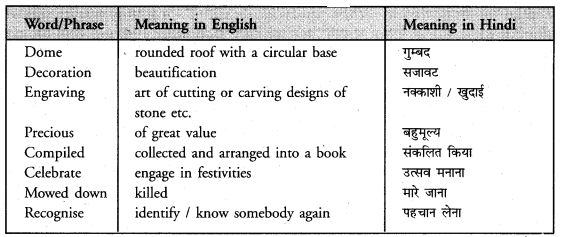
The Discovery of Moon Question Answer Class 9 English Main Course Book Chapter 5 PSEB Solutions

Punjab State Board PSEB 9th Class English Book Solutions English Main Course Book Chapter 5 The Discovery of Moon Textbook Exercise Questions and Answers.

Class 9th English Main Course Book Chapter 5 The Discovery of Moon Question Answers

The Discovery of Moon Class 9 Questions and Answers

Answer the following questions in your own words:

Question 1.
Name the two astronauts who landed on the moon.
(उन दो अंतरिक्ष यात्रियों के नाम बताओ जो चांद पर उतरे थे।)
Answer:
Armstrong and Edwin.
(आर्मस्ट्रांग तथा एडविन।)

Question 2.
What was the name of their spacecraft?
(उनके अन्तरिक्षयान का क्या नाम था?)
Answer:
Apollo-11. (अपोलो-11)

PSEB 9th Class English Main Course Book Solutions Chapter 5 The Discovery of Moon

Question 3.
Which two countries had worked out programmes for the exploration of the moon ?
(चांद की खोज के लिए किन-किन देशों ने योजनाएँ तैयार की थी ?)
Answer:
The USA and the USSR.
(संयुक्त राज्य अमेरिका और सोवियत संघ ने।)

Question 4.
How did the Soviet Union feel about carrying on this exploration ?
(सोवियत संघ इस अभियान को जारी रखने के सम्बन्ध में क्या महसूस करता था ?)
Answer:
The Soviet Union did not feel it necessary to land man on the moon. It believed that scientific instruments were enough to carry on the exploration.
सोवियत संघ मनुष्य को चांद पर भेजना ज़रूरी नहीं मानता था। इसका विश्वास था कि खोज को जारी रखने के लिए वैज्ञानिक यन्त्र पर्याप्त थे।

Question 5.
Why have the scientists declared moon unfit for human habitation ?
(वैज्ञानिकों ने ऐसी घोषणा क्यों कर दी है कि चांद मानव के निवास के लिए उपयुक्त नहीं है ?)
Answer:
There is no air or water on the moon. There is no atmosphere. Cosmic dust keeps falling on it all the time. That is why scientists think it unfit for man’s living.

चांद पर कोई हवा या पानी नहीं है। वहां कोई वातावरण नहीं है। वहां पर हर समय अन्तरिक्षी धूल गिरती रहती है। इसी कारण वैज्ञानिक लोग समझते हैं कि यह मनुष्य के रहने के लिए उपयुक्त नहीं

Question 6.
According to the scientists, how can moon be made habitable for men ?
(वैज्ञानिकों के अनुसार चांद को मनुष्यों के लिए रहने योग्य कैसे बनाया जा सकता है?)
Answer:
The moon has some elements that contain oxygen. Scientists think that this oxygen should be separated from the elements. Then the moon can be made fit for man’s living.

चांद पर कुछ ऐसे तत्त्व हैं जिनमें ऑक्सीजन है। वैज्ञानिक समझते हैं कि इस ऑक्सीजन को तत्त्वों से अलग कर दिया जाना चाहिए। फिर चांद को मनुष्य के रहने के लिए उपयुक्त बनाया जा सकता है।

PSEB 9th Class English Main Course Book Solutions Chapter 5 The Discovery of Moon

Question 7.
Name the metals found on the moon.
(चांद पर मिलने वाली धातुओं के नाम लिखिए।)
Answer:
Aluminium, titanium and iron.
ऐल्युमिनियम, टायटेनियम तथा लोहा।

Question 8.
Have the traditional beliefs about moon proved true ?
(क्या चांद के बारे में पारम्परिक विचार सच्चे साबित हुए हैं?).
Answer:
The traditional beliefs have proved to be untrue. The information gathered about the moon has proved them wrong.
पारम्परिक विचार ग़लत साबित हुए हैं। चांद के बारे में इकट्ठी की गई जानकारी ने उन्हें ग़लत साबित कर दिया है।

Textual Vocabulary & Grammar

Match the words in column A with their meanings in column B.

1. Astronaut-a person who travels and works in spacecraft.
2. Spacecraft-a vehicle that travels in space.
3. Misconception—a belief not based on correct information.
4. Shatter—to destroy completely.
5. Desolate—a place that is empty or without people.
6. Traditional-older methods and ideas.
7. Element-chemical substance made of atoms.
8. Tempted—to get attracted.
9. Resources-something that can be used to help in achieving an aim.

Fill in the blanks with words given in the box.

planet; satellite; orbit; man-made; constant; face; rotate; phenomenon; heavenly

Answer:
The word ‘satellite’ comes from the Latin word ‘satellitis’ meaning attendant. The moon is Earth’s satellite. It is our planet’s constant companion in space. The moon takes exactly the same time to rotate round its axis once as the earth takes to rotate on its axis once. That is why we see the same face of the moon on earth. Scientists took an idea from this phenomenon and developed artificial satellites. Satellites are heavenly bodies that revolve round a planet. They are also called the moons of the planet. Artificial satellites are man-made objects which are put into orbit with the help of rockets.

Rewrite the following paragraph in the past tense.

There is a function at our school. The whole school is decorated with balloons, strips of coloured paper, flowers and blinking lights. All the students are excited. They do their best. The performers wait for their turn at the backstage.
Answer:
There was a function at our school. The whole school was decorated with balloons, strips of coloured paper, flowers and blinking lights. All the students were excited. They did their best. The performers waited for their turn at the backstage.

Fill in the blanks with the correct tense form of the verbs given in brackets :

1. Two U.S. astronauts …………. (land) on the moon on July 20, 1969.
2. The astronauts ………….. (bring) back samples of lunar rocks to earth.
3. These samples ………… (analyse) by the scientists. (passive)
4. The astronauts ………… (find) no evidence of life on the moon.
5. Some useful metals like aluminium and iron ………….. (find) on the moon. (passive)
Answer:
1. landed
2. brought
3. were analysed
4. found
5. were found.

PSEB 9th Class English Main Course Book Solutions Chapter 5 The Discovery of Moon

Pronunciation Practice

Say the following words aloud. Take care that you pronounce the cluster of consonants correctly.

PSEB 9th Class English Main Course Book Solutions Chapter 5 The Discovery of Moon 1

Creative Writing and Extended Reading

1. Read the chapter on Solar System in your General Science book. Write a brief note on it.
2. What do you know about India’s progress in the field of space travel ? Name the satellites put into the orbit by India.
3. Read the story of Kalpana Chawla, the space heroine who lost her life during a space exploration mission in the USA. Write 10-12 lines on her achievements.

Use Of Textual Words / Phrases

1. Astronaut – An astronaut has to go through tough training.
2. Avenues – Several avenues are open to us.
3. Exploration – We need to carry out a full exploration of all the alternatives.
4. Expedition – The Indian expedition to Mount Everest is leaving next month.
5. Misconception – Let me first deal with some common misconceptions.
6. Heavenly – The heavenly bodies are worshipped in certain countries.
7. Appropriate – Your dress is not appropriate for this function.
8. Robot – In some factories robots are used to assemble machinery.
9. Endangered – The giant panda is an endangered species.
10. Decade – I have been in this job for the last two decades.
11. Shattered – The vase hit the floor and shattered.
12. Desolate – He felt desolate when his only brother died in an accident.
13. Inhabitable – These islands are not inhabitable.

Objective Type Questions

Answer the following in one word / phrase / sentence :

Question 1.
Who wrote the chapter, ‘The Discovery of Moon’ ?
Answer:
The author is anonymous.

Question 2.
What does this chapter tell us ?
Answer:
It tells us about the various attempts that have been made to reach the moon and gain knowledge about it.

Question 3.
Name the first two men who landed on the moon ?
Answer:
Armstrong and Edwin.

Question 4.
What did Armstrong and Edwin do on the moon ?
Answer:
They collected samples of the lunar soil.

Question 5.
Which countries had made programmes for the exploration of the moon ?
Answer:
The USA and the USSR.

PSEB 9th Class English Main Course Book Solutions Chapter 5 The Discovery of Moon

Question 6.
Who was sitting in Eagle–2 waiting for the return of Armstrong and Edwin ?
Answer:
It was Michael Collins.

Question 7.
How, according to some scientists, can moon be made suitable for man’s living?
Answer:
By separating oxygen from the elements which contain oxygen.

Question 8.
Which is the only natural satellite of the earth ?
Answer:
Moon.

Question 9.
What is the age of the moon ?
Answer:
About 4600 million years.

Question 10.
What keeps falling on the moon all the time ?
Answer:
Solar dust.

Complete the following :

1. Two ……………… astronauts landed on the moon on July 20, 1969.
2. The ……………….. sent its astronauts and the ………………… sent its spaceships for the exploration of the moon.
3. The ……………… felt it unnecessary to land a man on the moon.
4. There is no ………………. on the moon.
5. The information gathered about the moon has proved the traditional beliefs
6. In the glare of the sun, lunar rocks reach a temperature of ………….
Answer:
1. American
2. USA, USSR
3. Soviet Union
4. air or water
5. wrong
6. 110 °C.

Write True or False against each statement :

1. The atmosphere at the moon is fit for man’s living.
2. The Soviet scientists sent a spacecraft called Apollo–11.
3. Moon is not a self-luminous body.
4. A robot was found to be as good as a man to carry out experiments on moon’s surface.
5. Mars is the Earth’s only natural satellite.
6. Poets and lovers compare the faces of their beloveds to the moon.
Answer:
1. False
2. False
3. True
4. True
5. False
6. True.

Choose the correct option for each of the following:

Question 1.
As Apoll-11 remained on the surface of the moon, ………………. revolved round the moon.
(a) Lunar Orbit
(b) Pioneer-1
(c) Luna-16
(d) Eagle-2.
Answer:
(d) Eagle-2.

Question 2.
The moon is ………… by the sun only.
(a) revolved
(b) lighted
(c) rotated
(d) glared.
Answer:
(b) lighted

Question 3.
The surface of the moon is pitted with craters caused by …
(a) planets
(b) satellites
(c) meteorites
(d) orbits.
Answer:
(c) meteorites

Question 4.
The metals found on the moon are
(a) aluminium
(b) iron
(c) titanium
(d) all of these three.
Answer:
(d) all of these three.

The Discovery of Moon Summary in English

The Discovery of Moon Introduction:

This chapter tells about the various attempts that have been made to reach the moon and gain knowledge about it. The USA and the USSR were the two countries that made these attempts. The first men to land on the moon were two Americans Armstrong and Edwin. They landed there on July 20, 1969. The Russians didn’t send any man. They sent a robot in September 1970. A lot of information has been gathered about the moon. This information has shattered many traditional beliefs about the moon. It is now known that the moon is a dead world. It has no air, water or atmosphere. Yet poets and lovers continue to compare the faces of their beloveds with the beauty of the moon.

The Discovery of Moon Summary in English:

Two American astronauts, Armstrong and Edwin, landed on the moon on July 20, 1969. They were the first men to set foot on the moon. They collected samples of the lunar soil. Then they came back with their spacecraft Apollo-11. They left on the moon some machines and instruments. These machines and instruments kept sending their observations about the moon. This great event opened new avenues in the field of space exploration.

After the successful expedition of Apollo-11, a number of other space flights were made to the moon. Thus very useful and wonderful information about the moon was collected. This new information removed all kinds of wrong beliefs about the moon. The USA and the USSR were two countries that made programmes for the exploration of the moon. The USA sent its astronauts. The USSR sent its spaceships. The Soviet Union thought it more appropriate to carry on exploration with the help of scientific instruments only. In September 1970, the Soviet scientists sent a spacecraft called Luna-16. It carried a robot that was placed on the surface of the moon. It was found that a robot was as good as a man to carry out experiments on the moon’s surface.

PSEB 9th Class English Main Course Book Solutions Chapter 5 The Discovery of Moon

Moreover, it was less expensive. Above all, human life was not endangered. Researches on the moon have shown that the moon is an absolutely desolate place. There is no atmosphere. There is no air or water. So it is not fit for man’s living. Of course, it has some useful metals like aluminium, titanium and iron. But men has not been tempted to use them so far. Some scientists feel that moon can be made suitable for man’s living by separating oxygen from the elements which contain oxygen.

Space flights have been made to other planets also. But moon is the only heavenly body where man has landed. Since the moon has been found to be a dead world, no programmes have been made for its further exploration. Today we know all the important facts about the moon. It is the only natural satellite of the earth. It is about one-fourth of the earth in its diameter. Its distance from the earth is 384,405 km. It orbits the earth once a month. It always keeps the same face turned towards the earth. The moon is the same age as the earth about 4600 million years. It is not a self-luminous body. It is lighted by the sun only. In the glare of the sun, it becomes as hot as 110°C. In the shadows it is as cold as -100°C.

Thus there are no attractive facts about the moon. It is a dead, dry and desolate world. Yet poets and lovers continue to compare the faces of their beloveds with the beauty of the moon.

The Discovery of Moon Summary in Hindi

The Discovery of Moon Introduction:

यह लेख उन विभिन्न यत्नों के बारे में बताता है जो चांद पर पहुंचने के लिए और इसके सम्बन्ध में ज्ञान प्राप्त करने के लिए किए गए हैं। अमरीका तथा रूस दो देश थे जिन्होंने ये यत्न किए। चांद पर पांव रखने वाले पहले दो आदमी थे-अमरीका के आर्मस्ट्रांग और एडविन। वे वहां 20 जुलाई 1969 को पहुंचे। रूसियों ने कोई आदमी न भेजा। उन्होंने सितम्बर 1970 में एक रोबोट भेजा। चांद के बारे में बहुत जानकारी प्राप्त कर ली गई है। इस जानकारी ने चांद के बारे में अनेकों पारम्परिक धारणाओं को छिन्न-भिन्न कर दिया है। अब पता चल गया है कि चांद एक मृत संसार है। वहां कोई पानी, हवा या वातावरण नहीं है। फिर भी कवि और प्रेमी लोग अपनी प्रेमिकाओं के चेहरों की तुलना चांद की सुन्दरता से करते रहते हैं।

The Discovery of Moon Summary in Hindi:

दो अमरीकी अन्तरिक्ष यात्री 20 जुलाई 1969 को चांद पर उतरे। चांद पर पांव रखने वाले वे पहले व्यक्ति थे। उन्होंने चांद की मिट्टी के नमूने एकत्रित किए। फिर वे अपने अन्तरिक्षयान अपोलो-11 के साथ वापस आ गए। वे चांद के ऊपर कुछ मशीनें और यन्त्र छोड़ आए। ये यन्त्र और मशीनें चांद के बारे में अपने अवलोकन भेजते रहे।

इस महान घटना ने अन्तरिक्ष खोज के क्षेत्र में नए मार्ग खोल दिए। अपोलो-11 के सफल अभियान के बाद अनेकों अन्य अन्तरिक्ष उड़ानें चांद तक की गईं। इस प्रकार चांद के बारे में बहुत लाभदायक और अद्भुत जानकारी इकट्ठी कर ली गई। इस नई जानकारी ने चांद के बारे में सभी ग़लत धारणाएं समाप्त कर दी। अमरीका और रूस दो देश थे जिन्होंने चांद की खोज-सम्बन्धी कार्यक्रम बनाए।

PSEB 9th Class English Main Course Book Solutions Chapter 5 The Discovery of Moon

अमरीका ने अपने अन्तरिक्ष यात्री भेजे। रूस ने अपने अन्तरिक्षयान भेजे। सोवियत संघ ने इस बात को अधिक उपयुक्त माना कि खोज का काम वैज्ञानिक यन्त्र के द्वारा जारी रखा जाए। सितम्बर 1970 में सोवियत वैज्ञानिकों ने लूना-16 नामक एक अन्तरिक्षयान भेजा। इसमें एक रोबेट था जिसे चांद के तल पर छोड़ दिया गया। ऐसा देखा गया कि चांद के तल पर प्रयोग करने के लिए एक रोबोट उतना ही ठीक था जितना कि कोई आदमी। इसके अतिरिक्त इसका खर्च कम पड़ता था। सब से बड़ी बात, मानव जीवन ख़तरे में नहीं पड़ता था।

चांद के ऊपर होने वाली खोजों ने यह बता दिया है कि चांद एक बिल्कुल वीरान जगह है। वहां कोई वातावरण नहीं है। वहां कोई पानी या हवा नहीं है। इसलिए यह मनुष्य के रहने के लिए उपयुक्त नहीं है। निस्सन्देह इस पर ऐल्युमिनियम, टायटेनियम और लोहे जैसी कुछ लाभदायक धातुएं हैं। किन्तु अभी तक मनुष्य उन्हें इस्तेमाल करने को आकर्षित नहीं हुआ है।

कुछ वैज्ञानिक ऐसा महसूस करते हैं कि चांद को आदमी के रहने के लिए उपयुक्त बनाया जा सकता है, यदि ऑक्सीजन को वहां पाए जाने वाले ऐसे तत्त्वों से अलग कर दिया जाए जिनमें ऑक्सीजन विद्यमान है। अन्य ग्रहों को भी अन्तरिक्ष उड़ानें की गई हैं। किन्तु केवल चांद ही ऐसा आकाशीय पिण्ड है जहां आदमी उतरा है। क्योंकि चांद एक मृत संसार पाया गया है, इसकी और अधिक खोज करने के लिए कोई आगे की योजनाएं नहीं बनाई गई हैं।

आज हम चांद के विषय में सभी महत्त्वपूर्ण तथ्यों को जानते हैं। यह धरती का एकमात्र प्राकृतिक उपग्रह है। अपने व्यास में यह धरती का लगभग एक-चौथाई है। इसकी धरती से दूरी 384,405 किलोमीटर है। यह महीने में एक बार धरती का चक्कर काटता है। यह सदा अपना वही पक्ष धरती की तरफ़ झुकाए रखता है। चांद की आयु उतनी ही है जितनी कि धरती की-लगभग 4,600 मिलीयन वर्ष।

यह आत्म-दीप्त पिण्ड नहीं है। इसे केवल सूर्य का प्रकाश ही मिलता है। सूर्य की तेज़ चमक में यह 110°C तक गर्म हो जाता है। छाया वाली जगहों में यह –100°C तक ठण्डा हो जाता है। इस प्रकार चांद के सम्बन्ध में कोई आकर्षक विशेषताएँ नहीं है। यह एक मृत, सूखा और वीरान संसार है। फिर भी कवि और प्रेमी लोग अपनी प्रेमिकाओं के चेहरों की तुलना चांद की सुन्दरता के साथ करते हैं।

The Discovery of Moon Translation in Hindi

(Page 115-116) On July 20, 1969 ……… his two companions.

कठिन शब्दार्थ-1. astronauts – अन्तरिक्ष यात्री ; 2. emerging – बाहर निकलते हुए ; 3. spacecraft – अन्तरिक्षयान ; 4. avenues – मार्ग 5. exploration. – खोज ; 6. lunar – चांद सम्बन्धी ; 7. observations – अवलोकन ; 8. observatories – वेधशालाएँ।

Text

On July 20, 1969, two American astronauts, Armstrong and Edwin, emerging from the spacecraft Apollo-11, became the first men to set foot on the moon. This great event opened new avenues in the field of space and moon exploration. After collecting samples of the lunar soil, these two astronauts returned to their spacecraft Apollo-11. However, they left such 11 instruments and machines on the moon which continued to send their observations about the moon to the observatories on the earth. Apollo 11 was locked with another space craft Eagle. As Apollo-ll remained on the surface of the moon, Eagle-2 revolved round the moon. Aboard the Eagle-2 was a third astronaut Michael Collins, who waited for the return of his two companions.

अनुवाद

20 जुलाई 1969 को दो अमरीकी अन्तरिक्षयात्री, आर्मस्ट्रांग और एडविन, अपोलो-11 नामक अन्तरिक्षयान में से बाहर निकलने पर ऐसे पहले व्यक्ति बन गए जिन्होंने चांद पर पांव रखा। इस महत्त्वपूर्ण घटना ने अन्तरिक्ष और चांद सम्बन्धी खोज के क्षेत्र में नए मार्ग खोल दिए। चांद की मिट्टी के नमूने एकत्रित करने के बाद, ये दोनों अन्तरिक्ष यात्री अपने अन्तरिक्षयान अपोलो को लौट आए। किन्तु वे चांद पर ऐसे यन्त्र और मशीनें छोड़ आए जो चांद के बारे में अपने अवलोकन धरती पर की वेधशालाओं को भेजते रहे। अपोलो-11 ईगल-2 नाम के एक अन्य अन्तरिक्षयान से जुड़ा हुआ था। जिस दौरान अपोलो-11 चांद की धरती पर रहा, ईगल-2 चांद के चक्कर काटता रहा। ईगल-2 में एक तीसरा अन्तरिक्ष यात्री माइकल कॉलिन्ज सवार था, जो अपने दो साथियों के लौटने की प्रतीक्षा करता रहा।

PSEB 9th Class English Main Course Book Solutions Chapter 5 The Discovery of Moon

(Page 116)

After this successful ………… which contain oxygen.

कठिन शब्दार्थ-1. expedition – अभियान ; 2. series – श्रृंखला ; 3. manned – मानव-संचालित ; 4. misconceptions – ग़लत धारणाएं ; 5. glimpse – नज़ारा ; 6. spaceship — अन्तरिक्षयान ; 7. planets – ग्रह ; 8. robot – यन्त्रमानव ; 9. decades – दशक ; 10. shattered – छिन्न-भिन्न कर दिए ; 11. absolutely – पूरी तरह से ; 12. desolate – निर्जन ; 13. inhabitation – निवास ; 14. tempted – आकर्षित ; 15. exploit – लाभ उठाना, काम में लाना ; 16. elements – तत्त्व।

Text

After this successful expedition, a series of Apollo spacecraft for making more manned space flights to moon was started. These flights made available extremely useful and wonderful information about the moon. This new information removed all kinds of mis-conceptions about the moon from the minds of the people the world over.

The discovery of moon formed an important part of the space programme. Besides earth, it was the only heavenly mass where man landed and had a glimpse of it. Spacecraft have been landed on other planets too, but man has yet to set his foot on any of these heavenly bodies. The USSR and the USA had worked out programmes for the exploration of moon. The USSR sent there its spaceships, whereas the USA sent its astronauts. The exploration of planets is still going on but there is no more any programme for further exploration of moon.

The Soviet Union did not feel it necessary to land man on the moon. It thought it more appropriate to send spaceships and to carry on exploration with the help of scientific instruments only. The Soviet scientists sent a spacecraft called Luna-16 on the moon in September, 1970. It carried a robot that was placed on the surface of the moon. A robot was found to be as good as a man to carry out experiments on moon’s surface. Moreover, it was also less expensive and above all, human life was not endangered.

PSEB 9th Class English Main Course Book Solutions Chapter 5 The Discovery of Moon

Researches on moon for over three decades have shattered many traditional beliefs about it. The moon is an absolutely desolate place where there is no water and air. The Soviet scientists have declared it unfit for human inhabitation. Of course some useful metals like aluminium, titanium and iron have been found on moon but man has not been tempted to exploit these metal resources of moon. However, some scientists still feel that moon can be made inhabitable for men by separating oxygen from elements which contain oxygen.

अनुवाद

इस सफल अभियान के बाद मानव-चालित अन्तरिक्ष उड़ानें करने के लिए अपोलो अन्तरिक्षयानों की एक श्रृंखला शुरू कर दी गई। इन उड़ानों ने चांद के बारे में अत्यन्त लाभदायक तथा अद्भुत जानकारी उपलब्ध करा दी। इस नई जानकारी ने पूरे संसार भर में लोगों के मनों से चांद के बारे में सभी तरह की ग़लत धारणाओं को दूर कर दिया।

चांद-सम्बन्धी खोज अन्तरिक्ष कार्यक्रम का एक महत्त्वपूर्ण हिस्सा थी। धरती के अतिरिक्त केवल यही एक आकाशीय पुंज था जहां मानव ने पांव रखा. हो और इसका नज़ारा लिया हो। अन्य ग्रहों पर भी अन्तरिक्षयान उतारे गए हैं।किन्तु इन आकाशीय पुंजों में से किसी के भी ऊपर मनुष्य ने अभी अपना कदम रखना है। सोवियत संघ तथा संयुक्त राज्य अमरीका ने चांद सम्बन्धी खोज करने के लिए योजनाएँ बनाई थीं।

सोवियत संघ ने अपने अन्तरक्षि यान भेजे, जबकि संयुक्त राज्य अमेरिका ने अपने अन्तरिक्ष यात्री भेजे। ग्रहों की खोज अब भी जारी है किन्तु चांद सम्बन्धी और अधिक खोज करने के लिए अब और कोई कार्यक्रम नहीं है।

सोवियत संघ ने मनुष्य को चांद पर भेजना ज़रूरी न समझा। इसने इस बात को अधिक उपयुक्त माना कि अन्तरिक्षयान भेजे जाएँ तथा केवल वैज्ञानिक यन्त्रों की सहायता से ही खोज का काम चलाया जाए। सोवियत वैज्ञानिकों ने लूना-16 नामक एक अन्तरिक्षयान सितम्बर 1970 को चांद पर भेजा। इसमें एक रोबोट था जिसे चांद के तल पर रख दिया गया।

चांद के तल पर प्रयोग करने के लिए एक रोबोट को उतना ही ठीक पाया गया जितना कि एक आदमी को। इसके अतिरिक्त यह कम खर्चीला भी था, और सब से बड़ी बात यह है कि मानव जीवन को ख़तरे में न डाला गया।तीन दशक से अधिक समय की खोजों ने इसके सम्बन्ध में अनेकों पारम्परिक विश्वासों को छिन्न-भिन्न कर दिया है। चांद एक पूरी तरह से बंजर जगह है जहां कोई पानी तथा हवा नहीं है। सोवियत वैज्ञानिकों ने इसे मानव के निवास के लिए अनुपयुक्त घोषित कर दिया है।

निस्सन्देह ऐल्युमिनियम, टायटेनियम, और लोहेजैसी कुछ लाभदायक धातुएं चांद पर पाई गई हैं किन्तु चांद के इन साधनों को इस्तेमाल में लाने के लिए मनुष्य लालायित नहीं हुआ है। तो भी कुछ वैज्ञानिक अब भी ऐसा महसूस करते हैं कि चांद को मनुष्यों के लिए रहने योग्य बनाया जा सकता है, ऐसे तत्त्वों से ऑक्सीजन को अलग करके जिनमें ऑक्सीजन विद्यमान है।

(Page 117) Today we know ………………….. this lovely satellite.

कठिन शब्दार्थ-1. satellite – उपग्रह ; 2. parent – मूल ; 3. orbits – के गिर्द घूमता है ; 4. pitted – गड्ढे बने होना ; 5. meteorites – उल्का -पिण्ड ; 6. self-luminous – आत्म-दीप्त ; 7. phases – कलाएँ ; 8. delay – देरी ; 9. cosmic – अन्तरिक्ष ; 10. glare – तेज़ चमक ; 11. dull – नीरस।

Text

Today we know all the important facts about the moon. It ¡s the Earth’s only natural satellite. Compared to satellites of other planets, it is very large in relation to its parent planet. It is a quarter of the earth’s diameter measuring 3476 km. Its distance from the earth is 384,405 km. It orbits the earth once a month, keeping the same face turned towards earth as it does so. Its surface is pitted with craters caused by meteorites.

The moon is the same age as the earth, about 4,600 million years. The moon is not a self-luminous body. The earth and the moon travel around a common centre of gravity in space. As the moon orbits the earth, different amounts of its sunlit surface are visible from the earth. This produces the cycle known as Phases of the moon. We can see the full-moon and no-moon once in a month, and for rest of the days it appears in its phases. The average daily delay in moon-rise and moon-set is about 50 minutes. The moon is lacking water and it

has no atmosphere. A very light ‘rain’ of cosmic dust continually falls here. In the glare of the sun, lunar rocks reach a temperature of 110°C more than the boiling point of water. But in shadows the temperature goes down to less than —100°C. In spite of the knowledge of these ‘dull’ facts about the moon, poets and lovers continue to sing of the beauties of this heavenly body and compare the faces of their beloveds to this lovely satellite.

अनुवाद

आज हम चांद के बारे में सभी महत्त्वपूर्ण बातों को जानते हैं। यह धरती का एक-मात्र प्राकृतिक उपग्रह है। अन्य ग्रहों के उपग्रहों की तुलना में, यह अपने मुख्य ग्रह के हिसाब से बहुत बड़ा है। यह धरती के व्यास का एक चौथाई है जो 3476 किलोमीटर है। इसकी 3476 km. धरती से दूरी 384,405 किलोमीटर है। यह महीने में एक बार धरती का चक्कर काटता है, तथा ऐसा करते समय यह धरती की तरफ़ अपना वही तल घुमाए रखता है। इसका तल बड़े-बड़े गड्ढों से भरा हुआ है जो उल्का-पिण्डों के द्वारा बने हैं।

चांद की आयु धरती की आयु जितनी ही है, लगभग 460 करोड़ वर्ष चांद एक आत्म-दीप्त पुंज नहीं है। धरती तथा चांद अन्तरिक्ष में एक सांझे गुरुत्व आकर्षण केन्द्र के गिर्द घूमते हैं। जब चांद धरती का चक्कर लगाता है, तो सूर्य के प्रकाश से रोशन हुए इसके तल की विभिन्न मात्राएं धरतीपर से दिखाई देती हैं। इससे एक चक्र पैदा हो जाता है जिसे चांद की कलाएँ कहा जाता है।

हम पूर्ण चांद तथा शून्य (अमावस का) चांद महीने में एक बार देख सकते हैं, तथा अन्य दिनों में यह अपने विभिन्न आकारों में दिखाई देता है। चांद के उदय और अस्त होने में 50 minutes. प्रतिदिन की औसतन देरी लगभग 50 मिनट की होती है। चांद पर कोई पानी नहीं है तथा वहां कोई वातावरण नहीं है। यहां अन्तरिक्षी धूल की बहुत हल्की वर्षा निरन्तर होती रहती है। सूर्य की तेज़ चमक में चांद पर की चट्टानें 110°C के तापमान पर पहुंच जाती हैं, जो पानी के उबाल बिन्दु से ज्यादा है।

PSEB 9th Class English Main Course Book Solutions Chapter 5 The Discovery of Moon

किन्तु छाया वाली जगहों में तापमान -100°C से कम हो जाता है। चांद के सम्बन्ध में इन रुचिहीन तथ्यों की जानकारी के बावजूद कवि और प्रेमी इस आकाशीय पुंज की सुन्दरता के बारे में गाते रहते हैं तथा अपनी प्रेमिकाओं के चेहरों की तुलना इस सुन्दर उपग्रह से करते रहते हैं।

English Main Course Book Class 9 Solutions PSEB Prose

The Last Leaf Question Answer Class 9 English Literature Book Chapter 5 PSEB Solutions

Punjab State Board PSEB 9th Class English Book Solutions English Literature Book Solutions Chapter 5 The Last Leaf Textbook Exercise Questions and Answers.

Class 9th English Literature Book Solutions Chapter 5 The Last Leaf Question Answers

The Last Leaf Class 9 Questions and Answers

Question 1.
Who were Sue and Johnsy? What happened to Johnsy?
(स्य और जॉह्नसी कौन थी? जॉह्नसी को क्या हुआ था?)
Answer:
Sue and Johnsy were two young artists. Johnsy was seriously ill. She had pneumonia.
स्यू और जॉह्नसी दो युवा चित्रकार थीं। जॉह्नसी भयानक रूप से बीमार थी। उसे न्यूमोनिया हो गया था।

Question 2.
What did Johnsy feel about her illness ?
(जॉह्रसी अपनी बीमारी के बारे में क्या महसूस करती थी?)
Answer:
She thought she was not going to get well. She thought she would die with the falling of the last ivy leaf.
वह समझती थी कि वह स्वस्थ नहीं होगी। वह समझती थी कि वह बेल के अन्तिम पत्ते के गिरने के साथ ही मर जाएगी।

PSEB 9th Class English Literature Book Solutions Chapter 5 The Last Leaf

Question 3.
What did Sue do to make her feel happy ?
(स्यू ने उसे प्रसन्न महसूस करवाने के लिए क्या किया?)
Answer:
She talked about
उसने वस्त्रों और फैशनों के बारे में बातें की। उसने अपनी पेन्टिंग पर काम करते हुए सीटियां बजानी शुरू कर दी।

Question 4.
Why did Johnsy look at the ivy leaves carefully ?
(जॉह्रसी ने बेल के पत्तों की तरफ़ ध्यान से क्यों देखा?)
Answer:
Johnsy thought she was nearing her death with the falling of each leaf. She kept looking at the leaves carefully to see how many of them were left.
जॉह्नसी समझती थी कि प्रत्येक पत्ते के गिरने के साथ वह अपनी मृत्यु के अधिकाधिक नज़दीक पहुंच रही थी। वह पत्तों की तरफ ध्यान से देखती रही, यह जानने के लिए कि वे कितने बचे हुए थे।

Question 5.
Who was Behrman ?
(बरमैन कौन था?)
Answer:
He was an old painter. He was sixty years old. He had always desired to paint a masterpiece. But he could never begin it.
वह एक बूढ़ा पेन्टर था। वह साठ वर्ष की आयु का था। उसने सदा एक श्रेष्ठ रचना बनाने की इच्छा की थी। किन्तु वह इसे कभी शुरू न कर पाया।

PSEB 9th Class English Literature Book Solutions Chapter 5 The Last Leaf

Question 6.
Why did Sue call Behrman to her room ?
(स्यू ने बरमैन को अपने कमरे में क्यों बुलाया ?)
Answer:
An ivy creeper went up the wall opposite Johnsy’s window. Only one leaf was left on the creeper. Johnsy thought she would die when this last leaf fell. Sue wanted Behrman to paint a similar leaf on the wall. That was why she took Behrman to her room. She wanted to show him how the last leaf looked from there.

जॉह्नसी की खिडकी के सामने वाली दीवार पर सिरपेंचे की एक बेल चढ़ी हुई थी। बेल पर केवल एक ही पत्ता रह गया था। जॉह्नसी समझती थी कि वह मर जाएगी जब यह अन्तिम पत्ता गिर जाएगा। स्यू चाहती थी बरमैन इसी तरह का एक पत्ता दीवार के ऊपर चित्रित कर दे। इसी कारण वह बरमैन को अपने कमरे में ले गई। वह उसे दिखाना चाहती थी कि अन्तिम पत्ता देखने में वहां से कैसे लगता था।

Question 7.
How was Johnsy saved ?
(जॉह्रसी को कैसे बचाया गया?)
Answer:
Johnsy thought she would die when the last leaf fell. Sue thought of an idea. She asked an old painter to paint an ivy leaf on the wall. When Johnsy woke up the next morning, she saw one last leaf on the ivy. She regained her will to live. Thus she was saved.

जॉह्नसी सोचती थी कि जब आखिरी पत्ता गिरेगा, तो वह मर जाएगी। स्यू को एक विचार सूझ आया। उसने एक बूढ़े पेन्टर को दीवार पर सिरपेंचे का एक पत्ता चित्रित करने को कहा। जब जॉह्रसी अगली सुबह जागी, उसने बेल पर एक आखिरी पत्ता देखा। उस को जीने की इच्छा-शक्ति फिर से प्राप्त हो गई। इस तरह वह बच गई।

PSEB 9th Class English Literature Book Solutions Chapter 5 The Last Leaf

Question 8.
What happened to Behrman and why?
(बरमैन का क्या हुआ तथा क्यों ?)
Answer:
In order to save Johnsy, Behrman painted an ivy leaf on the wall. He worked in the night. It was a cold and windy night. It was raining also. Behrman got pneumonia. He died after two days.

जॉह्नसी को बचाने के लिए बरमैन ने दीवार के ऊपर सिरपेंचे का एक पत्ता चित्रित किया। वह रात में काम करता रहा। यह एक ठण्डी और तेज़ हवा वाली रात थी। वर्षा भी हो रही थी। बरमैन को न्यूमोनिया हो गया। वह दो दिन बाद मर गया।

Question 9.
What was Behrman’s masterpiece ?
(बरमैन की श्रेष्ठ कृति क्या थी?)
Answer:
It was the ivy leaf he had painted on the wall. It looked so real that Johnsy could not know it. She regained her will to live. Thus the painting proved Behrman’s masterpiece.

यह सिरपेंचे का वह पत्ता था जो उसने दीवार पर चित्रित किया था। यह इतना वास्तविक लगता था कि जॉह्नसी को इस का पता न चल पाया। उसने अपनी जीने की इच्छा फिर से प्राप्त कर ली। इस तरह वो पेन्टिंग बरमैन की श्रेष्ठ कृति साबित हुई।

Question 10.
Do you think Behrman was right in sacrificing his life ? Why?
(क्या आप समझते हैं कि बरमैन अपने जीवन का बलिदान करने में ठीक था? क्यों?)
Answer:
Behrman painted an ivy leaf on the wall. It looked so real that Johnsy could not know it. She regained her will to live. Thus she was saved. But Behrman got pneumonia and died. His sacrifice was not in vain. He had painted a masterpiece and also saved a life.

PSEB 9th Class English Literature Book Solutions Chapter 5 The Last Leaf

बरमैन ने दीवार के ऊपर सिरपेंचे का एक पत्ता चित्रित कर दिया। यह इतना वास्तविक लगता था कि जॉह्नसी जान न पाई। उसने जीवित रहने की अपनी इच्छा फिर से प्राप्त कर ली। इस तरह वह बच गई। किन्तु बरमैन को न्यूमोनिया हो गया और वह मर गया। उसका बलिदान व्यर्थ न गया। उसने एक श्रेष्ठ कृति चित्रित कर दी थी और एक जीवन भी बचा दिया था।

Objective Type Questions

Answer the following in one word / phrase / sentence :

Question 1.
Which great writer has written the story, ‘The Last Leaf”?
Answer:
O. Henry.

Question 2.
In which month had Johnsy fallen seriously ill?
Answer:
In the month of November.

Question 3.
What was the name of Johnsy’s friend ?
Answer:
Sue.

Question 4.
What did Sue hear suddenly ?
Answer:
She heard Johnsy whisper something.

Question 5.
Where was Johnsy’s bed in the room ?
Answer:
Near the window.

Question 6.
Name the vine that climbed the brick wall.
Answer:
Ivy.

PSEB 9th Class English Literature Book Solutions Chapter 5 The Last Leaf

Question 7.
Who was Behrman ?
Answer:
An old painter.

Question 8.
How did the leaf painted by Behrman look like?
Answer:
Exactly like the real leaf.

Question 9.
What did the unfallen leaf fill Johnsy with ?
Answer:
With a new hope.

Question 10.
What had Behrman desired all his life?
Answer:
To paint a masterpiece.

Complete the following:

1. Johnsy and Sue were two ………..
2. The window …………….. the brick wall of the opposite house.
3. The last ivy leaf fell during the …………..
4. Behrman painted a …………………. in green colour.
5. Sue couldn’t ……………….. the curtain as she needed the light.
6. Johnsy was running a high
Answer:
1. friends
2. overlooked
3. night
4. leaf
5. draw
6. temperature.

Write True or False against each statement :

1. It was summer and ivy leaves were falling.
2. Johnsy’s condition worsened with the falling of each ivy leaf.
3. Sue talked about films and fashions to amuse Johnsy.
4. Behrman was a very famous painter.
5. Behrman worked in rain and caught pneumonia.
6. Sue poured out her worries to David.
Answer:
1. False
2. True
3. False
4. False
5. True
6. False

PSEB 9th Class English Literature Book Solutions Chapter 5 The Last Leaf

Choose the correct option for each of the following:

Question 1.
What did Johnsy suffer from ?
(a) Pneumonia.
(b) Cancer.
(c) Jaundice.
(d) Cold.
Answer:
(a) Pneumonia.

Question 2.
Sue sent for the ………….
(a) painter
(b) carpenter
(c) chauffeur
(d) doctor.
Answer:
(d) doctor.

Question 3.
“I can’t draw the curtain for I need the light.” Who said these words ?
(a) Behrman.
(b) Sue.
(c) Johnsy.
(d) Lencho.
Answer:
(b) Sue.

Question 4.
The next morning, Sue came and sat on Johnsy’s ………..
(a) lap
(b) chair
(c) bed
(d) table.
Answer:
(c) bed

The Last Leaf Summary in English

The Last Leaf Introduction:

This story is based on the idea that our way of thinking has a deep effect on our life. If we have a positive approach towards life, we remain happy and enjoy good health. But if our way of thinking is negative, it always results in misery, unhappiness and even death. If a patient thinks positively and hopefully, it can help the doctor a great deal in curing him. Otherwise, he can’t hope to get well in spite of the best efforts on the part of the doctor.

The Last Leaf Summary in English

A girl named Johnsy catches pneumonia. Her bed was near the window which overlooked the brick wall of the opposite house. A very old ivy vine climbed half-way up the brick wall. It was winter and its leaves were falling. A strange idea took hold of Johnsy’s mind. She began to think that when the last ivy leaf fell, she would also pass away.

PSEB 9th Class English Literature Book Solutions Chapter 6 The Bewitched Jacket 1

Her condition went from bad to worse with the falling of each leaf from the ivy. Her friend, Sue, tried her best to get this foolish idea out of Johnsy’s mind but in vain. When only one leaf was left on the ivy, Johnsy began to prepare herself for death. Then Sue thought of a plan to save the life of her friend. When Johnsy was asleep at night. Sue went to an old painter named Behrman. It was raining hard and the last ivy leaf fell during the night. Behrman painted a leaf in green colour, which looked exactly like the real leaf.

PSEB 9th Class English Literature Book Solutions Chapter 5 The Last Leaf

Next morning when Johnsy woke up, she began to wait for the last leaf to fall. But the leaf didn’t fall even after two days and two nights. It filled Johnsy with a new hope. Her condition began to improve. When she was completely out of danger, Sue told her that the last leaf was not the real leaf, but a mere painting by Behrman. She also told her that Behrman worked in rain during the night and caught pneumonia. He died the next day. Behrman had desired all his life to paint a masterpiece but had never been able to begin it. But the last leaf that he painted before his death, really proved a masterpiece.

The Last Leaf Summary in Hindi

The Last Leaf Introduction:

यह कहानी इस विचार पर आधारित है कि हमारे सोचने के ढंग का हमारे जीवन पर गहरा प्रभाव पड़ता है। यदि हम जीवन के प्रति सकारात्मक दृष्टिकोण रखेंगे तो हम प्रसन्न और स्वस्थ रहेंगे। किन्तु यदि हमारे सोचने का ढंग नकारात्मक है तो इसका परिणाम दुःख और यहां तक कि मृत्यु भी हो सकता है। यदि एक रोगी सकारात्मक और आशापूर्ण ढंग से सोचता है तो डॉक्टर को उसका इलाज करने में बहुत मदद मिल सकती है। अन्यथा, डॉक्टर के पूरे प्रयत्नों के बावजूद वह अच्छा होने की आशा नहीं कर सकता है।

The Last Leaf Summary in Hindi

कहानी का विस्तृत सार ‘ जॉह्नसी नाम की एक लड़की को न्यूमोनिया हो जाता है। उसका बिस्तर उस खिड़की के पास था जो सामने वाले घर की ईंट की दीवार की दिशा में खुलती थी। एक बहुत पुरानी सिरपेंचे की लता ईंट की दीवार की आधी दूर ऊपर तक चढ़ी हुई थी। शरद ऋतु थी और उसके पत्ते झड़ रहे थे। जॉह्नसी के दिमाग में एक अजीब विचार आया। वह सोचने लगी कि जब सिरपेंचे का आखिरी पत्ता गिरेगा तो वह भी मर जाएगी। सिरपेंचे से प्रत्येक पत्ते के गिरने के साथ उसकी हालत बद से बदतर होती गई।

उसकी सहेली स्यू ने जॉह्नसी के दिमाग से यह मूर्खतापूर्ण विचार निकालने की बहुत कोशिश की किन्तु सब व्यर्थ गया। जब सिरचे पर केवल एक पत्ता रह गया तो जॉह्नसी स्वयं को मृत्यु के लिए तैयार करने लगी। तब स्यू ने अपनी सहेली की जान बचाने के लिए एक योजना सोची। रात को जब जॉह्नसी सोई हुई थी तो स्यू बरमैन नाम के एक बूढ़े चित्रकार के पास गई। जोरों की वर्षा हो रही थी और रात को सिरपेंचे का आखिरी पत्ता गिर गया। बरमैन ने एक पत्ते को हरे रंग में रंगा जो बिल्कुल असली पत्ते की भान्ति प्रतीत होता था। अगली सुबह जॉह्नसी जागी तो वह आखिरी पत्ते के गिरने की प्रतीक्षा करने लगी। परन्तु दो दिन और दो रातों के बाद भी पत्ता नहीं गिरा।

इसने जॉह्नसी के मन में एक नई आशा भर दी। उसकी हालत सुधरने लगी। जब वह पूरी तरह से खतरे से बाहर हो गई तो स्यू ने उसे बताया कि वह आखिरी पत्ता असली पत्ता नहीं था बल्कि मात्र बरमैन के द्वारा की हुई चित्रकारी थी। उसने उसे यह भी बताया कि रात को बरमैन ने वर्षा में काम किया और उसे न्यूमोनिया हो गया। अगले दिन वह मर गया। बरमैन ने जीवन भर एक उत्तम चित्र बनाने की इच्छा की थी लेकिन वह उसे कभी आरम्भ नहीं कर पाया था। किन्तु अपनी मृत्यु के पहले उसने जो आखिरी पत्ते की चित्रकारी की थी, वास्तव में वही उसकी अति उत्तम कलाकृति सिद्ध हुई।

The Last Leaf Translation in Hindi

(Page 40)

कठिन शब्दार्थ-1. artist – कलाकार; 2. worried – चिन्तित; 3. respond – जवाब देना; 4. whispered – फुसफुसाई, धीरे से बोली; 5. anxiously – उत्सुकतापूर्वक; 6. creeper – लता, बेल; 7. shedding-झड़ रहे।

अनुवाद-स्यू और जॉहसी, दो युवा कलाकार, एक छोटे घर में इकट्ठी रहती थीं। उनका घर एक पुराने मकान की तीसरी मंजिल पर था। नवम्बर के महीने में जॉह्नसी काफ़ी गम्भीर रूप से बीमार पड़ गयी। उसे न्यूमोनिया हुआ था। वह बिना हिले बिस्तर पर पड़ी खिड़की के बाहर देखती रहती। उसकी सहेली स्यू बहुत चिन्तित हो गयी। उसने एक डॉक्टर को बुलवा भेजा। हालांकि डॉक्टर रोज़ उसको देखने आता था पर उसकी हालत में कोई सुधार नहीं था। एक दिन डॉक्टर जॉह्रसी को देखने के लिए आया, तो वह स्यू को एक तरफ ले गया और उससे पूछा, “क्या जॉह्नसी को कोई बात परेशान कर रही है?” “नहीं,” स्यू ने जवाब दिया। “पर आप क्यों पूछ रहे हैं ?”

PSEB 9th Class English Literature Book Solutions Chapter 5 The Last Leaf

डॉक्टर ने कहा, “ऐसा प्रतीत होता है कि जॉह्नसी के दिमाग़ में यह बात बैठ गयी है कि वह दोबारा स्वस्थ नहीं हो पायेगी। अगर वह जीना नहीं चाहती तो दवाओं से उसे कोई लाभ नहीं होगा।” । स्यू अपनी तरफ से पूरी कोशिश करती, कि जॉह्नसी अपने आसपास की चीज़ों में दिलचस्पी ले। वह फैशन और परिधानों के बारे में बातें करती, पर जॉह्नसी कोई जवाब नहीं देती। वह बस बिस्तर पर निश्चल लेटी रहती। स्यू अपना ड्राइंग-बोर्ड लेकर जॉह्नसी के कमरे में आ गयी और चित्र बनाने लगी। जॉह्रसी का ध्यान उसकी बीमारी से हटाने के लिए, वह चित्र बनाते हुए सीटी बजाने लगी।

अचानक स्यू ने जॉह्नसी को धीरे से कुछ कहते हुए सुना। वह जल्दी से उसके बिस्तर के पास गयी और उसको उलटी गिनती करते हुए सुना। वह खिड़की के बाहर देख रही थी और कह रही थी, ‘बारह!’ थोड़ी देर बाद वह बुदबुदाई ‘ग्यारह’, फिर ‘दस’, फिर ‘नौ’, फिर ‘आठ’, ‘सात’। स्यू ने उत्सुकतापूर्वक खिड़की से बाहर देखा। उसने उनकी खिड़की के सामने वाली दीवार पर आधी ऊँचाई तक चढ़ी सिरपेंचे की एक पुरानी लता देखी। बाहर की ठण्डी हवा में उस लता के पत्ते झड़ कर गिर रहे थे।

(Page 41 – 42)

कठिन शब्दार्थ-1. autumn – पतझड़; 2. finality – निश्चयात्मकता, निर्णयात्मकता; 3. nonsense – बकवास, मूर्खतापूर्ण बात; 4. soup-शोरबा; 5. curtain – परदा; 6. begged—प्रार्थना की।

अनुवाद-“क्या बात है प्रिय?” स्यू ने पूछा।
“छ:,” जॉह्रसी धीरे से बुदबुदायी। “अब वे पहले से तेज़ गति से गिर रहे हैं। तीन दिन पहले वहां लगभग सौ थे।
अब केवल पाँच शेष रह गए हैं।”
“पतझड़ का मौसम है,” स्यू बोली, “और पत्ते तो गिरेंगे ही।”
“जब आखिरी पत्ता गिरेगा, तब मैं मर जाऊंगी,” जॉह्नसी ने विश्वास से कहा।
“मुझे तो यह बात तीन दिन पहले से ही पता है।”
“ओह, कितनी मुर्खता भरी बात है!” स्यू ने जवाब दिया।
“उन पुराने सिरपेंचे के पत्तों का तुम्हारे स्वस्थ होने से क्या सम्बन्ध हो सकता है? डॉक्टर को विश्वास है कि तुम अच्छी हो जाओगी।”
जॉह्रसी ने कुछ नहीं कहा। स्यू गयी और उसके लिए एक कटोरा शोरबा ले आयी।
“मुझे शोरबा नहीं चाहिए,” जॉह्नसी ने कहा। “मुझे भूख नहीं लगी अब केवल चार पत्ते शेष रह गए हैं।
मैं अंधेरा होने से पहले अन्तिम पत्ते को गिरता हुआ देखना चाहती हूं। फिर मैं हमेशा के लिए सो जाऊंगी।”
स्यू जॉह्रसी के बिस्तर पर बैठ गयी, उसे चूमा और बोली, “तुम नहीं मरोगी। मैं पर्दा नहीं कर सकती क्योंकि मुझे रोशनी की ज़रूरत है। मैं चित्र को पूरा करके हमारे लिए थोड़े पैसे प्राप्त करना चाहती हूँ। मेरी प्यारी सहेली,” उसने जॉह्रसी से प्रार्थना की, “कृपया वादा करो कि जब तक मैं चित्र बना रही हूँ तब तक तुम खिड़की से बाहर नहीं देखोगी।”

PSEB 9th Class English Literature Book Solutions Chapter 5 The Last Leaf

(Page 42-43)

कठिन शब्दार्थ-1. peacefully-शान्तिपूर्वक; 2. miner-खनिक; 3. masterpiece-सर्वश्रेष्ठ कलाकृति; 4. poured out-उंडेल दी, पूरी बात बता दी; 5. convinced—विश्वास होना; 6. stupid-मूर्ख; 7. tiptoed-चुपके से अंदर गए; 8. peeped out-बाहर झांक कर देखा; 9. icy-बहुत ठण्डा ; 10. feebleकमजोर; 11. nervous-घबराई हुई; 12. reluctantly–अनिच्छा से; 13. exclaimed—विस्मयपूर्वक कहा; 14. vine–बेल; 15. fierce – भयंकर, तेज़।

अनवाद-“ठीक है,” जॉह्नसी ने कहा। “अपना चित्र जल्दी पुरा करो क्योंकि मैं अन्तिम पत्ते को गिरता देखना चाहती हूँ। मैं इन्तज़ार करते-करते थक चुकी हूं। मुझे मरना है, इसलिए उन बेचारे, थके हुए पत्तों की तरह शान्ति से चले जाने दो।”

“सोने की कोशिश करो,” स्यू ने कहा। “मुझे एक बूढ़े खनिक की तस्वीर बनानी है। मैं बरमैन को अपना मॉडल बनने के लिए बुला लेती हूँ।”वह जल्दी से नीचे चली गयी। बरमैन मकान की सबसे नीचे वाली मंजिल पर रहता था। वह साठ वर्ष की आयु का एक बूढ़ा पेंटर था। जीवन भर उसका सपना रहा था कि वह कोई श्रेष्ठ कृति बनाये, परन्तु यह अभी तक एक सपना ही था। स्यू ने अपनी सारी व्यथा बरमैन को बता दी। उसने उसे बताया कि किस प्रकार जॉह्नसी को यह विश्वास था कि आखिरी पत्ते के गिरने के साथ ही उसकी मृत्यु हो जाएगी।

“क्या वह मूर्ख है?” बरमैन ने पूछा। “वह इतनी नासमझ कैसे हो सकती है?” “उसे काफ़ी तेज़ बुखार है,” स्यू ने शिकायत की। “वह खाने-पीने से इन्कार कर रही है और मुझे इस बात की बहुत चिन्ता है।” “मैं तुम्हारे साथ चलकर जॉह्नसी को देखुंगा,” बरमैन ने कहा। वे चुपचाप जॉह्रसी के कमरे में गए। जॉह्नसी सो रही थी। स्यू ने पर्दा कर दिया और वे दूसरे कमरे में चले गए। उसने खिड़की के बाहर झांका। लता पर केवल एक ही पत्ता था। बड़ी तेज़ वर्षा हो रही थी और बर्फीली हवा चल रही थी। ऐसा प्रतीत हो रहा था मानो यह पत्ता अब किसी भी पल गिर जाएगा। बरमैन ने एक शब्द भी नहीं कहा। वह वापस अपने कमरे में चला गया।

जॉह्रसी अगली सुबह सोकर उठी। दुर्बल आवाज़ में उसने स्यू को पर्दा हटाने के लिए कहा। स्यू घबराई हुई थी। उसने बड़ी अनिच्छा से पर्दा हटा दिया। “ओह,” लता को देखते ही स्यू विस्मय से बोली। “देखो, उस लता पर अब भी एक पत्ता है। यह काफ़ी हरा और स्वस्थ प्रतीत हो रहा है। आंधी और तेज़ हवाओं के बावजूद यह गिरा नहीं।” “मैंने रात को तेज़ हवाओं की आवाज़ सुनी थी,” जाह्नसी ने कहा, “मैंने सोचा कि यह रात को गिर गया होगा। यह आज ज़रूर गिर जाएगा, फिर मैं मर जाऊंगी।”

(Page 43-44)

कठिन शब्दार्थ-1. lovingly – प्यार से; 2. cooperated – सहयोग दिया; 3. depressed – निराश; 4. gloomy – उदास; 5. wicked-दुष्ट; 6. sin – पाप; 7. hugged – गले से लगाया; 8. brightly – खुशी से; 9. confident-विश्वस्त; 10. janitor-चौकीदार; 11. paints – चित्रकारी के रंग; 12. flutter – फड़फड़ाना; 13. masterpiece – श्रेष्ठ-कृति, सर्वोत्तम रचना।

अनुवाद-“तुम नहीं मरोगी,” स्यू ने जोश से कहा। “तुम्हें अपने दोस्तों के लिए जीना है। अगर तुम मर गयी तो मेरा क्या होगा?” जॉह्नसी धीरे से मुस्करायी और उसने अपनी आँखें बन्द कर ली। हर एक घण्टे के बाद वह खिड़की से बाहर देखती और पत्ते को वहीं पाती। वह लता से चिपका हुआ प्रतीत होता था। शाम को फिर से आंधी आयी, पर वह पत्ता नहीं गिरा। जॉह्नसी लेटे हुए काफ़ी देर तक पत्ते को देखती रही। फिर उसने स्यू को बुलाया।

“मैं एक बरी लडकी बन गयी थी। तुमने इतने प्यार से मेरी देखभाल की पर मैंने तुम्हें सहयोग नहीं दिया। मैं दुःखी और उदास थी। उस आखिरी पत्ते ने मुझे दिखा दिया कि मैंने कितना बुरा व्यवहार किया है। मुझे पता चल गया है कि मृत्यु की इच्छा करना पाप है।”

स्यू ने जॉह्रसी को गले लगा लिया। फिर उसे बहुत सारा गर्म शोरबा और एक दर्पण लाकर दिया। जॉह्नसी ने अपने बालों में कंघी की और प्रफुल्लता से मुस्कुरायी। दोपहर को डॉक्टर आया। अपने मरीज़ का परीक्षण करने के बाद उसने स्यू ने कहा, “अब जॉह्नसी के पास जीने की इच्छा है। मुझे विश्वास है कि वह जल्दी ही अच्छी हो जाएगी। अब मुझे नीचे जाकर बरमैन को देखना चाहिए। वह भी न्यूमोनिया से ग्रस्त है। पर मुझे उसके बचने की कोई आशा नहीं है।”

PSEB 9th Class English Literature Book Solutions Chapter 5 The Last Leaf

अगली सुबह स्यू जॉह्नसी के बिस्तर पर आकर बैठ गयी। जॉह्नसी का हाथ अपने हाथों में लेते हुए उसने कहा, “मेरे पास तुम्हें बताने के लिए कुछ है। बरमैन महोदय की आज सुबह न्यूमोनिया से मृत्यु हो गयी। वह केवल दो दिन बीमार रहा। पहले दिन चौकीदार ने उसे उसके बिस्तर पर पाया। उसके कपड़े और जूते गीले थे और वह कांप रहा था। वह उस तूफ़ानी रात को घर से बाहर रहा था।” “फिर उन्हें उसके बिस्तर के पास एक सीढ़ी और एक जलती हुई लालटेन मिली। फर्श पर सीढ़ी के पास कुछ ब्रुश और हरा और पीला रंग भी था। प्रिय जॉह्नसी,” स्यू ने कहा, “खिड़की के बाहर देखो। उस सिरपेंचे के पत्ते को देखो। क्या तुम्हें यह हैरानी नहीं हुई कि इतनी तेज़ हवा के चलने के बावजूद भी यह फड़फड़ाता क्यों नहीं है? यह बरमैन की श्रेष्ठ-कृति है। उसने इसे उस रात चित्रित किया था जब बेल का आखिरी पत्ता गिर गया था।”

Class 9 English Literature Book PSEB Supplementary Reader